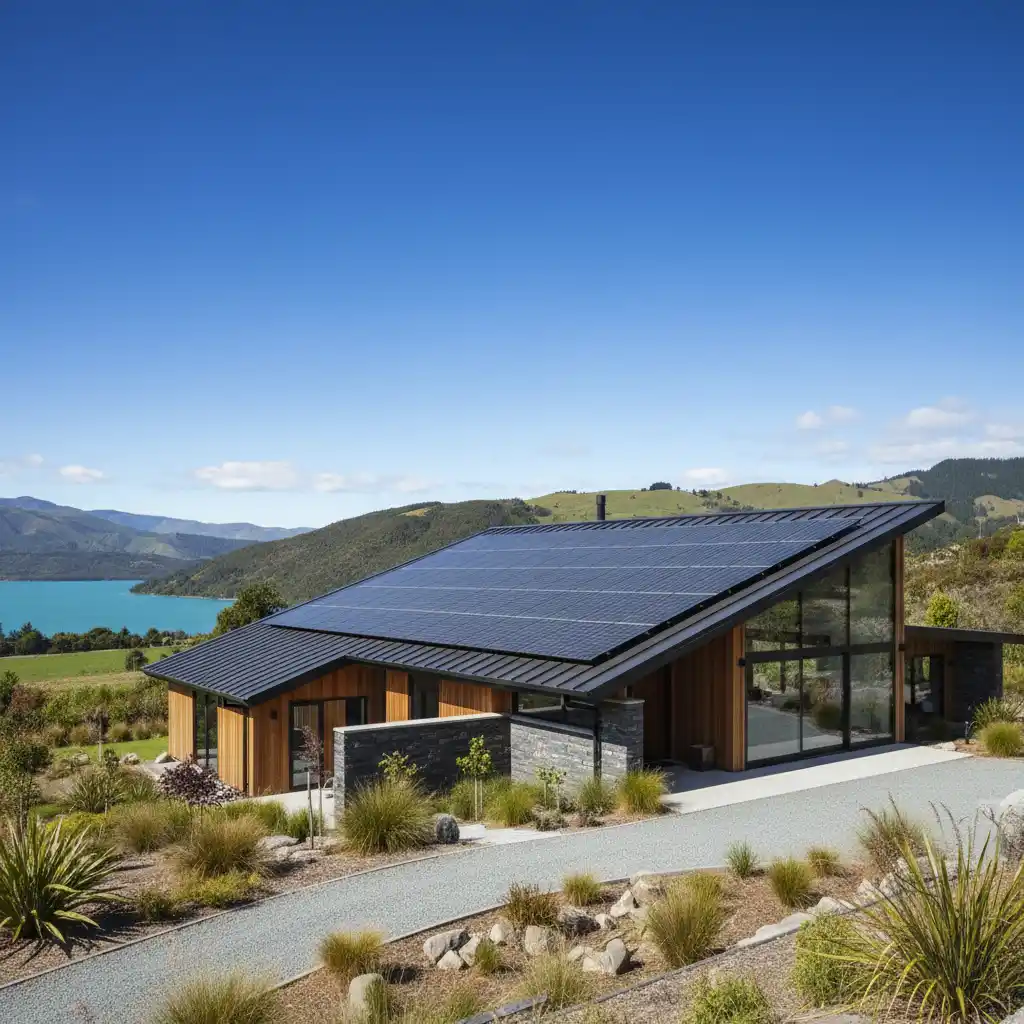
Why Eco Certifications Matter for Sustainable Decor Choices
Navigating the world of eco-friendly home furnishings can be complex. Learn how certifications provide clarity and confidence.
As New Zealanders increasingly embrace a sustainable lifestyle, our desire to extend eco-conscious choices to every corner of our homes grows. We want our living spaces to reflect our values, filled with decor that’s not only beautiful but also kind to the planet and its people. Yet, the path to truly sustainable decor is often paved with confusion, buzzwords, and the ever-present challenge of greenwashing.
This is precisely why eco certifications matter for sustainable decor choices. They serve as trusted guides, cutting through the noise to help you identify products that genuinely meet rigorous environmental and social standards. In this article, we’ll explore why these labels are indispensable tools for building a home that’s both stylish and truly sustainable.

Understanding the ‘Greenwash’ Challenge
The term ‘greenwashing’ has become all too common. It refers to the deceptive marketing practice where companies make exaggerated or misleading claims about the environmental benefits of their products. Without independent verification, a product labelled ‘natural’ or ‘eco-friendly’ could still have a significant negative impact through its manufacturing process, materials, or disposal.
This ambiguity makes it incredibly difficult for conscientious consumers to make truly sustainable choices. How do you distinguish genuine commitment from clever marketing? This is precisely why eco certifications matter for sustainable decor choices – they provide that crucial third-party validation.
Stat Callout: A 2020 report by the Competition and Markets Authority found that 40% of green claims made online could be misleading. This highlights the critical need for verifiable information.
The Pillars of Truly Sustainable Decor
Sustainable decor isn’t just about using recycled materials; it encompasses a holistic approach to a product’s entire lifecycle. Key aspects include:
- Sustainable Sourcing: Are materials harvested responsibly, without depleting natural resources or harming ecosystems?
- Ethical Production: Does the manufacturing process minimize waste, conserve energy, and ensure fair labour practices?
- Toxicity & Health: Are products free from harmful chemicals (e.g., VOCs, heavy metals) that could impact indoor air quality and human health?
- Durability & Longevity: Is the item built to last, reducing the need for frequent replacement and waste?
- End-of-Life: Can the product be recycled, composted, or safely disposed of at the end of its life?
Eco certifications examine these very pillars, providing assurance that a product meets specific benchmarks across one or more of these crucial areas.
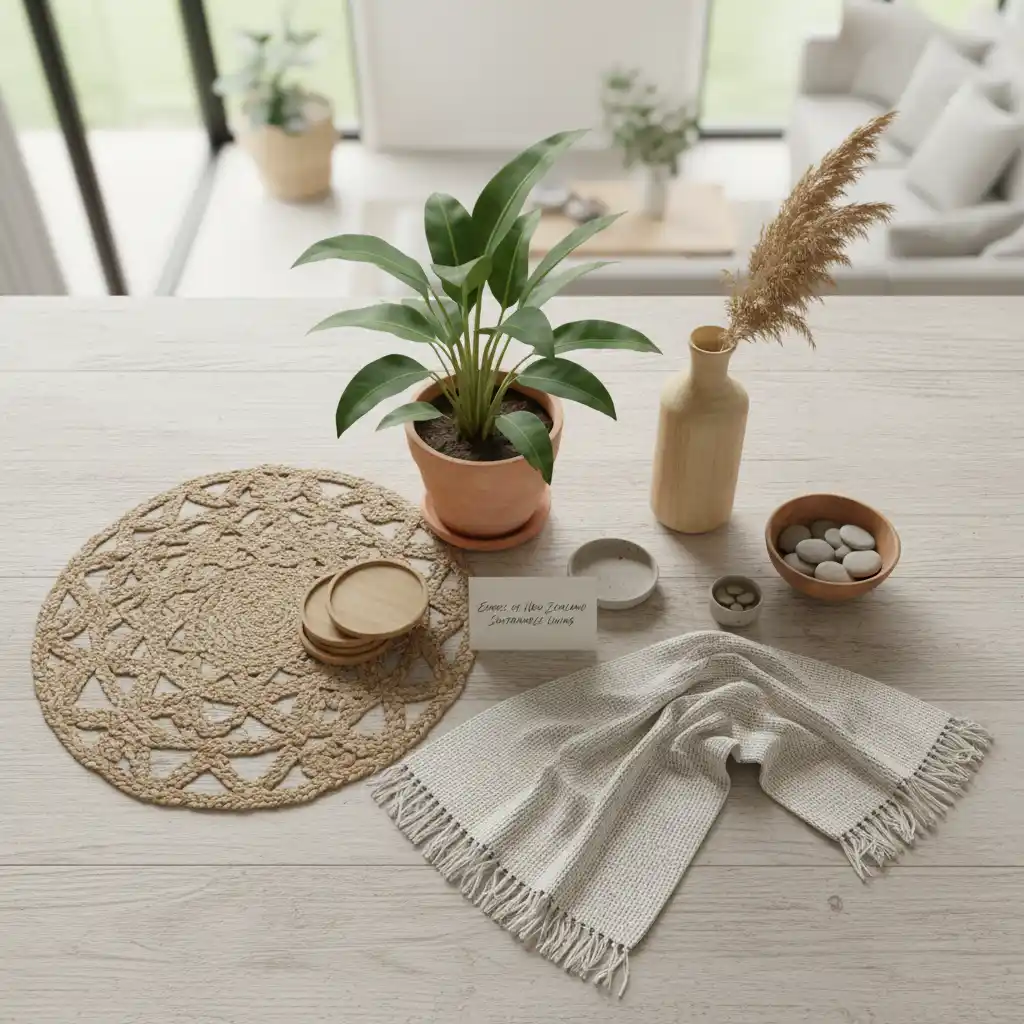
How Eco Certifications Offer Clarity and Trust
For consumers, certifications demystify the sustainability claims. When you see an eco-label, you know that an independent, third-party organisation has verified the product against a set of predetermined standards. This means:
- Transparency: Certifications often require companies to be transparent about their supply chains and manufacturing processes.
- Accountability: Manufacturers are held accountable to measurable environmental and social criteria.
- Informed Choices: You can quickly make confident decisions, knowing you’re genuinely supporting sustainable practices. This directly answers why eco certifications matter for sustainable decor choices.
Stat Callout: Research consistently shows that a significant percentage of consumers (often 60% or more) are willing to pay a premium for sustainable and ethically produced goods, provided they can trust the claims.
Key Types of Eco Certifications to Look For
While the landscape of eco-labels can seem vast, here are general categories and examples of what to look for, demonstrating why eco certifications matter for sustainable decor choices:
- Material Specific: Labels like FSC (Forest Stewardship Council) ensure wood and paper products come from responsibly managed forests. GOTS (Global Organic Textile Standard) certifies organic fibres from harvesting to manufacturing, guaranteeing social criteria too.
- Broad Environmental Performance: Certifications such as Green Seal or GECA (Good Environmental Choice Australia) (often relevant in NZ) assess a product’s overall environmental impact across its lifecycle.
- Low Emissions & Health: Certifications like GREENGUARD or OEKO-TEX® STANDARD 100 focus on ensuring products have low chemical emissions, contributing to healthier indoor air quality.
Always look for third-party logos on product packaging or descriptions. A reputable certification body will have clear, publicly available standards and a transparent verification process.
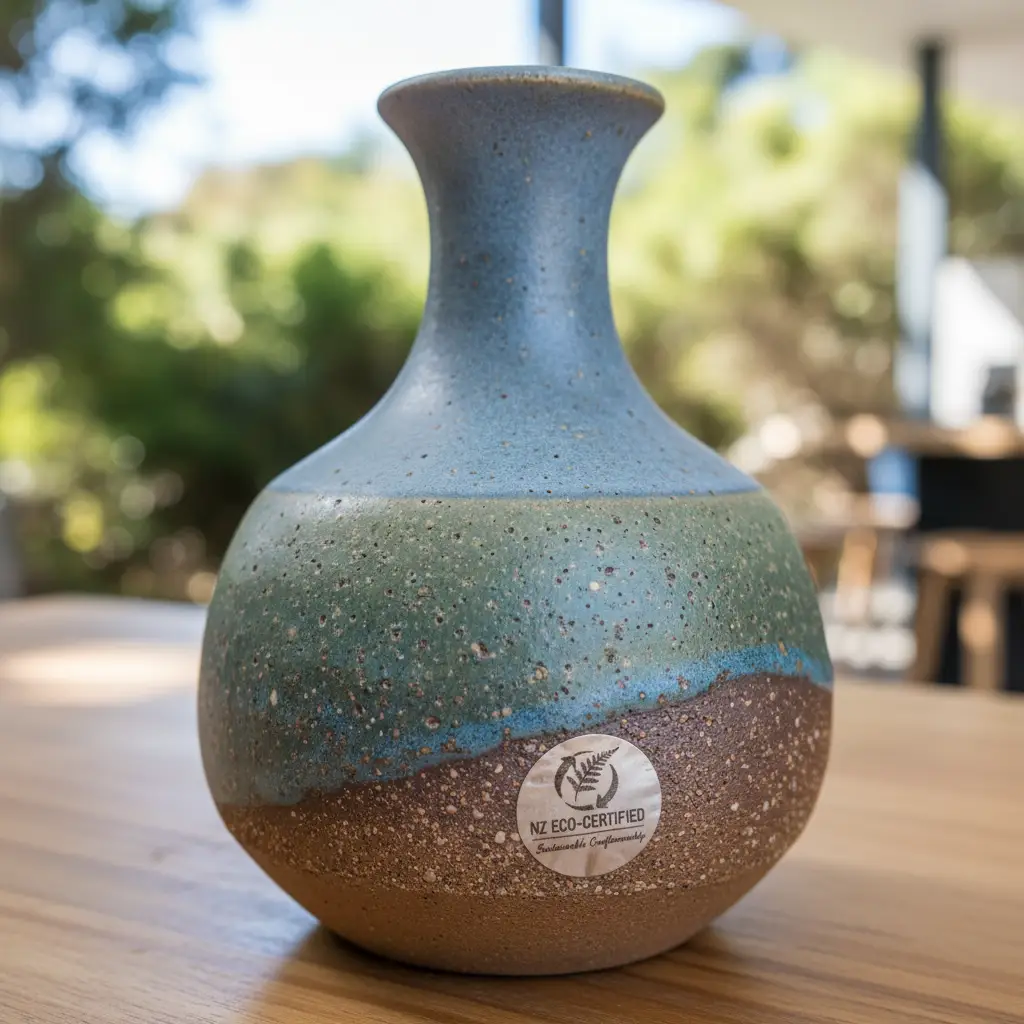
Beyond the Label: The Broader Impact
Choosing certified decor does more than just furnish your home sustainably; it sends a powerful message to the market. Each purchase of a certified product supports businesses committed to responsible practices, driving demand for greener alternatives and encouraging other companies to adopt higher standards. This collective consumer action is vital for fostering a truly circular and sustainable economy.
Stat Callout: The global market for sustainable products is projected to grow significantly, influenced directly by consumer demand and the increasing visibility of eco-labels. Your choices contribute to this positive shift.
By understanding why eco certifications matter for sustainable decor choices, we empower ourselves to be agents of change, shaping a future where ethical and environmental considerations are the norm, not the exception.

Making Informed Choices for a Greener Home
Incorporating sustainable decor into your home is an ongoing journey. Start by researching common certifications relevant to the products you’re seeking, from textiles to furniture. Look for clear, unambiguous labels and don’t hesitate to ask retailers about their products’ sustainability credentials. Every certified item you bring into your home is a step towards a more beautiful, ethical, and environmentally friendly living space.