Urban Planning: Boosting Cycling & Walking in Cities
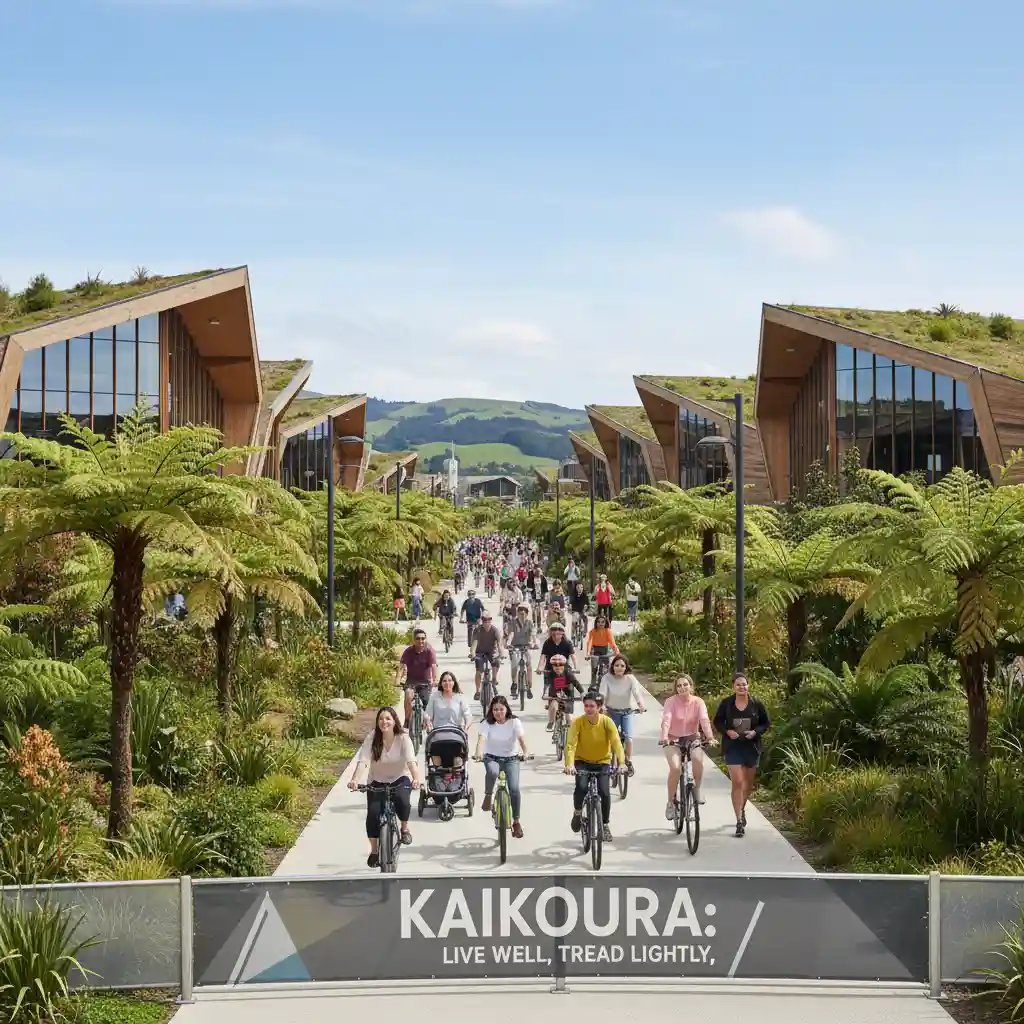
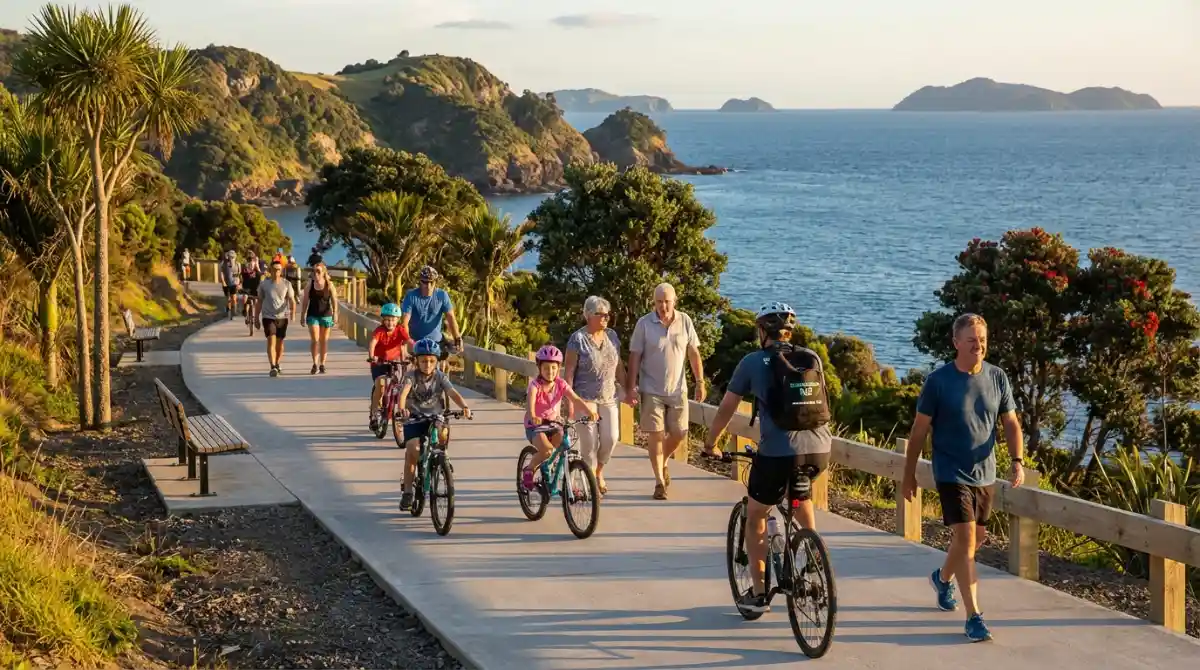
In the heart of New Zealand’s sustainable lifestyle movement, urban planning stands as a pivotal force. As our cities evolve, the way we move within them directly impacts our well-being, our environment, and the vitality of our communities. This article delves into how thoughtful urban planning can transform our cities into havens for active transport, making cycling and walking not just an option, but the preferred, convenient, and enjoyable choice for daily commutes and leisure.
Embracing sustainable modes of transport is key to fostering healthier, more resilient urban environments. We’ll explore the strategic design principles, infrastructure investments, and policy changes that empower residents to leave their cars behind, contributing to a greener, more connected Aotearoa.
Table of Contents
- Why Prioritise Active Travel? The Multifaceted Benefits
- Key Principles of Cycle-Friendly Urban Planning
- Designing Walkable Cities: More Than Just Footpaths
- Real-World Impact: Successes and the New Zealand Context
- Overcoming Challenges & The Future of Urban Mobility
- Frequently Asked Questions
- References & Sources
Why Prioritise Active Travel? The Multifaceted Benefits
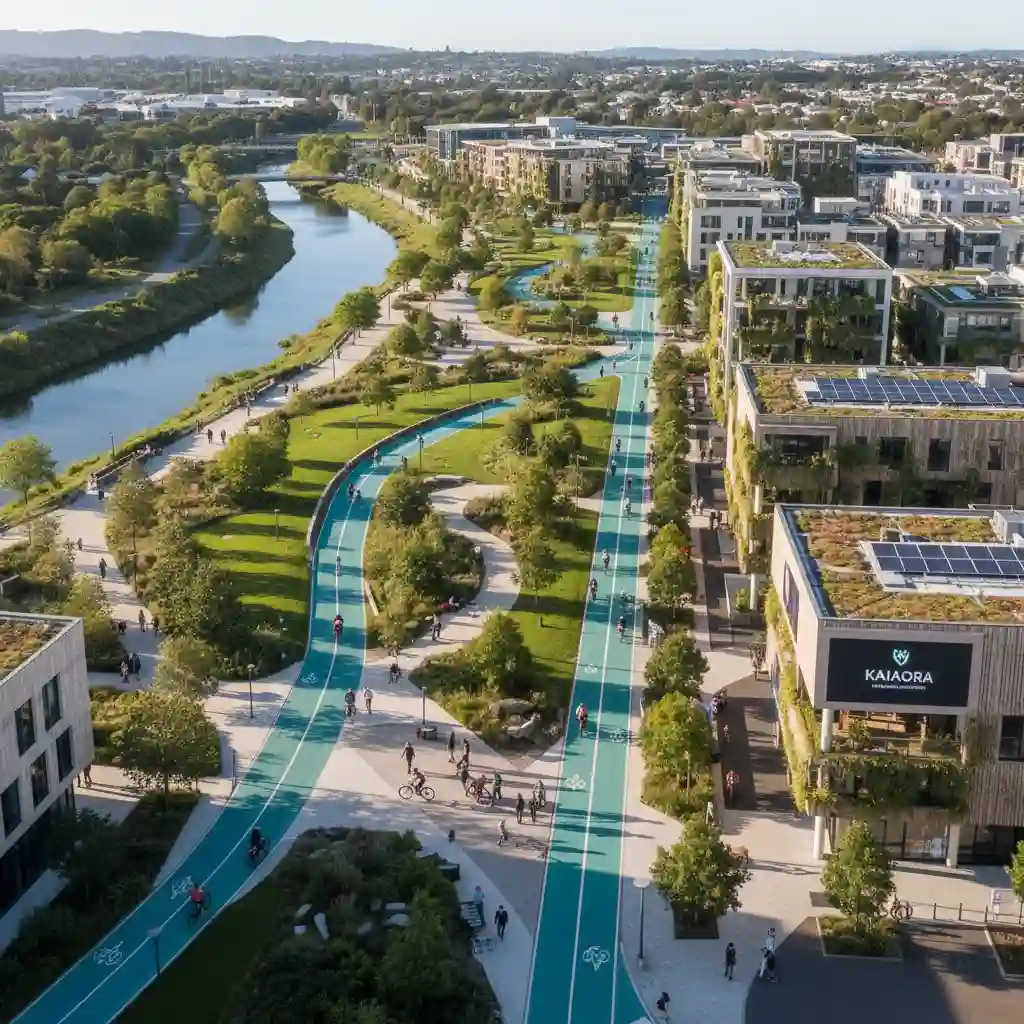
Investing in infrastructure that supports cycling and walking isn’t just about reducing traffic; it’s a holistic approach to urban improvement. The benefits ripple through public health, environmental sustainability, economic vitality, and social cohesion.
Health and Well-being
Encouraging active transport directly combats sedentary lifestyles, reducing the risk of chronic diseases and improving mental health. Cities designed for movement foster a healthier populace, easing the burden on healthcare systems.
Environmental Sustainability
Every bike ride or walk taken instead of a car journey means fewer greenhouse gas emissions. This contributes significantly to air quality improvement and the fight against climate change, aligning perfectly with New Zealand’s commitment to a low-carbon future.
“Shifting even a small percentage of daily commutes to active modes can have a profound impact on a city’s carbon footprint and urban air quality.”
Economic & Social Vibrancy
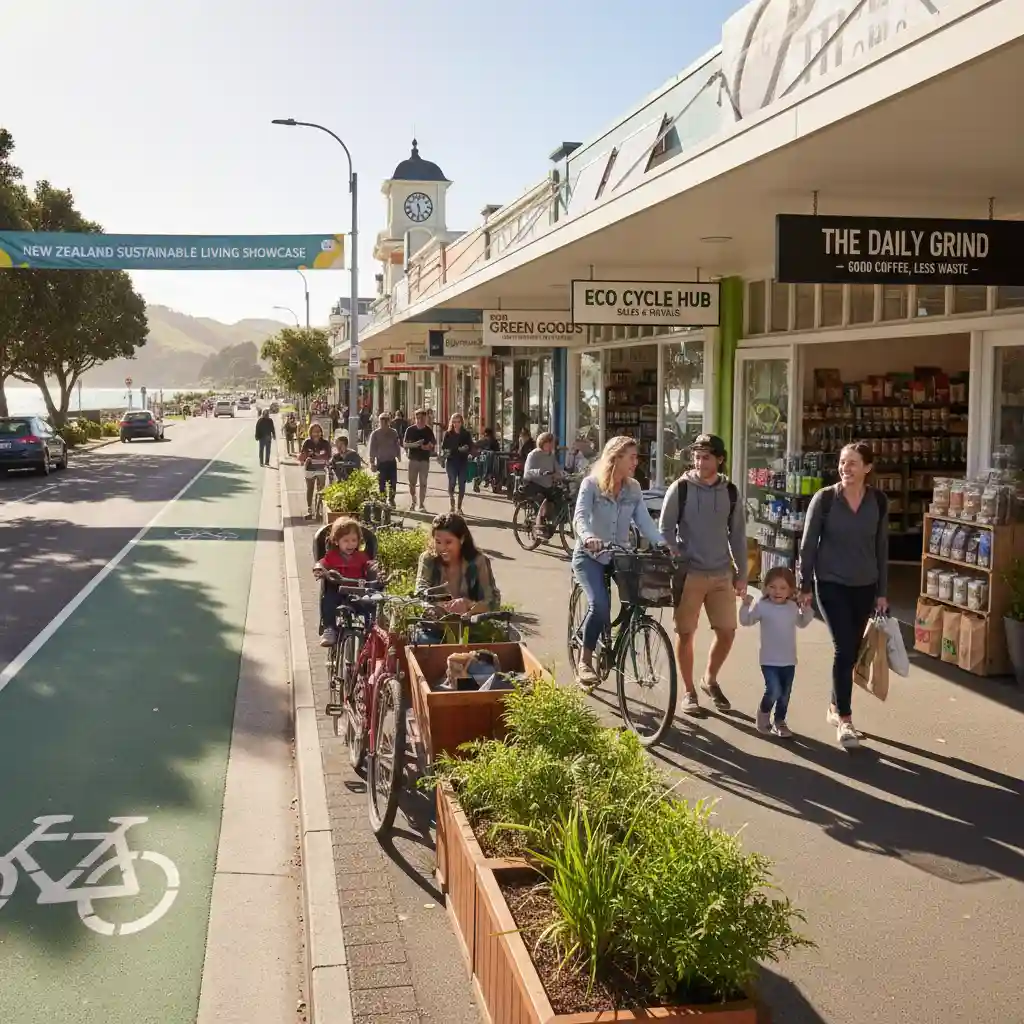
Cyclists and pedestrians tend to spend more at local businesses, stopping more frequently and exploring areas inaccessible by car. Furthermore, streets designed for people create safer, more appealing public spaces, fostering community interaction and a stronger sense of place.
Key Principles of Cycle-Friendly Urban Planning
Creating urban environments where cycling thrives requires a multi-faceted approach, moving beyond simple bike lanes to integrated networks.
- Dedicated & Protected Cycleways: Physical separation from vehicular traffic is paramount for safety and perceived safety, encouraging more people to cycle.
- Comprehensive Network Connectivity: Cycle routes must connect key destinations – homes, workplaces, schools, and shopping areas – forming a seamless, intuitive network.
- Safe Intersections: Designing intersections to prioritise cyclist safety, using advanced stop lines, dedicated signal phases, and clear markings.
- Secure Parking & End-of-Trip Facilities: Adequate, secure bike parking at destinations, alongside showers and changing rooms at workplaces, are crucial for convenience.
- Integration with Public Transport: Allowing bikes on trains and buses, or providing secure parking at transport hubs, facilitates longer journeys.
Statistic Spotlight: Healthier Commutes
Studies show that people who commute by active transport like cycling have a **41% lower risk of cardiovascular disease** and a **52% lower risk of dying from heart disease** compared to car commuters. (Source: The Lancet Planetary Health)
Designing Walkable Cities: More Than Just Footpaths
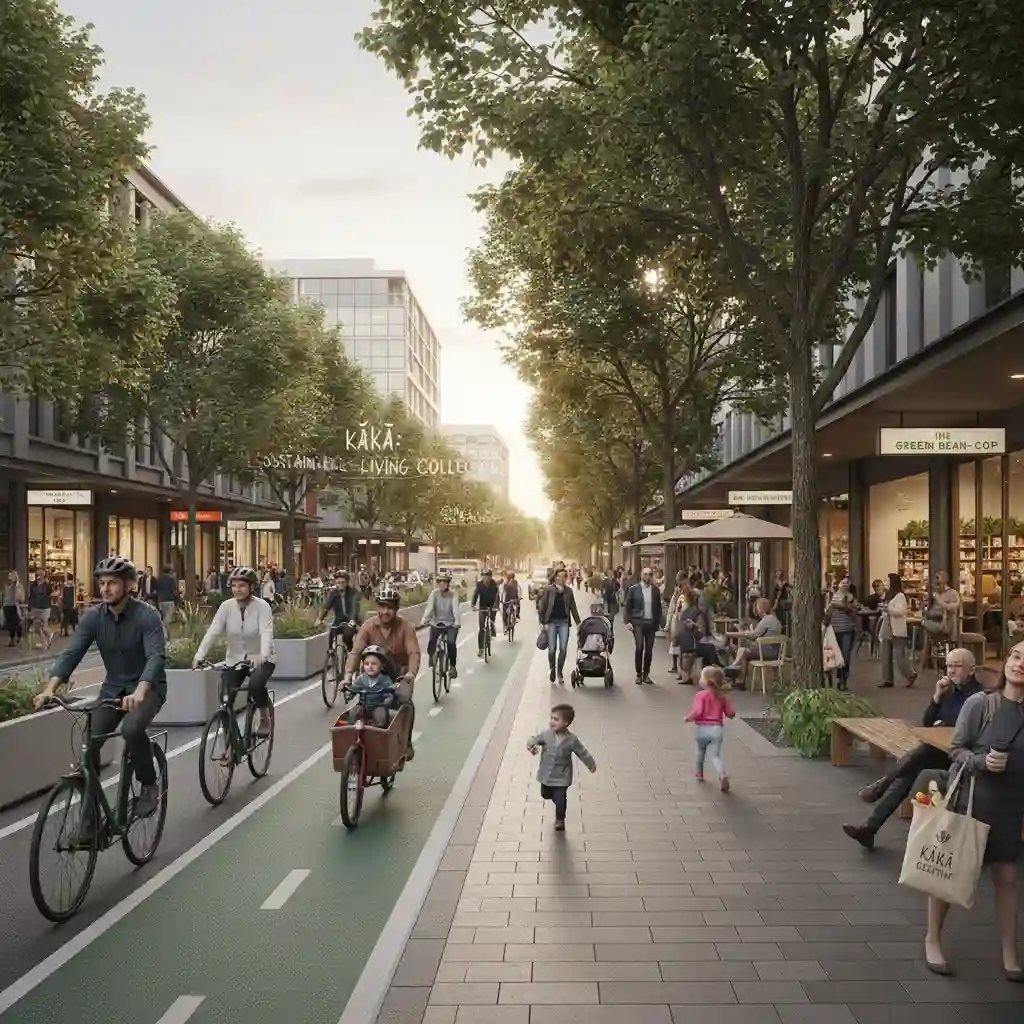
Walkability extends beyond simply having pavements. It encompasses the entire pedestrian experience, encouraging movement and exploration.
Pedestrian-Friendly Infrastructure
- Wide & Accessible Footpaths: Sufficient width for comfortable passing, free from obstructions, and accessible for all abilities (pram and wheelchair friendly).
- Safe Crossings: Clearly marked, well-lit pedestrian crossings with adequate crossing times, especially at busy intersections.
- Shade, Shelter, and Seating: Trees for shade, bus shelters for rain protection, and benches for rest enhance comfort and encourage longer walks.
- Public Green Spaces: Incorporating parks, plazas, and green corridors provides pleasant routes and destinations.
Mixed-Use Development & Human Scale Design
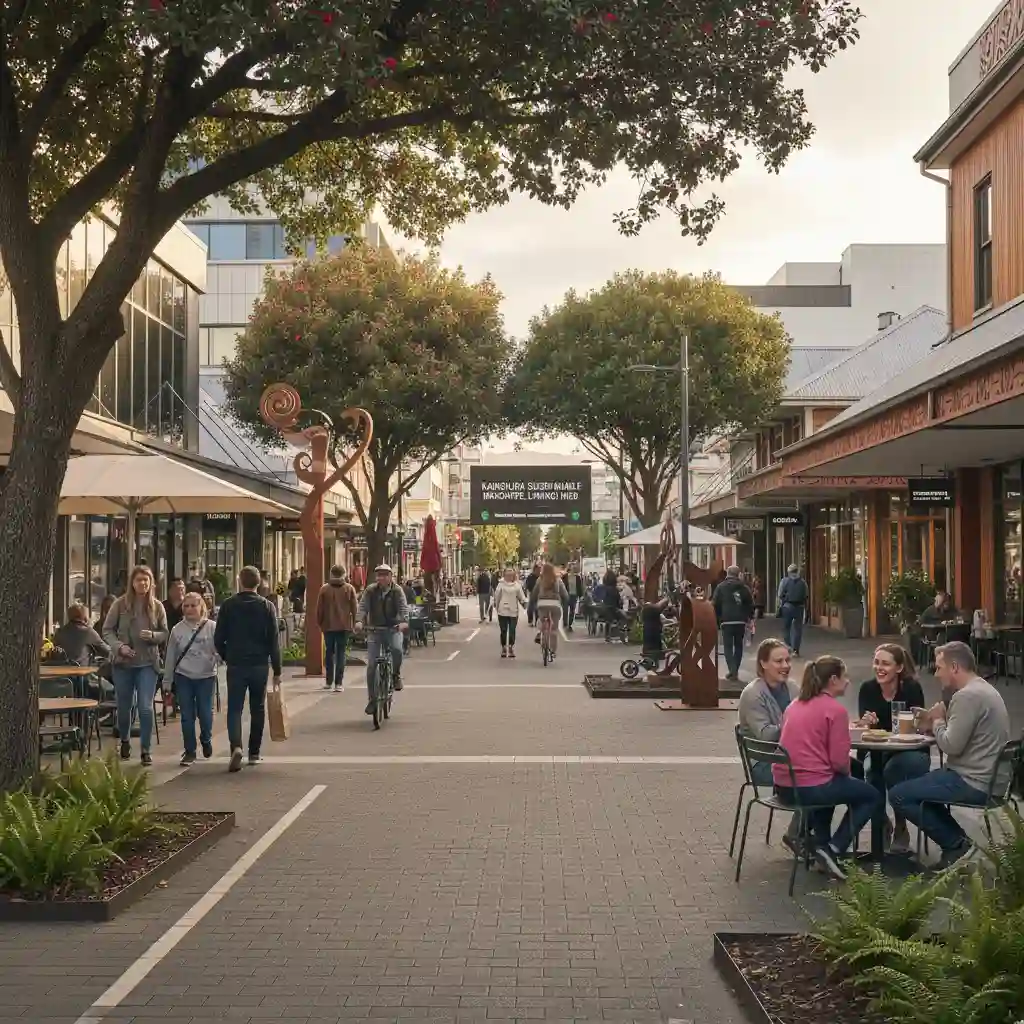
Walkable cities typically feature mixed-use zoning, where residential, commercial, and recreational spaces are co-located. This reduces the need for long car journeys. Buildings designed at a human scale, with engaging ground-level activity, transparent storefronts, and architectural variety, make walking more interesting and inviting.
Real-World Impact: Successes and the New Zealand Context
Across the globe, cities are demonstrating the profound positive effects of prioritising active transport. Copenhagen, Amsterdam, and even smaller cities like Seville, offer powerful blueprints for urban transformation. In New Zealand, cities like Christchurch and Auckland are making significant strides in expanding their cycleway networks and enhancing pedestrian infrastructure.
Statistic Spotlight: Economic Boost
Businesses on streets with dedicated bike lanes can see a **22% increase in sales** compared to those on car-dominated streets, as active travelers visit more frequently and spend locally. (Source: Transport for London, Sustrans)
The “Share the Road” campaign and initiatives like the NZ Transport Agency Waka Kotahi’s dedicated funding for walking and cycling projects underscore a national commitment. While challenges remain, particularly in retrofitting existing infrastructure, the momentum towards more active, liveable cities is undeniable.
Overcoming Challenges & The Future of Urban Mobility
Transitioning to more active cities isn’t without its hurdles. Resistance from car-centric cultures, limited funding, and the complexity of redeveloping existing urban spaces are common challenges. However, through robust public engagement, innovative funding models, and a long-term vision, these obstacles can be overcome.
- Political Will & Funding: Sustained political commitment and adequate investment are crucial for implementing large-scale infrastructure projects.
- Community Engagement: Involving residents in the planning process ensures solutions meet local needs and gain public acceptance.
- Data-Driven Planning: Utilising data on traffic patterns, pedestrian flows, and public health outcomes can inform effective design decisions.
- Adaptive Urbanism: Designing flexible infrastructure that can adapt to changing needs and technologies, such as e-bikes and micromobility options.
As New Zealand continues its journey towards a sustainable future, urban planning: boosting cycling & walking in cities will remain at the forefront. It’s an investment not just in infrastructure, but in the health, happiness, and prosperity of future generations. By creating spaces that prioritize people over vehicles, we build cities that are truly liveable and thrive sustainably.
Frequently Asked Questions
Q1: Why is cycling and walking beneficial for the environment?
A1: Active transport significantly reduces greenhouse gas emissions, improves air quality by decreasing reliance on fossil fuel vehicles, and contributes to quieter urban environments. It’s a key component of sustainable living and mitigating climate change impacts.
Q2: How does urban planning impact the safety of cyclists and pedestrians?
A2: Effective urban planning improves safety by creating dedicated, physically separated cycleways, well-marked pedestrian crossings, slower traffic zones, and better lighting. These measures reduce interactions with vehicles, thereby lowering accident rates and increasing perceived safety, which encourages more people to walk and cycle.
Q3: What are some examples of New Zealand cities investing in active transport?
A3: Many New Zealand cities are actively investing. Christchurch has developed extensive cycleway networks post-earthquake, and Auckland is continually expanding its ‘greenways’ and cycle routes. Wellington and Dunedin are also implementing various projects to improve walkability and cycling infrastructure as part of their sustainable development goals.
Q4: Can improving cycling and walking infrastructure really boost local economies?
A4: Absolutely. Pedestrians and cyclists often stop more frequently at local shops, cafes, and restaurants, leading to increased local spending. Studies have shown that businesses on streets with good active transport infrastructure can experience higher sales and property values, fostering vibrant, thriving local economies.
References & Sources
- The Lancet Planetary Health. (2017). “Associations of cycling and walking with cardiovascular disease, cancer, and all-cause mortality: a prospective cohort study.”
- Transport for London. (Various reports). “Economic Benefits of Cycling.”
- Sustrans. (Various reports). “Bike Life reports and evidence on the economic impacts of cycling.”
- New Zealand Transport Agency Waka Kotahi. (Official publications and data on active transport projects).
- World Health Organization. (Publications on physical activity and urban planning).
- Gehl, J. (2011). “Cities for People.” Island Press.