Top Energy Conservation Strategies for Homes & Businesses
In an era where environmental consciousness and financial prudence are paramount, adopting effective energy conservation strategies is no longer just a trend – it’s a necessity. For New Zealanders, this means embracing sustainable practices that not only lighten your ecological footprint but also lead to significant savings on your power bills.
Whether you’re looking to make your home more efficient or streamline your business operations, understanding and implementing the right measures can make a profound difference. From simple behavioural changes to strategic investments, the journey towards a more energy-efficient future starts here.
Why Energy Conservation Matters More Than Ever
Energy conservation isn’t merely about saving a few dollars; it’s a critical component of building a sustainable future. For New Zealand, a country proud of its ‘clean green’ image, reducing energy consumption helps preserve our unique natural environment, lessen our reliance on non-renewable sources, and contribute to global efforts against climate change.
Stat Callout: New Zealand’s residential sector alone accounts for approximately 25% of the country’s total energy consumption. Reducing this offers significant environmental and economic benefits. Source: Energy Efficiency and Conservation Authority (EECA)
By adopting effective Top Energy Conservation Strategies for Homes & Businesses, we collectively reduce demand on our national grid, leading to a more resilient energy system and potentially more stable energy prices.
Top Energy Conservation Strategies for Homes
Your home is where a significant portion of your daily energy is consumed. Implementing smart strategies can dramatically reduce waste and lower bills.
1. Optimise Insulation & Sealing
One of the most impactful energy conservation strategies is ensuring your home is well-insulated. Heat loss through walls, ceilings, and floors can be substantial. Proper insulation keeps your home warmer in winter and cooler in summer, reducing the need for heating and cooling.
- Insulate Everything: Check your ceiling, underfloor, and wall insulation. Older homes, in particular, may lack adequate insulation.
- Seal Drafts: Use weatherstripping on doors and windows, and caulk gaps around pipes and wires. Even small drafts can lead to significant heat loss.
- Double Glazing: While a larger investment, double-glazed windows vastly improve thermal performance.
2. Embrace Energy-Efficient Lighting
Lighting accounts for a noticeable portion of household electricity use. Switching to LED technology is a simple yet powerful step.
- LED Revolution: Replace incandescent and CFL bulbs with LEDs. They use up to 80% less energy and last significantly longer.
- Natural Light: Maximise natural light during the day. Open curtains and blinds to reduce the need for artificial lighting.
- Smart Controls: Install dimmers, motion sensors, or timers in less-used areas like bathrooms or hallways to ensure lights are only on when needed.
3. Upgrade to Smart & Efficient Appliances
Major appliances like refrigerators, washing machines, and dryers are significant energy consumers. When it’s time to replace, choose wisely.
- Energy Star Rated: Look for appliances with high Energy Star ratings, indicating superior energy efficiency.
- Unplug Phantom Loads: Electronics like TVs, chargers, and gaming consoles draw power even when turned off or in standby mode. Use power strips with on/off switches or unplug them when not in use.
- Optimal Usage: Run washing machines and dishwashers with full loads, and use cold water whenever possible.
4. Smarter Heating & Cooling Practices
Heating and cooling are often the largest energy expenses in a household.
- Thermostat Management: Set your thermostat to an optimal temperature (e.g., 18-20°C in winter for comfort and efficiency) and use programmable or smart thermostats to adjust temperatures when you’re away or asleep.
- Maintain Systems: Regularly clean or replace air filters in heat pumps and check for any maintenance needs to ensure optimal performance.
- Zone Heating: Only heat the rooms you are actively using, closing doors to unheated areas.
5. Conserve Hot Water
Heating water consumes a surprising amount of energy. Simple changes can yield big results.
- Shorter Showers: Reduce shower times and install low-flow showerheads.
- Fix Leaks: Even a slow drip can waste a significant amount of hot water over time.
- Insulate Hot Water Cylinder: Ensure your hot water cylinder is insulated, especially if it’s an older model.
Top Energy Conservation Strategies for Businesses
Businesses have an even greater potential for energy savings, impacting both their bottom line and their corporate social responsibility.
Stat Callout: Businesses can often reduce energy costs by 10-20% through simple, no-cost or low-cost efficiency measures, significantly impacting their bottom line. Source: EECA Business

1. Lighting Optimisation & Automation
For many businesses, lighting is a primary energy drain. Modern solutions offer significant savings.
- LED Conversion: Transition all lighting to commercial-grade LEDs. This is often the quickest return on investment.
- Smart Lighting Systems: Implement occupancy sensors, daylight harvesting systems, and automated timers to ensure lights are only on when and where they’re needed.
- Natural Light: Design workspaces to maximise natural light, reducing the need for artificial illumination.
2. HVAC System Management
Heating, Ventilation, and Air Conditioning (HVAC) systems are typically the largest energy consumers in commercial buildings.
- Regular Maintenance: Schedule routine inspections and maintenance of HVAC units to ensure they operate at peak efficiency.
- Smart Thermostats/BMS: Utilise programmable or smart thermostats, or a Building Management System (BMS), to control temperatures precisely based on occupancy and time of day.
- Optimise Setpoints: Establish and enforce sensible temperature setpoints for heating and cooling to avoid overcompensation.
3. Efficient Equipment & IT Practices
From office electronics to industrial machinery, equipment choice and usage play a huge role.
- Energy-Efficient Purchases: Prioritise Energy Star rated office equipment (computers, monitors, printers) and high-efficiency industrial machinery.
- Server Virtualisation & Cloud: Reduce the number of physical servers by virtualising or migrating to energy-efficient cloud services.
- Power Management: Implement power-saving modes on all computers and electronics. Encourage staff to shut down equipment at the end of the workday.
4. Employee Engagement & Policy
Human behaviour is a critical factor in successful energy conservation.
- Awareness Campaigns: Educate employees on the importance of energy saving and provide practical tips for the workplace (e.g., turning off lights, unplugging chargers).
- Energy Champions: Designate ‘Energy Champions’ within teams to monitor usage and promote best practices.
- Formal Policy: Implement clear energy-saving policies that become part of the company culture.
5. Explore Renewable Energy Integration
For businesses committed to long-term sustainability, integrating renewable energy sources can be a powerful strategy.
- Solar Panels: Install rooftop solar photovoltaic (PV) systems to generate your own electricity.
- Green Power Purchase: If on-site generation isn’t feasible, consider purchasing electricity from retailers that offer 100% renewable energy options.
- Battery Storage: Combine renewable energy with battery storage to maximise self-consumption and reduce reliance on the grid during peak times.
The Holistic Benefits of Energy Conservation
The advantages of embracing Top Energy Conservation Strategies for Homes & Businesses extend far beyond just cost savings:
- Lower Utility Bills: This is often the most immediate and tangible benefit, freeing up funds for other priorities.
- Reduced Carbon Footprint: Directly contributes to combating climate change by lowering greenhouse gas emissions.
- Increased Property Value: Energy-efficient homes and commercial buildings are more attractive to buyers and tenants.
- Enhanced Comfort & Health: Better insulation and efficient systems lead to more stable indoor temperatures and improved air quality.
- Improved Brand Image: For businesses, demonstrating a commitment to sustainability enhances reputation and attracts environmentally conscious customers and employees.
- Energy Independence & Security: Less reliance on the grid can protect against future energy price fluctuations and supply issues.
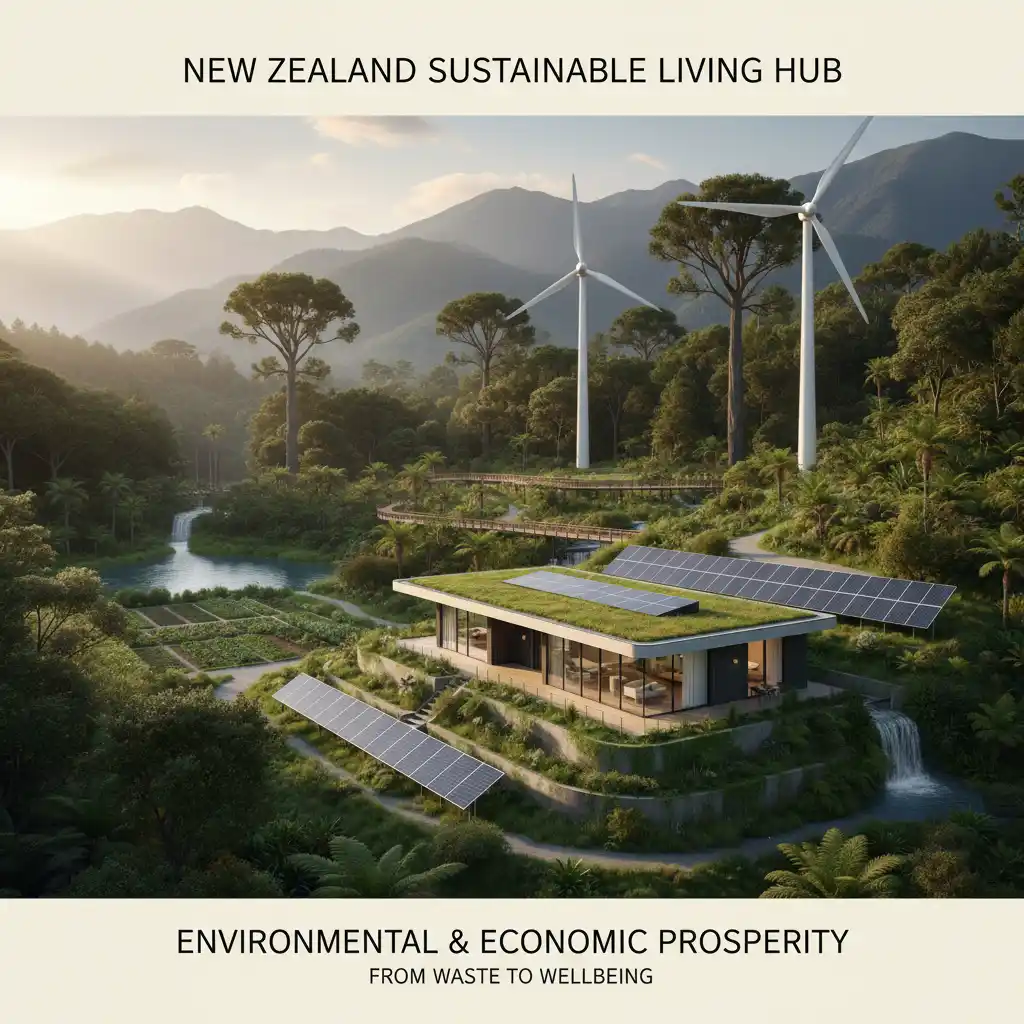
Your Energy Conservation Action Checklist
Ready to make a difference? Use this checklist to kickstart your energy-saving journey, whether at home or in the workplace:
Conclusion
Implementing Top Energy Conservation Strategies for Homes & Businesses is a journey that yields continuous rewards. By making conscious choices about how we consume energy, New Zealanders can contribute to a healthier planet, enjoy significant financial savings, and lead the way in sustainable living. Every watt saved is a step towards a brighter, more sustainable future for Aotearoa.
Frequently Asked Questions (FAQ)
What are the easiest ways to start conserving energy at home?
The easiest ways to begin include switching to LED light bulbs, unplugging electronics when not in use (to prevent ‘phantom loads’), adjusting your thermostat a few degrees, taking shorter showers, and sealing obvious drafts around windows and doors.
How much money can I really save by conserving energy?
Savings can vary significantly based on your current consumption, the strategies you implement, and the initial cost of any upgrades. However, many households and businesses report 10-30% reductions in their energy bills through a combination of no-cost behavioural changes and strategic investments in efficiency. For New Zealanders, these savings can amount to hundreds, if not thousands, of dollars annually.
Are energy-efficient upgrades expensive?
Some upgrades, like insulation or double glazing, can be a larger upfront investment. However, many significant improvements are low-cost or even free, such as sealing drafts or changing habits. For more substantial upgrades, the long-term savings often result in an excellent return on investment, and government grants or incentives (like those sometimes offered by EECA in New Zealand) can help offset initial costs.
What role do governments play in promoting energy conservation?
Governments, like the New Zealand government through agencies such as EECA (Energy Efficiency and Conservation Authority), play a crucial role. They develop policies, offer financial incentives (grants, subsidies), provide educational resources, set energy efficiency standards for appliances and buildings, and conduct public awareness campaigns to encourage widespread adoption of energy conservation strategies.
References & Sources
- Energy Efficiency and Conservation Authority (EECA) – New Zealand. www.eeca.govt.nz
- Ministry for the Environment – New Zealand. environment.govt.nz
- International Energy Agency (IEA). www.iea.org
- Building Research Association of New Zealand (BRANZ). www.branz.co.nz