Top Corporate Sustainability Careers: Paths to Green Jobs
The global push for a more sustainable future has ushered in an exciting era for career development, particularly in New Zealand. As businesses worldwide increasingly recognise their environmental and social responsibilities, the demand for professionals skilled in sustainability has surged. This isn-t just a trend; it’s a fundamental shift creating dynamic and impactful corporate sustainability careers.
Whether you’re looking to pivot your existing career or just starting out, understanding the landscape of green jobs is crucial. This article will guide you through the diverse paths available, from ESG analysis to circular economy specialisation, offering insights into the skills and qualifications needed to thrive in this essential sector.
Table of Contents
1. The Rise of Green Jobs in Aotearoa
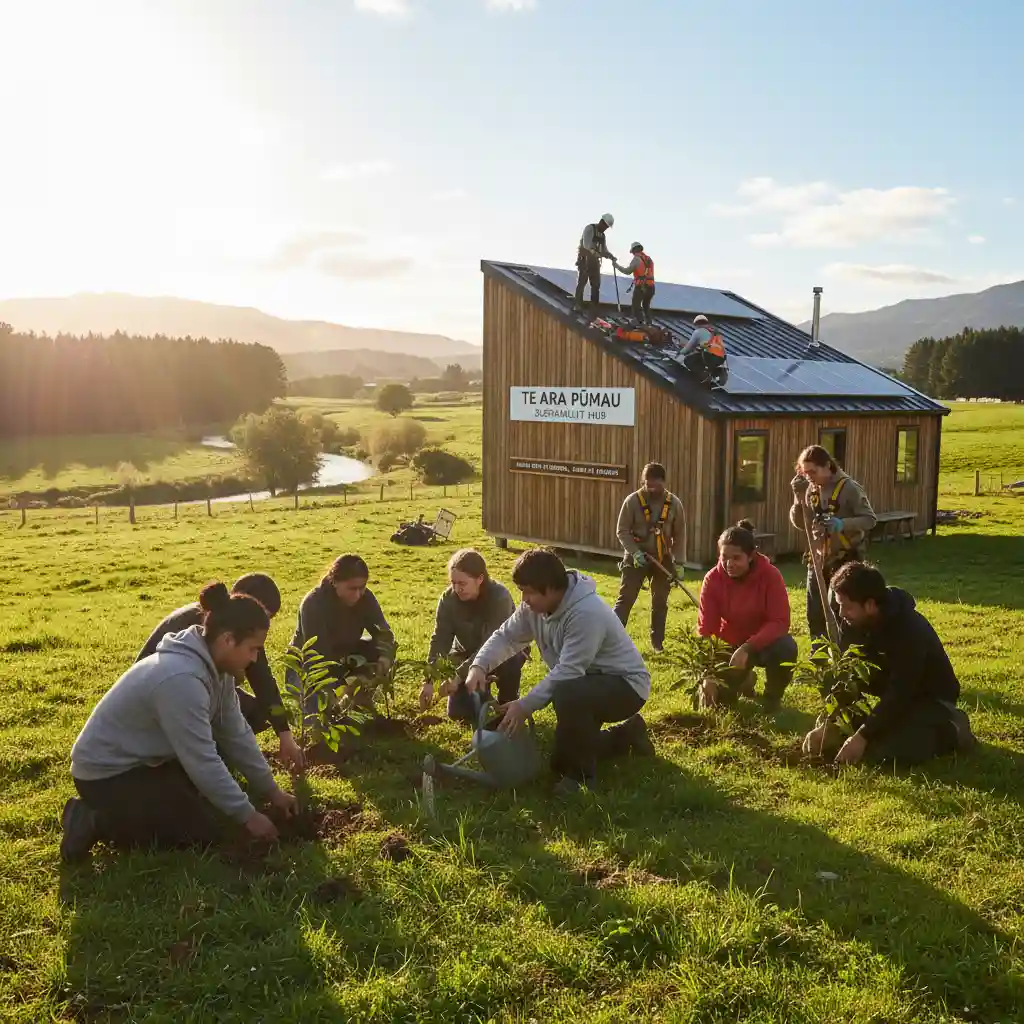
New Zealand, known for its pristine natural environment and commitment to kaitiakitanga (guardianship), is at the forefront of the global movement towards sustainability. This national ethos is translating into a significant demand for green jobs across various sectors, from agriculture to finance. Companies are not just greenwashing; they are genuinely integrating sustainable practices into their core business models, driven by consumer demand, regulatory pressures, and a desire for long-term resilience.
The transition to a low-carbon, circular economy requires a new set of skills and dedicated professionals. These corporate sustainability careers are not limited to environmental science graduates; they encompass roles that merge business acumen with ecological awareness, social responsibility, and innovative problem-solving. It’s a multidisciplinary field ripe with opportunity.
Key Statistic: Research indicates that New Zealand’s green economy sector is experiencing robust growth, with a projected increase of 30% in green jobs by 2030. This expansion is driven by investments in renewable energy, sustainable agriculture, and eco-tourism, underscoring a significant shift in the employment landscape.

2. Essential Skills for a Thriving Green Career
Excelling in corporate sustainability careers requires a blend of specialised knowledge and adaptable soft skills. The best professionals can bridge the gap between environmental imperatives and business realities.
Technical Knowledge & Frameworks
- ESG Principles: Understanding Environmental, Social, and Governance factors is foundational for assessing and improving corporate responsibility.
- Circular Economy Concepts: Knowledge of design principles that eliminate waste and pollution, circulate products and materials, and regenerate nature.
- Climate Change Science & Policy: Familiarity with climate science, carbon accounting (scopes 1, 2, 3), emissions reduction strategies, and relevant legislation (e.g., NZ Climate Change Response Act).
- Life Cycle Assessment (LCA): Ability to evaluate the environmental impacts of products and services throughout their entire life cycle.
- Sustainability Reporting Standards: Proficiency in frameworks like GRI (Global Reporting Initiative), SASB (Sustainability Accounting Standards Board), and TCFD (Task Force on Climate-related Financial Disclosures).
- Environmental Management Systems (EMS): Knowledge of standards such as ISO 14001 for managing environmental impacts.
Strategic & Soft Skills
- Strategic Thinking: The ability to integrate sustainability into core business strategy for long-term value creation.
- Communication & Storytelling: Effectively conveying complex sustainability concepts to diverse audiences, from board members to consumers.
- Collaboration & Influence: Working across departments and with external stakeholders to drive change without direct authority.
- Data Analysis & Interpretation: Using data to measure impact, identify areas for improvement, and demonstrate return on investment for sustainability initiatives.
- Project Management: Overseeing sustainability projects from conception to implementation, ensuring objectives are met on time and within budget.
- Problem-Solving & Innovation: Developing creative solutions to environmental and social challenges within a business context.

3. Top Corporate Sustainability Career Paths: Your Green Job Map
The landscape of corporate sustainability careers is incredibly varied, reflecting the many facets of sustainable development. Here are some of the most prominent and impactful green job paths:
Sustainability Consultant
What they do: Advise businesses on how to improve their environmental performance and social impact. This can involve developing sustainability strategies, conducting audits, assessing supply chains, and helping with compliance.
- Key Responsibilities: Strategy development, impact assessment, reporting, training, project management.
- Skills/Qualifications: Strong analytical skills, project management, client-facing experience, broad knowledge of sustainability frameworks, often requires a Master’s degree.
ESG Analyst
What they do: Evaluate companies’ Environmental, Social, and Governance performance for investors and internal stakeholders. They research, analyse data, and provide recommendations on sustainable investment opportunities.
- Key Responsibilities: Data collection & analysis, risk assessment, reporting, financial modelling, stakeholder engagement.
- Skills/Qualifications: Financial acumen, data analysis, research skills, knowledge of ESG frameworks and reporting standards, often a finance or economics background.
Corporate Social Responsibility (CSR) Manager
What they do: Develop and implement a company’s CSR strategy, focusing on ethical practices, community engagement, employee welfare, and environmental stewardship. They build reputation and positive social impact.
- Key Responsibilities: Strategy development, programme implementation, stakeholder relations, reporting, internal communications.
- Skills/Qualifications: Strong communication and interpersonal skills, project management, understanding of social issues and ethical business practices.
Environmental Manager
What they do: Oversee environmental performance within an organisation, ensuring compliance with environmental regulations, managing waste, reducing pollution, and developing green policies. Often found in manufacturing, construction, or resource industries.
- Key Responsibilities: Compliance, waste management, pollution control, environmental impact assessments, policy development.
- Skills/Qualifications: Knowledge of environmental law, risk assessment, project management, often an environmental science or engineering degree.
Renewable Energy Specialist
What they do: Work on the development, implementation, and maintenance of renewable energy projects (solar, wind, geothermal, hydro). This can span engineering, project management, policy, or finance roles within the energy sector.
- Key Responsibilities: Project design, feasibility studies, installation oversight, policy analysis, energy market understanding.
- Skills/Qualifications: Engineering background (electrical, mechanical), project management, knowledge of energy systems, relevant certifications.

Supply Chain Sustainability Manager
What they do: Focus on making supply chains more ethical and environmentally friendly. This involves assessing supplier practices, reducing carbon footprints in logistics, ensuring fair labour, and promoting circularity.
- Key Responsibilities: Supplier audits, ethical sourcing, carbon footprint reduction, logistics optimisation, risk management.
- Skills/Qualifications: Supply chain management expertise, strong negotiation, knowledge of ethical sourcing and environmental standards.
Green Marketing & Communications Specialist
What they do: Promote sustainable products, services, and corporate initiatives to consumers and stakeholders. They craft messaging that highlights environmental benefits and social impact without greenwashing.
- Key Responsibilities: Content creation, campaign management, brand storytelling, public relations, stakeholder engagement.
- Skills/Qualifications: Marketing and communications expertise, creativity, understanding of sustainability principles, ethical communication.
Sustainable Finance Professional
What they do: Work in banking, investment firms, or corporate finance to direct capital towards sustainable projects and businesses. This includes green bonds, impact investing, and sustainability-linked loans.
- Key Responsibilities: Financial analysis, investment strategy, product development (e.g., green bonds), risk assessment, client advisory.
- Skills/Qualifications: Finance background, knowledge of sustainable investment criteria, risk management, regulatory understanding.
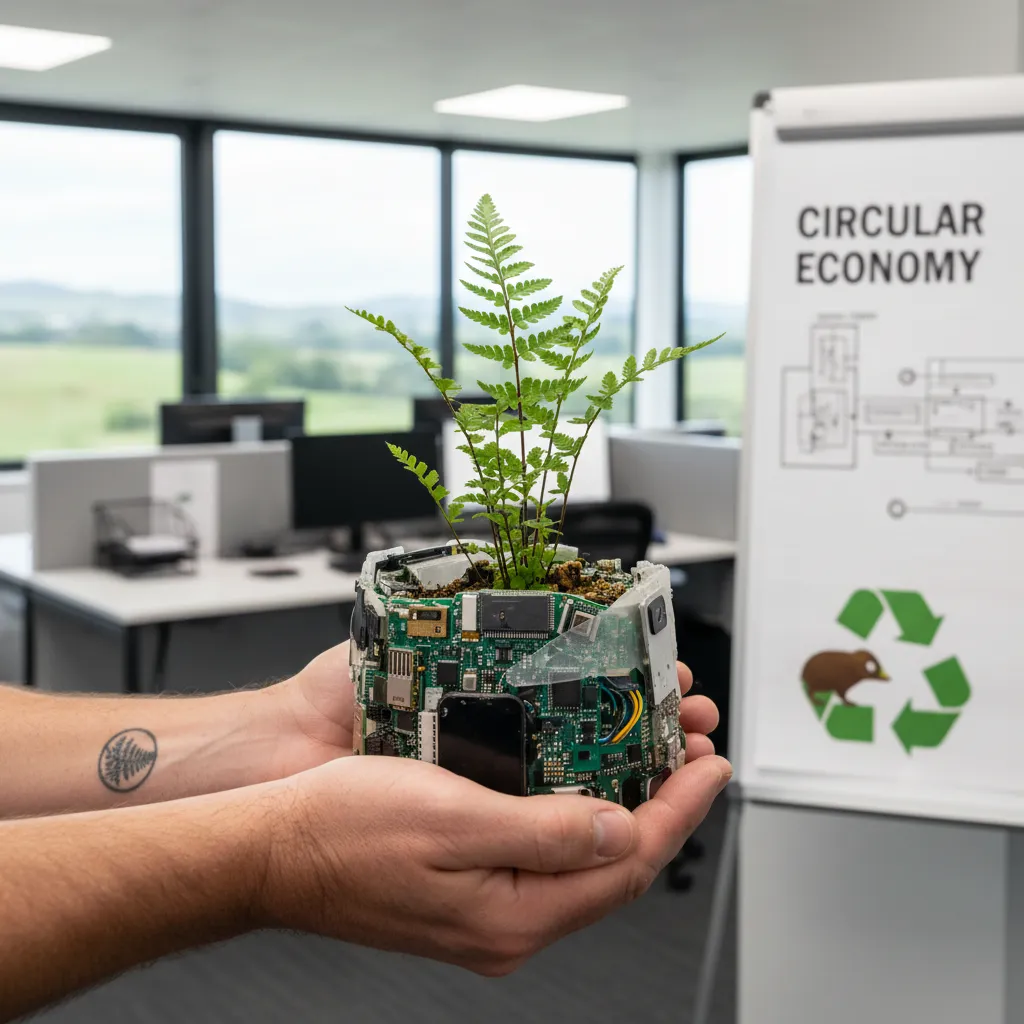
Circular Economy Specialist
What they do: Design strategies to minimise waste and maximise resource efficiency by keeping products and materials in use for as long as possible. This involves redesigning products, business models, and supply chains.
- Key Responsibilities: Product redesign, business model innovation, waste reduction strategies, material flow analysis, stakeholder collaboration.
- Skills/Qualifications: Design thinking, systems thinking, innovation management, knowledge of materials science, project management.
4. Education & Professional Development
To embark on or advance in corporate sustainability careers, education and continuous learning are paramount. The field is evolving rapidly, requiring professionals to stay updated with the latest research, technologies, and regulations.
Academic Pathways
- Undergraduate Degrees: Environmental Science, Sustainable Business, Ecological Economics, Environmental Engineering, Public Policy, Marketing, or Finance with a sustainability focus.
- Postgraduate Degrees: Master’s in Sustainability Management, MBA with a specialisation in Sustainable Business, Master of Environmental Studies, Master of Renewable Energy. Many New Zealand universities now offer strong programmes in these areas.
Professional Certifications & Continuous Learning
- GHG Protocol Certification: For carbon accounting and reporting.
- LEED or Green Star Accreditation: For sustainable building design and construction.
- Circular Economy Practitioner Certification: From organisations like the Ellen MacArthur Foundation.
- CFA ESG Investing Certificate: For finance professionals.
- Online Courses: Platforms like Coursera, edX, and LinkedIn Learning offer numerous courses on specific sustainability topics.
- Industry Workshops & Conferences: Networking and staying current with best practices in New Zealand and globally.

Conclusion: Building a Greener Future, One Career at a Time
The shift towards a sustainable economy is one of the most significant transformations of our time, and corporate sustainability careers are at its very heart. From ensuring ethical supply chains to driving renewable energy projects and guiding responsible investments, these green jobs offer immense opportunities for impact and innovation. New Zealand is a fertile ground for these roles, reflecting a national commitment to environmental stewardship.
“Choosing a path in corporate sustainability isn’t just about finding a job; it’s about becoming an agent of change, contributing to a more resilient, equitable, and flourishing world for future generations.”
As you consider your next career move, remember that the skills you cultivate today will shape the sustainable world of tomorrow. The journey into a green career is not only professionally rewarding but also personally fulfilling, offering the chance to align your work with your values and make a tangible difference.
Frequently Asked Questions (FAQ)
What are the most in-demand corporate sustainability careers in New Zealand?
Currently, roles such as Sustainability Consultant, ESG Analyst, Environmental Manager, and professionals in Renewable Energy and Circular Economy are highly sought after. Demand is also growing for Green Marketing Specialists and Sustainable Finance Professionals as companies focus on both impact and communication.
Do I need a specific degree to get a green job?
While degrees in environmental science, sustainable business, or engineering are highly beneficial, many professionals transition from other fields (e.g., finance, marketing, operations) by acquiring specialised certifications, demonstrating relevant project experience, and developing a strong understanding of sustainability principles. Practical experience and soft skills are often as crucial as academic qualifications.
How important are certifications for corporate sustainability roles?
Certifications can be very important, especially for demonstrating expertise in specific areas like carbon accounting (GHG Protocol), green building (LEED/Green Star), or ESG investing (CFA ESG). They can enhance your resume, provide practical skills, and show a commitment to continuous professional development, making you more competitive in the job market.
What industries are leading the way in hiring for green jobs in New Zealand?
Key industries include renewable energy, sustainable agriculture and food production, eco-tourism, finance (especially sustainable finance), waste management and recycling, and manufacturing embracing circular economy principles. Consulting firms also play a significant role in advising various industries on their sustainability journeys.
References & Sources
- Ministry for the Environment. (2022). Environment Aotearoa 2022: Summary. Retrieved from environment.govt.nz
- Stats NZ. (2023). Environmental economic accounts: 2023. Retrieved from stats.govt.nz
- Climate Change Commission. (2021). Ināia tonu nei: a low emissions future for Aotearoa. Retrieved from climatecommission.govt.nz
- PwC New Zealand. (2022). NZ CEO Survey 2022: Growth, climate and talent challenges. Retrieved from pwc.co.nz
- Ellen MacArthur Foundation. (n.d.). Learn about the circular economy. Retrieved from ellenmacarthurfoundation.org