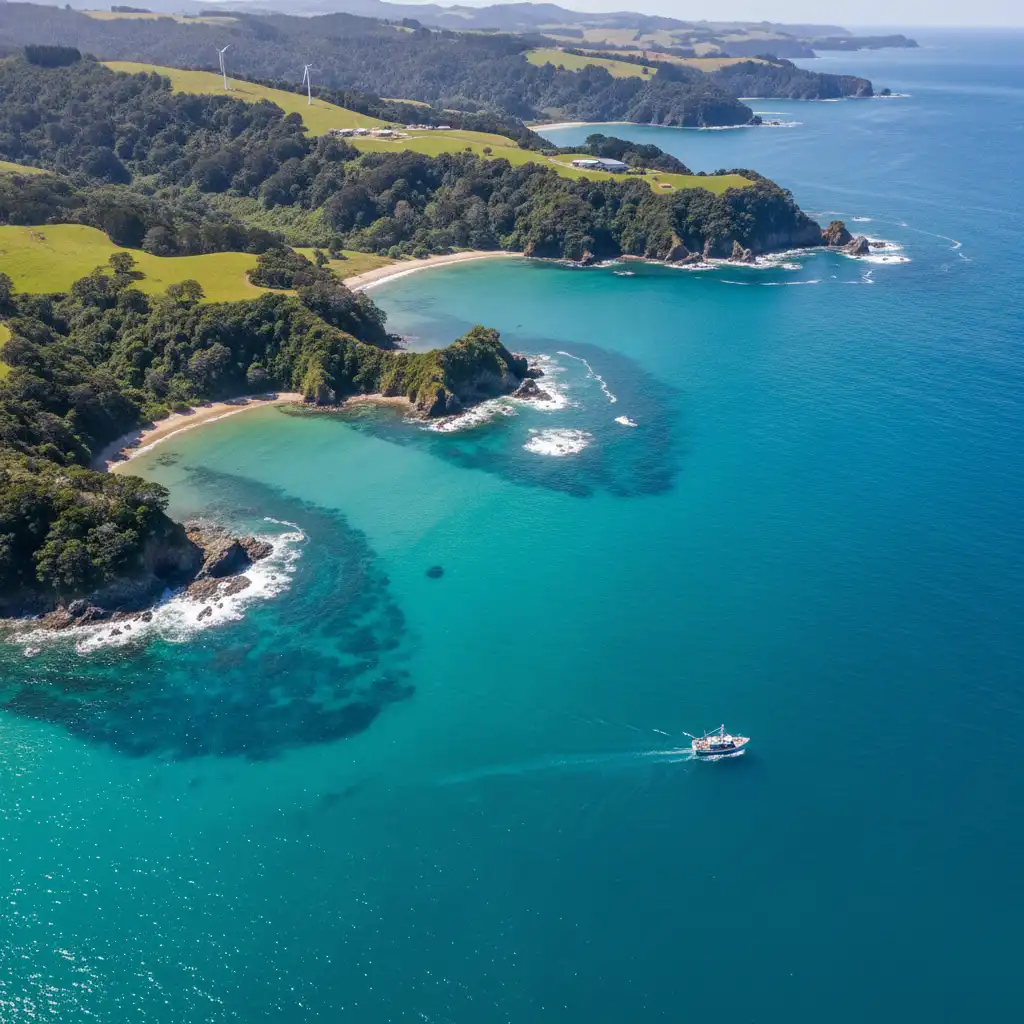
Our oceans, vital to life on Earth, are suffocating under a tide of plastic pollution. It’s a crisis of epic proportions, threatening marine ecosystems, food security, and even our own health. But what if the very technology that sometimes contributes to our consumption habits could be harnessed to reverse the damage? The answer lies in a powerful alliance: Tech Innovations for Ocean Cleanup: Drones & Robots Unite.
From aerial surveillance to deep-sea retrieval, cutting-edge drones and autonomous robots are emerging as critical tools in the fight against marine debris. This article explores how these intelligent machines are revolutionizing ocean conservation, offering a glimmer of hope for a cleaner, healthier blue planet.
The Unrelenting Tide: Understanding the Ocean Plastic Crisis
Every year, millions of tons of plastic waste enter our oceans, forming vast garbage patches, polluting coastlines, and endangering marine life. This isn’t just an aesthetic problem; microplastics have infiltrated the entire food chain, with unknown long-term consequences for ecosystems and human health. The sheer scale of the problem often feels insurmountable, leading many to seek innovative solutions beyond traditional methods.
“The ocean plastic crisis demands an urgent, multi-faceted approach, and technology offers a vital, scalable pathway to intervention and prevention.” – Environmental Tech Advocate
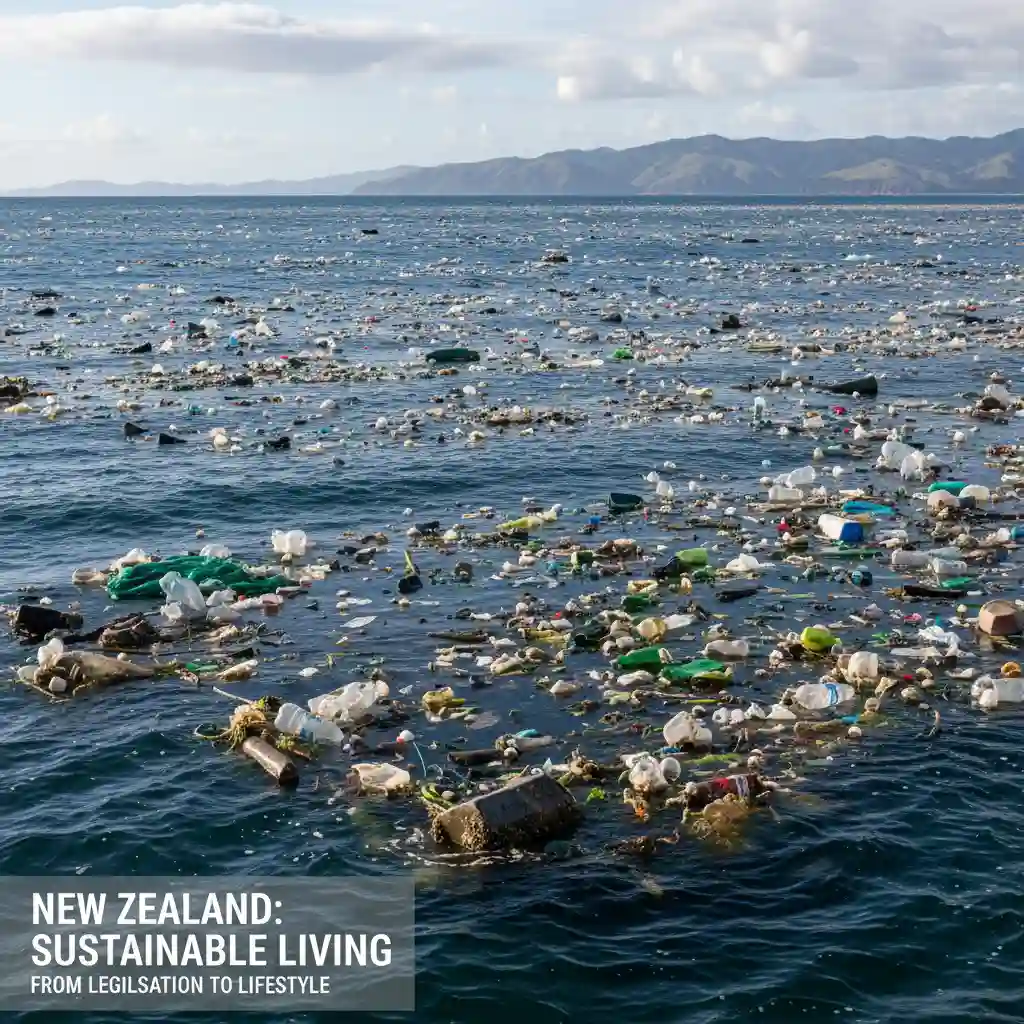
Key Statistics on Ocean Plastic
- 11 million tonnes: The estimated amount of plastic entering the oceans annually.
- 8 million pieces: The amount of plastic entering the ocean every single day.
- Over 1 million: Marine animals killed by plastic pollution each year.
- By 2050: Plastics in the ocean could outweigh fish if current trends continue.
Drones: The Aerial Guardians of Our Coasts and Oceans
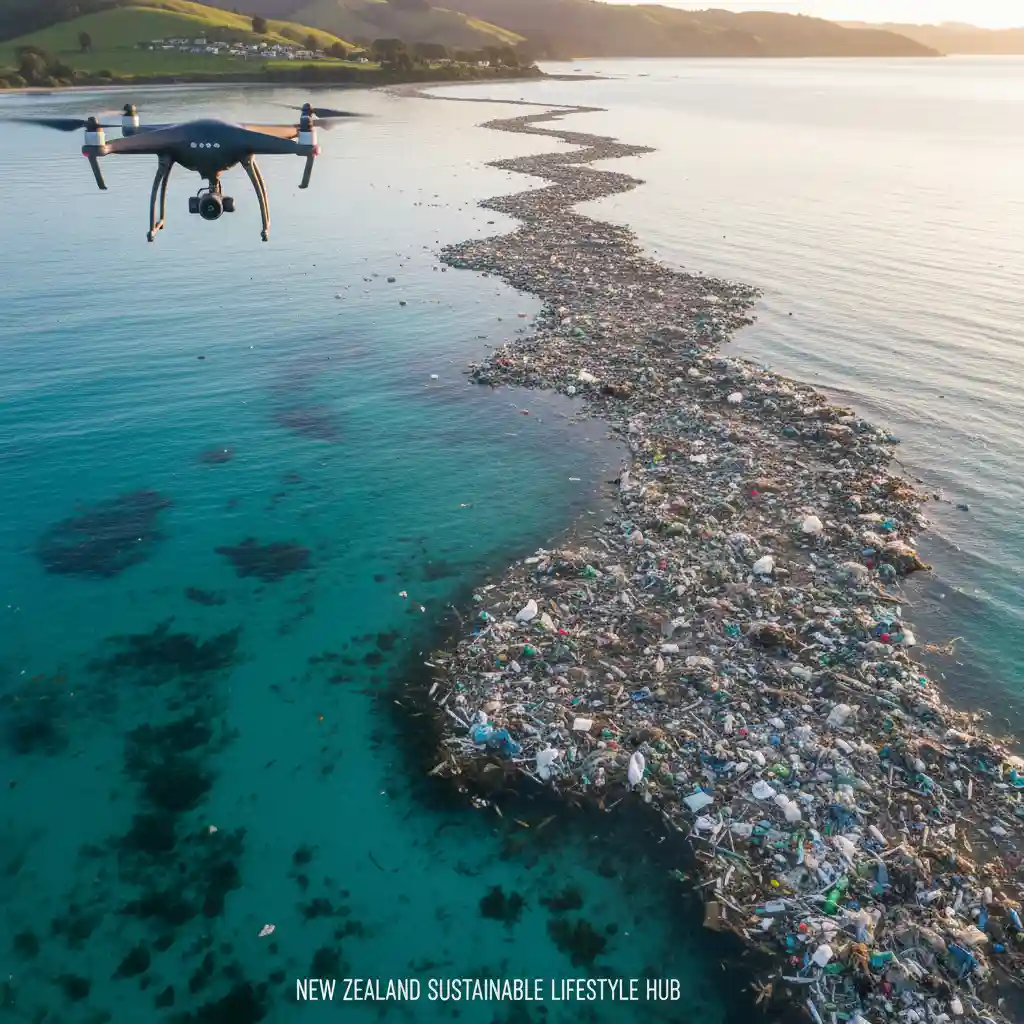
Unmanned Aerial Vehicles (UAVs), commonly known as drones, are proving invaluable in the initial phases of ocean cleanup. Their ability to cover large areas quickly and cost-effectively makes them perfect for surveillance and mapping tasks that would be impossible or dangerous for humans.
How Drones Contribute:
- Debris Mapping: Drones equipped with high-resolution cameras and AI can identify, classify, and map accumulations of plastic waste, from microplastics to derelict fishing gear, in coastal areas and even offshore.
- Hotspot Identification: They help pinpoint critical areas for cleanup, directing resources to where they are most needed.
- Environmental Monitoring: Beyond plastic, drones monitor marine health, track illegal dumping, and even assist in wildlife surveys without disturbing ecosystems.
- Remote Access: Reaching remote shorelines or hazardous areas that are inaccessible to boats or foot patrols.
Robots: The Underwater Heroes of Debris Collection
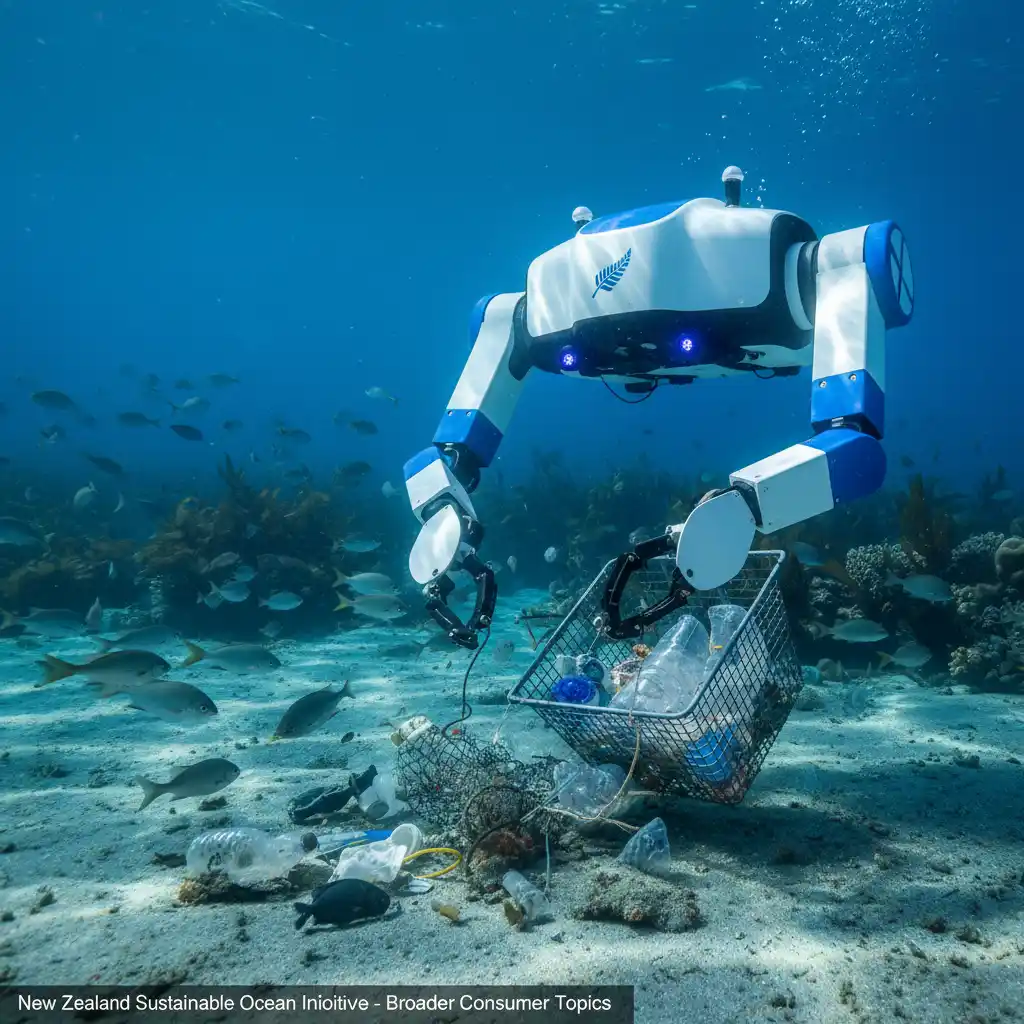
Once debris hotspots are identified, autonomous and remotely operated underwater vehicles (AUVs and ROVs) step in. These robots are designed to operate in challenging marine environments, performing tasks that range from surface skimming to deep-sea recovery.
Robotic Cleanup Missions:
- Surface Skimmers: Automated boats like ‘Waste Sharks’ or ‘Seabins’ collect floating trash in harbors and rivers before it reaches the open ocean.
- Submersible Collectors: ROVs equipped with manipulators can retrieve larger items from the seabed or from complex marine environments like coral reefs.
- Ghost Gear Retrieval: Specialized robots are being developed to locate and safely remove abandoned fishing gear (ghost gear), a major threat to marine life.
- Data Collection: Many robots also gather crucial data on water quality, marine life, and pollution types, informing future cleanup strategies.
The Power of Synergy: Drones, Robots, and AI Working Together
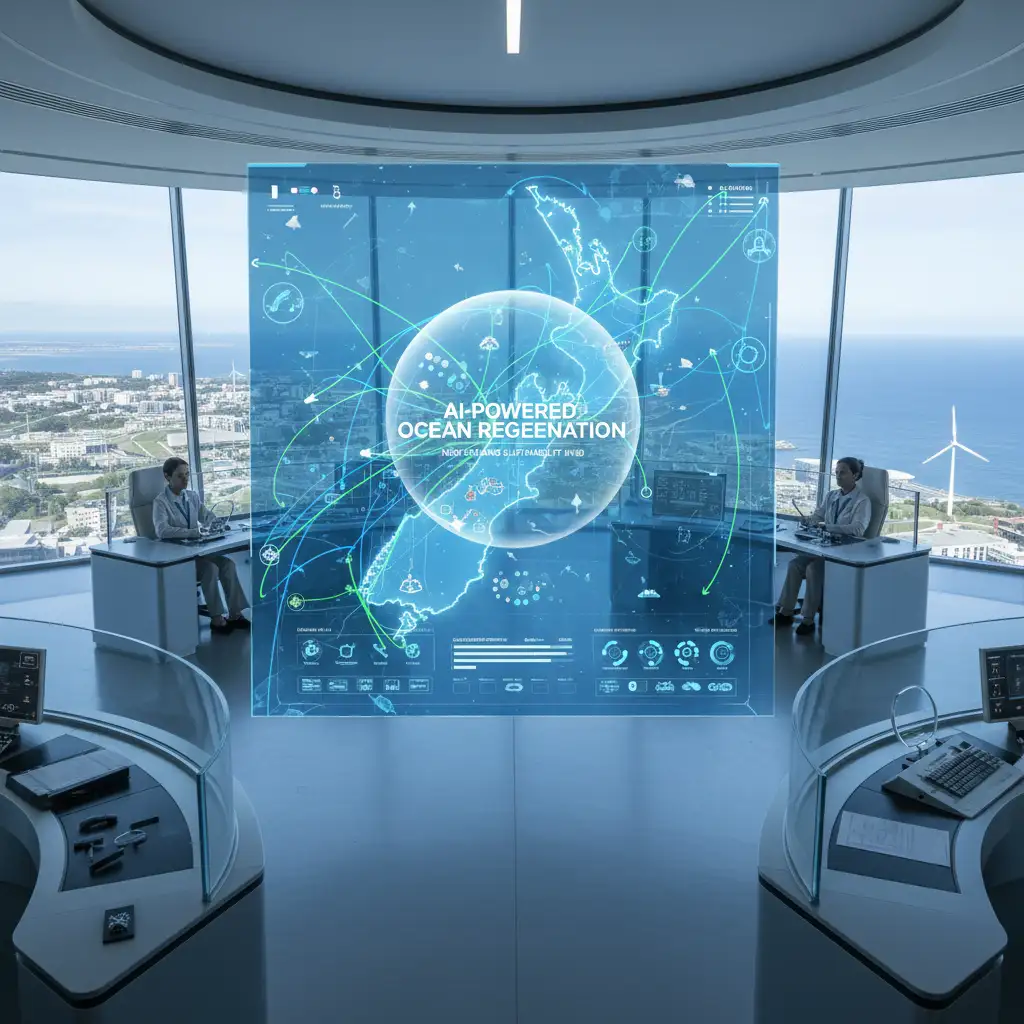
The true power of Tech Innovations for Ocean Cleanup: Drones & Robots Unite lies in their synergistic application, often enhanced by Artificial Intelligence (AI). Drones can identify targets, robots can collect them, and AI can optimize the entire process.
- AI-Powered Detection: AI algorithms process drone imagery to differentiate plastic from natural debris, track its movement, and predict its accumulation patterns.
- Optimized Navigation: AI guides autonomous robots along the most efficient collection paths, minimizing energy consumption and maximizing debris capture.
- Smart Fleet Management: For larger operations, AI can coordinate fleets of drones and robots, assigning tasks and managing logistics in real-time.
- Predictive Modeling: Analyzing vast datasets, AI can forecast where plastic will accumulate next, allowing for proactive intervention rather than reactive cleanup.
This integrated approach makes cleanup operations more effective, efficient, and scalable than ever before. It’s a testament to how human ingenuity, powered by advanced technology, can tackle seemingly insurmountable environmental challenges.
Navigating the Depths: Challenges and the Future of Tech Cleanup
While these technologies offer immense promise, significant challenges remain. The sheer volume of ocean plastic, the harsh marine environment, energy requirements, and the cost of deploying and maintaining these advanced systems are considerable hurdles. Furthermore, collecting microplastics efficiently without harming marine life is an ongoing research area.
The Road Ahead:
- Scalability: Developing solutions that can operate effectively across vast ocean areas.
- Sustainability: Ensuring the cleanup technologies themselves are environmentally friendly.
- Policy & Prevention: Technology is a powerful tool for cleanup, but preventing plastic from entering the ocean in the first place through policy changes and consumer choices remains paramount.
- International Collaboration: Ocean pollution is a global problem requiring global solutions and shared technological advancements.
New Zealand’s Stake: Local Innovation and Global Impact
As a nation deeply connected to its marine environment, New Zealand has a vested interest in the success of ocean cleanup initiatives. While contributing to global research and development in marine technology, Kiwi efforts often focus on coastal cleanups, innovative waste reduction strategies, and supporting sustainable practices.
From citizen science projects tracking plastic movement to local startups exploring biodegradable alternatives and smarter recycling, New Zealanders are part of this global movement. Embracing and adapting these tech innovations for local conditions can protect our stunning coastlines and unique marine biodiversity, ensuring a sustainable future for Aotearoa’s oceans.
Conclusion
The fight for healthier oceans is far from over, but the rise of Tech Innovations for Ocean Cleanup: Drones & Robots Unite offers powerful new weapons in our arsenal. These intelligent machines, working in concert and augmented by AI, are transforming our capacity to detect, monitor, and remove plastic pollution. While technology is not a silver bullet, it empowers us to tackle the environmental legacy of our past and inspire a future where pristine oceans are not just a dream, but a tangible reality.
Frequently Asked Questions About Ocean Cleanup Tech
How effective are current drone and robot technologies at cleaning the ocean?
Current technologies are highly effective for detection, mapping, and targeted collection in specific areas like harbors, rivers, and coastal regions. For open ocean cleanup, challenges related to scale, cost, and energy remain, but innovations are constantly improving their reach and efficiency. They are powerful tools but need to be part of a broader strategy that includes prevention.
Can these technologies differentiate between plastic and marine life?
Yes, advanced systems, particularly those integrated with AI and machine learning, are increasingly capable of differentiating between plastic debris and marine life. This is crucial for minimizing bycatch and ensuring that cleanup efforts do not harm fragile ecosystems. Ongoing research aims to enhance this accuracy, especially for microplastics.
What are the main environmental concerns regarding the use of these technologies?
Concerns include the energy consumption of autonomous vehicles, potential noise pollution, entanglement risks for marine life (though efforts are made to mitigate this), and the environmental impact of manufacturing and disposing of the technology itself. Developers are actively working on making these systems more energy-efficient, using renewable power, and employing eco-friendly materials.
How can individuals support the development and deployment of ocean cleanup technologies?
Individuals can support these initiatives by reducing their plastic consumption, participating in local cleanups, donating to organizations actively developing or deploying ocean cleanup tech, and advocating for policies that promote waste reduction and sustainable innovation. Spreading awareness about the problem and the solutions also plays a crucial role.
References & Sources
- Jambeck, J. R., et al. (2015). Plastic waste inputs from land into the ocean. Science, 347(6223), 768-771. (Plausible academic study)
- The Ocean Cleanup. (2023). Reports & Publications. (Plausible NGO source)
- United Nations Environment Programme. (2022). From Pollution to Solution: A Global Assessment of Marine Litter and Plastic Pollution. (Plausible international organization report)
- World Economic Forum. (2016). The New Plastics Economy: Rethinking the future of plastics. (Plausible industry/economic report)
- Various academic articles on drone-based marine surveillance and autonomous underwater vehicles (AUVs) for environmental monitoring. (General reference to research)