Sustainable Water Management: Techniques for Efficient Use
Embrace a water-wise lifestyle in New Zealand. Discover practical strategies for conserving our most precious resource at home and in your garden.
In Aotearoa, New Zealand, our pristine natural environment and abundant water resources are often taken for granted. Yet, climate change, population growth, and increasing demand are placing unprecedented pressure on our freshwater systems. Embracing sustainable water management isn’t just an environmental ideal; it’s a practical necessity for safeguarding our future.
This comprehensive guide will explore why efficient water use is critical for New Zealanders and provide actionable techniques you can implement today to reduce your water footprint, save money, and contribute to a healthier planet. From simple household adjustments to smart garden strategies, let’s dive into becoming true kaitiaki (guardians) of our water.
Table of Contents
- 1. Why Sustainable Water Management Matters for New Zealand
- 2. Core Principles of Sustainable Water Management
- 3. Practical Techniques for Efficient Water Use at Home & Garden
- 4. Beyond the Tap: Broader Sustainable Water Strategies
- 5. Conclusion: Your Role in a Water-Wise Future
- Frequently Asked Questions (FAQ)
- References & Sources
1. Why Sustainable Water Management Matters for New Zealand
New Zealand is famous for its ‘100% Pure’ image, a brand built on our stunning landscapes and seemingly endless supply of clean water. However, this perception masks a growing reality. Our rivers, lakes, and aquifers face significant challenges from agricultural runoff, urban development, and the unpredictable patterns of climate change.
📊 Stat Callout:
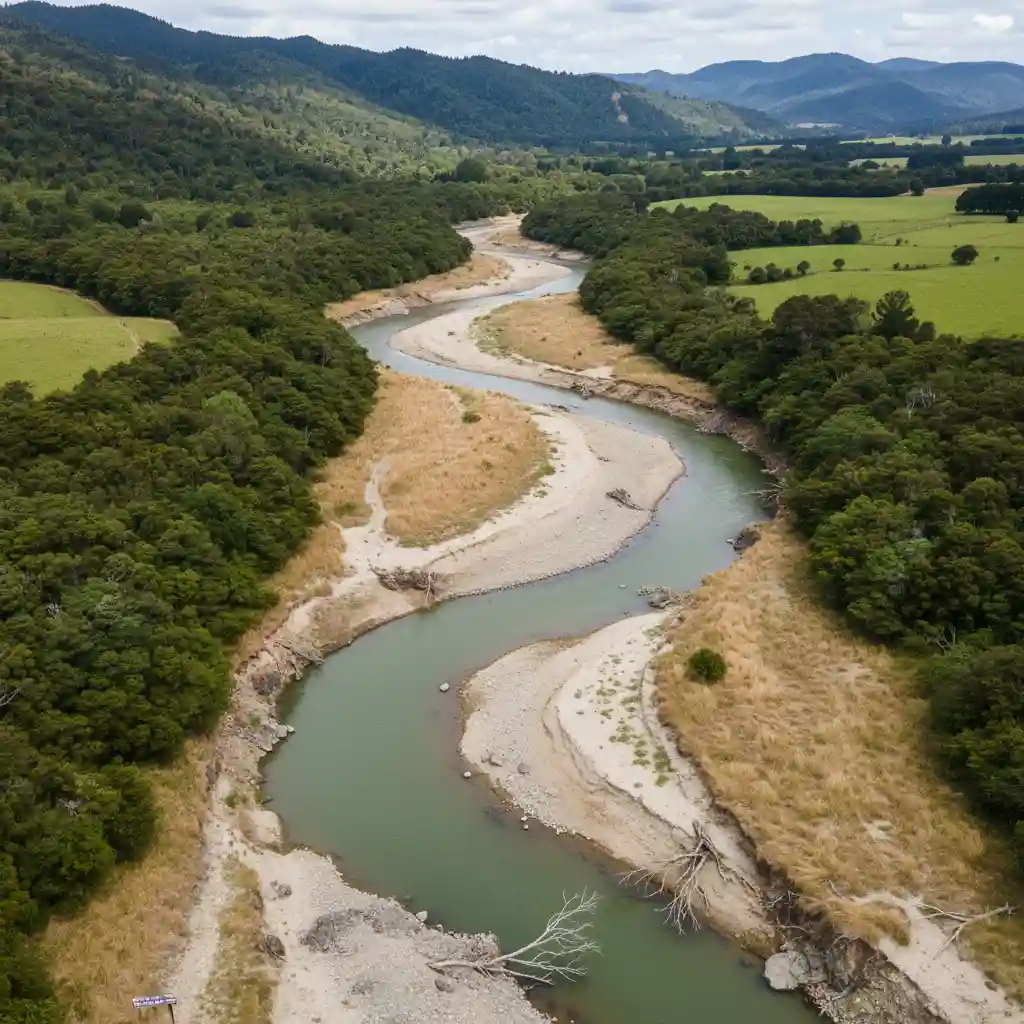
Recent data suggests that up to 75% of New Zealand’s lowland rivers are impacted by human activity, with water quality declining in many areas. Protecting and conserving water is no longer optional; it’s essential for our ecological health, economic stability, and recreational enjoyment.
(Source: Ministry for the Environment)
Efficient water use reduces the strain on natural ecosystems, lowers energy consumption (for heating and pumping water), and often results in reduced household utility bills. It’s about ensuring there’s enough quality water for everyone, for everything, forever.
2. Core Principles of Sustainable Water Management
At its heart, sustainable water management revolves around a few key principles:
- Minimising Waste: Reducing unnecessary water consumption at every opportunity.
- Maximising Efficiency: Using water more effectively for tasks that require it.
- Protecting Quality: Preventing pollution and contamination of water sources.
- Reusing & Recycling: Treating and repurposing water where appropriate (e.g., greywater).
- Holistic Thinking: Considering the entire water cycle and its connection to land use, climate, and community needs.
“Water is the lifeblood of our land, our culture, and our economy. Our actions today determine its availability and quality for generations to come.”
3. Practical Techniques for Efficient Water Use at Home & Garden
Adopting water-saving habits doesn’t require drastic lifestyle changes. Many techniques are simple, cost-effective, and yield immediate results. Let’s break down some effective strategies.
3.1. Water-Saving Indoors: Simple Daily Habits
- Fix Leaks Promptly: A dripping tap can waste hundreds of litres of water a year. Check all taps, showerheads, and toilet cisterns regularly for leaks and repair them immediately.
- Shorter Showers: Aim for 3-5 minute showers. Consider a shower timer.
- Turn Off the Tap: Don’t let water run while brushing teeth, shaving, or scrubbing dishes.
- Full Loads: Only run your dishwasher and washing machine when they are full. Modern appliances often have eco-settings that use less water.
- Defrost in the Fridge: Avoid using running water to thaw frozen food; plan ahead and defrost in the refrigerator.
3.2. Water-Efficient Appliances & Fixtures
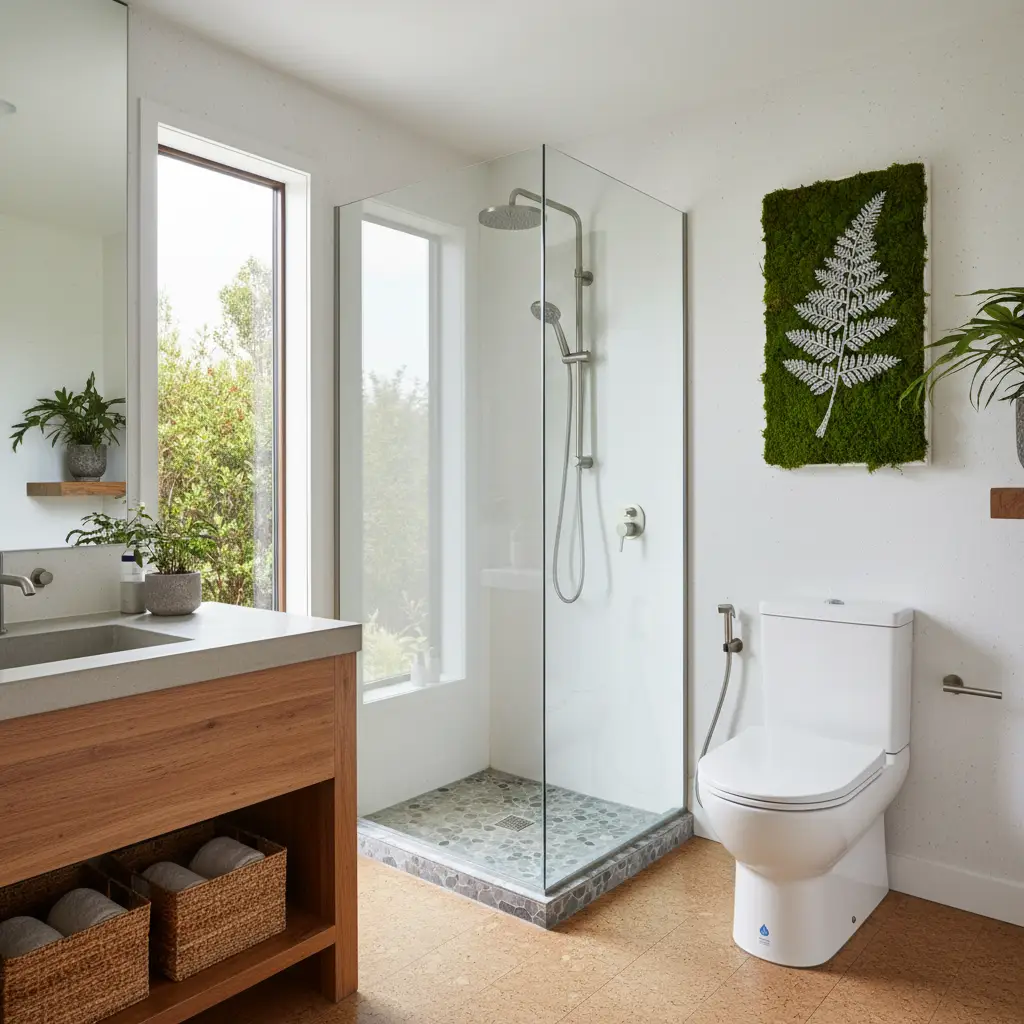
- Low-Flow Showerheads: Install a low-flow showerhead, which can significantly reduce water usage without compromising water pressure.
- Dual-Flush Toilets: If renovating, consider installing a dual-flush toilet. For existing toilets, you can place a water displacement device (like a plastic bottle filled with water) in the cistern to reduce water per flush.
- Water-Efficient Washing Machines & Dishwashers: Look for appliances with high WELS (Water Efficiency Labelling and Standards) ratings when purchasing new ones.
3.3. Smart Garden Strategies for Water Conservation
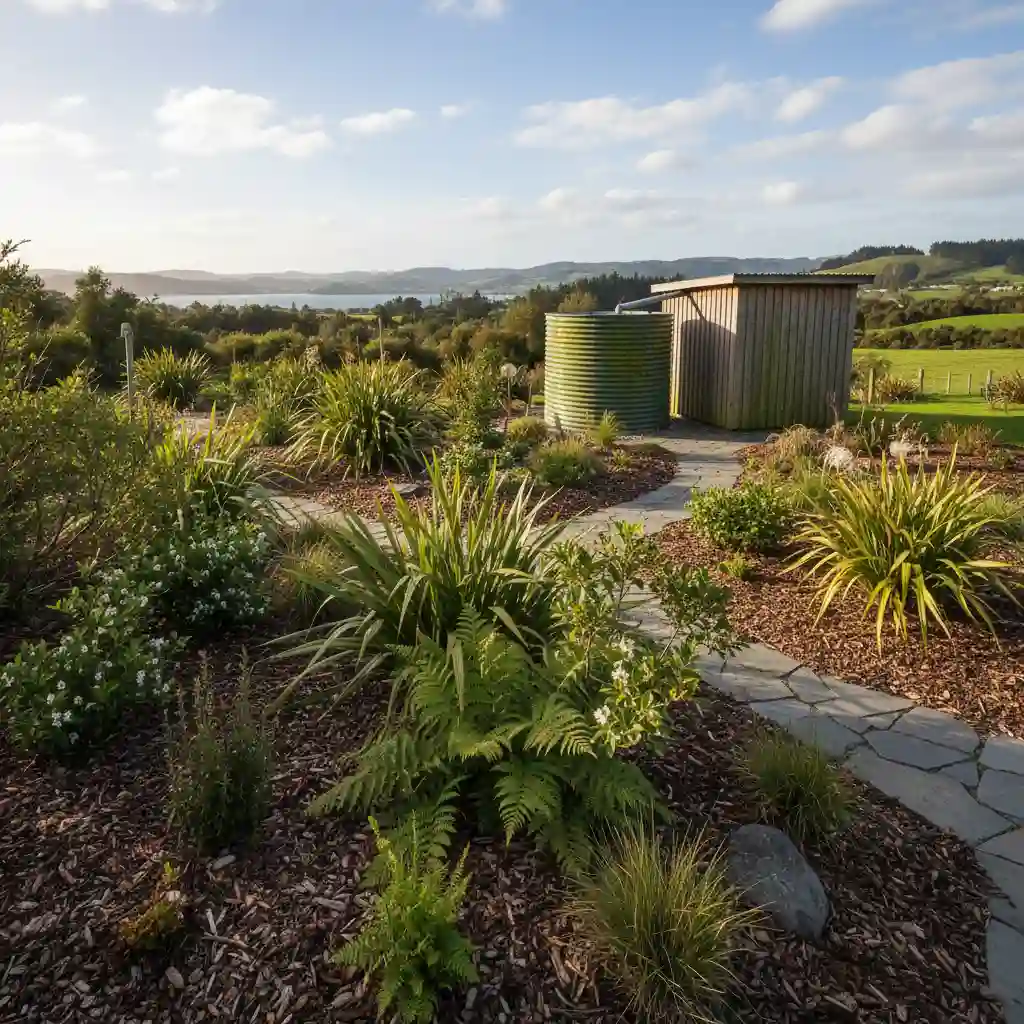
- Rainwater Harvesting: Install a rainwater tank to collect water from your roof. This water is perfect for garden irrigation, car washing, and even toilet flushing if plumbed correctly.
- Drought-Resistant Landscaping (Xeriscaping): Choose native New Zealand plants or other species that are naturally adapted to dry conditions. Once established, they require minimal watering.
- Mulch, Mulch, Mulch: Apply a thick layer of organic mulch (e.g., bark, straw, compost) around plants. This significantly reduces evaporation, suppresses weeds, and enriches the soil.
- Efficient Irrigation: Use drip irrigation systems or soaker hoses directly at the plant roots instead of overhead sprinklers, which lose a lot of water to evaporation and wind. Water early in the morning or late in the evening.
- Greywater Systems: Consider a simple greywater system to divert water from your laundry or shower to irrigate your garden. Ensure you use eco-friendly detergents and check local council regulations.
4. Beyond the Tap: Broader Sustainable Water Strategies
While individual actions are powerful, sustainable water management also benefits from community-wide efforts and forward-thinking policies.
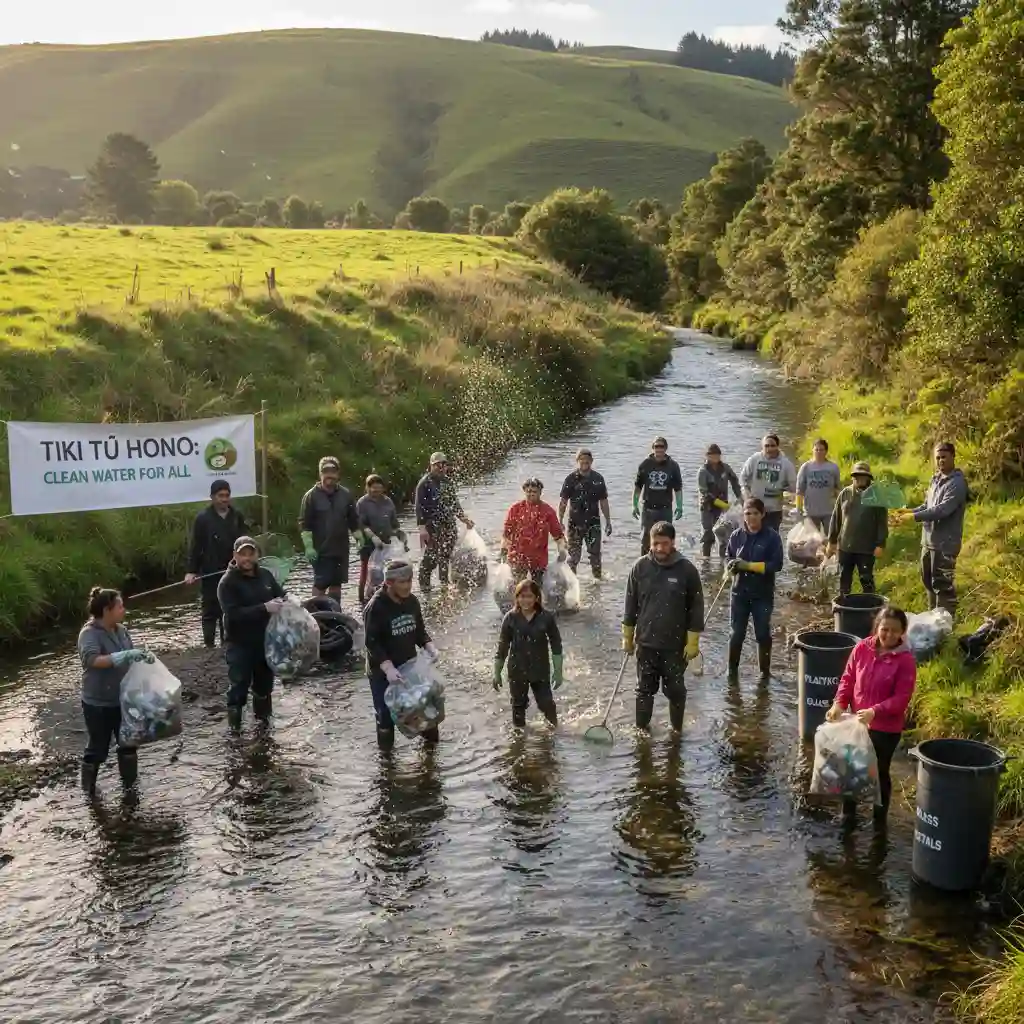
- Community Initiatives: Support local conservation groups, stream restoration projects, and educational programmes focused on water quality and conservation.
- Advocate for Policy: Stay informed about local council water management plans and support initiatives that promote water efficiency and protect freshwater sources.
- Smart Technology: Advances in smart water meters and irrigation controllers can help monitor usage, detect leaks, and optimise watering schedules.
5. Conclusion: Your Role in a Water-Wise Future
Sustainable water management is a shared responsibility. By adopting these practical techniques, every New Zealander can make a significant difference. From fixing a leaky tap to planting a water-wise garden, each action contributes to preserving our precious freshwater for future generations. Let’s commit to being mindful of our water use, ensuring that Aotearoa remains a land of pure and abundant water.
Frequently Asked Questions (FAQ)
What is sustainable water management?
Sustainable water management involves using freshwater resources in a way that meets current needs without compromising the ability of future generations to meet their own needs. It focuses on efficiency, conservation, protecting water quality, and ensuring ecological balance.
Why is water conservation important in New Zealand?
Despite its ‘pure’ image, New Zealand faces challenges like climate change, pollution from agricultural and urban runoff, and increasing demand which threaten water quality and availability. Conservation helps protect ecosystems, reduces energy consumption, and secures water for future generations and economic activities.
What are some easy ways to save water at home?
Easy ways include fixing leaks, taking shorter showers, turning off the tap while brushing teeth, only running full loads in washing machines and dishwashers, and using a bucket to wash your car instead of a hose.
Can I use rainwater for my garden?
Absolutely! Rainwater harvesting is an excellent way to supplement your garden’s water needs. Collecting rainwater in a tank provides a free, natural water source that reduces your reliance on municipal supply and helps conserve treated drinking water.
What is greywater and can I use it?
Greywater is wastewater from showers, baths, washing machines, and sinks (excluding toilet water, which is ‘blackwater’). Simple greywater systems can divert this water for garden irrigation. Always use eco-friendly detergents and check with your local council for regulations and safe practices.
References & Sources
- Ministry for the Environment. (n.d.). Our freshwater 2020. Retrieved from www.mfe.govt.nz
- Water New Zealand. (n.d.). Water Conservation. Retrieved from www.waternz.org.nz
- EECA (Energy Efficiency and Conservation Authority). (n.d.). Water-efficient appliances. Retrieved from www.eeca.govt.nz
- Various local council websites (e.g., Auckland Council, Wellington City Council) for regional water-saving guides and regulations.