Sustainable Agriculture in New Zealand: Uniting Food and Nature
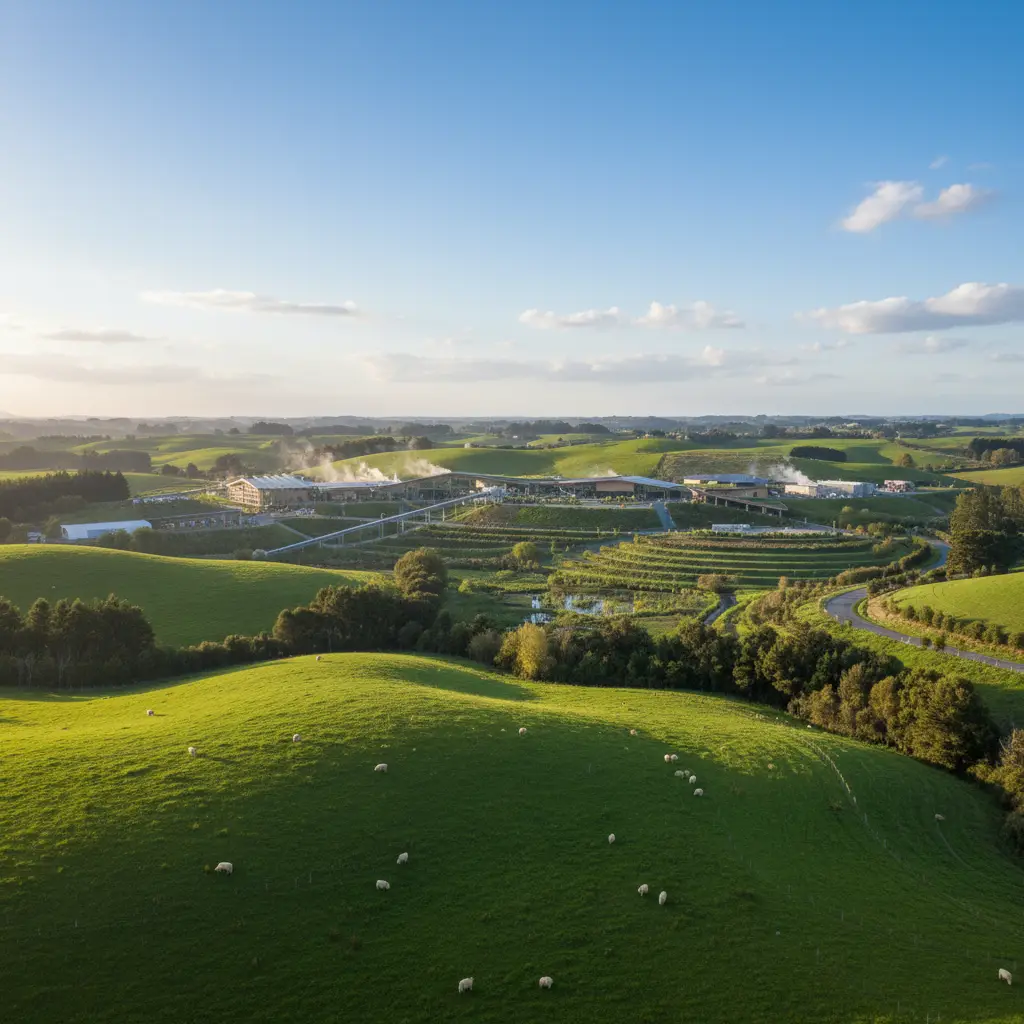
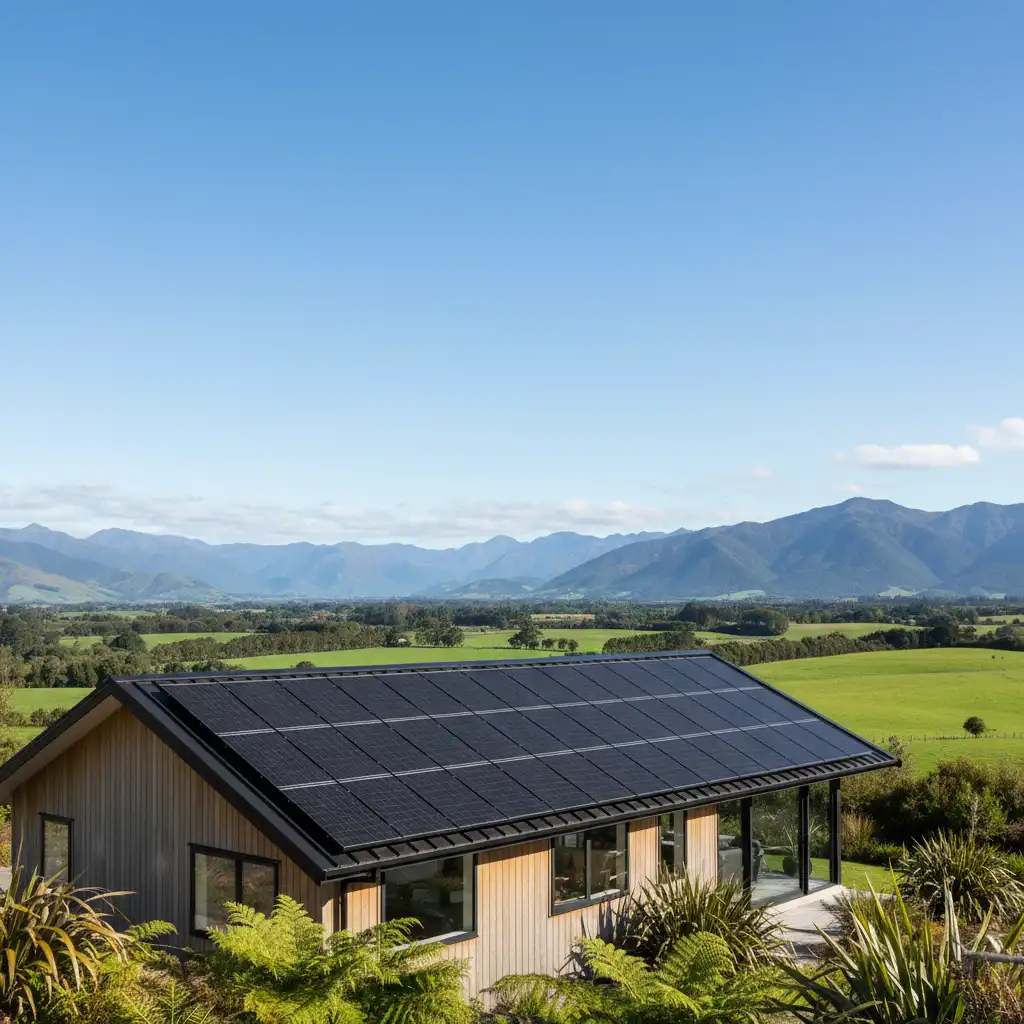
New Zealand, a nation celebrated for its pristine landscapes and vibrant natural heritage, faces a pivotal challenge: feeding a growing population while safeguarding its unique environment. At the heart of this challenge lies the transformation of our food systems, particularly through the adoption of sustainable agriculture in New Zealand. It’s more than just a farming technique; it’s a philosophy that seeks to harmonise food production with ecological health, ensuring prosperity for both people and planet.
As a country transitioning towards a broader sustainable lifestyle, understanding the nuances of sustainable agriculture is crucial. This article delves into how Aotearoa is pioneering practices that protect our soil, water, and biodiversity, driving a future where agriculture enriches rather than depletes our natural resources. Join us as we explore the innovative approaches uniting food production with environmental stewardship across the land of the long white cloud.
Why Sustainable Agriculture Matters for NZ
New Zealand’s economy has long been underpinned by its primary sector, particularly agriculture. However, traditional farming methods have often come with significant environmental costs, including greenhouse gas emissions, water pollution, and biodiversity loss. The shift towards sustainable agriculture in New Zealand is not merely an ethical choice; it’s an economic and ecological imperative for the nation’s long-term well-being.
Environmental Imperatives
Our unique ecosystems are fragile. Intensive farming practices have contributed to challenges such as nitrate leaching into waterways, soil erosion, and impacts on native flora and fauna. Sustainable agriculture offers solutions by promoting practices that enhance natural capital rather than depleting it. This includes reducing chemical inputs, improving soil health, and minimising the carbon footprint of food production.

Economic Resilience
Beyond environmental benefits, sustainability offers significant economic advantages. Consumers globally are increasingly demanding ethically and sustainably produced food. New Zealand, with its ‘clean green’ image, is uniquely positioned to lead in this space. By adopting sustainable practices, farmers can command premium prices, access new markets, and build a more resilient agricultural sector less dependent on costly external inputs.
STAT CALLOUT: New Zealand’s red meat and dairy sectors alone account for over 50% of the country’s goods exports, making sustainable practices critical for national economic stability and global reputation.
Key Principles and Practices in Sustainable Agriculture
The journey towards sustainable agriculture in New Zealand encompasses a variety of innovative techniques and philosophies, all striving for a more balanced relationship with nature. Here are some of the cornerstone approaches:
Regenerative Farming: Healing the Land
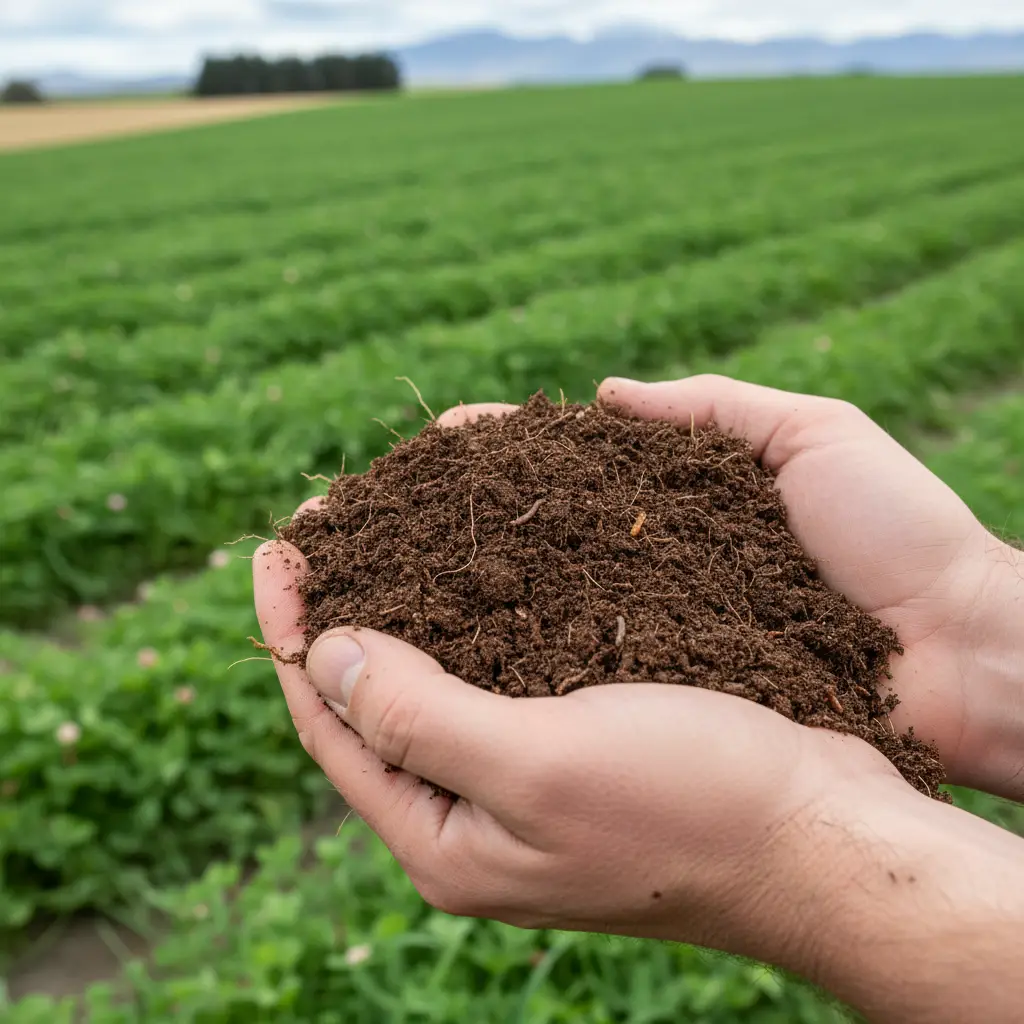
Regenerative agriculture is gaining significant traction. It focuses on restoring and enhancing ecosystems, prioritising soil health through practices like minimal tillage, cover cropping, diverse crop rotations, and integrating livestock. The aim is to increase biodiversity, improve the water cycle, and capture atmospheric carbon in the soil, effectively turning farms into carbon sinks.
Organic and Biodynamic Methods
Organic farming strictly avoids synthetic pesticides, herbicides, GMOs, and artificial fertilisers, relying instead on natural processes like composting and biological pest control. Biodynamic farming takes this a step further, viewing the farm as a single, self-sustaining organism and incorporating astrological influences into planting and harvesting schedules. Both approaches are vital components of sustainable food systems in New Zealand.
Water and Soil Management
Given New Zealand’s abundant rainfall but also susceptibility to droughts, efficient water use is critical. This includes precision irrigation, rainwater harvesting, and riparian planting to protect waterways from agricultural runoff. Concurrently, comprehensive soil testing, nutrient management plans, and erosion control measures are essential for maintaining the land’s long-term fertility and productivity.
Biodiversity and Ecosystem Health
A biodiverse farm is a resilient farm. Encouraging beneficial insects, pollinators, and native birdlife through habitat creation – such as shelterbelts, wetlands, and native plantings – reduces reliance on chemical controls and fosters a healthy ecosystem. This holistic view is fundamental to the long-term success of sustainable agriculture in New Zealand.
“The health of soil, plant, animal and man is one and indivisible.” – Sir Albert Howard, pioneer of the organic movement. This sentiment perfectly encapsulates the integrated vision of sustainable agriculture in Aotearoa.
Challenges and Opportunities
While the benefits are clear, the transition to widespread sustainable practices is not without its hurdles. However, each challenge also presents a unique opportunity for innovation and growth.

Farmer Adoption and Support
Moving away from established practices requires investment, knowledge, and courage. Government initiatives, industry bodies, and research institutions play a vital role in providing financial incentives, training, and robust scientific evidence to support farmers in making this transition. Peer-to-peer learning and success stories are also incredibly powerful.
Consumer Demand and Education
Ultimately, consumer choices drive market change. Educating New Zealanders about the benefits of sustainably produced food – for their health, local communities, and the environment – creates a strong demand signal that incentivises farmers. Clear labelling and transparency in supply chains empower consumers to make informed decisions.
STAT CALLOUT: Research indicates a growing willingness among New Zealand consumers to pay more for products with proven sustainable credentials, signalling a strong market opportunity for eco-conscious producers.
The Future of Food in Aotearoa
The future of sustainable agriculture in New Zealand is bright, built on a foundation of innovation, collaboration, and a deep respect for the land. As the world grapples with climate change and food security, New Zealand has the potential to become a global leader in sustainable food production, showcasing how a nation can feed itself and the world while enhancing its natural environment.
Frequently Asked Questions (FAQs)
What is sustainable agriculture?
Sustainable agriculture refers to farming methods that are environmentally sound, economically viable, and socially just. It aims to meet the needs of the present without compromising the ability of future generations to meet their own needs, focusing on long-term ecological balance and productivity.
How does regenerative farming differ from organic farming?
While both avoid synthetic chemicals, organic farming focuses on ‘doing no harm’ and adhering to certification standards for inputs. Regenerative farming goes further, aiming to actively improve and restore the ecosystem – particularly soil health – through practices like minimal tillage, cover cropping, and diverse rotations, often exceeding organic standards in its ecological ambitions.
What role do consumers play in supporting sustainable agriculture in New Zealand?
Consumers play a crucial role by choosing products from sustainable farms, supporting local producers, asking questions about farming practices, and advocating for policies that promote environmental stewardship in agriculture. Their demand creates a market for sustainably produced food.
Are sustainable farming practices more expensive?
Initially, transitioning to sustainable practices can involve upfront costs for new equipment or training. However, in the long term, these practices often lead to reduced input costs (fewer fertilisers, pesticides), improved soil fertility, increased resilience to climate change, and potentially higher market value for products, making them economically competitive and often more profitable over time.
References/Sources
- Ministry for Primary Industries (MPI) – Sustainable Food & Fibre Futures. (www.mpi.govt.nz)
- Beef + Lamb New Zealand – Environmental Initiatives. (www.beeflambnz.com)
- Organic Winegrowers New Zealand (OWNZ) – About Organic and Biodynamic Farming. (www.organicwinegrowers.co.nz)
- Our Land and Water National Science Challenge – Research on Sustainable Land Use. (www.ourlandandwater.nz)
- Lincoln University – Centre for Viticulture and Oenology Research. (www.lincoln.ac.nz)