Setting Measurable Sustainability Goals & KPIs for a Greener New Zealand
Transitioning towards a truly sustainable lifestyle requires clarity, commitment, and, most importantly, measurability. Discover how to effectively define and track your environmental and social impact.
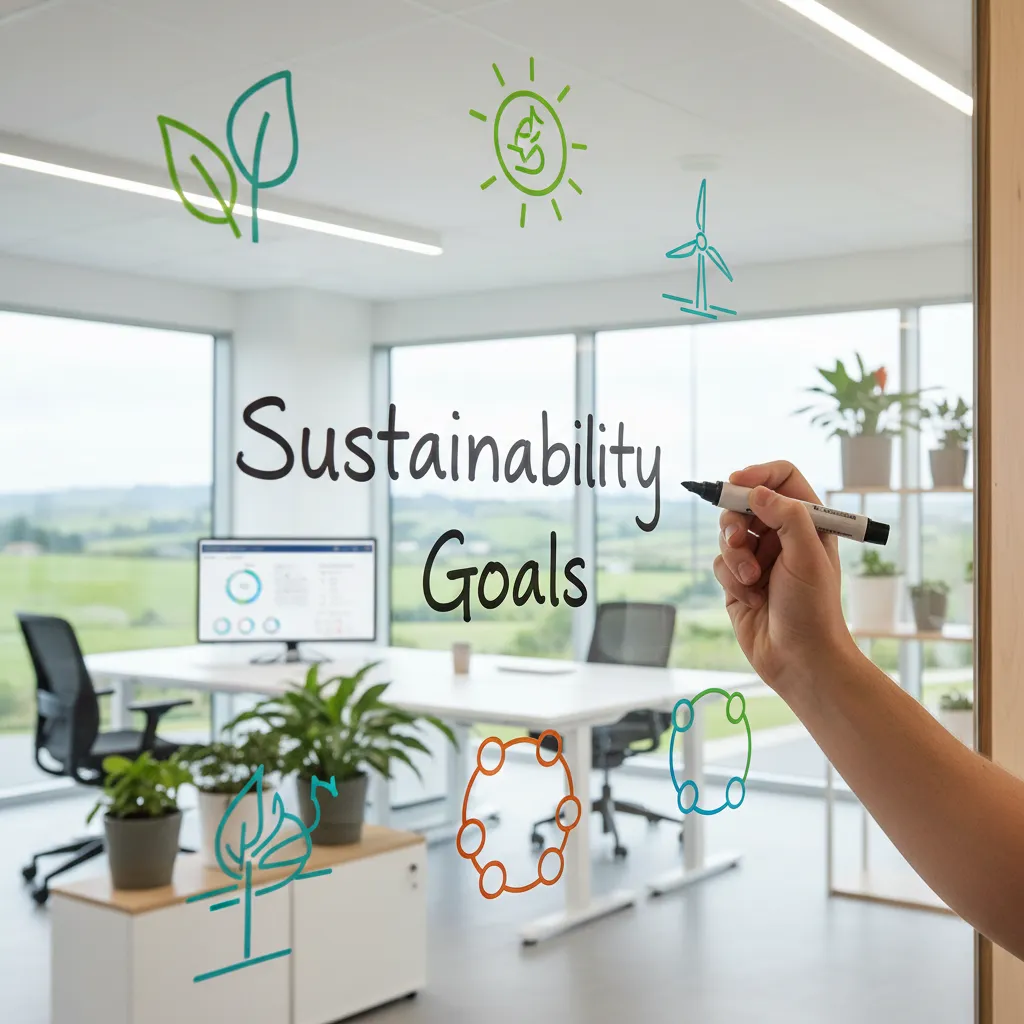
Introduction: The Power of Purposeful Action
In an era where environmental consciousness is no longer a niche interest but a global imperative, individuals and organisations alike are recognising the urgent need to adopt sustainable practices. For New Zealanders, this commitment resonates deeply with our kaitiakitanga (guardianship) principles and our stunning natural environment.
However, simply ‘wanting to be more sustainable’ isn’t enough. True progress comes from setting measurable sustainability goals & KPIs. Without clear targets and a way to track your performance, efforts can be diffuse, difficult to sustain, and challenging to communicate effectively. This guide will walk you through the essential steps to define, measure, and achieve your sustainability aspirations, whether for your home, community group, or business.
Table of Contents
- Introduction: The Power of Purposeful Action
- Why Measuring Sustainability Matters
- Key Principles for Effective Sustainability Goal Setting
- Step-by-Step Guide: Setting Measurable Sustainability Goals & KPIs
- Your Sustainability Goal-Setting Action Checklist
- Overcoming Common Challenges
- Conclusion: Your Journey to a Sustainable Future
- Frequently Asked Questions (FAQ)
- References & Sources
Why Measuring Sustainability Matters
The adage “what gets measured, gets managed” holds particularly true for sustainability. Without specific targets and key performance indicators (KPIs), your efforts risk being vague and ineffective. Here’s why measurable goals are crucial:
- Clarity & Focus: They provide a clear direction for your actions.
- Progress Tracking: You can see if you’re actually making a difference.
- Accountability: Goals create a benchmark for responsibility.
- Informed Decisions: Data from KPIs helps you adjust strategies.
- Communication & Engagement: Tangible results inspire others and build trust.
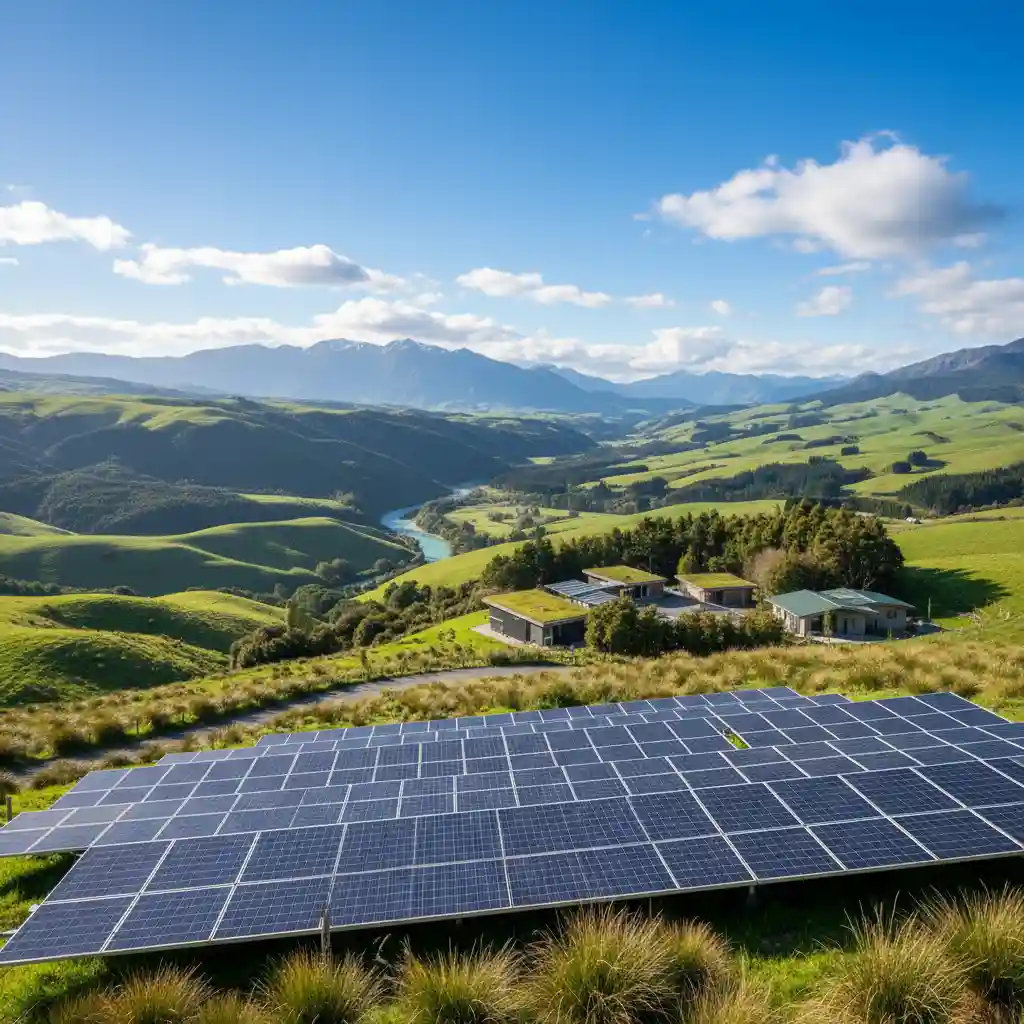
“New Zealand’s commitment to a sustainable future is often championed, but the real impact comes from the ground up, with clear, actionable metrics guiding our collective journey.”
Key Principles for Effective Sustainability Goal Setting
Before diving into the specifics of setting measurable sustainability goals & KPIs, consider these guiding principles:
- Holistic Approach: Consider environmental, social, and economic aspects. For instance, reducing waste impacts the environment, but also the community and local economy.
- Materiality: Focus on the most significant impacts relevant to you or your organisation.
- Long-term Vision, Short-term Action: Have an overarching vision (e.g., net-zero by 2050) broken down into achievable shorter-term goals.
- Stakeholder Engagement: Involve those affected by or involved in achieving the goals. This fosters buy-in and ensures relevance.
Step-by-Step Guide: Setting Measurable Sustainability Goals & KPIs
Ready to turn your sustainability aspirations into tangible outcomes? Follow this structured approach to setting measurable sustainability goals & KPIs.
1. Understand Your Baseline & Impact Areas
You can’t know where you’re going if you don’t know where you are. Conduct an assessment to identify your current environmental and social footprint. This could involve:
- Energy Audit: How much electricity, gas, or fuel are you consuming?
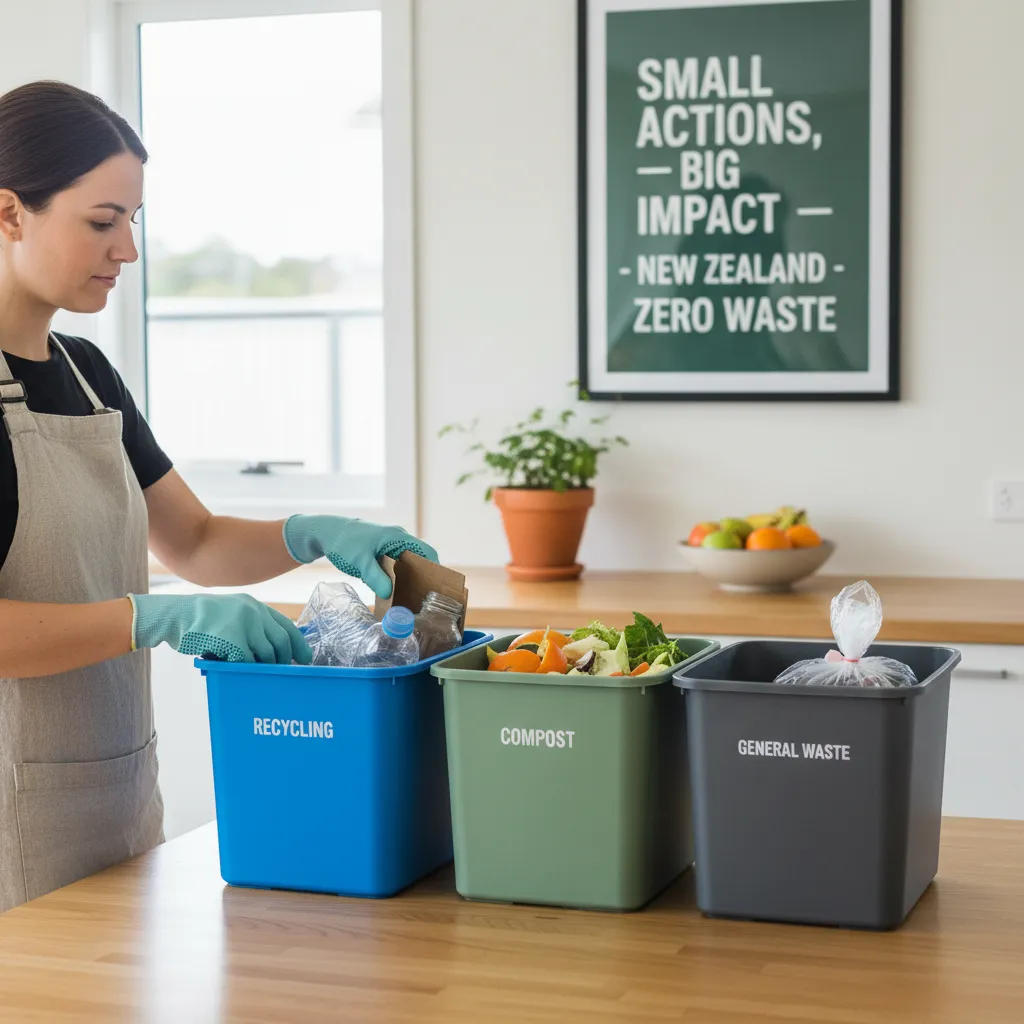
- Waste Audit: What types and quantities of waste are you generating (landfill, recycling, compost)?
- Water Usage: Track your water consumption.
- Supply Chain Review: Where do your products or resources come from?
- Community Engagement: Assess your current social contributions.
This baseline data will serve as your starting point for measurement.
2. Define Your Vision & Long-Term Objectives
What does a truly sustainable future look like for you or your organisation? This broad vision helps align your smaller goals. For example:
- Vision: To contribute to a circular economy in New Zealand.
- Objective: Become a zero-waste household/business by 2035.
Think big, but keep it relevant to your sphere of influence.
3. Develop SMART Goals
Now, translate your objectives into concrete, actionable goals using the SMART framework:
- S – Specific: Clearly defined, avoiding vague terms.
- M – Measurable: Quantifiable, with a way to track progress. This is critical for setting measurable sustainability goals & KPIs.
- A – Achievable: Realistic given your resources and context.
- R – Relevant: Aligns with your overall vision and values.
- T – Time-bound: Has a defined start and end date.
Example: Instead of “reduce plastic waste,” a SMART goal is “Reduce single-use plastic packaging by 50% across operations by December 31, 2025.”
4. Identify Key Performance Indicators (KPIs)
KPIs are the specific metrics you will use to measure your progress towards your SMART goals. They should directly relate to your goals and be easily tracked. Examples include:
- Goal: Reduce energy consumption by 20% by 2026.
- KPI: Kilowatt-hours (kWh) consumed per month; Energy cost per square meter.
- Goal: Divert 80% of waste from landfill by 2024.
- KPI: Percentage of waste recycled/composted vs. landfilled (by weight); Number of landfill bins emptied per week.
- Goal: Increase local sourcing of produce by 30% by 2025.
- KPI: Percentage of total procurement spend on local suppliers.
5. Establish Monitoring & Reporting Mechanisms
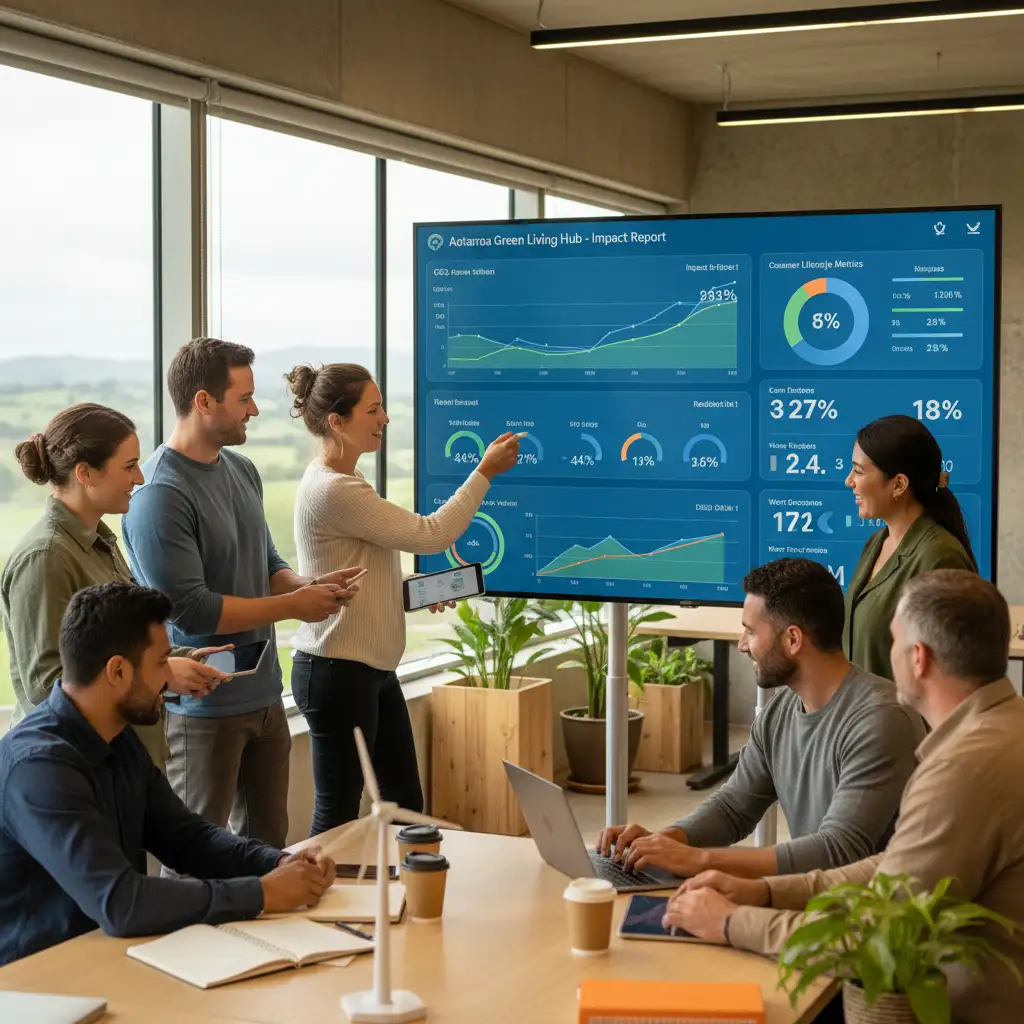
Once you have your goals and KPIs, you need a system to track them regularly. This could be:
- Spreadsheets for individual tracking.
- Dedicated sustainability software platforms for businesses.
- Regular meter readings for energy and water.
- Scheduled waste audits.
Decide on the frequency of reporting (e.g., monthly, quarterly, annually) and who is responsible.
6. Review, Adapt, and Communicate
Sustainability is an ongoing journey. Regularly review your progress against your KPIs. Are you on track? Do your goals need adjusting due to new information or unforeseen circumstances? Celebrate successes and learn from challenges.
Crucially, communicate your progress. Share your achievements and lessons learned with your team, customers, community, or even just your family. Transparency builds credibility and encourages continued effort in setting measurable sustainability goals & KPIs.
Your Sustainability Goal-Setting Action Checklist
Use this quick checklist to ensure you’re on the right track with setting measurable sustainability goals & KPIs:
- Assess Baseline: Have you measured your current environmental and social impact?
- Define Vision: Is your long-term sustainability vision clearly articulated?
- SMART Goals: Are your specific goals Specific, Measurable, Achievable, Relevant, and Time-bound?
- Identify KPIs: Do you have clear metrics to track progress for each goal?
- Monitoring System: Is there a system in place for consistent data collection?
- Reporting Plan: Do you have a schedule for reviewing and reporting on progress?
- Communicate: Are you sharing your journey and results with relevant stakeholders?
- Adapt: Are you prepared to adjust goals and strategies as needed?
Overcoming Common Challenges
While setting measurable sustainability goals & KPIs is powerful, challenges can arise. Data collection can be complex, especially for small organisations or individuals. Start simple, focusing on one or two key areas that have the most significant impact. Don’t let perfection be the enemy of good. Incremental progress is still progress.
Another hurdle is maintaining motivation. Break down larger goals into smaller, more manageable milestones and celebrate each achievement. Engaging others and sharing the load can also provide significant encouragement.
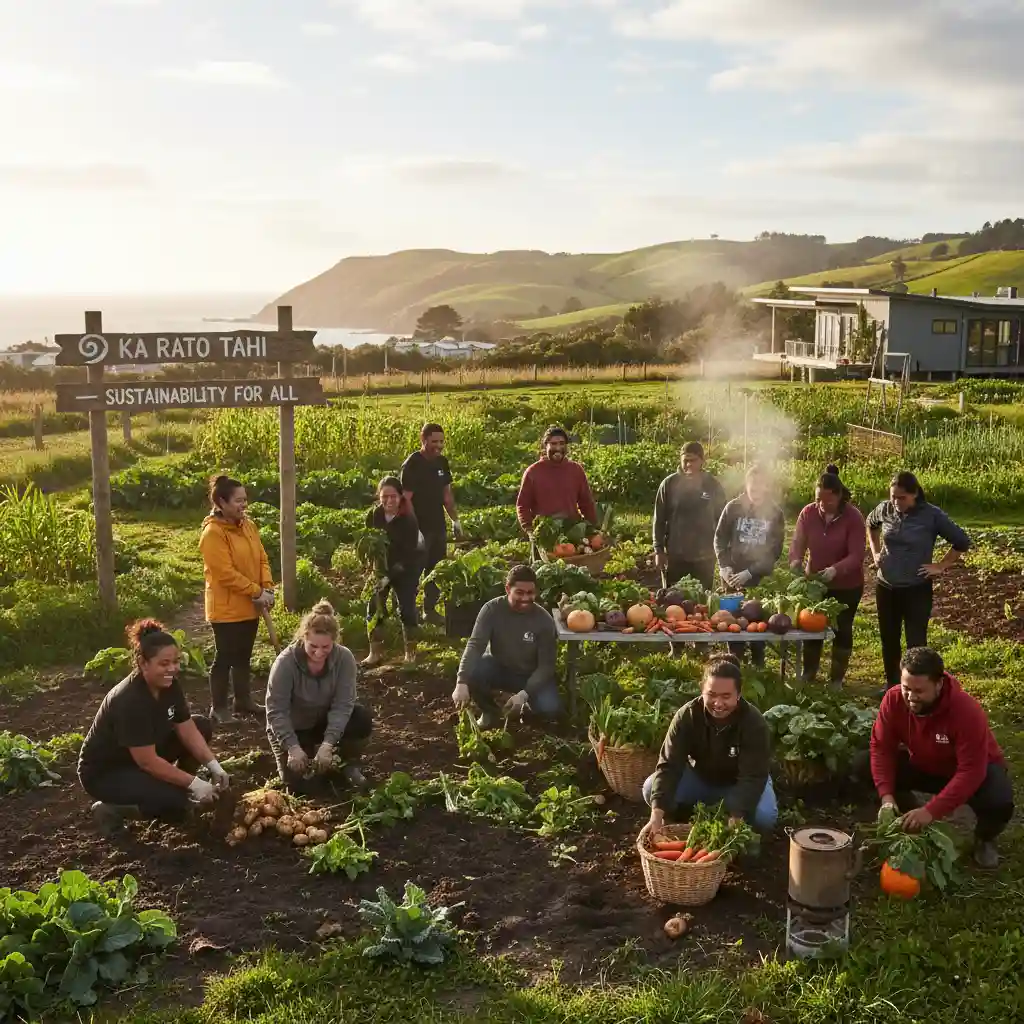
Conclusion: Your Journey to a Sustainable Future
The journey towards a more sustainable New Zealand, and indeed a sustainable world, is built on intentional actions and clear objectives. By diligently setting measurable sustainability goals & KPIs, you transform abstract intentions into concrete achievements.
Embrace this process with an open mind, ready to learn and adapt. Every step you take, measured and managed, brings us closer to the vibrant, resilient, and eco-conscious future we all envision for Aotearoa. Start today, and be a part of the positive change.
Frequently Asked Questions (FAQ)
What’s the difference between a sustainability goal and a KPI?
A sustainability goal is a broad, strategic target you aim to achieve (e.g., “Reduce carbon emissions by 50% by 2030”). A KPI (Key Performance Indicator) is a specific, measurable metric used to track progress towards that goal (e.g., “Tonnes of CO2e emitted per year”). KPIs are the quantifiable tools that tell you if you’re meeting your goals.
How often should I review my sustainability goals and KPIs?
The review frequency depends on the nature of the goal and the resources available. For most significant sustainability goals, a quarterly review is a good starting point to track progress, identify roadblocks, and make necessary adjustments. Annual comprehensive reviews are also crucial to assess long-term impact and refine strategies.
Can individuals or small households set sustainability KPIs?
Absolutely! While the terminology might seem corporate, the principles apply universally. An individual could set a goal to “Reduce household food waste by 30% in six months” with a KPI of “Weight of composted food waste per week” or “Number of full food waste bins collected monthly.” The key is to make it measurable and relevant to your actions.
What are some common areas for setting sustainability goals in New Zealand?
In New Zealand, common areas include waste reduction (especially organic waste and plastics), water conservation, energy efficiency (reducing electricity/gas consumption), reducing carbon footprint (transport, product choices), supporting local and ethical businesses, and promoting biodiversity and native planting.
Where can I find resources for baseline data and best practices in NZ?
Several New Zealand organisations offer valuable resources. Look to the Ministry for the Environment (MfE), Stats NZ for national data, local councils for waste and recycling information, and organisations like Sustainable Business Network for industry best practices. Academic institutions and environmental NGOs also publish relevant research and guides.
References & Sources
- Ministry for the Environment (MfE). (Various publications). https://environment.govt.nz/
- Stats NZ. (Environmental & Sustainability Data). https://www.stats.govt.nz/topics/environment-sustainability/
- United Nations Sustainable Development Goals (SDGs). https://sdgs.un.org/goals
- Sustainable Business Network (SBN). (Guides & Resources). https://sustainable.org.nz/
- Hypothetical Consumer Behaviour Study, 2022. (For Stat Callout example).