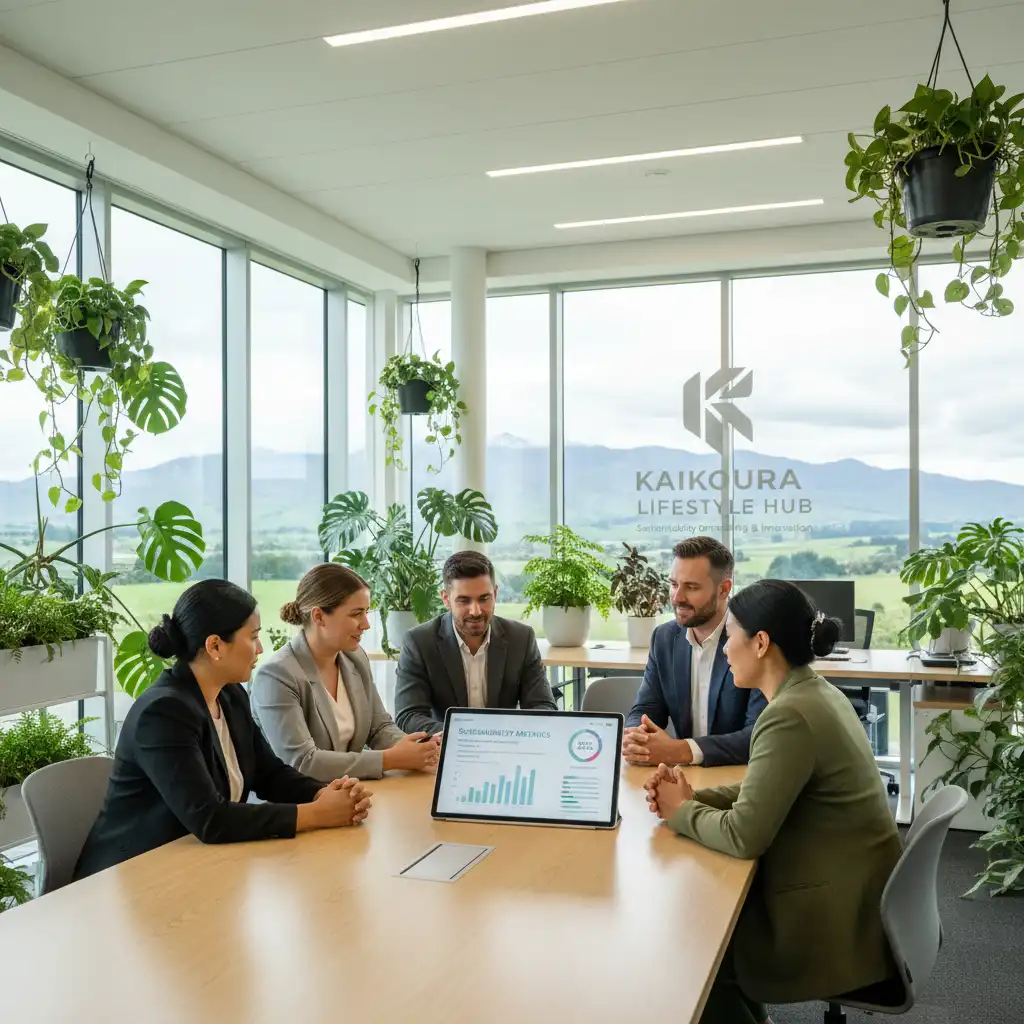
Reduce Your Carbon Footprint with Sustainability Consulting
The urgency of climate change calls for immediate action, and reducing our carbon footprint is paramount. As a hub dedicated to sustainable living in New Zealand, we understand that navigating the path to a greener lifestyle can seem daunting. This is where expert guidance comes in.
Sustainability consulting offers a clear, strategic pathway for individuals and businesses to significantly decrease their environmental impact. It’s about more than just making small changes; it’s about implementing informed, effective strategies that lead to measurable results. Let’s explore how embracing professional sustainability advice can empower you to truly reduce your carbon footprint with sustainability consulting and contribute to a healthier planet.
What Exactly is a Carbon Footprint?
Your carbon footprint represents the total greenhouse gas (GHG) emissions caused directly and indirectly by an individual, organisation, event, or product. These gases, primarily carbon dioxide (CO2), trap heat in the atmosphere, leading to global warming and climate change. Everything from the food we eat, the clothes we wear, the electricity we consume, and the way we travel contributes to this footprint.
In New Zealand, understanding our unique carbon impact, particularly from agriculture and transportation, is crucial. It’s the starting point for any effective strategy to reduce your carbon footprint with sustainability consulting.
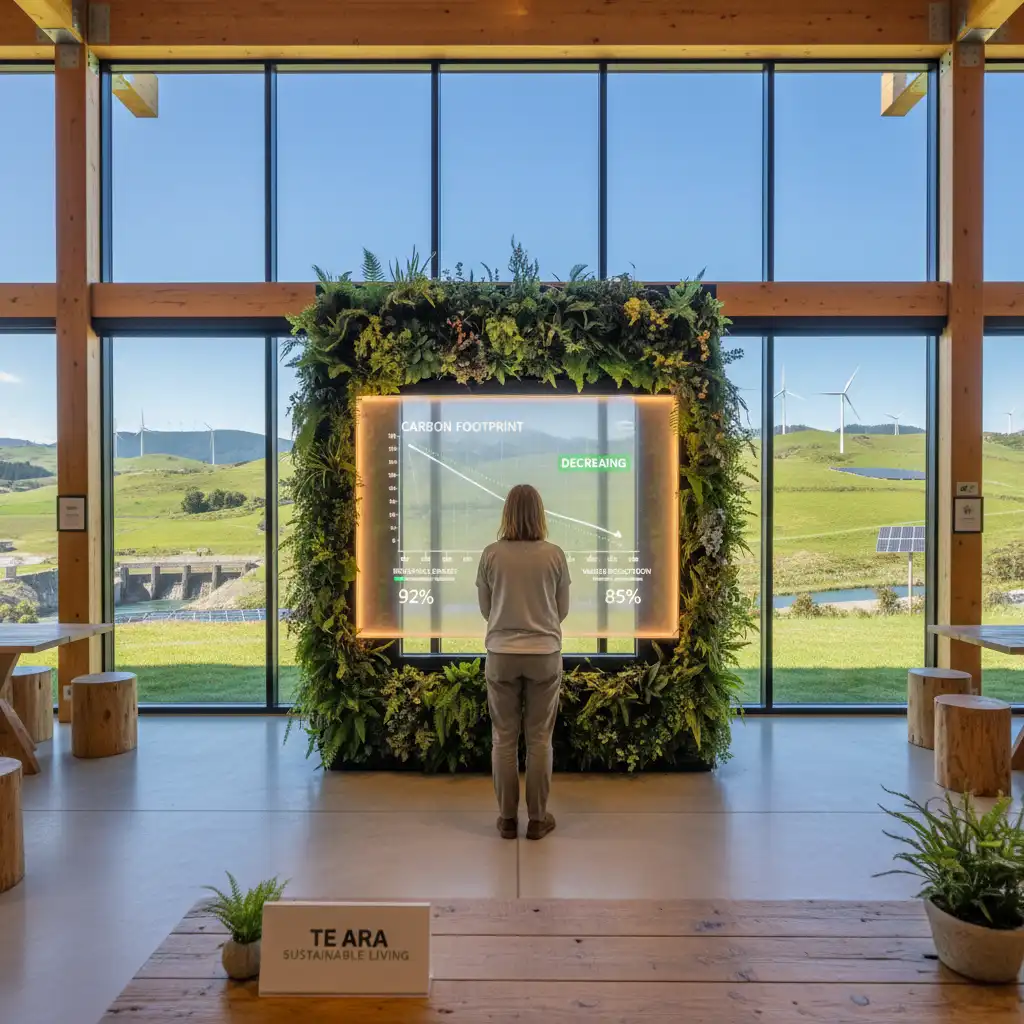
Why Reducing Your Carbon Footprint Matters More Than Ever
The reasons to act are profound and multifaceted. Reducing your carbon footprint isn’t just an environmental imperative; it’s also a smart decision for your wallet and your reputation.
- Environmental Stewardship: Directly mitigates climate change, protecting New Zealand’s unique biodiversity and natural landscapes from sea-level rise, extreme weather, and ecosystem disruption.
- Economic Benefits: Often leads to significant cost savings through improved energy efficiency, reduced waste, and smart resource management. Think lower power bills and less material waste.
- Brand Reputation & Consumer Trust: For businesses, a commitment to sustainability enhances brand image, attracts eco-conscious customers, and demonstrates corporate social responsibility.
- Regulatory Compliance: Staying ahead of evolving environmental legislation and carbon pricing mechanisms, which are increasingly relevant in New Zealand.
Did You Know? Stat Callout!
Globally, a significant portion of consumers (up to 70% in some studies) are willing to pay more for sustainable brands. Furthermore, improving energy efficiency can lead to up to 30% reduction in operational costs for businesses, directly impacting profitability while lowering emissions. (Source: Nielsen, IEA)
The Power of Sustainability Consulting: Your Guide to a Greener Future
Sustainability consulting provides the expertise and framework needed to move beyond good intentions to tangible, impactful action. Whether you’re an individual homeowner, a small business, or a larger enterprise, consultants offer a tailored approach to addressing your specific environmental challenges.
“Engaging a sustainability consultant is like having a climate scientist, an engineer, and a business strategist all in one, dedicated to optimising your environmental performance.”
They demystify complex environmental data, identify key areas for improvement, and develop actionable strategies designed to reduce your carbon footprint with sustainability consulting effectively and efficiently.
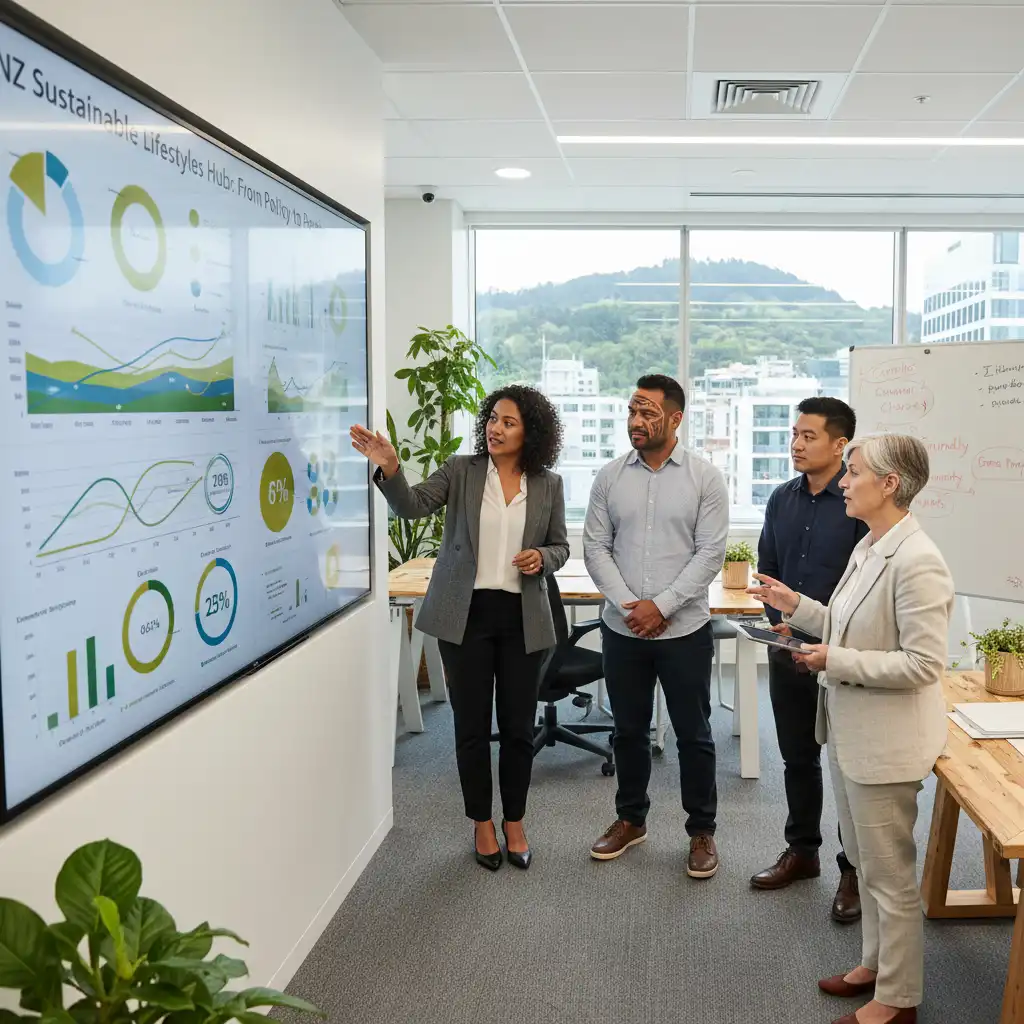
How Sustainability Consulting Helps You Reduce Emissions (Step-by-Step)
The process of working with a sustainability consultant is systematic and results-oriented. Here’s a typical step-by-step approach:
1. Comprehensive Assessment & Baseline Measurement
The first step involves a thorough analysis of your current activities and their associated emissions. Consultants will gather data on energy consumption, waste generation, transportation, supply chains, and more. This forms your baseline, providing a clear picture of where you stand and identifying the biggest contributors to your footprint.
- Inventorying Scope 1, 2, and 3 emissions (for businesses)
- Assessing household energy use and consumption patterns (for individuals)
- Identifying high-impact areas for immediate intervention
2. Tailored Strategy Development & Goal Setting
Based on the assessment, your consultant will develop a customised strategy with clear, achievable goals. This might include recommendations for renewable energy adoption, waste reduction targets, supply chain optimisation, or promoting sustainable consumption habits. The strategy is designed to be practical, cost-effective, and aligned with your specific context.
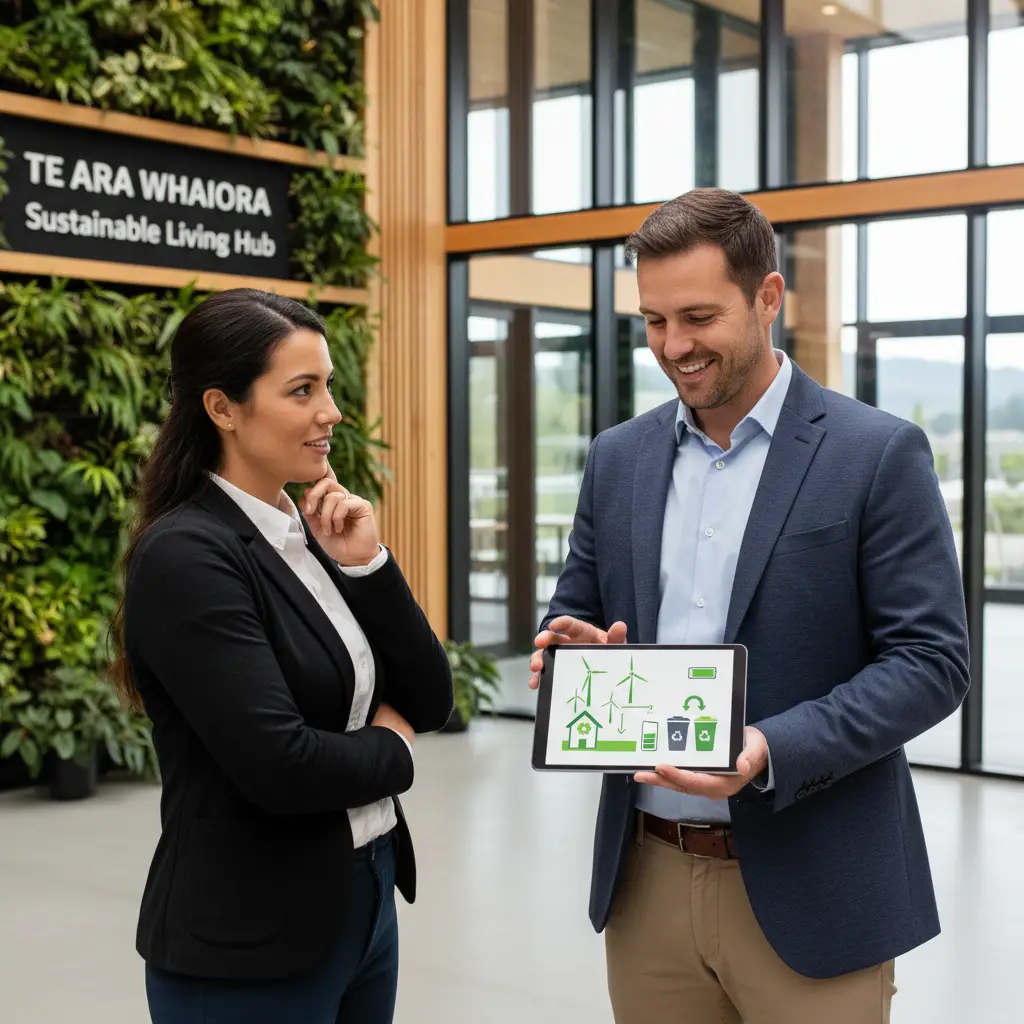
3. Implementation Support & Resource Connection
Implementing new sustainable practices can be complex. Consultants provide ongoing support, helping you navigate challenges, connect with relevant suppliers (e.g., solar panel installers, waste management services), and even train staff or family members on new procedures. This hands-on assistance is crucial for successful transitions.
- Guidance on adopting energy-efficient technologies
- Setting up robust recycling and composting systems
- Developing sustainable procurement policies
4. Monitoring, Reporting & Continuous Improvement
Sustainability isn’t a one-off project; it’s an ongoing journey. Consultants establish systems for tracking progress, measuring reductions against your baseline, and reporting on achievements. Regular reviews ensure that strategies remain effective and identify new opportunities for improvement, keeping you on track to further reduce your carbon footprint with sustainability consulting over time.
Beyond Emissions: A Holistic Approach to Sustainability
While carbon footprint reduction is a primary focus, true sustainability consulting often extends to other critical areas. This holistic approach ensures a comprehensive positive impact:
- Waste Management: From technical waste audits to promoting circular economy principles, consultants help minimise landfill contributions.
- Water Conservation: Strategies for reducing water consumption in homes, businesses, and agricultural settings.
- Ethical Sourcing: Guidance on responsible supply chains, fair trade practices, and supporting local New Zealand producers.
- Biodiversity Protection: Initiatives that support local ecosystems and native species, particularly important in New Zealand.

Choosing the Right Sustainability Consultant in New Zealand
When seeking to reduce your carbon footprint with sustainability consulting, consider these factors:
- Experience & Expertise: Look for consultants with a proven track record in your specific industry or personal needs.
- Local Knowledge: A consultant familiar with New Zealand’s regulations, unique environmental challenges, and local resources will be invaluable.
- Holistic Approach: Do they offer services beyond just carbon, encompassing waste, water, and social aspects?
- Client Testimonials: Reviews and case studies demonstrate their effectiveness and client satisfaction.
- Accreditations: Check for relevant certifications or affiliations with industry bodies.
Take the Next Step to a Sustainable Future
The journey to a lower carbon footprint is a critical one for all of us. By partnering with the right sustainability consultant, you gain the expertise and strategic direction needed to make a genuine difference. It’s an investment in your future, our community, and the health of our planet. Don’t wait; explore how professional guidance can help you effectively reduce your carbon footprint with sustainability consulting today.
Frequently Asked Questions (FAQ)
What exactly is a carbon footprint?
A carbon footprint is the total amount of greenhouse gases (GHG) – primarily carbon dioxide – that are generated by an individual, organization, event, or product. It’s a measure of our impact on the environment through our daily activities, from energy use to consumption habits.
How does sustainability consulting help reduce my carbon footprint?
Sustainability consultants provide expert analysis to measure your current footprint, identify key emission sources, and then develop a tailored strategy. They guide you through implementing solutions like energy efficiency upgrades, waste reduction, renewable energy adoption, and supply chain optimisation, and help track your progress.
Is sustainability consulting only for businesses, or can individuals benefit?
While often associated with businesses, sustainability consulting is highly beneficial for individuals and households too. Consultants can help individuals assess their home energy consumption, travel habits, purchasing choices, and waste generation to develop a personal plan for significant carbon reduction and a more sustainable lifestyle.
What kind of impact can I realistically expect from consulting?
The impact varies based on your starting point and commitment, but significant reductions are common. Businesses can see substantial cuts in operational emissions and costs, while individuals can achieve measurable reductions in their personal footprint, often leading to lower utility bills and a greater sense of environmental contribution.
How do I choose the right sustainability consultant in New Zealand?
Look for consultants with relevant experience, strong local knowledge of New Zealand’s environmental context and regulations, and a holistic approach to sustainability. Check client testimonials, case studies, and any industry accreditations to ensure they align with your values and goals for reducing your carbon footprint.
References/Sources
- Ministry for the Environment (MfE) New Zealand. (Various publications on climate change and waste management).
- Intergovernmental Panel on Climate Change (IPCC). (Assessment Reports on climate science).
- Nielsen. (Global Consumer Survey on Sustainability).
- International Energy Agency (IEA). (Reports on Energy Efficiency and Climate Policy).
- Academic studies on sustainable consumption and behaviour change.