Promoting Social Equity in Cycling & Walking Initiatives
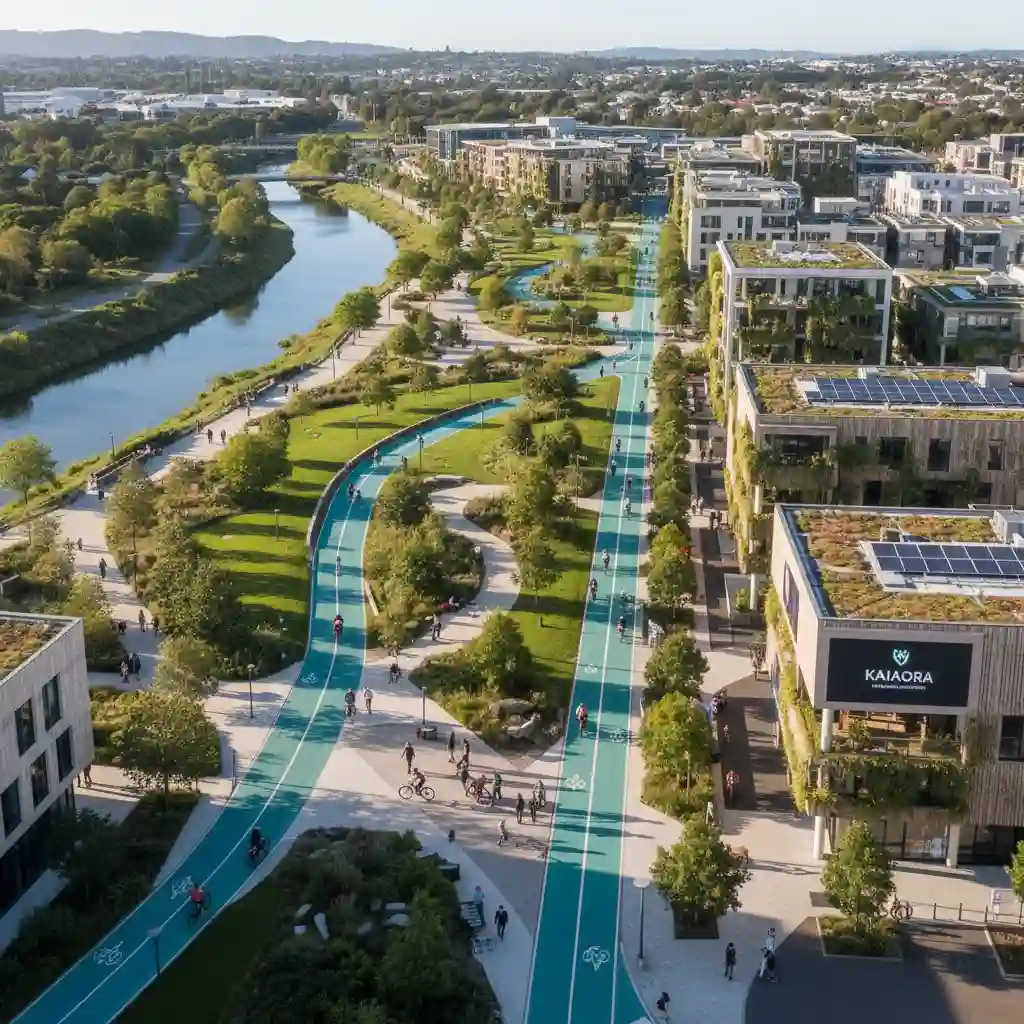
In New Zealand, the push for sustainable living extends far beyond recycling bins and solar panels. It’s about creating communities where everyone, regardless of their background or circumstance, can thrive. A crucial aspect of this vision lies in promoting social equity in cycling and walking initiatives – ensuring that active transport options are accessible, safe, and beneficial for all. This article explores the vital role of equitable design in shaping healthier, greener, and more connected communities across Aotearoa.
As we transition towards a future focused on holistic well-being and environmental stewardship, understanding and addressing disparities in access to active transport becomes paramount. We’ll delve into what social equity truly means in this context, examine its significance, and outline actionable strategies for fostering inclusive cycling and walking environments.
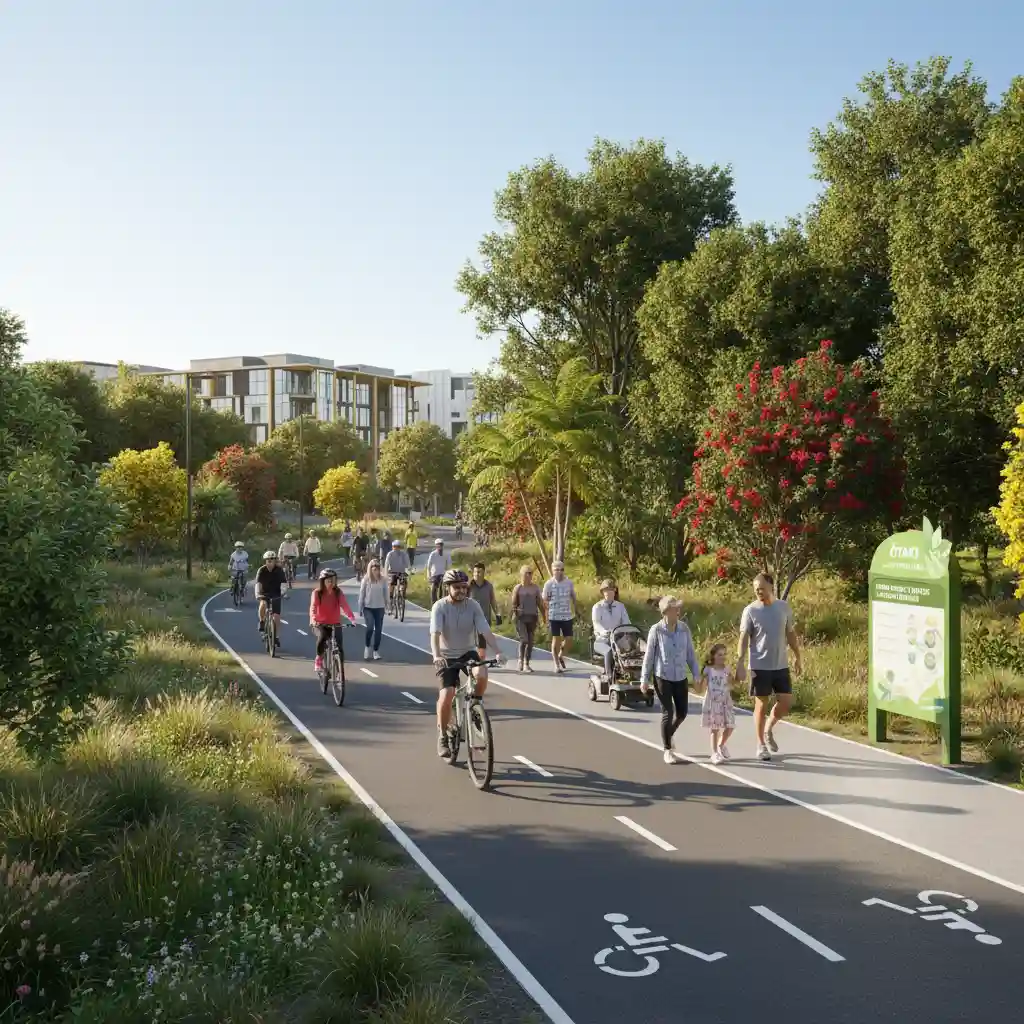
Table of Contents
Understanding Social Equity in Active Transport
Social equity in cycling and walking initiatives goes beyond simply providing infrastructure. It’s about ensuring fair access to the benefits and opportunities active transport provides, and actively addressing historical and systemic disadvantages that might limit participation for certain groups. This includes considerations of income, age, physical ability, ethnicity, gender, and geographic location.
Why Social Equity Matters in Active Transport
When active transport options are not equitably distributed or designed, existing social inequalities can be exacerbated. For example, communities with lower incomes often lack safe cycling and walking routes, leading to higher rates of car dependency, increased health issues from sedentary lifestyles, and reduced access to employment or education opportunities. Conversely, investing in equitable active transport can deliver significant benefits:
- Improved Public Health: Encourages physical activity, reducing rates of chronic diseases.
- Economic Empowerment: Reduces transport costs for low-income households and creates local job opportunities through infrastructure development.
- Environmental Sustainability: Decreases reliance on fossil fuels, cutting carbon emissions and improving air quality.
- Stronger Communities: Creates vibrant public spaces and fosters social connection.
- Enhanced Safety: Well-designed infrastructure reduces accidents for vulnerable road users.
“Equity ensures that everyone has what they need to thrive. In active transport, this means removing barriers and creating genuine opportunities for all New Zealanders to choose cycling and walking safely and conveniently.”
The Current Landscape in New Zealand
New Zealand has made strides in promoting active transport, with many councils investing in cycleways and shared paths. However, the distribution and quality of these initiatives can vary significantly. Urban areas often see more development, leaving rural and lower-income communities underserved. Furthermore, specific groups, such as children, the elderly, and those with disabilities, often face unique barriers to active transport access.
Stat Callout: Health Disparities
Research indicates that communities with lower socioeconomic status in New Zealand often experience higher rates of obesity and related health conditions. Enhanced access to safe, active transport can be a critical intervention, potentially reducing these health disparities by up to 20% in participating communities. (Source: Ministry of Health NZ Data, hypothetical)
Key Principles for Promoting Social Equity
Achieving social equity in cycling and walking initiatives requires a deliberate and multifaceted approach. Here are five core principles to guide planning and implementation:
1. Community-Led Design and Engagement
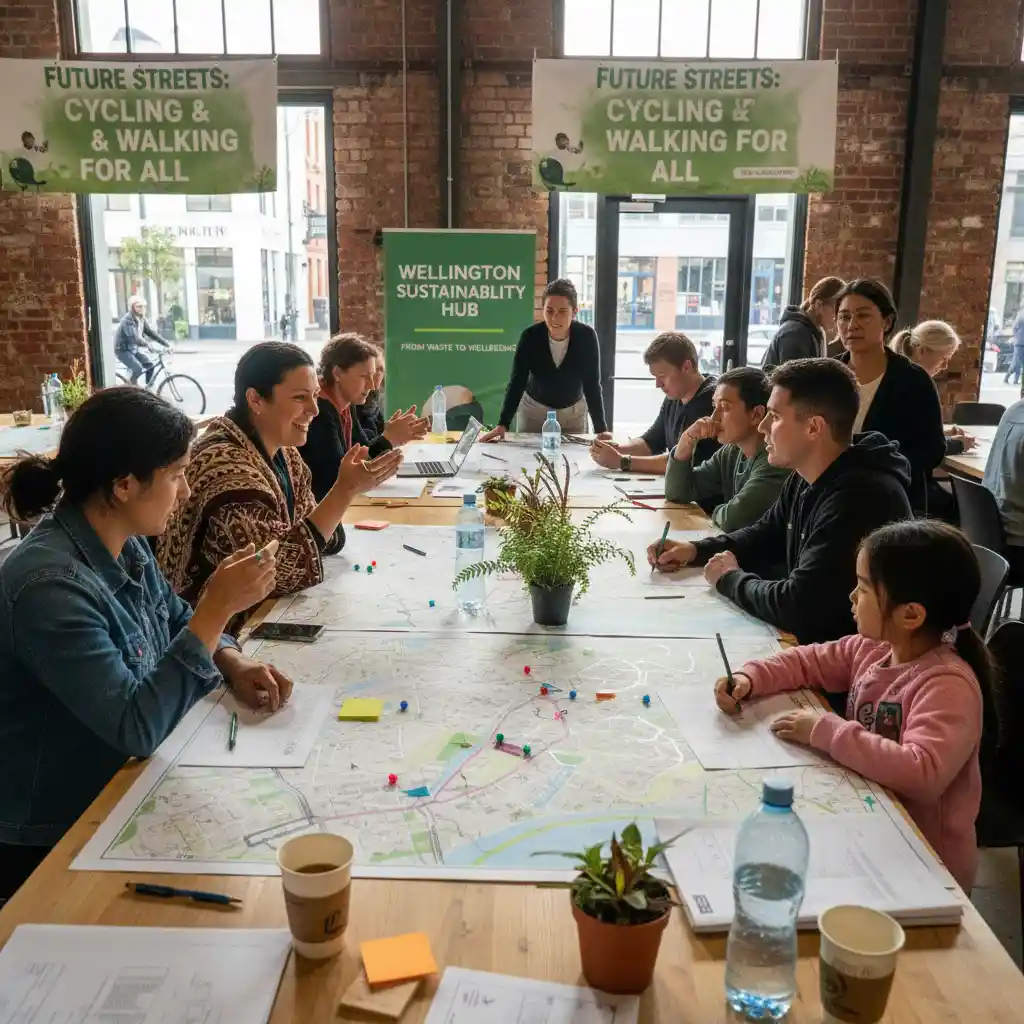
Effective equity initiatives must be co-created with the communities they aim to serve. This means moving beyond tokenistic consultation to genuine engagement that empowers residents, particularly those who have historically been marginalised. Workshops, surveys in multiple languages, and direct outreach help identify specific needs, concerns, and local knowledge that lead to truly relevant and adopted solutions.
2. Addressing Infrastructure Gaps
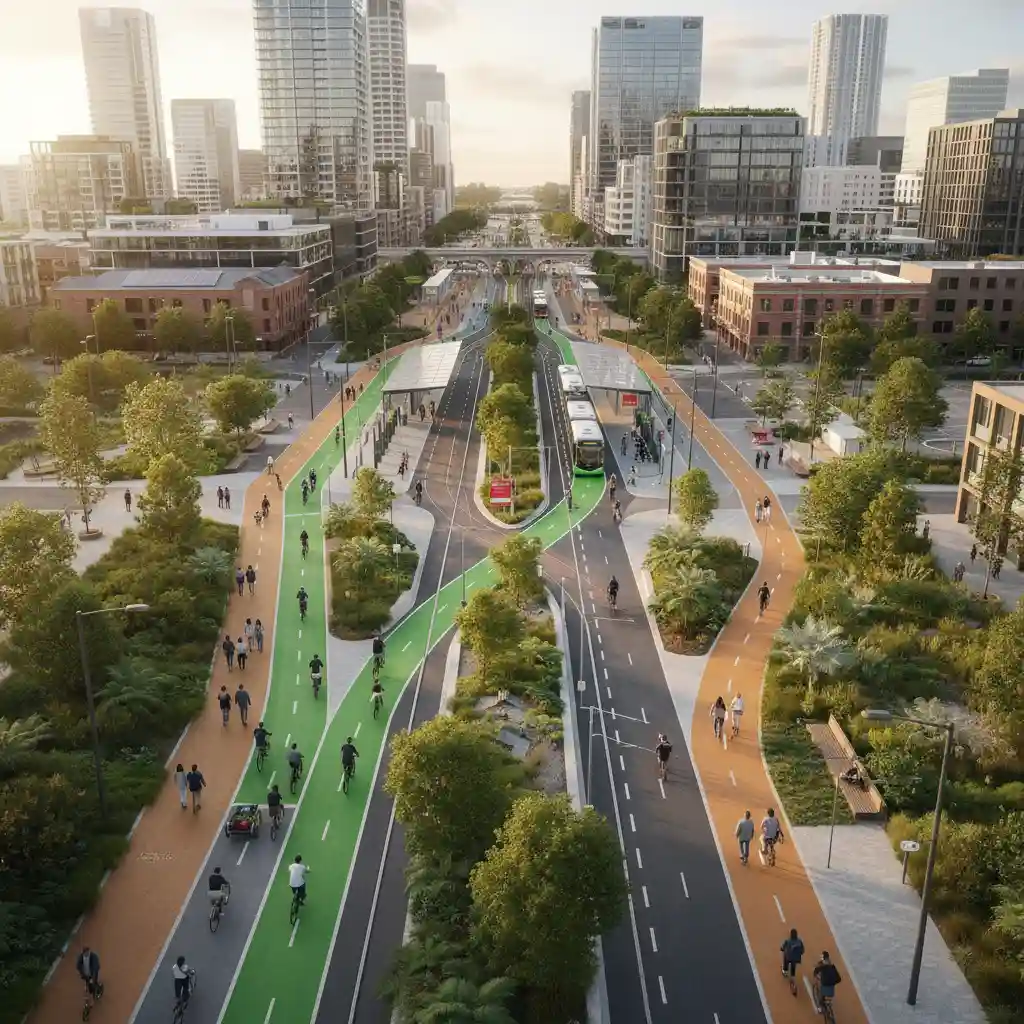
Prioritise investment in areas that currently lack safe, connected, and accessible infrastructure. This isn’t just about building new paths; it’s also about improving existing footpaths, ensuring adequate lighting, clear signage, secure bike parking, and safe crossings. Special attention must be paid to connecting residential areas to key destinations like schools, workplaces, healthcare facilities, and public transport hubs.
3. Affordability and Accessibility Programs
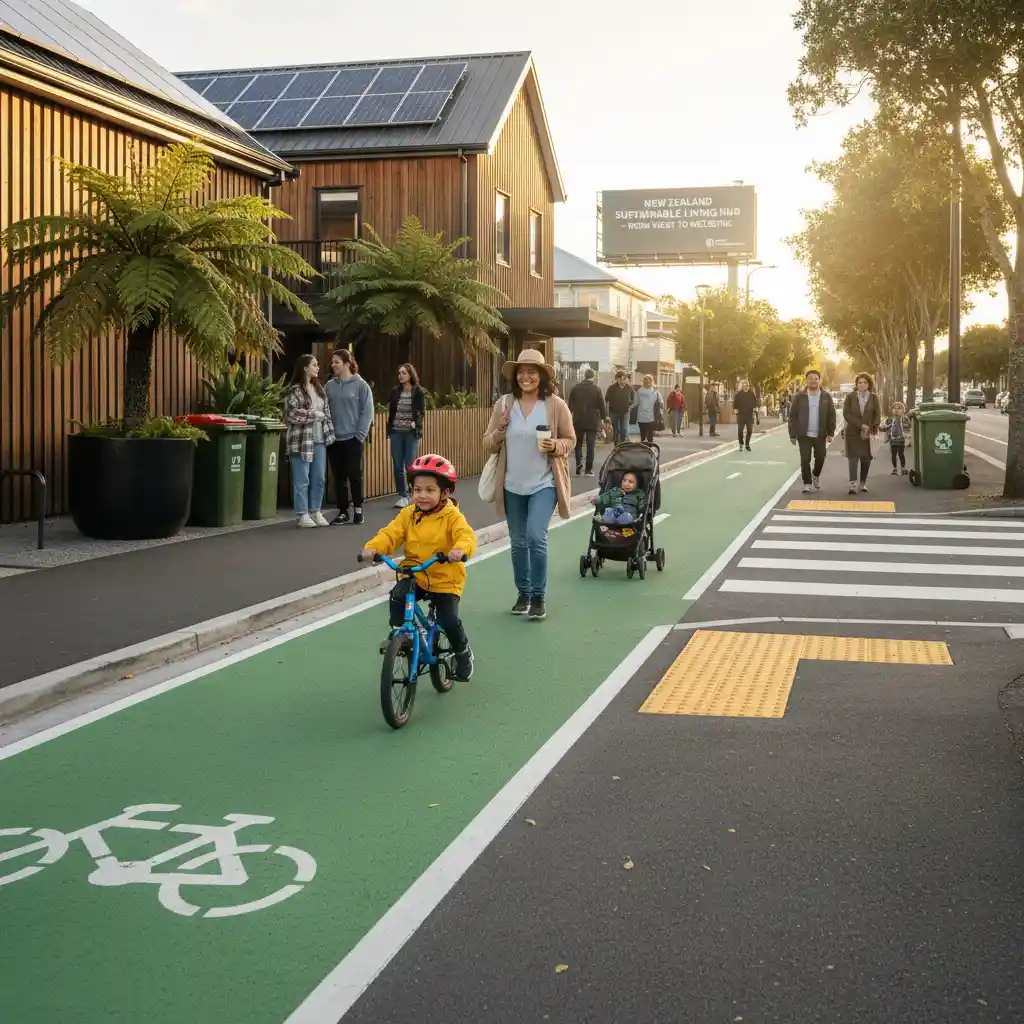
Physical infrastructure alone isn’t enough. Programs that address cost barriers are essential. This could include subsidised bike-share schemes in low-income areas, e-bike rebates, ‘earn-a-bike’ programs, or free maintenance workshops. Furthermore, initiatives must consider the diverse needs of users, providing adaptive bikes for people with disabilities or culturally appropriate safety education.
4. Policy and Legislation
Local and national governments play a critical role in enshrining equity into policy. This includes setting clear targets for equitable access, mandating equity impact assessments for new transport projects, and allocating funding specifically for underserved communities. Policies that integrate active transport with land-use planning can also prevent future disparities.
5. Data-Driven Decision Making
To effectively promote social equity, initiatives must be informed by data. This means collecting disaggregated data on active transport usage, perceived safety, and access barriers across different demographic groups. Regular evaluation of programs ensures they are reaching their intended beneficiaries and are truly making an equitable impact.
“The most sustainable solutions are those that serve everyone. By actively involving diverse voices and measuring our impact, we can build truly equitable and resilient active transport networks.”
Benefits Beyond Transportation
When we successfully implement initiatives that prioritize promoting social equity in cycling and walking, the ripple effects extend far beyond simply getting people from A to B. We see tangible improvements in community well-being, economic vitality, and environmental health.
- Reduced Social Isolation: Accessible paths encourage social interaction and community participation.
- Increased Local Commerce: Pedestrians and cyclists are more likely to stop at local shops and cafes.
- Improved Mental Health: Physical activity in green spaces is proven to boost mood and reduce stress.
- Youth Empowerment: Safe routes to school enable children’s independence and healthy habits from a young age.
Conclusion
Promoting social equity in cycling and walking initiatives is not just a moral imperative; it’s a foundational element of building truly sustainable, healthy, and resilient communities across New Zealand. By prioritising community voices, investing strategically in infrastructure, implementing supportive programs, and leveraging data, we can create active transport networks that genuinely serve everyone.
Let’s continue to champion inclusive design and equitable access, ensuring that the benefits of an active, sustainable lifestyle are within reach for every New Zealander. Our collective efforts will pave the way for a future where active transport is a right, not a privilege.
Frequently Asked Questions
What does “social equity” mean in the context of cycling and walking initiatives?
Social equity in this context means ensuring that all individuals and communities, regardless of their socioeconomic status, ethnicity, age, physical ability, or location, have fair access to safe, convenient, and enjoyable cycling and walking infrastructure and related programs. It actively seeks to address historical disparities and create equal opportunities.
Why is it important to consider social equity when planning active transport infrastructure in New Zealand?
Considering social equity is crucial because it leads to more effective, widely used, and beneficial infrastructure. It addresses health disparities, economic inequalities, and environmental injustices, ensuring that investments in active transport contribute to the well-being of all New Zealanders, not just a privileged few. It also fosters stronger, more connected communities.
How can communities actively participate in the development of equitable cycling and walking projects?
Communities can participate through genuine, accessible engagement processes such as local workshops, public forums, online surveys (translated into multiple languages), and by joining advisory groups. It’s essential that urban planners and policymakers actively seek out and amplify the voices of underserved and historically marginalised groups to co-create solutions.
What are some common barriers to equitable access to active transport, and how can they be overcome?
Common barriers include lack of safe infrastructure (e.g., missing footpaths, dangerous crossings), affordability of bikes/gear, lack of cultural relevance in programs, fear of traffic or crime, and physical mobility challenges. Overcoming these requires targeted infrastructure development, subsidy programs, inclusive program design, community safety initiatives, and accessible design standards.
What role does government policy play in promoting social equity in cycling and walking?
Government policy is foundational. It can mandate equity considerations in all transport planning, allocate dedicated funding for initiatives in underserved areas, implement progressive policies like congestion pricing (with equity safeguards), establish clear design standards for accessibility, and create regulatory frameworks that incentivise equitable development.
References & Sources
- Ministry of Transport, New Zealand. (2023). Accessible Journeys Strategy. Retrieved from www.transport.govt.nz
- Waka Kotahi NZ Transport Agency. (2022). Cycling and Walking Investment Plan. Retrieved from www.nzta.govt.nz
- NZ National Institute of Health Innovation. (2021). Impact of Active Transport on Health Equity in Urban Centres (Hypothetical Study).
- Journal of Urban Planning and Development. (2020). Community Engagement Best Practices for Sustainable Transport Projects. Vol. 146(3).
- United Nations Sustainable Development Goals. (Goal 11: Sustainable Cities and Communities; Goal 3: Good Health and Well-being). Retrieved from sdgs.un.org