NZ Recycling Rules & What You Can Recycle
Navigating the world of recycling in Aotearoa can sometimes feel like solving a complex puzzle. With different rules for different regions and a constant evolution of what’s accepted, it’s easy to feel overwhelmed. But understanding what can be recycled NZ-wide is crucial for our environment and a sustainable future.
This comprehensive guide will demystify New Zealand’s recycling landscape, helping you sort correctly, reduce waste, and contribute effectively to a greener Aotearoa. Let’s make recycling simple!
General Recycling Rules in New Zealand
While specific rules vary by region, a few core principles underpin recycling across New Zealand. Adhering to these general guidelines ensures your efforts make a real difference and prevent contamination.
- Clean and Dry: All items must be empty, rinsed clean, and dry. Food residue and liquids can contaminate entire batches of recycling, leading to valuable materials being sent to landfill.
- Loose in the Bin: Place recyclables directly into your kerbside bin, not in plastic bags. Plastic bags tangle machinery at sorting facilities, causing delays and breakdowns.
- Check the Numbers: For plastics, look for the recycling symbol with a number inside (1, 2, or 5 are generally accepted).
- Lids Off: Generally, plastic lids should be removed from bottles and jars. Small plastic lids are often too tiny for sorting machinery to process and can fall through the cracks.
Did you know? An estimated 40% of what Kiwis put in their recycling bins could actually be landfilled due to contamination or incorrect sorting. Getting it right starts with you!
What Can Be Recycled NZ: Specific Materials
Let’s dive into the specifics for common household items. Understanding these categories is key to mastering what can be recycled NZ-wide.
Plastics (Numbers 1, 2, 5)
These are the heroes of your recycling bin. Look for the triangular chasing arrows symbol with a number inside:
- Plastic 1 (PET): Clear plastic bottles (soft drinks, water) and some food containers.
- Plastic 2 (HDPE): Milk bottles, cleaning product bottles, shampoo bottles.
- Plastic 5 (PP): Yoghurt pots, large ice cream containers, some takeaway containers.
Plastics 3, 4, 6, and 7 are generally NOT accepted in kerbside collections due to difficulties in processing or lack of viable markets for recycled content. When in doubt, leave it out.
Glass Bottles & Jars
Most glass bottles and jars (food, drinks) are recyclable. This includes clear, brown, and green glass.
- What to do: Rinse clean, remove all lids (metal lids are usually accepted with other metals, plastic lids go to rubbish). Labels can stay on.
- What NOT to recycle: Window glass, mirrors, ceramics, Pyrex, drinking glasses, lightbulbs. These items have different melting points and chemical compositions, which can contaminate glass recycling.
Paper & Cardboard
A staple of recycling, most paper and cardboard can be recycled.
- Accepted: Newspapers, magazines, junk mail, office paper, cereal boxes, tissue boxes, clean pizza boxes (no grease), flattened cardboard boxes.
- Not accepted: Shredded paper (too small for sorting), waxed cardboard (milk/juice cartons – although some councils accept these, check locally), greasy pizza boxes, paper towels, tissues, disposable coffee cups (due to plastic lining).

Tricky Items: Beyond the Kerbside Bin
Some items can be recycled, but not in your kerbside bin. Knowing these alternative options is essential for comprehensive waste reduction.
Soft Plastics
Plastic bags, bread bags, produce bags, frozen food bags, confectionery wrappers – these are all soft plastics. They cannot go into your kerbside bin because they jam sorting machinery.
- Solution: Look for the Soft Plastics Recycling Scheme drop-off points at participating supermarkets and retailers across NZ. Ensure they are clean, dry, and scrunched into a ball.

Batteries & E-Waste
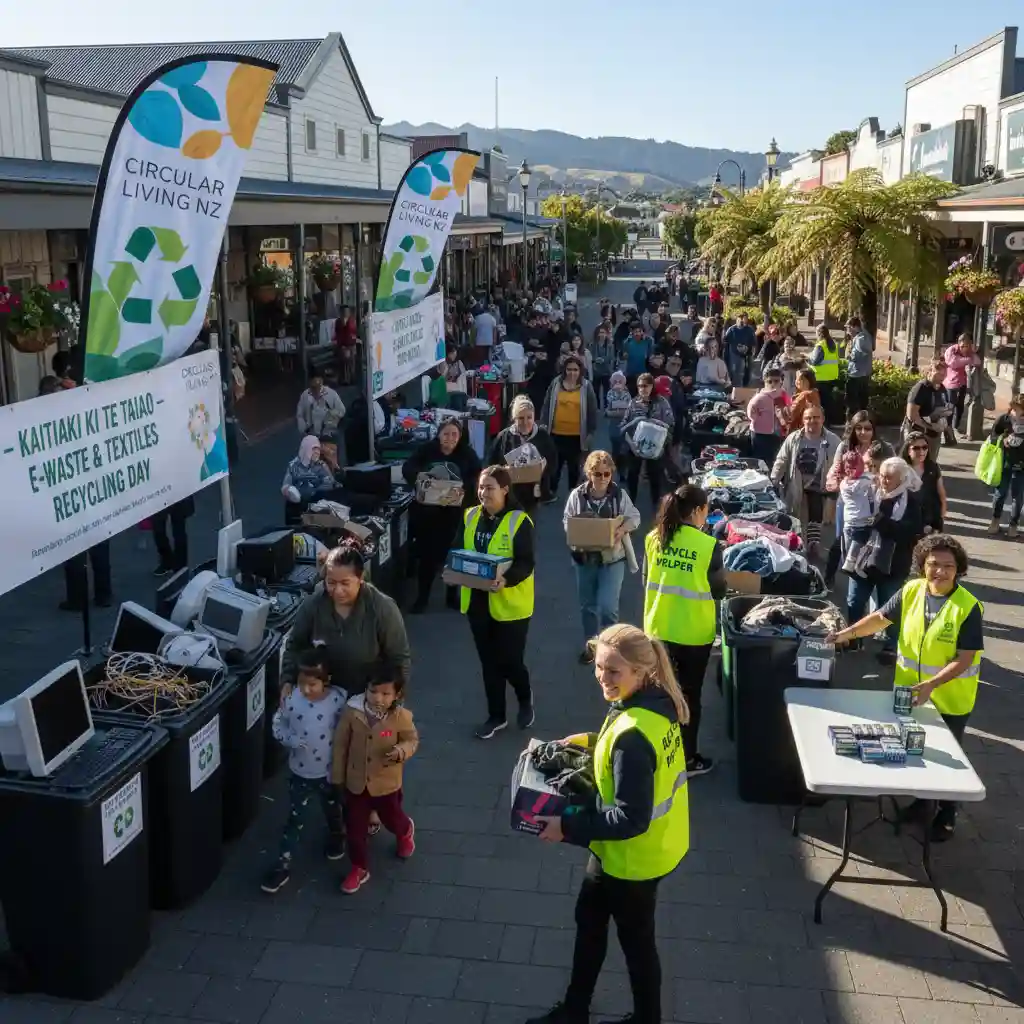
Batteries, old phones, laptops, and other electronics (e-waste) contain hazardous materials and valuable resources. They must NEVER go into your regular or recycling bin.
- Batteries: Many retailers (like Mitre 10, OfficeMax, and specialist battery stores) offer battery recycling drop-off services.
- E-Waste: Check with your local council for dedicated e-waste recycling events or facilities. Companies like Resource Recovery also offer collection services.
Council-Specific Rules: Why Local Matters
This is perhaps the most critical point: recycling rules in NZ vary significantly from council to council. What’s accepted in Auckland might not be in Dunedin, and vice versa. These differences stem from local infrastructure, processing capabilities, and market demand for recycled materials.
- Always Check Your Local Council Website: This is the definitive source for information on what can be recycled in your specific area. Look for details on bin colours, collection schedules, accepted plastic numbers, and specific items (e.g., aerosols, tetra paks).
- Why the Variation? Different recycling plants use different technologies. Some are more advanced in sorting mixed plastics, while others focus on traditional materials.

Recycling Myths Debunked
Misinformation can hinder effective recycling. Let’s clear up some common misconceptions about what can be recycled NZ.
Myth 1: “If it has a recycling symbol, it’s recyclable everywhere.”
Reality: The mobius loop symbol simply indicates the material *can* be recycled, not that it *will* be accepted in your local kerbside collection. Always refer to your council’s guidelines.
Myth 2: “Just put it in the bin; they’ll sort it out.” (Wish-cycling)
Reality: This is known as ‘wish-cycling,’ and it’s a major problem. Putting non-recyclable items into the bin contaminates the entire batch, often leading to everything being sent to landfill. When in doubt, leave it out.
Myth 3: “Recycling is a scam; it all goes to landfill anyway.”
Reality: While there have been challenges and shifts in global recycling markets, robust recycling systems are in place across New Zealand. Recycled materials are transformed into new products, reducing the need for virgin resources and lessening landfill burden. It’s a vital part of a circular economy, but its success relies on correct sorting by individuals.
Stat Callout:
New Zealand produces approximately 17.5 million tonnes of waste annually, with a significant portion still going to landfill. Correct recycling helps divert valuable resources from waste streams.
Action Checklist: Your Quick Guide to Better Recycling
Become a recycling champion with these simple steps:
- Check Your Local Council: Make their website your go-to source for specific rules on what can be recycled NZ in your area.
- Rinse & Dry: Always clean food and drink containers thoroughly before recycling.
- Lids Off: Remove plastic lids from bottles and jars (check if your council accepts metal lids with other metals).
- Flatten Cardboard: Save space and help sorters by flattening boxes.
- Separate Soft Plastics: Collect them for supermarket drop-offs, don’t put them in your kerbside bin.
- Handle Tricky Items Separately: Take batteries, e-waste, and hazardous materials to designated collection points.
- Avoid Wish-cycling: If you’re unsure if an item is recyclable, it’s better to put it in the rubbish than to contaminate the recycling stream.

Frequently Asked Questions (FAQ)
Q: Can I recycle pizza boxes in NZ?
A: Yes, if they are clean and free of grease. If the box has food residue or grease stains, it should go into the general waste bin or composted if facilities are available, as the food contamination makes it unrecyclable.
Q: What plastic numbers are typically accepted in New Zealand kerbside recycling?
A: Generally, Plastics 1 (PET), 2 (HDPE), and 5 (PP) are accepted. Always check your local council’s specific guidelines, as acceptance can vary.
Q: Do I need to remove labels from bottles and jars before recycling?
A: No, you don’t typically need to remove labels. The recycling process accounts for these. However, always ensure items are rinsed clean and lids are removed.
Q: Where can I recycle soft plastics in NZ?
A: Soft plastics (e.g., plastic bags, bread bags, produce bags) are not accepted in kerbside bins. You can take clean, dry soft plastics to dedicated drop-off points at participating supermarkets and retailers as part of the Soft Plastics Recycling Scheme (softplastics.org.nz).
Q: Can I put shredded paper in my recycling bin?
A: No, shredded paper is generally too small for sorting machinery and often ends up contaminating other materials or falling through the cracks. It’s best to compost shredded paper or place it in your general waste.
References/Sources
- Ministry for the Environment. (environment.govt.nz). Waste and Recycling in New Zealand.
- Soft Plastics Recycling Scheme. (softplastics.org.nz). Recycling Locations and Accepted Items.
- Auckland Council. (aucklandcouncil.govt.nz). Recycling and rubbish services. (Representative of local council information).
- WasteMINZ. (wasteminz.org.nz). The New Zealand Waste Strategy.
- Recycle.co.nz. (recycle.co.nz). General Recycling Information.