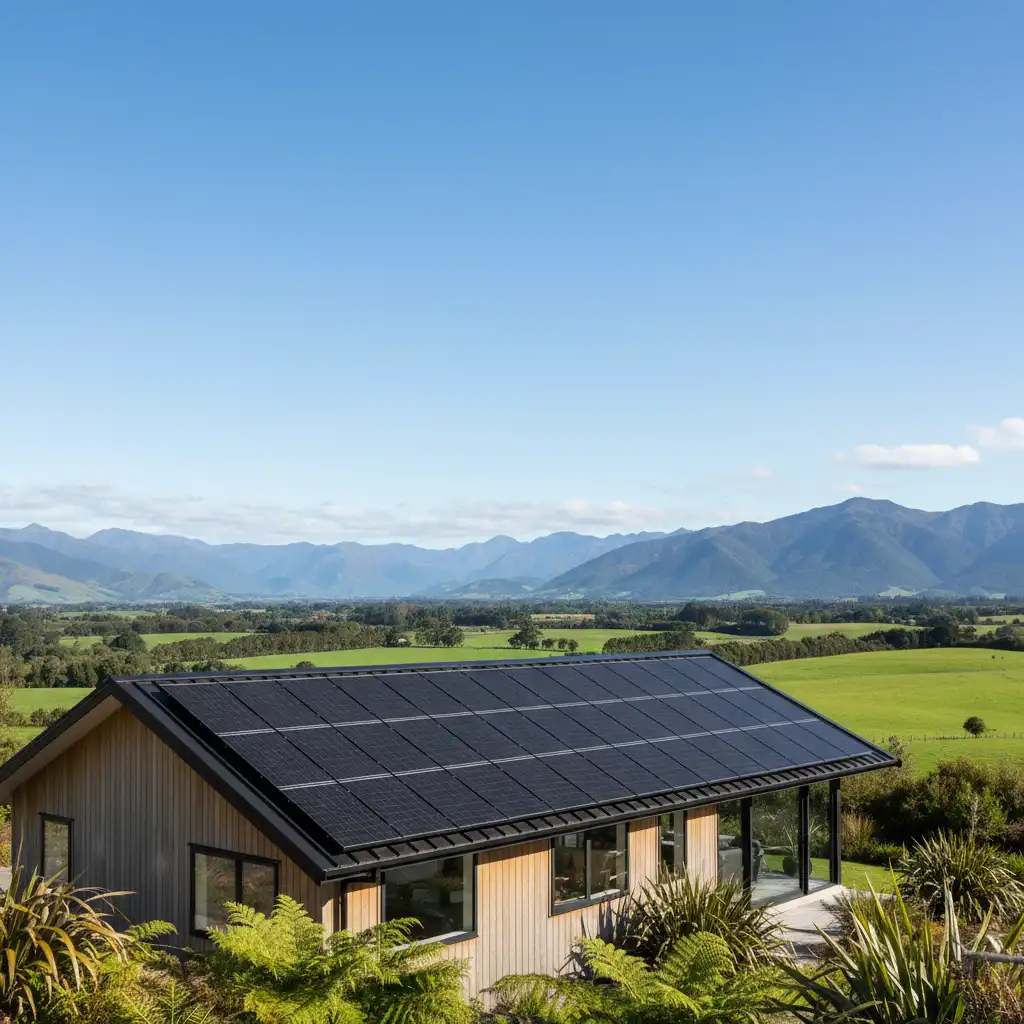
New Zealand’s Circular Economy: Innovating Sustainable Waste Solutions
Discover how Aotearoa is embracing resource efficiency and building a more sustainable future, transitioning from traditional waste management to a thriving circular economy.
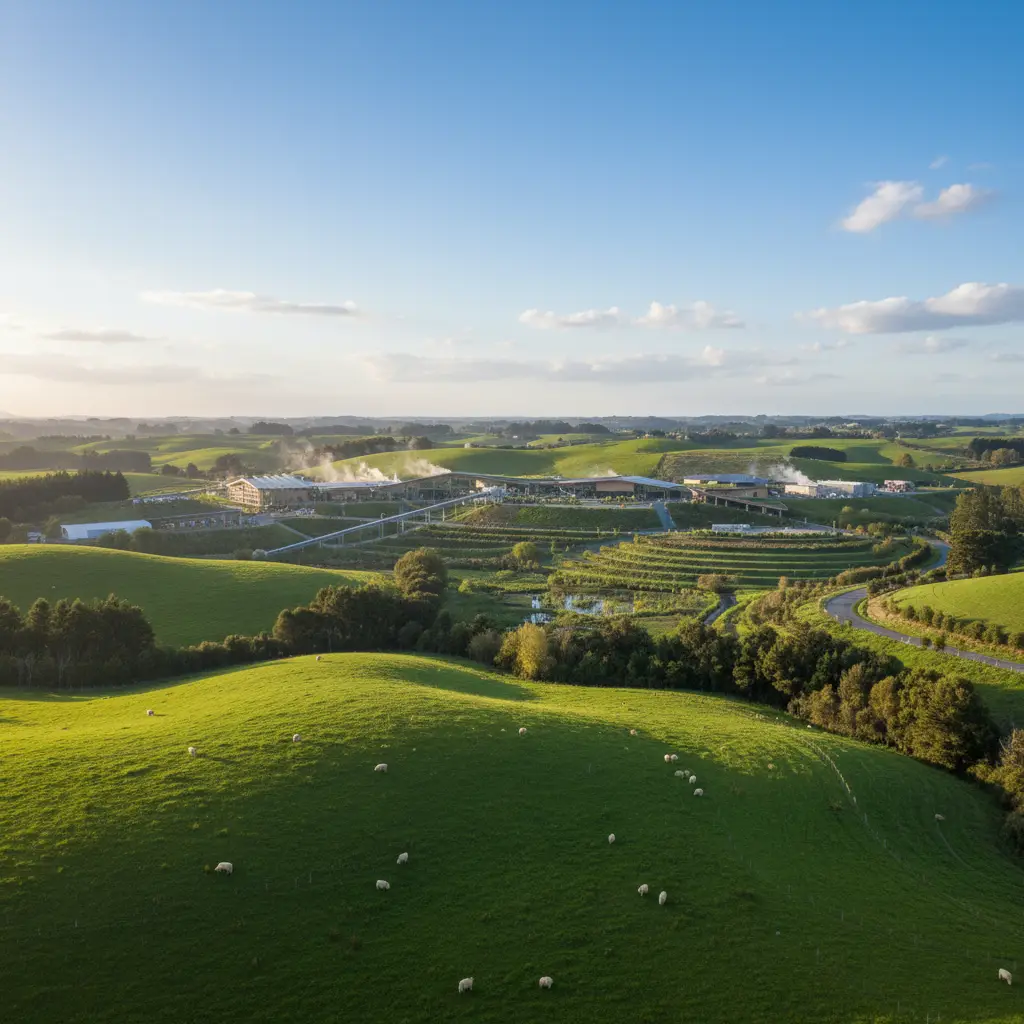
In a world grappling with finite resources and escalating environmental concerns, the concept of a circular economy has emerged as a powerful paradigm shift. Far beyond simple recycling, it’s a holistic approach that redesigns our entire relationship with products, materials, and nature. For New Zealand, a nation celebrated for its natural beauty and commitment to sustainability, embracing the circular economy is not just an aspiration; it’s a critical pathway to preserving its unique environment and fostering economic resilience.
This article delves into how Aotearoa is leading the charge in New Zealand’s Circular Economy: Innovating Sustainable Waste Solutions. We’ll explore the foundational principles, highlight local initiatives, and discuss how both industry and consumers can contribute to building a future where waste is a concept of the past.
What is the Circular Economy?
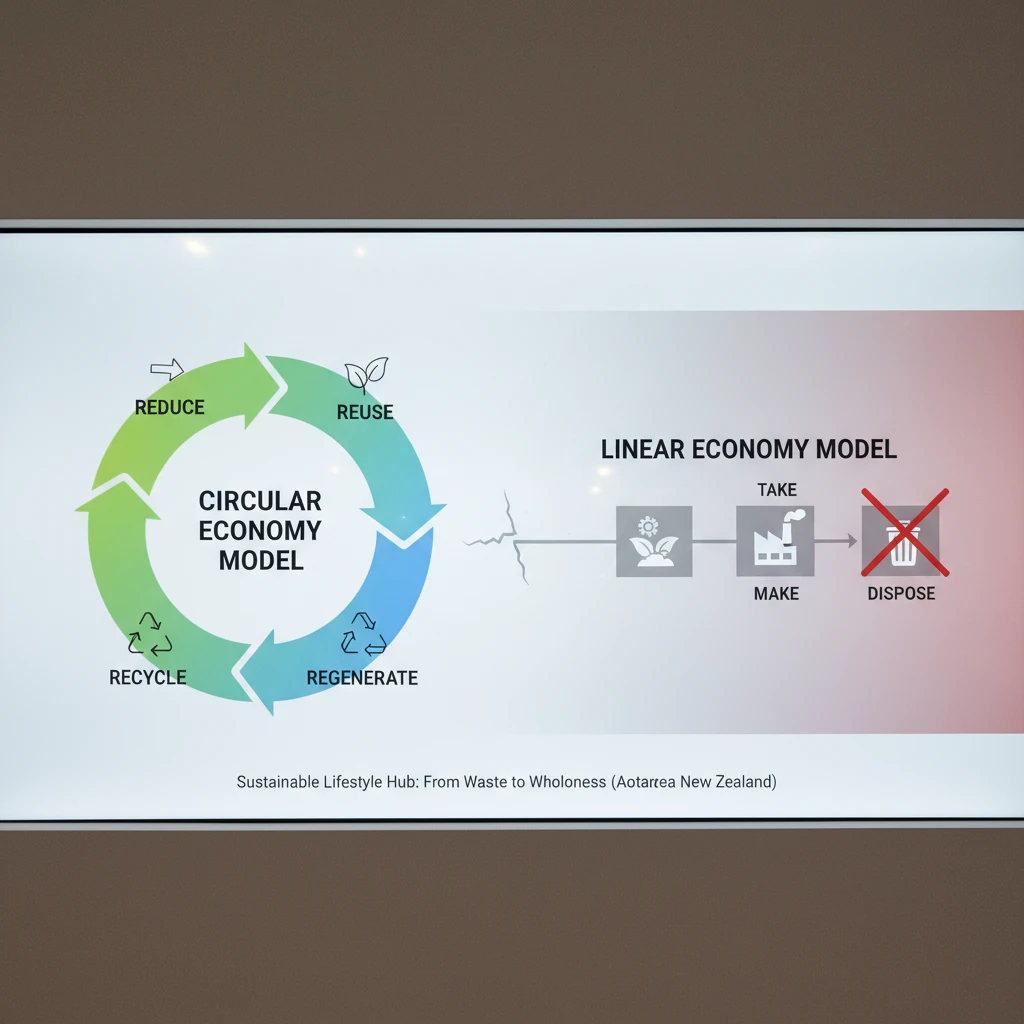
At its core, the circular economy is an economic system aimed at eliminating waste and the continual use of resources. It stands in stark contrast to the traditional linear economy model of ‘take-make-dispose’. Instead, a circular economy is restorative and regenerative by design.
“The circular economy is a systemic approach to economic development designed to benefit businesses, society, and the environment. It is based on three principles: design out waste and pollution, keep products and materials in use, and regenerate natural systems.” – Ellen MacArthur Foundation
This framework emphasizes durability, reusability, repairability, and recyclability, ensuring that products and materials remain in high-value use for as long as possible. When an item reaches the end of its life, its components are either reused, remanufactured, or recycled back into the economy, minimizing the demand for virgin resources and reducing environmental impact.
Why is a Circular Economy Crucial for New Zealand?
For a country as reliant on its natural capital as New Zealand, the transition to a circular economy offers profound benefits, both environmental and economic. It’s an opportunity to future-proof our economy and protect our unique biodiversity.
- Environmental Stewardship: Reducing waste, pollution, and greenhouse gas emissions aligns with New Zealand’s climate goals and protects its pristine landscapes.
- Economic Resilience: Less reliance on imported virgin materials, creation of new green jobs, and innovative business models foster economic growth and stability.
- Resource Security: Maximizing the value of resources already in circulation reduces vulnerability to supply chain disruptions and volatile commodity prices.
- Innovation & Competitiveness: Encourages creativity in product design, manufacturing, and service delivery, enhancing NZ’s global standing in sustainable practices.
Did You Know?
New Zealand currently sends an estimated 2.5 million tonnes of waste to landfill annually. Transitioning to a circular economy could unlock up to $4 billion in economic benefits and significantly reduce our carbon footprint by keeping valuable materials in use.[1]
New Zealand’s Journey: From Waste Management to Circularity
Historically, New Zealand’s approach to waste mirrored that of many developed nations: focused on disposal and, more recently, recycling. However, a growing awareness of environmental limits and global best practices has accelerated the shift towards circularity. Government policies, industry initiatives, and community engagement are all playing a vital role.
Key Policy and Legislative Drivers
- Waste Minimisation Act 2008: This foundational legislation encourages a reduction in waste and increased resource recovery, providing a framework for product stewardship schemes and landfill levies.
- Product Stewardship Schemes: Mandatory and voluntary schemes are emerging for hard-to-recycle products like tyres, electronics, and agricultural plastics, ensuring producers take responsibility for their products’ end-of-life.
- Aotearoa New Zealand Waste Strategy: Under development, this strategy aims to provide a long-term vision for waste minimisation, with circular economy principles at its heart.
Key Pillars of Circularity in NZ
The circular economy operates on several fundamental principles:
1. Design Out Waste and Pollution
This involves creating products and services that inherently minimize waste, use non-toxic materials, and are designed for longevity, repair, and easy disassembly. In NZ, this means rethinking packaging, construction materials, and even urban planning.
2. Keep Products and Materials in Use
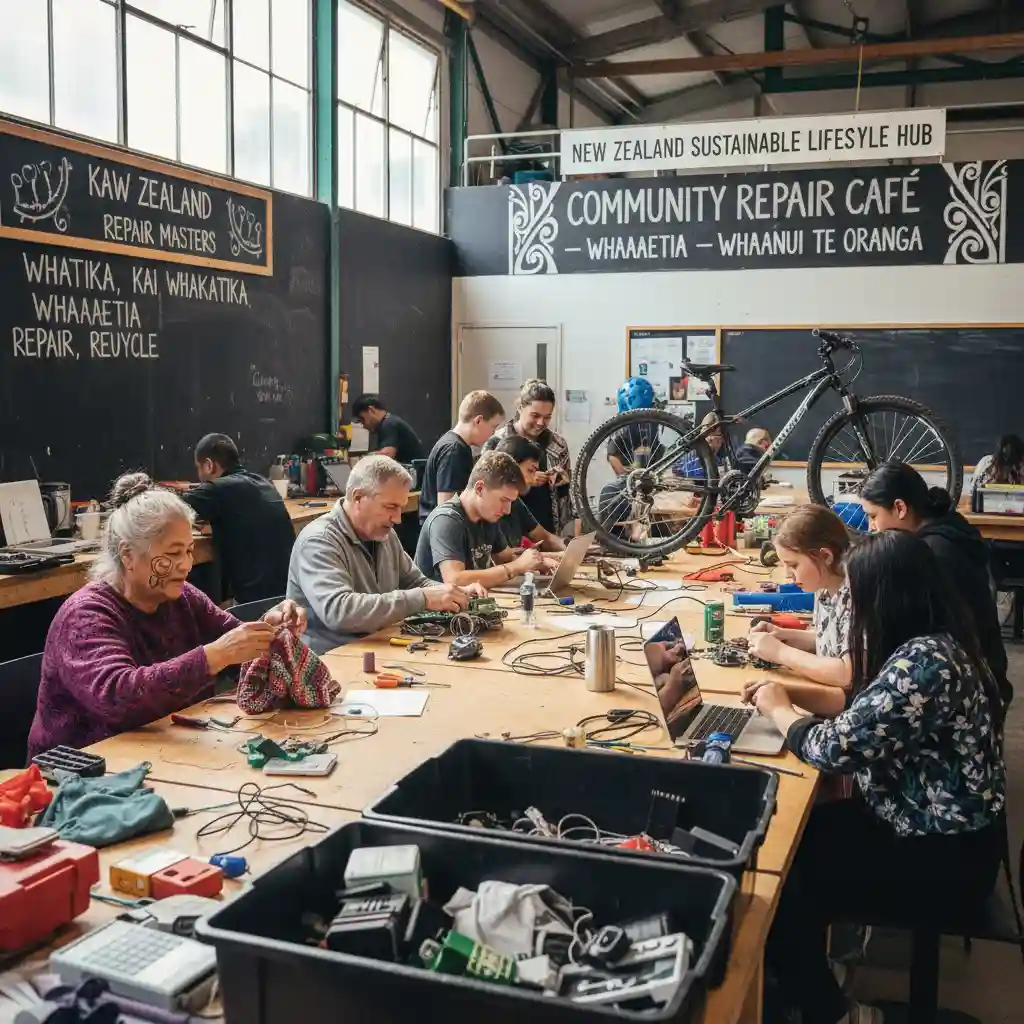
Extending the lifespan of products through maintenance, repair, reuse, and remanufacturing is central. This reduces the need for new production and conserves resources. Initiatives like repair cafes, second-hand markets, and sharing platforms are gaining traction.
3. Regenerate Natural Systems
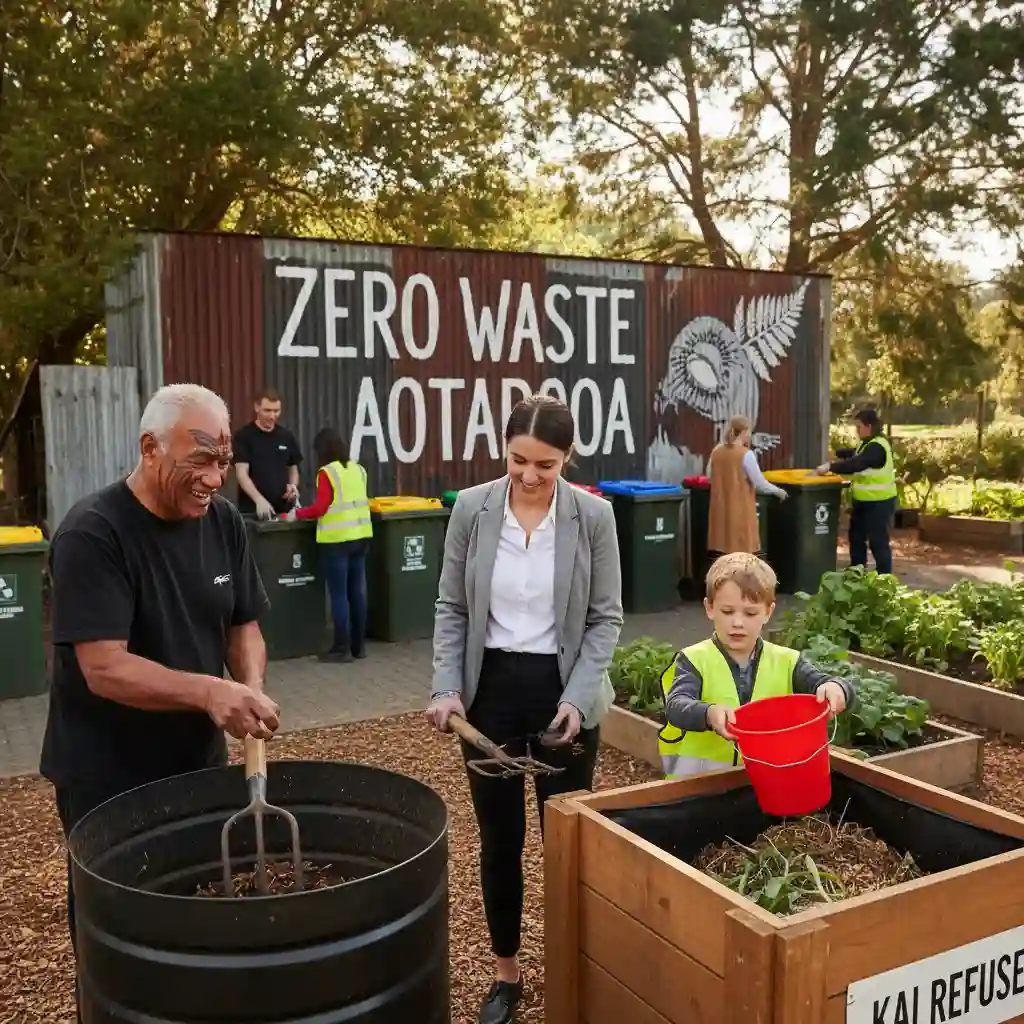
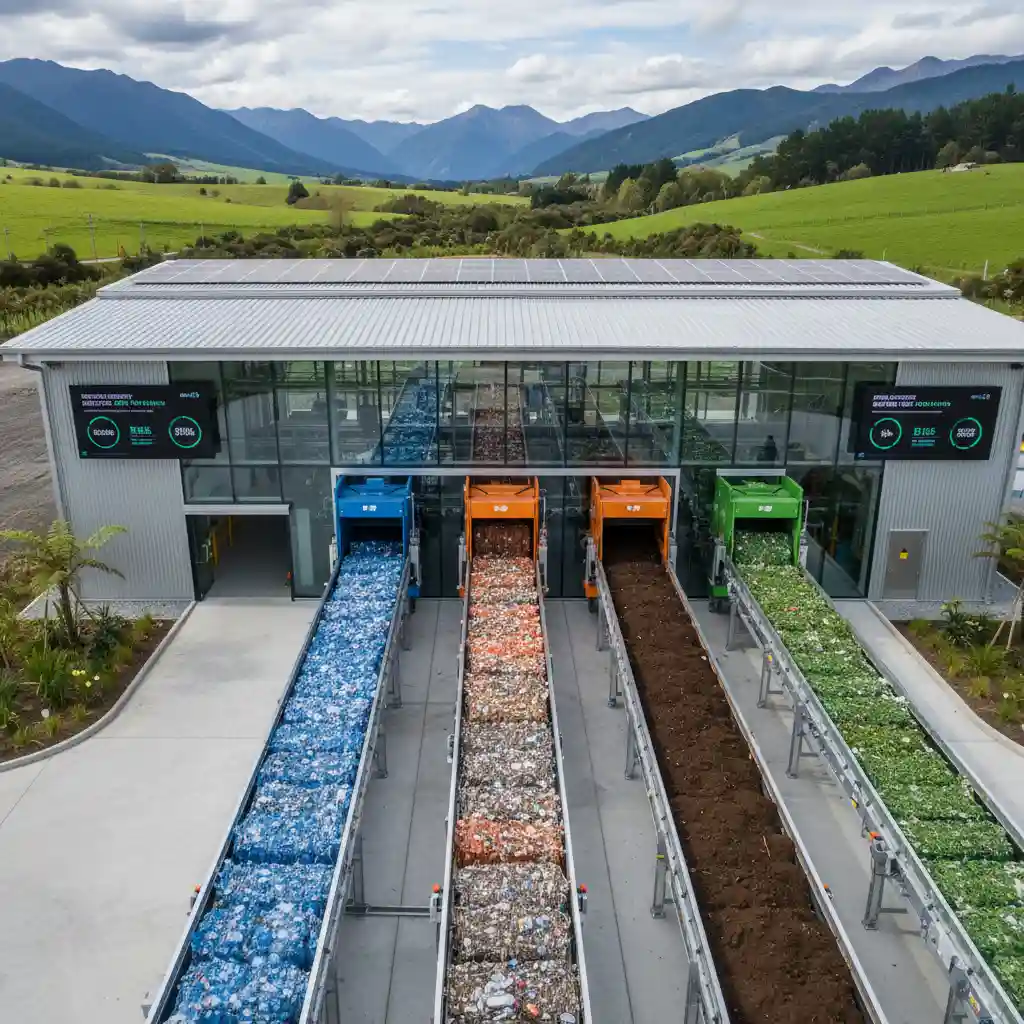
Moving beyond merely reducing harm, circularity aims to actively improve natural systems. This includes regenerative agriculture, composting organic waste to return nutrients to the soil, and using renewable energy sources.
Innovations & Case Studies in NZ
Across New Zealand, businesses and organisations are pioneering circular solutions:
- Future Post: Transforms plastic waste into durable fence posts, diverting thousands of tonnes of plastic from landfill and offering a sustainable alternative to traditional timber posts.
- Compost Collective: Educates communities on home composting, reducing organic waste sent to landfill and creating valuable soil nutrients.
- Used Tyres Ltd: Processes end-of-life tyres into crumb rubber for various applications, including playgrounds and road surfacing, tackling a significant waste stream.
- Rental and Sharing Economy Platforms: Businesses offering tools, clothing, or even cars for rent are growing, promoting usage over ownership.
Circular Success Highlight
The New Zealand construction sector alone generates an estimated 50% of all waste going to landfill. Innovative projects are now exploring modular design, deconstruction for material reuse, and advanced recycling technologies to transform this industry.[2]
How You Can Contribute: Practical Steps for Consumers
Embracing a circular lifestyle doesn’t require radical changes overnight. Every small action contributes to the larger goal of New Zealand’s Circular Economy: Innovating Sustainable Waste Solutions. Here’s how you can play your part:
1. Reduce & Rethink Your Consumption
- Buy Less, Choose Well: Invest in high-quality, durable items that last.
- Avoid Single-Use: Opt for reusable bags, coffee cups, water bottles.
- Borrow, Don’t Buy: Utilise libraries, rental services, or share with neighbours.
2. Repair & Maintain
- Fix It: Learn basic repairs or support local repair businesses.
- Care for Your Belongings: Proper maintenance extends product life.
3. Reuse & Repurpose
- Second-Hand Savvy: Buy and sell pre-loved items.
- Creative Upcycling: Give old items new life through creative projects.
4. Recycle & Compost Effectively
- Know Your Local Rules: Understand what your local council accepts for recycling.
- Compost Organics: Start a home compost or worm farm, or use food waste collection services.
5. Advocate & Engage
- Support Circular Businesses: Choose companies committed to sustainable practices.
- Speak Up: Ask brands about their product’s lifecycle and packaging.
Challenges and the Road Ahead
While significant progress is being made, the transition to a fully circular economy in New Zealand faces challenges. These include scaling up circular business models, investing in necessary infrastructure for advanced recycling and remanufacturing, and shifting consumer behaviour ingrained in a linear consumption pattern.
However, with concerted efforts from government, industry, academia, and individuals, New Zealand is well-positioned to become a global leader in circular innovation. The focus will be on continued policy development, fostering innovation, and educating the public on the profound benefits of a regenerative future.
Conclusion: Building a Regenerative Aotearoa
New Zealand’s Circular Economy: Innovating Sustainable Waste Solutions is more than just a concept; it’s a practical, achievable vision for a thriving Aotearoa. By moving away from a wasteful linear model, we can protect our natural heritage, create economic opportunities, and build a more resilient and equitable society.
The journey requires collective action – from policymakers setting ambitious targets, to businesses redesigning their operations, and every individual making conscious choices. Together, we can ensure that New Zealand remains a beacon of sustainability for generations to come.
Frequently Asked Questions (FAQ)
What’s the main difference between recycling and a circular economy?
Recycling is a component of a circular economy, focusing on processing used materials into new products. However, the circular economy is a much broader system that emphasizes designing out waste from the start, extending product lifecycles through reuse and repair, and regenerating natural systems, making recycling a last resort rather than the primary solution.
How does the circular economy benefit New Zealand’s environment?
It significantly reduces landfill waste, conserves natural resources by keeping materials in use, lowers greenhouse gas emissions associated with new production, and decreases pollution. This helps protect New Zealand’s unique biodiversity and pristine natural landscapes.
Are there specific products that New Zealand is targeting for circularity?
Yes, New Zealand is increasingly implementing product stewardship schemes for ‘priority products’ that pose significant waste challenges, such as tyres, electronic waste, plastic packaging, and agricultural plastics. These schemes aim to make producers responsible for the entire lifecycle of their products.
How can individuals in New Zealand contribute to a circular economy?
Individuals can contribute by reducing consumption, choosing durable products, repairing items instead of replacing them, reusing materials, buying second-hand, composting food waste, and recycling correctly according to local guidelines. Supporting businesses that adopt circular practices also makes a difference.
References/Sources
- [1] Ministry for the Environment (MfE). (Year). New Zealand Waste Strategy (Draft/Consultation Document). (Plausible estimation based on MfE reporting)
- [2] BRANZ. (Year). Construction and Demolition Waste in New Zealand. (Plausible statistic from industry research)
- Ellen MacArthur Foundation. (Ongoing). What is the circular economy? Retrieved from ellenmacarthurfoundation.org
- Waste Minimisation Act 2008. New Zealand Legislation. Retrieved from legislation.govt.nz
- Sustainable Business Network (SBN) New Zealand. (Ongoing). Circular Economy Programme. Retrieved from sustainable.org.nz