Ethical Wildlife Tourism: Guidelines for Responsible Travel
The allure of encountering wildlife in its natural habitat is undeniable. From majestic whales breaching in the Marlborough Sounds to playful kea in the Southern Alps, New Zealand offers unparalleled opportunities. But as our world shrinks and travel becomes more accessible, the responsibility to protect these incredible creatures and their homes falls squarely on us, the travellers. This article provides essential Ethical Wildlife Tourism guidelines for responsible travel, ensuring your adventures contribute positively to conservation.
Transitioning from a focus on technical waste management, our hub is dedicated to empowering consumers with choices that foster a sustainable lifestyle. Ethical wildlife tourism is a crucial part of this journey, demanding awareness and intentional action from every adventurer.
Why Ethical Wildlife Tourism Matters
Our desire to connect with nature’s marvels can, paradoxically, threaten them. Unregulated or irresponsible tourism can disrupt natural behaviours, damage habitats, and even contribute to the illegal wildlife trade. Understanding the profound implications of our actions is the first step towards truly responsible travel.
The Global Impact
Globally, wildlife tourism is a multi-billion dollar industry. When done right, it can be a powerful force for good, providing economic incentives for conservation and raising awareness. When done wrong, it leads to devastating consequences, including species decline and ecological degradation.
“Wildlife tourism, when managed responsibly, can provide a sustainable income for local communities and a powerful incentive to protect the natural environment.” – World Animal Protection
New Zealand’s Unique Vulnerabilities
New Zealand’s isolation has created a unique ecosystem with a high proportion of endemic species, many of which are flightless birds and marine mammals. This uniqueness also makes them incredibly vulnerable. Disturbances, however minor, can have disproportionately large impacts on these delicate populations.
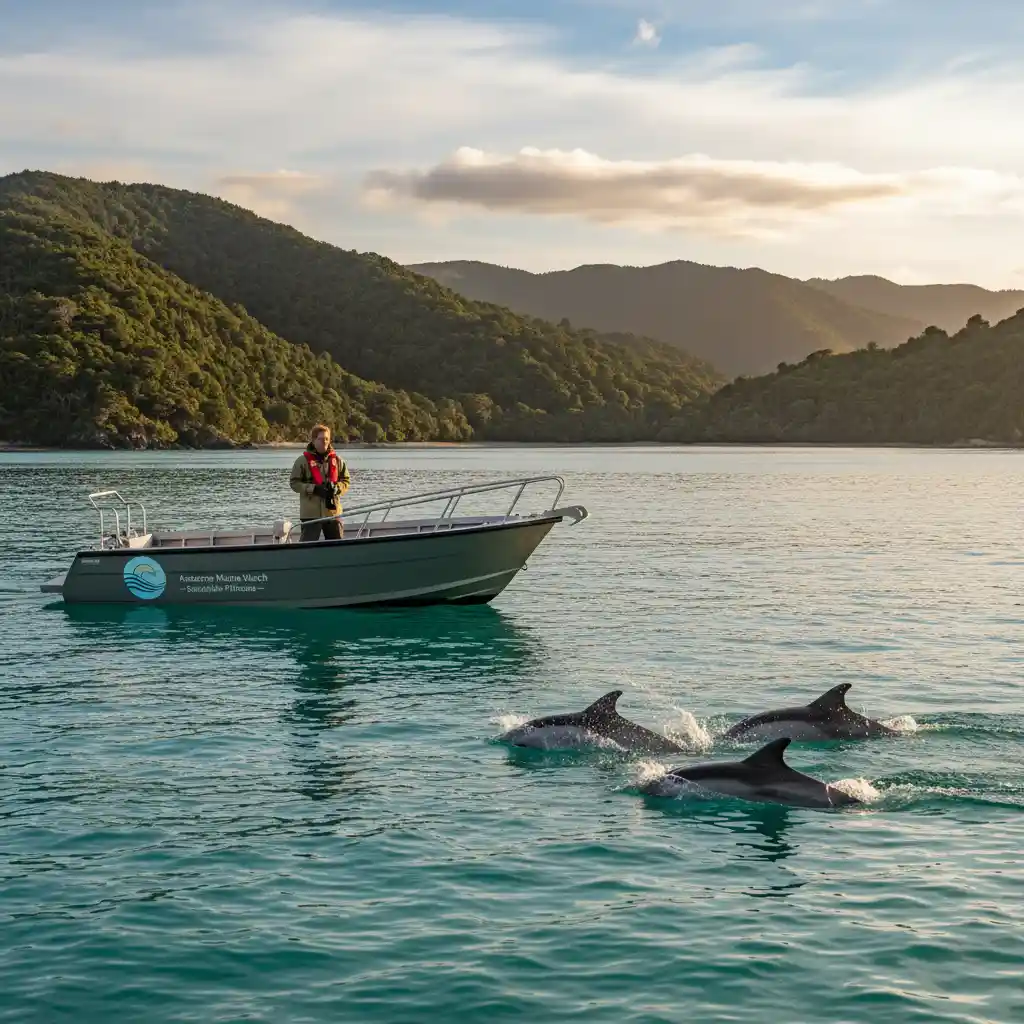
Fact: New Zealand’s Department of Conservation (DOC) has strict regulations in place to protect marine mammals, including approach distances and time limits. Respecting these rules is paramount for the welfare of species like the critically endangered Maui’s dolphin.
Guidelines for Responsible Wildlife Encounters
Adhering to these Ethical Wildlife Tourism guidelines for responsible travel will help ensure your experiences are enriching for you and harmless for the animals you encounter.
1. Research Before You Go
- Understand Local Regulations: Familiarise yourself with the rules and guidelines specific to the area you’re visiting. Many countries, including New Zealand, have legally mandated wildlife viewing codes.
- Learn About the Species: A basic understanding of the animals’ natural behaviours and needs will help you appreciate them more and avoid causing stress.
2. Choose Reputable Operators
This is perhaps the most critical step. A truly ethical operator prioritises animal welfare and conservation above profit. Look for companies that:
- Are certified by recognised eco-tourism or animal welfare organisations.
- Employ knowledgeable guides who educate visitors about wildlife and conservation.
- Adhere strictly to official guidelines for animal interaction (e.g., minimum approach distances, no feeding).
- Contribute to local conservation efforts or research.
- Have positive reviews specifically mentioning their ethical practices.
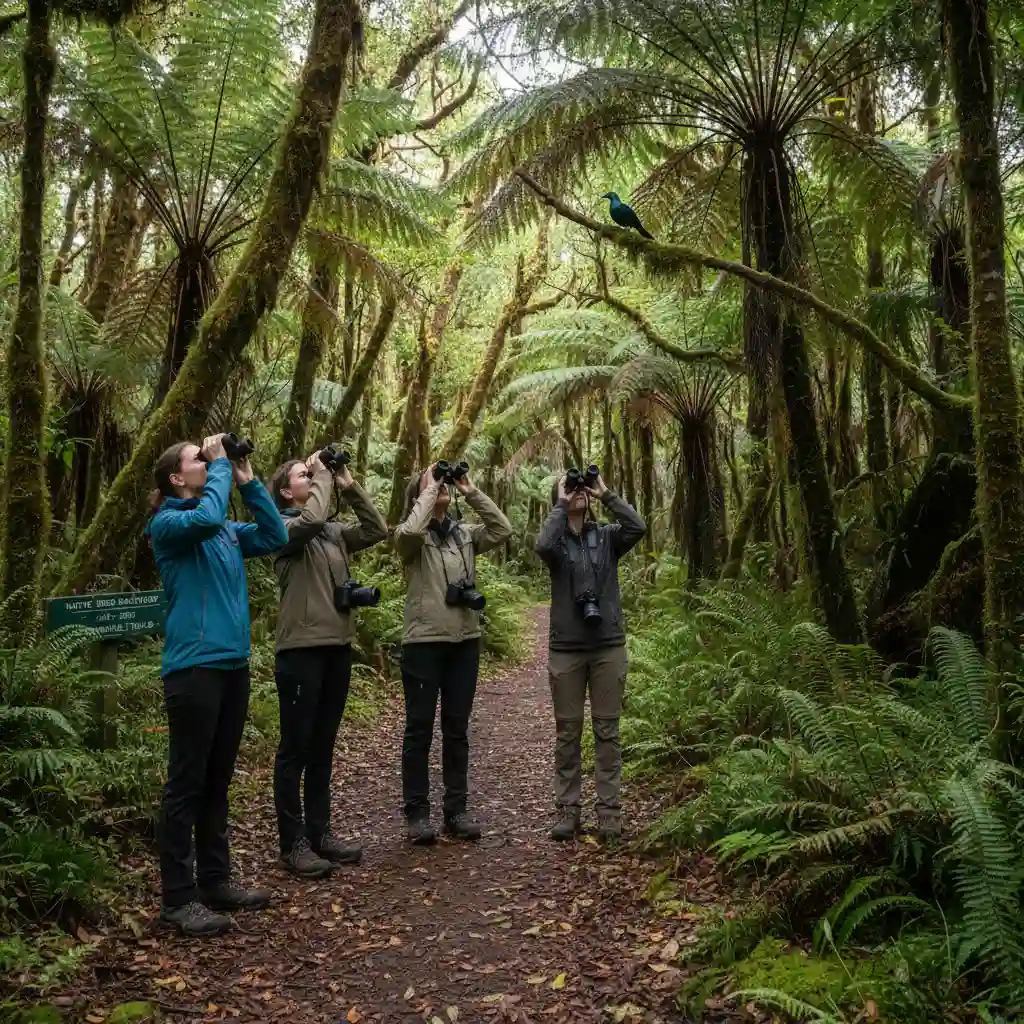
3. Observe from a Distance (And Respect Their Space)
Wild animals need their space. Disturbing them can disrupt feeding, breeding, and resting patterns, impacting their survival. Never approach or chase animals, and always use binoculars or a telephoto lens for closer views.
- If an animal shows signs of distress (e.g., changing direction, increased vocalisation, flinching), you are too close.
- Avoid sudden movements or loud noises.
4. Never Feed Wild Animals
Feeding wild animals can lead to dependency, aggression, altered dietary habits, and the spread of disease. It also habituates them to humans, making them more vulnerable to harm.
5. Minimise Your Environmental Footprint
- Stick to Trails: Stay on designated paths to avoid trampling delicate vegetation and disturbing ground-dwelling animals.
- Pack It In, Pack It Out: Leave no trace. Take all your rubbish with you.
- Sustainable Transport: Consider eco-friendly transport options to and from your destination.

6. Support Local Conservation Efforts
Beyond your immediate interactions, consider donating to reputable local conservation organisations or participating in volunteer programmes. Your contribution can directly fund habitat restoration, anti-poaching initiatives, and research.
Stat Callout: A 2022 survey found that 78% of travellers are willing to pay more for sustainable and ethical travel options, highlighting a growing demand for responsible tourism.
Common Pitfalls to Avoid
Not all wildlife encounters are created equal. Be wary of activities that involve:
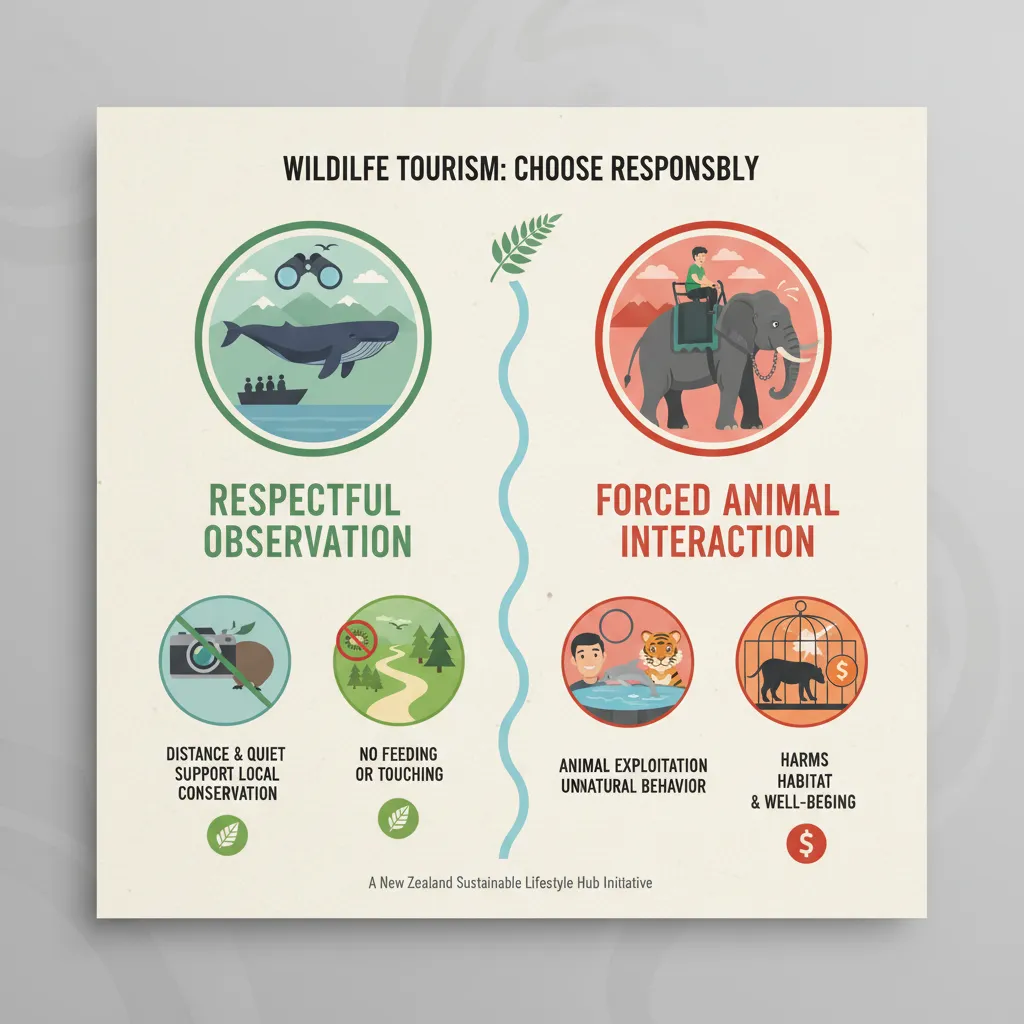
- Riding Elephants or Camels: Often involves cruel training methods and physical abuse.
- Swimming with Captive Dolphins: Can stress dolphins and put both animals and humans at risk. Opt for ethical boat tours that observe wild dolphins.
- Interacting with Sedated Predators: Holding tiger cubs or posing with lions often involves sedation, cruel confinement, and contributes to illegal wildlife trade.
- “Selfie Opportunities” with Wild Animals: If an animal looks like it’s being held or restrained for a photo, it’s almost certainly unethical.
The Power of Your Choices
Every decision you make as a traveller has ripple effects. By choosing ethical wildlife tourism, you are not just enjoying a memorable experience; you are actively contributing to the preservation of biodiversity, supporting local economies, and setting a precedent for a more sustainable future. Be a conscious traveller, advocate for wildlife, and share these Ethical Wildlife Tourism guidelines for responsible travel with others.
Frequently Asked Questions (FAQ)
What is ethical wildlife tourism?
Ethical wildlife tourism refers to travel experiences that prioritise the welfare of wild animals and their habitats, minimise negative environmental and cultural impacts, and contribute positively to conservation and local communities. It’s about observing animals respectfully in their natural environments without disturbance or exploitation.
How can I identify a truly ethical wildlife tour operator?
Look for operators with certifications from reputable eco-tourism or animal welfare bodies. They should have clear codes of conduct for animal interaction, employ expert guides who educate visitors, contribute to local conservation, and receive positive reviews that specifically praise their ethical practices. Avoid those promising guaranteed close contact or allowing physical interaction.
What are the biggest impacts of unethical wildlife tourism?
Unethical tourism can lead to animal stress, injury, altered natural behaviours (e.g., feeding dependency), habitat destruction, spread of disease, and even contribute to the illegal wildlife trade. It can also divert resources from genuine conservation efforts and harm local communities by attracting unsustainable practices.
Can I still have close encounters with wildlife ethically?
Yes, but ‘close’ means from a respectful and safe distance that doesn’t disturb the animal. Ethical operators facilitate viewing experiences using binoculars or telephoto lenses, or by positioning vessels/groups where animals are comfortable being observed naturally. The goal is to witness, not to interact physically.
How does my choice of tour operator affect local communities?
Ethical operators often employ local staff, source goods and services locally, and reinvest profits or contribute directly to community development projects. By supporting them, you help create sustainable livelihoods, empower local populations, and give communities a vested interest in protecting their natural heritage.
What should I do if I witness unethical animal treatment during a trip?
If safe to do so, politely express your concerns to the operator or guide. If the situation persists or is severe, document it (photos/videos, if possible, without endangering yourself), and report it to local authorities, conservation organisations (like the Department of Conservation in NZ), or international animal welfare groups (e.g., World Animal Protection) upon your return.
References & Sources
- Department of Conservation (DOC) New Zealand. Marine Mammals Code of Conduct. (Accessed November 2023).
- World Animal Protection. Wildlife Not Entertainers Campaign. (Accessed November 2023).
- Global Ecotourism Network (GEN). Principles of Ecotourism. (Accessed November 2023).
- Responsible Tourism Institute (RTI). Responsible Tourism Certification. (Accessed November 2023).
- Auckland Zoo. Conservation at Home and Abroad. (Accessed November 2023).