Empowering Kiwis: Community Initiatives for Biodiversity
Uniting for Nature: How Local Action Drives a Sustainable Future for Aotearoa
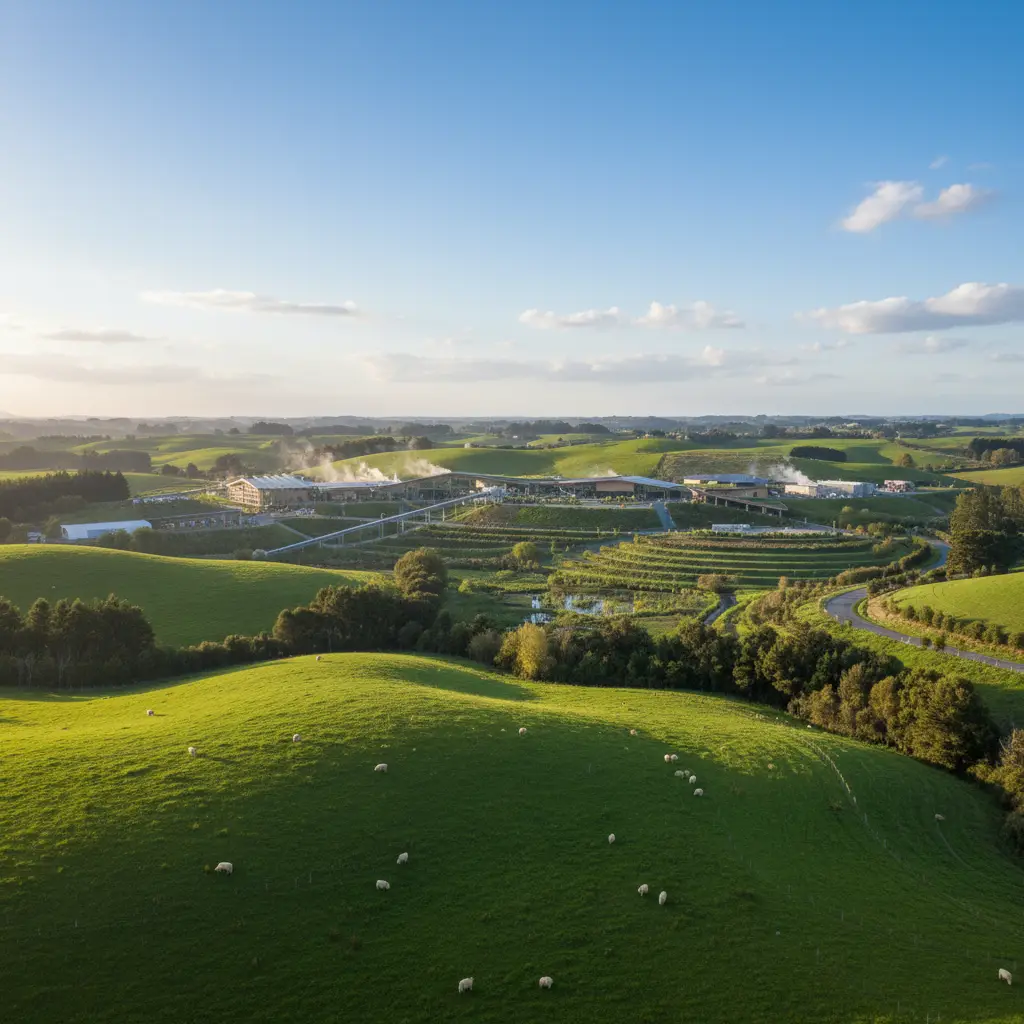
Aotearoa New Zealand, a land of unparalleled natural beauty, is also a global hotspot for unique biodiversity. Yet, our precious native flora and fauna face significant threats from introduced pests, habitat loss, and climate change. While government initiatives and scientific research play crucial roles, the true strength of conservation often lies closer to home: in the hands of everyday Kiwis. This article explores how Empowering Kiwis: Community Initiatives for Biodiversity are making a tangible difference, fostering a deeper connection to our environment, and building a more sustainable future for all.
From regenerating native forests to protecting endangered species and restoring crucial waterways, community groups across New Zealand are proving that collective action can lead to profound ecological regeneration. Discover how these grassroots efforts are not just preserving nature, but also enriching communities and strengthening our national identity.
Table of Contents
- The Uniqueness of Aotearoa’s Biodiversity and Its Threats
- The Power of Local Action: Why Community Matters
- Key Pillars of Community-Led Biodiversity Initiatives
- How You Can Get Involved and Empower Your Community
- The Broader Impact: From Local to National Flourishing
- Frequently Asked Questions (FAQs)
- References/Sources
The Uniqueness of Aotearoa’s Biodiversity and Its Threats
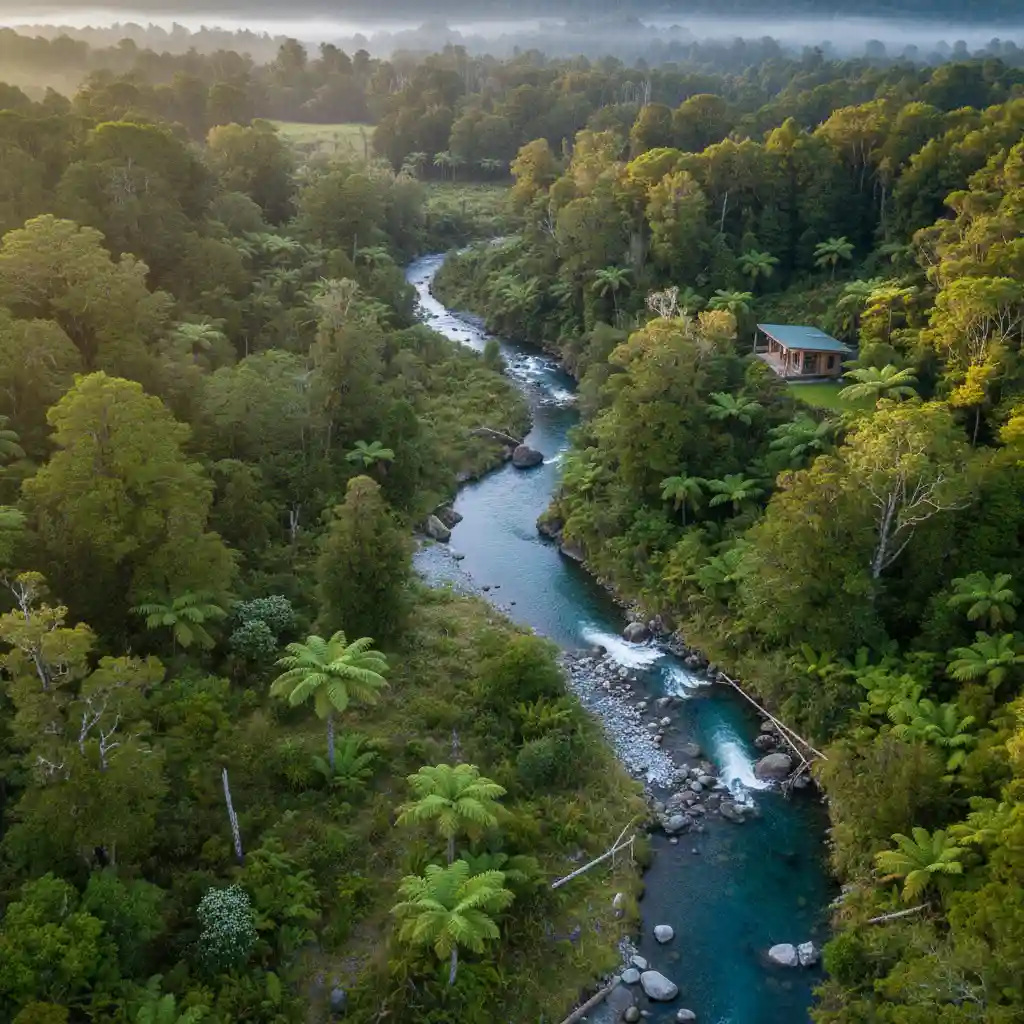
New Zealand’s long isolation has fostered an extraordinary evolutionary path, resulting in a high degree of endemism – species found nowhere else on Earth. From flightless birds like the kiwi and kākāpō to ancient kauri forests and unique marine life, our natural heritage is truly a global treasure. However, this uniqueness also makes our ecosystems particularly vulnerable.
Since human arrival, New Zealand has experienced a devastating loss of biodiversity. Over 50 bird species have become extinct, and today, more than 4,000 native species are classified as threatened or at risk. This sobering reality underscores the urgent need for action. The challenges are vast, but so too is the potential for positive change when Empowering Kiwis: Community Initiatives for Biodiversity take the lead.
The Power of Local Action: Why Community Matters
While national strategies are essential, biodiversity conservation is often most effective when rooted in local communities. Local residents possess invaluable knowledge of their immediate environment, are directly impacted by ecological changes, and have a vested interest in the health of their backyard. Community initiatives foster a sense of ownership, stewardship, and collective responsibility.
“Conservation is not just about protecting nature; it’s about connecting people with their natural heritage and empowering them to be guardians of their own environment.”
These groups often operate with incredible efficiency, driven by passion and volunteerism, extending the reach of conservation far beyond what government agencies alone could achieve. They build social capital, educate younger generations, and create vibrant, resilient communities that thrive alongside a flourishing natural world.
Key Pillars of Community-Led Biodiversity Initiatives
Community groups engage in a diverse range of activities, each vital for protecting and enhancing New Zealand’s unique ecosystems. Here are some of the most impactful approaches:
Restoration & Reforestation: Bringing Back the Bush
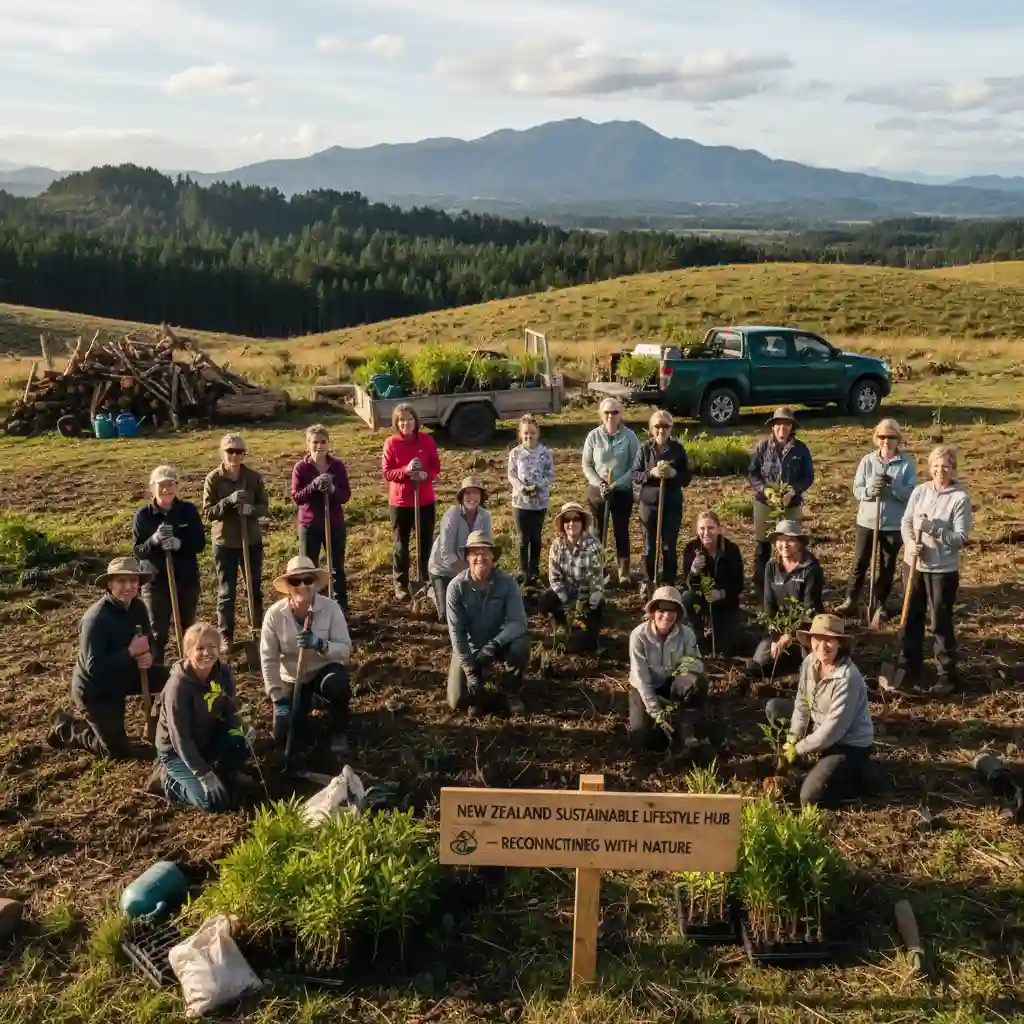
Native tree planting days are a quintessential community effort. Volunteers dedicate countless hours to re-establishing indigenous forests, restoring wetlands, and creating vital corridors for wildlife. These projects improve air and water quality, prevent soil erosion, and provide essential habitat for birds, insects, and other creatures. Seeing a bare paddock transform into a thriving native bush is incredibly rewarding.
Pest Control & Biosecurity: Protecting Our Natives
Introduced predators like stoats, rats, and possums pose the biggest threat to New Zealand’s native species. Community trapping lines, often spanning vast areas, are critical to reducing pest numbers. These dedicated volunteers manage traps, monitor populations, and contribute directly to the survival of endangered birds and insects. Weedbusters groups tackle invasive plant species that choke out native flora, ensuring healthy ecosystems can flourish.
Waterway & Coastal Cleanup: Nurturing Our Waters
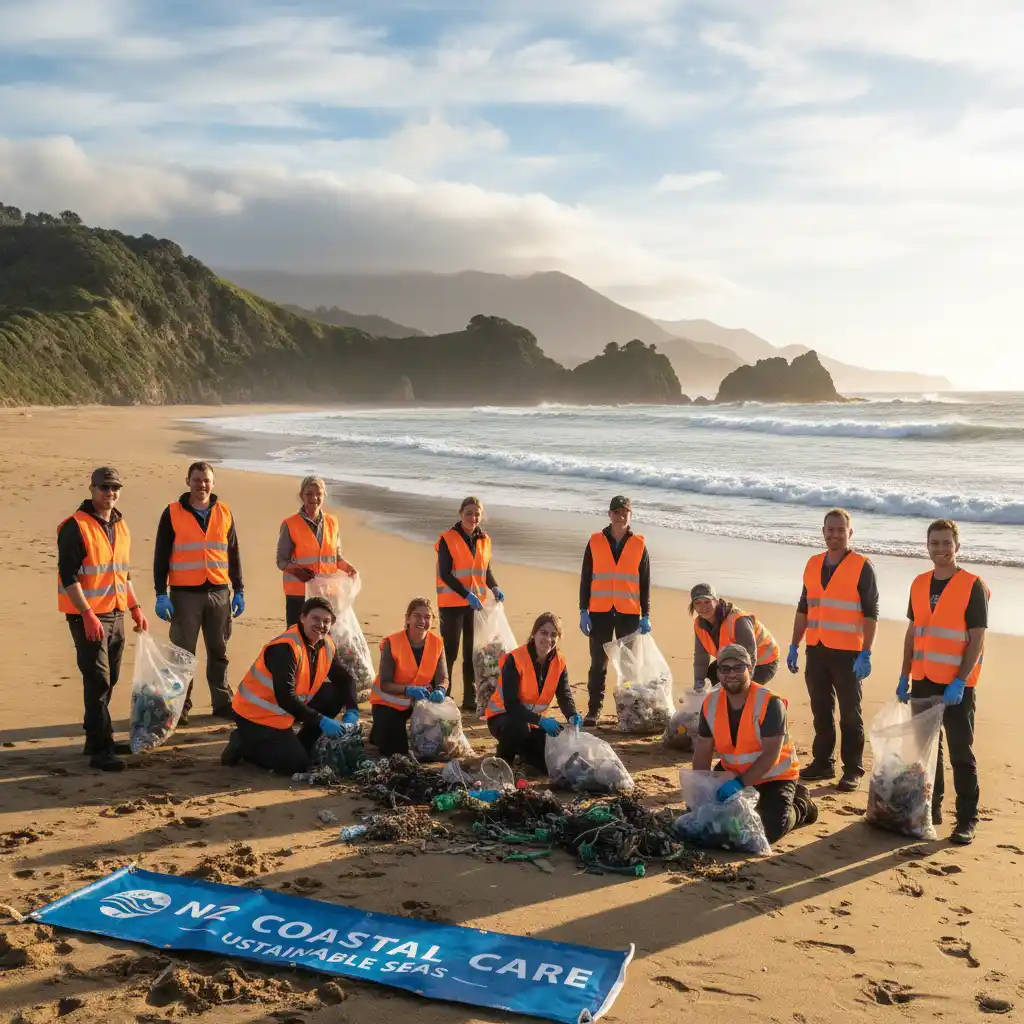
Our rivers, lakes, and coastlines are arteries of life, but they face pollution and degradation. Community groups regularly organise clean-up drives, removing litter and debris that harm aquatic life. Many also engage in riparian planting (planting alongside waterways) to filter runoff, stabilise banks, and enhance freshwater habitats. These efforts are crucial for both marine and freshwater biodiversity.
Citizen Science & Monitoring: Eyes and Ears on the Ground
Many community initiatives involve citizen science – members of the public collecting valuable data for scientific research. This could involve bird counts, water quality testing, insect surveys, or monitoring specific species. Such data helps track ecological health, identify emerging threats, and measure the impact of conservation efforts. It’s an excellent way for individuals to contribute to a larger scientific understanding of biodiversity.
How You Can Get Involved and Empower Your Community
Feeling inspired? There are countless ways for you to contribute to Empowering Kiwis: Community Initiatives for Biodiversity. Whether you have an hour a week or just a single day to spare, your efforts can make a real difference.
1. Identify a Local Need
Look around your local park, reserve, or waterway. Is there rubbish? Are there invasive weeds? Is there an area that could benefit from native planting? Sometimes, the most impactful initiatives start with simply observing a local problem that needs solving.
2. Connect with Existing Groups
New Zealand has hundreds of active conservation groups. Search online for local trusts, Friends of groups (e.g., Friends of the Bush, Friends of the River), or contact your local council or Department of Conservation office. Volunteering with an established group is an excellent way to learn, gain experience, and meet like-minded people. Many groups are always looking for extra hands for planting days, pest checks, or admin support.
3. Start Your Own Initiative
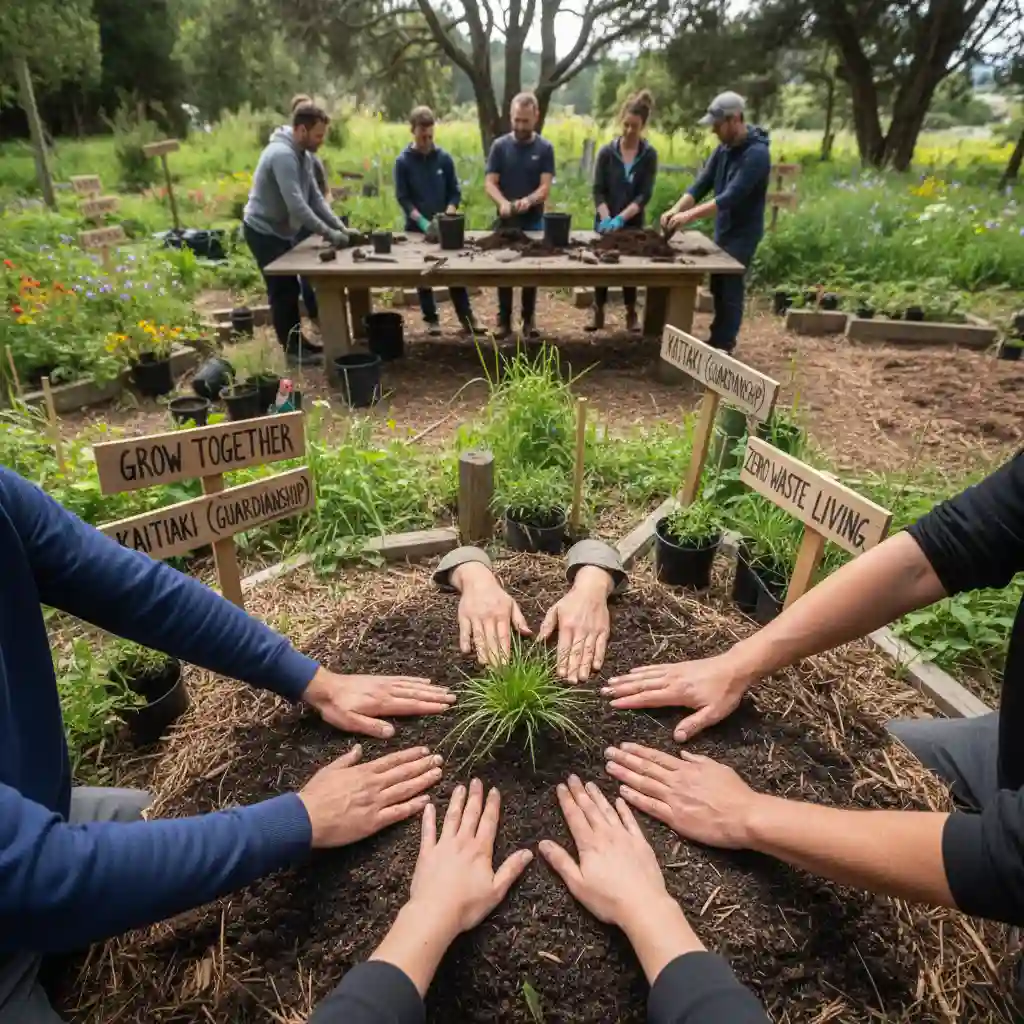
If there isn’t a group addressing a particular need in your area, consider starting your own! Begin small, perhaps with a few neighbours, and define a clear, achievable goal. Local councils, environmental trusts, and even some businesses offer grants and support for nascent community projects. The journey of a thousand trees begins with a single seed.
4. Educate and Advocate
Even if you can’t commit to physical work, you can still contribute by educating yourself and others about local biodiversity issues. Share information, talk to friends and family, and advocate for policies that support conservation. Your voice has power in encouraging broader community engagement and political will.
The Broader Impact: From Local to National Flourishing
The cumulative effect of thousands of community initiatives creates a powerful national movement. Every restored stream, every pest-free patch of bush, and every thriving native garden contributes to a larger ecological network. These efforts align with national goals like Predator Free 2050 and the wider movement towards a sustainable, biodiverse New Zealand.
By Empowering Kiwis: Community Initiatives for Biodiversity, we’re not just saving species; we’re also building stronger communities, fostering environmental education, and reinforcing our unique identity as people connected to this land. The transition from technical waste management and legislation focus to broader consumer topics like biodiversity highlights a growing understanding that sustainability is a holistic endeavour, deeply integrated into our daily lives and communal actions.
Frequently Asked Questions (FAQs)
What is biodiversity and why is it important for New Zealand?
Biodiversity refers to the variety of life on Earth, including plants, animals, fungi, and microorganisms, and the ecosystems they form. For New Zealand, with its high number of unique (endemic) species, biodiversity is crucial for ecological health, cultural identity, and even economic well-being through tourism and primary industries. It provides essential ecosystem services like clean air and water, pollination, and soil fertility.
How do community initiatives for biodiversity differ from government-led projects?
While government agencies like the Department of Conservation (DOC) lead large-scale conservation efforts and policy, community initiatives are typically grassroots, volunteer-driven efforts focusing on specific local areas. They often have deeper local knowledge, engage residents directly, and foster a strong sense of community ownership, complementing broader governmental strategies.
What are some common activities performed by community biodiversity groups?
Common activities include native tree planting and reforestation, predator control (trapping rats, stoats, possums), invasive weed removal, stream and coastal clean-ups, water quality monitoring, and citizen science projects like bird counts or invertebrate surveys. These activities collectively help restore habitats and protect native species.
How can I find a local biodiversity initiative to join in New Zealand?
You can start by searching online for local conservation trusts, ‘Friends of’ groups (e.g., Friends of [Local Park/River]), or environmental volunteer organisations in your region. Your local council or the Department of Conservation website often lists community groups they support or collaborate with. Websites like Conservation Volunteers New Zealand or Jobs for Nature also provide resources.
Do I need specific skills or experience to volunteer for biodiversity initiatives?
No, most community biodiversity initiatives welcome volunteers of all skill levels. While some roles might require specific expertise (e.g., chainsaw operation), the majority of tasks like planting, weeding, or basic trapping maintenance are easy to learn on the job. Enthusiasm and a willingness to contribute are the most important requirements.
References/Sources
- Department of Conservation (DOC). (2023). Threatened species in New Zealand. Retrieved from doc.govt.nz/our-work/conservation-status/threatened-species/
- Ministry for the Environment. (2022). Environment Aotearoa 2022. Retrieved from environment.govt.nz/publications/environment-aotearoa-2022/
- Forest & Bird. (n.d.). Our Work. Retrieved from forestandbird.org.nz/our-work
- Predator Free 2050 Ltd. (n.d.). About Us. Retrieved from predatorfree2050.org/about-us