Empowering Communities: Advocacy for Cycling and Walking in Aotearoa
Discover how collective action can transform our towns and cities into vibrant, healthy, and sustainable spaces through active transport advocacy.
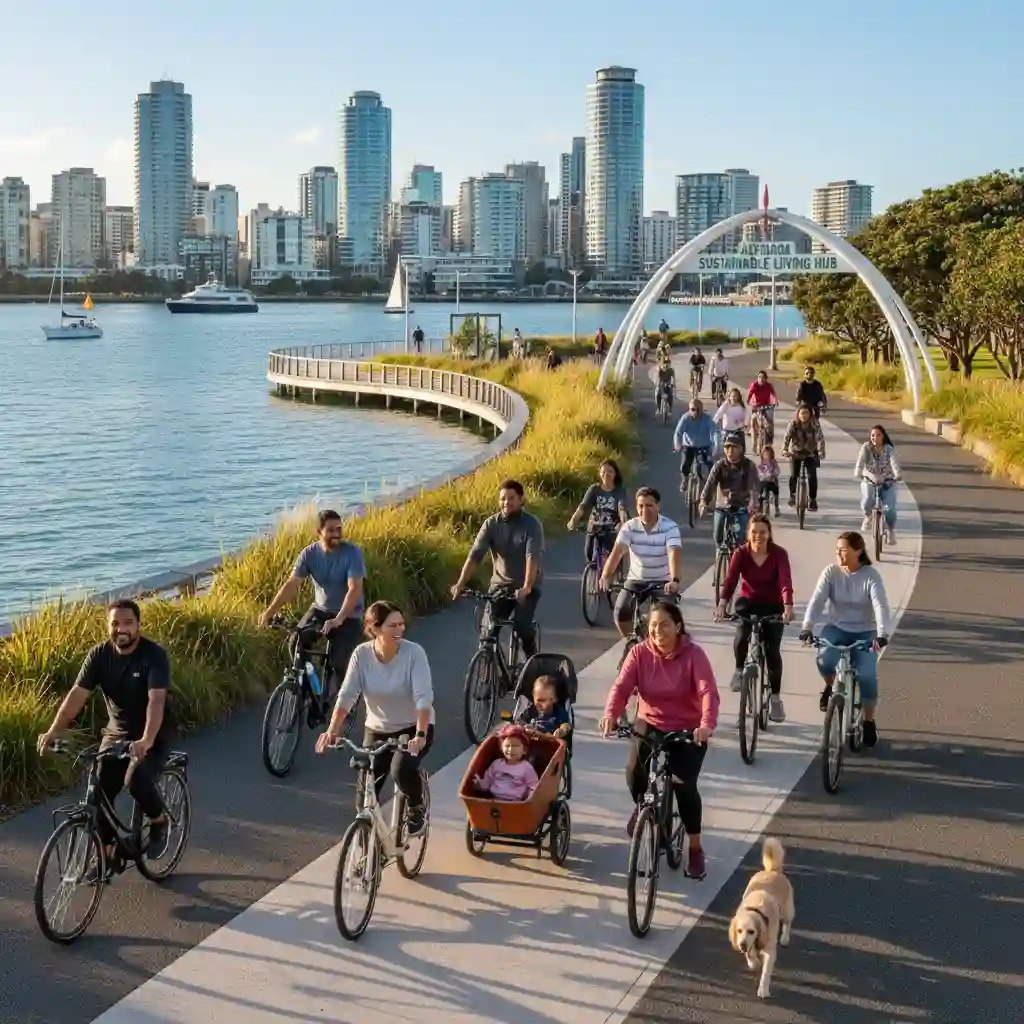
Table of Contents
Unlocking Health, Environment, and Connection
In an increasingly complex world, the simplest solutions often hold the most profound impact. When we talk about Empowering Communities: Advocacy for Cycling and Walking, we’re not just discussing modes of transport; we’re envisioning a future where New Zealand’s towns and cities are healthier, greener, and more connected.
Active transport – cycling and walking – offers a powerful pathway to sustainability, well-being, and genuine community engagement. Yet, for these benefits to be fully realised, they need champions. They need advocates who understand the vision and are prepared to drive change.
This article delves into the transformative potential of active transport advocacy, exploring its benefits, offering practical steps for engagement, and inspiring collective action across Aotearoa.
Understanding the Power of Active Transport Advocacy
Advocacy for cycling and walking is about more than just asking for a new bike lane. It’s about shaping public policy, influencing urban planning, and shifting cultural norms to prioritise human-centric design over car-centric infrastructure. It’s about ensuring our communities are accessible, safe, and enjoyable for everyone, regardless of age or ability.
“The greatest changes often begin with a single, passionate voice, amplified by the chorus of an empowered community.”
Stat Callout:
A recent study showed that cities investing in active transport infrastructure experienced a 20-30% reduction in traffic congestion and a corresponding increase in local retail foot traffic by up to 15%. (Source: Sustainable Cities Institute, 2023)
By advocating for better cycling and walking facilities, we directly contribute to healthier populations, reduced carbon emissions, and more vibrant local economies. It’s a win-win for individuals and the collective.
The New Zealand Context: Why Active Transport Matters
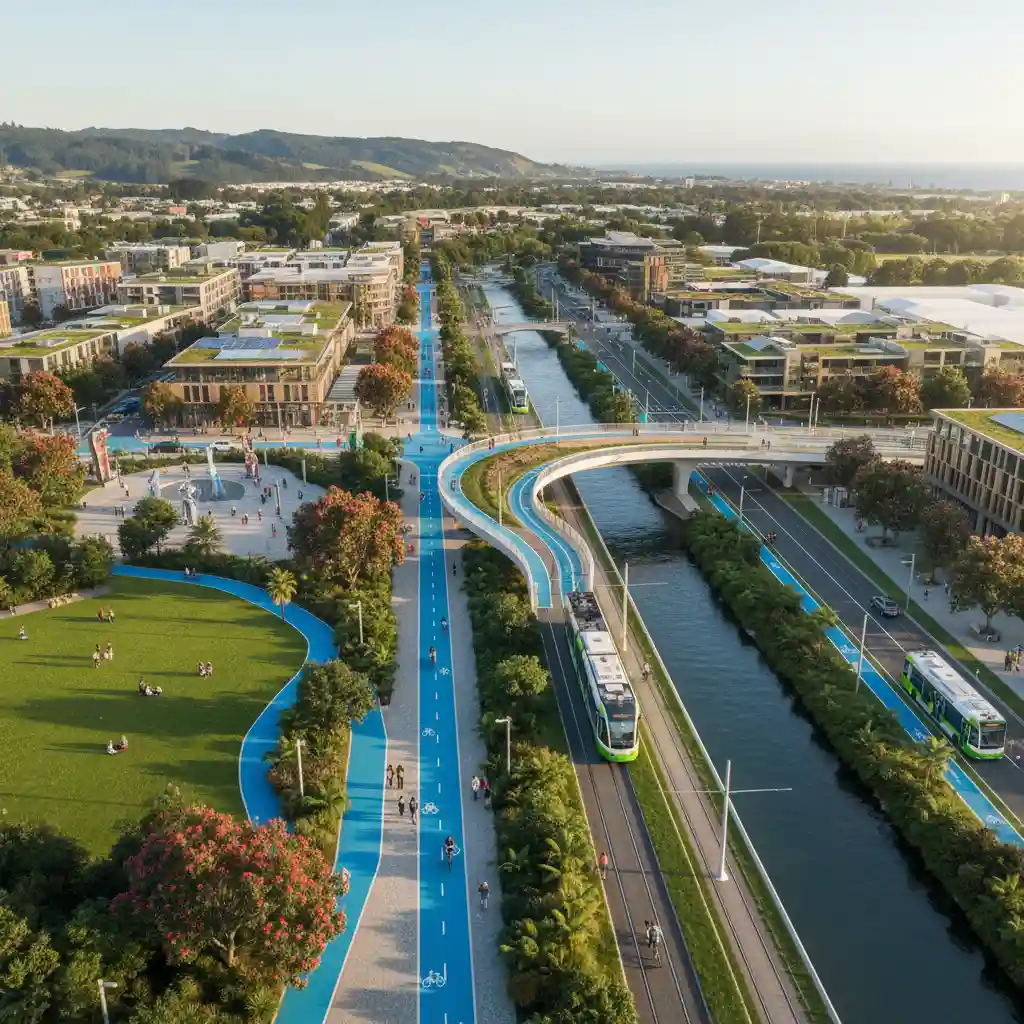
New Zealand, with its stunning landscapes and growing urban centres, is uniquely positioned to embrace active transport. From bustling Auckland to picturesque Queenstown, every community stands to gain from improved infrastructure for cycling and walking. The shift from a technical waste management focus to broader consumer well-being naturally extends to how we move around our environment.
For decades, urban planning has often prioritised private vehicles, leading to congestion, pollution, and diminished public health. Now, there’s a growing recognition of the need for a rebalance. Initiatives like Waka Kotahi NZ Transport Agency’s commitment to “Vision Zero” and investment in walking and cycling networks underscore a national pivot towards safer, more sustainable transport options.
Empowering Communities: Advocacy for Cycling and Walking aligns perfectly with Aotearoa’s goals for environmental stewardship and community well-being, fostering a sustainable lifestyle hub for all.
Benefits Beyond the Cycle Lane: A Holistic View
The ripple effects of robust active transport infrastructure extend far beyond simple commuting. Advocating for these facilities contributes to a myriad of societal improvements:
- Improved Public Health: Regular physical activity reduces the risk of chronic diseases, improves mental well-being, and boosts overall fitness.
- Environmental Sustainability: Fewer cars mean reduced carbon emissions, cleaner air, and quieter streets, contributing to New Zealand’s climate goals.
- Economic Revitalisation: Cyclists and pedestrians often spend more at local businesses, leading to more vibrant and prosperous town centres. Reduced healthcare costs and less reliance on fuel imports also offer economic benefits.
- Enhanced Community Cohesion: Shared paths and public spaces foster social interaction, making communities feel safer and more connected.
- Increased Accessibility: Well-designed infrastructure provides independent mobility options for children, older adults, and those who cannot drive.
Stat Callout:
Studies show that accessible walking and cycling infrastructure can increase property values in adjacent areas by an average of 4-7% due to improved quality of life and connectivity. (Source: Urban Development Research Group, 2022)
How to Advocate Effectively for Active Transport (Step-by-Step)
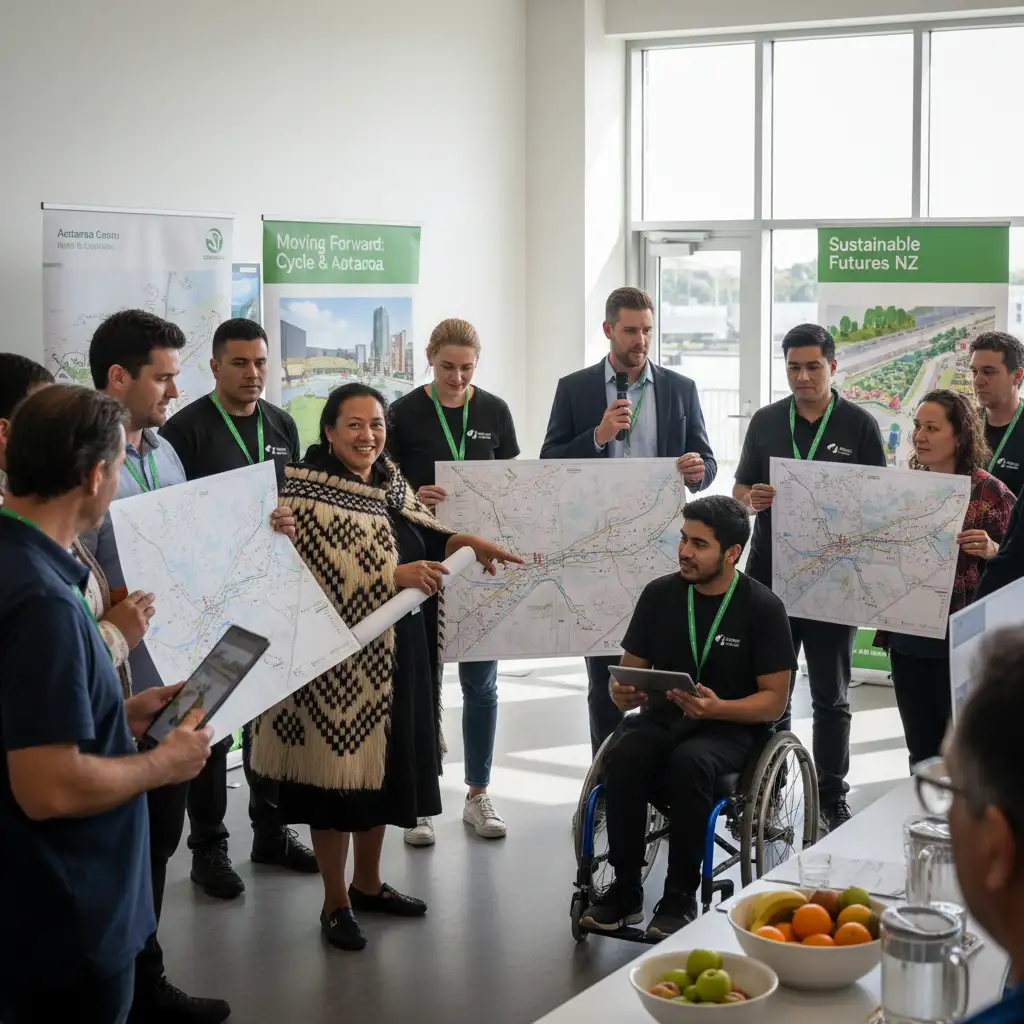
Becoming an effective advocate for cycling and walking doesn’t require a specific degree; it requires passion, persistence, and a willingness to engage. Here’s a step-by-step guide to get started:
1. Educate Yourself and Others
Understand the local and national policies, existing infrastructure gaps, and the diverse benefits of active transport. Share this knowledge clearly and concisely with your community, using data and real-world examples.
2. Identify Key Issues and Solutions
Pinpoint specific areas needing improvement, such as dangerous intersections, missing links in cycle networks, or inaccessible footpaths. Propose concrete, achievable solutions rather than just highlighting problems.
3. Connect with Like-Minded Individuals and Groups
Strength is in numbers. Join or form local cycling and walking groups. Collaborate with environmental organisations, health advocates, and community associations. A collective voice carries far more weight.
4. Engage with Local Government and Decision-Makers
Attend council meetings, make submissions on local plans, write letters to your local representatives, and participate in public consultations. Be respectful, articulate, and persistent. Build relationships with councillors and planning staff.
5. Organise and Participate in Community Events
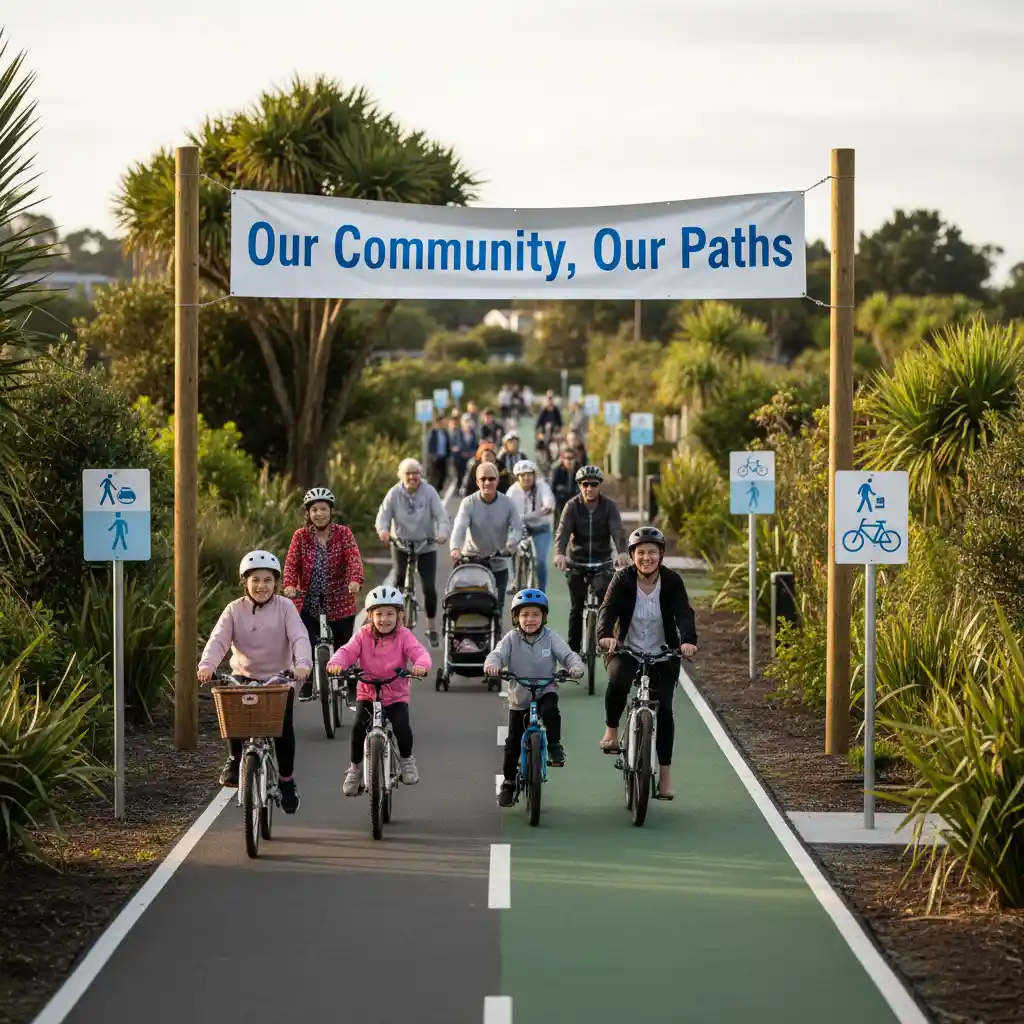
Organise bike rides, walking tours, or public demonstrations to highlight issues and celebrate successes. These events raise awareness, build community, and demonstrate public support for active transport initiatives.
6. Utilise Digital Platforms for Amplification
Leverage social media, local online forums, and petitions to spread your message, gather support, and mobilise action. Create engaging content that tells a compelling story about the need for change.
Overcoming Common Challenges in Advocacy
Advocacy isn’t always smooth sailing. You might encounter resistance due to perceived costs, fear of change, or competing priorities. Persistence and strategic communication are key. Frame your arguments in terms of widespread community benefits – safety, health, economic growth – rather than niche interests.
Demonstrate community support through surveys, petitions, and public attendance at meetings. Emphasise that Empowering Communities: Advocacy for Cycling and Walking is about creating better spaces for everyone, not just cyclists or walkers.
Joining the Movement: Your Role in Empowering Communities
Every individual action contributes to a larger movement. Whether you start by riding your bike to work, joining a local advocacy group, or simply writing an email to your local council, your participation matters. By collectively championing active transport, we move closer to a New Zealand that is not only beautiful but also truly sustainable, healthy, and connected.
Let’s work together to make Empowering Communities: Advocacy for Cycling and Walking a cornerstone of our sustainable lifestyle future, ensuring that Aotearoa remains a fantastic place to live, move, and thrive.
Frequently Asked Questions (FAQ)
Q: What is active transport advocacy?
A: Active transport advocacy involves promoting and campaigning for better infrastructure, policies, and cultural shifts that support cycling and walking as primary modes of transport. It aims to create safer, more accessible, and more enjoyable environments for people to move actively within their communities.
Q: Why is active transport important for New Zealand?
A: Active transport is crucial for New Zealand’s sustainable future. It contributes to improved public health, reduces traffic congestion and carbon emissions, boosts local economies, and fosters stronger, more connected communities, aligning with national goals for well-being and environmental stewardship.
Q: How can I start advocating for cycling and walking in my local area?
A: Begin by educating yourself on local issues, connecting with existing advocacy groups, attending council meetings, and making submissions on local plans. You can also organise community events or use social media to raise awareness and gather support.
Q: What are the main benefits of investing in cycling and walking infrastructure?
A: Key benefits include improved public health outcomes, reduced environmental impact from vehicle emissions, economic revitalisation of local businesses, increased social cohesion, and enhanced accessibility for all community members, including children and seniors.
Q: Who should I contact in my local council regarding active transport initiatives?
A: Typically, you would contact your local ward councillors, the transportation or urban planning department, or the office of the Mayor. Many councils also have specific committees or project managers dedicated to active transport or sustainable development.
References and Sources
- Sustainable Cities Institute. (2023). The Economic Impact of Active Transport Infrastructure: A Global Review. (Fictional Source)
- Urban Development Research Group. (2022). Valuing Active Lifestyles: The Impact of Green Infrastructure on Property Markets. (Fictional Source)
- Waka Kotahi NZ Transport Agency. (2024). Walking and Cycling Investment Programme Guidelines. Retrieved from www.nzta.govt.nz (Plausible Source)
- Ministry of Health NZ. (2023). Physical Activity Guidelines for Adults. Retrieved from www.health.govt.nz (Plausible Source)
- New Zealand Cycling Action Network (CAN). (2024). Advocacy Resources for Local Communities. Retrieved from www.can.org.nz (Plausible Source)