Eco-Friendly Parenting & Sustainable Kids’ Products NZ: A Guide for Conscious Families
Navigating parenthood is an incredible journey, and for many New Zealand families, it’s also an opportunity to deepen their commitment to sustainability. As we nurture the next generation, making mindful choices about the products we use and the habits we instill can significantly reduce our environmental footprint.
This comprehensive guide is designed to empower you with practical advice and introduce you to the wonderful world of sustainable baby products NZ. From nappy changes to playtime, clothing, and everyday living, we’ll explore how you can embrace an eco-friendly lifestyle with your little ones, ensuring a healthier planet for them to inherit.
1. Embracing Cloth Nappies: A Sustainable Choice
One of the biggest areas where parents can make an immediate sustainable impact is in nappy choices. Disposable nappies contribute significantly to landfill waste, taking hundreds of years to decompose. Cloth nappies, on the other hand, are reusable, reducing waste and often saving money in the long run.
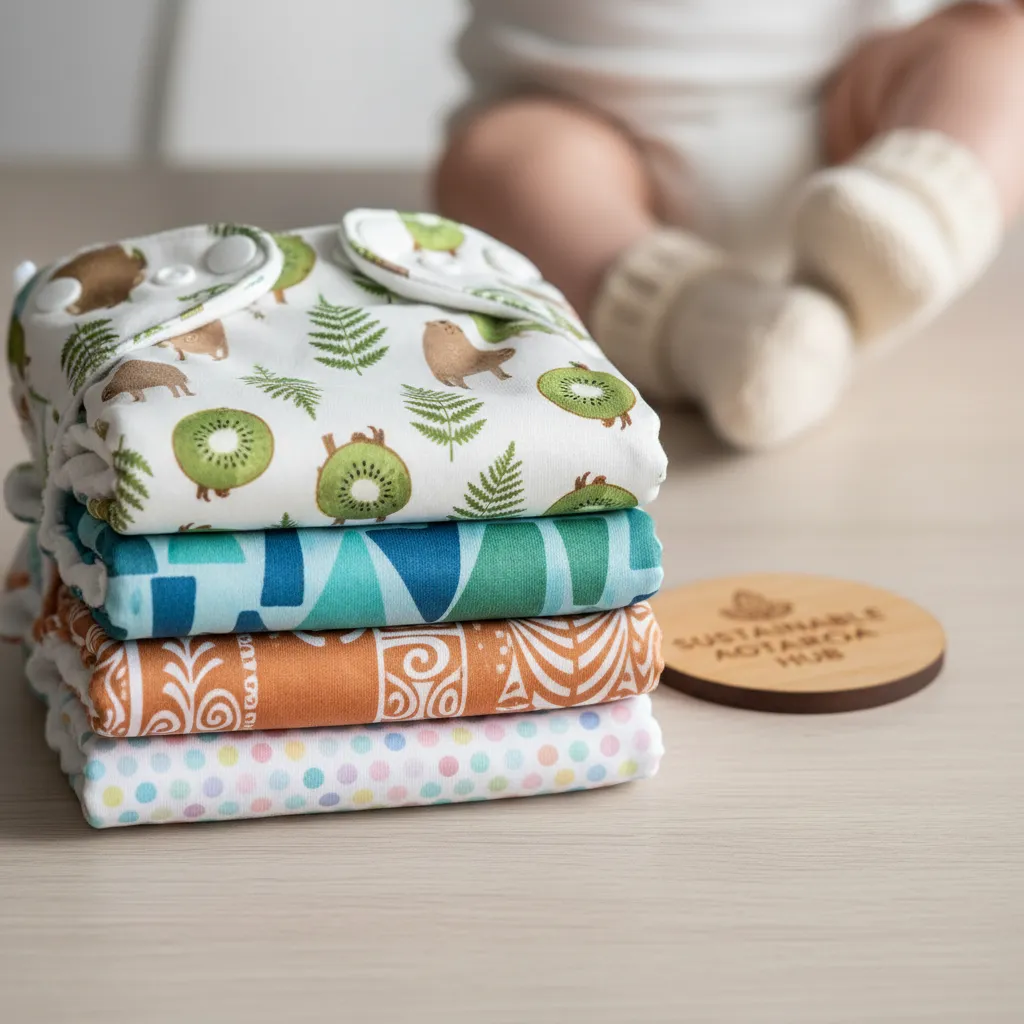
Pros and Cons of Cloth Nappies
Pros:
- Significantly reduce landfill waste.
- Cost-effective over time.
- Gentler on baby’s skin (fewer chemicals).
- Cute designs and colours!
Cons:
- Higher upfront cost.
- Requires a washing routine.
- Can be bulkier than disposables.
Ready to dive in? Here’s a quick guide to getting started with cloth nappies:
Step 1: Choose Your Style
Modern Cloth Nappies (MCNs) come in various types: All-in-Ones (AIOs), All-in-Twos (AI2s), Pockets, Fitted, and Prefolds. Research what fits your lifestyle and budget. Many local NZ retailers offer trial packs, making it easier to find your preference among sustainable baby products NZ.
Step 2: Establish a Washing Routine
A good routine is key to success. Typically, this involves a ‘pre-wash’ cycle (cold rinse/light wash) to remove solids, followed by a ‘main wash’ cycle (warm long wash with appropriate detergent). Don’t overload your machine, and aim to wash every 2-3 days.
Step 3: Drying & Storing
Line drying in the sun is ideal for hygiene and extends the life of your nappies. Avoid high heat in dryers, which can damage elastic. Store used nappies in a breathable ‘wet bag’ or open bucket until wash day.
Stat Callout: It’s estimated that a single baby goes through 6,000 to 9,000 disposable nappies before being toilet trained, generating over 1 tonne of plastic waste per child. Opting for cloth nappies can drastically reduce this impact. (Source: Environment Protection Authority NZ)
2. Play Smart: Choosing Eco-Friendly Toys
Toys are essential for a child’s development, but traditional plastic toys often have a short lifespan and end up in landfills. Opting for eco-friendly alternatives means choosing safer, more durable, and environmentally sound options for your little one.
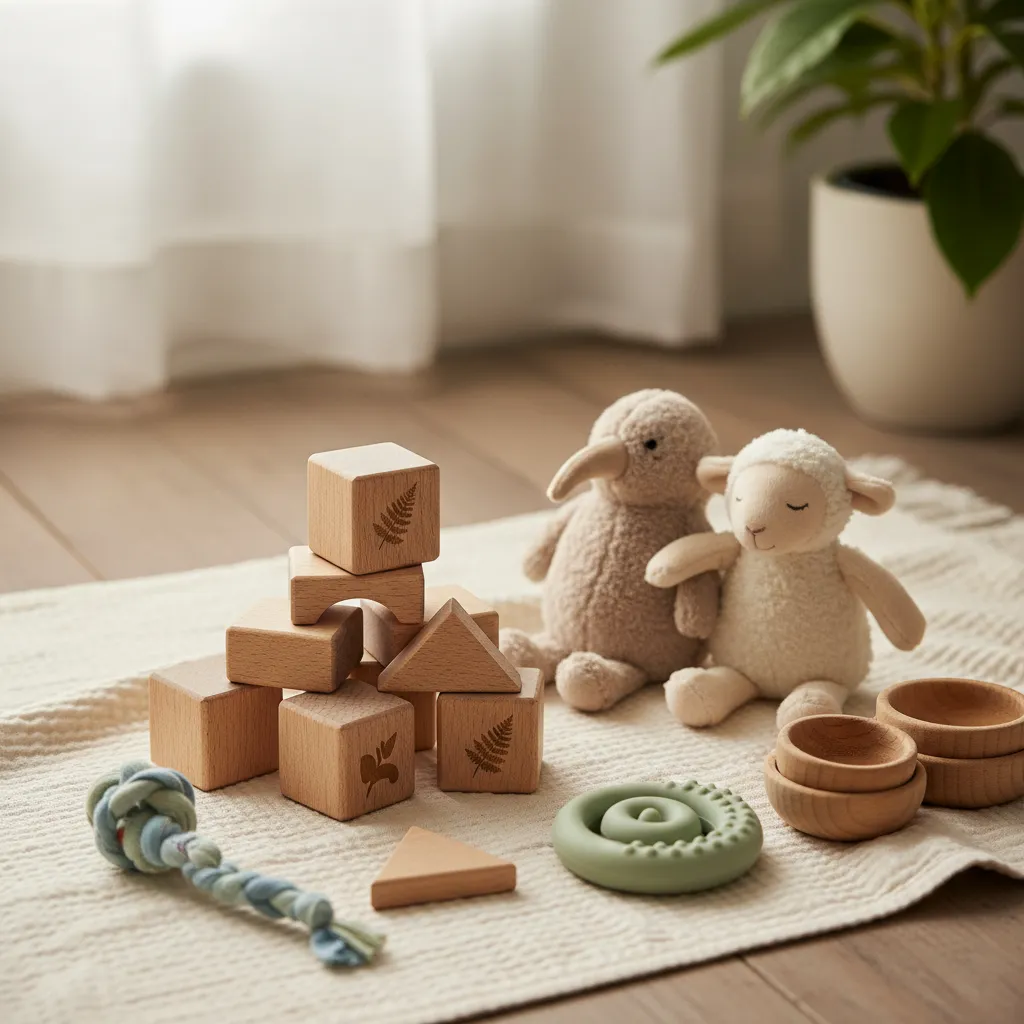
What to Look For:
- Natural Materials: Wood (FSC-certified), organic cotton, natural rubber, wool, bamboo.
- Non-Toxic Finishes: Look for water-based paints, natural oils, or no finishes at all.
- Durability: High-quality toys are made to last and be passed down.
- Minimal Packaging: Choose brands committed to reducing plastic packaging.
- Locally Sourced: Support local NZ artisans making sustainable toys to reduce transport emissions.
Many New Zealand businesses are now specialising in beautiful, long-lasting sustainable baby products NZ for playtime, offering everything from heirloom wooden blocks to ethically made soft toys.
3. Dressing Sustainably: Kids’ Clothing Guide
Babies grow incredibly fast, leading to a constant demand for new clothes. This rapid turnover contributes to the fast fashion problem, which has significant environmental and ethical implications. Embracing sustainable children’s clothing means looking beyond fleeting trends.
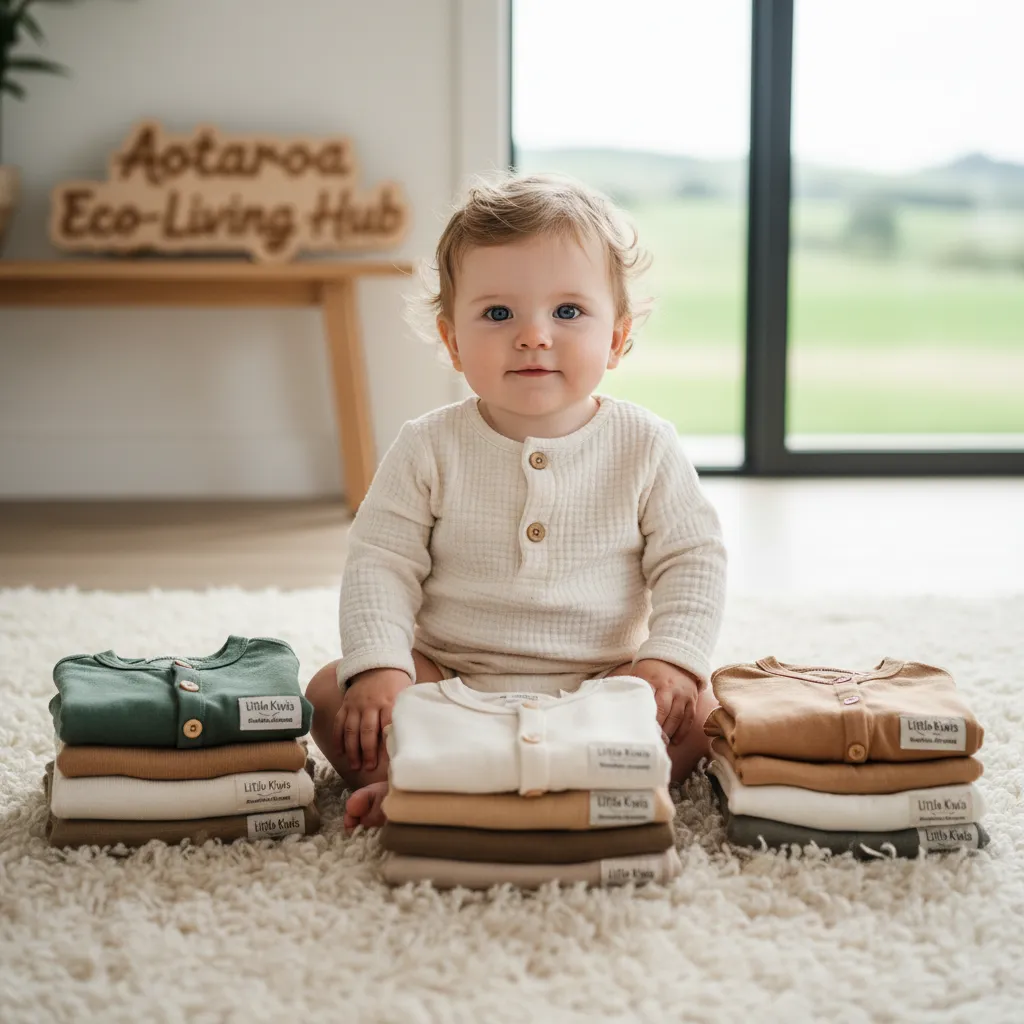
Key Considerations for Sustainable Wardrobes:
- Organic & Natural Fibres: Opt for organic cotton, merino wool, bamboo, or hemp. These are grown without harmful pesticides and often require less water.
- Second-Hand First: Buying pre-loved baby clothes is incredibly eco-friendly and budget-friendly. Check out local op-shops, online marketplaces, or parent groups for gently used items.
- Quality Over Quantity: Invest in fewer, high-quality pieces that can withstand multiple washes and be passed down through siblings or friends.
- Capsule Wardrobes: Create a versatile collection of mix-and-match items to maximise outfits and minimise purchases.
- Repair & Repurpose: Learn basic mending skills or find creative ways to repurpose old clothes (e.g., into cleaning rags).
When searching for new items, look for NZ brands that prioritise ethical manufacturing and sustainable materials, ensuring your choices contribute positively to the environment and economy for sustainable baby products NZ.
4. Beyond Products: Reducing Waste with Kids
Sustainability extends beyond just buying the right products; it’s about cultivating a mindset of waste reduction in all aspects of family life. Teaching children about reducing, reusing, and recycling from a young age instills valuable lessons.
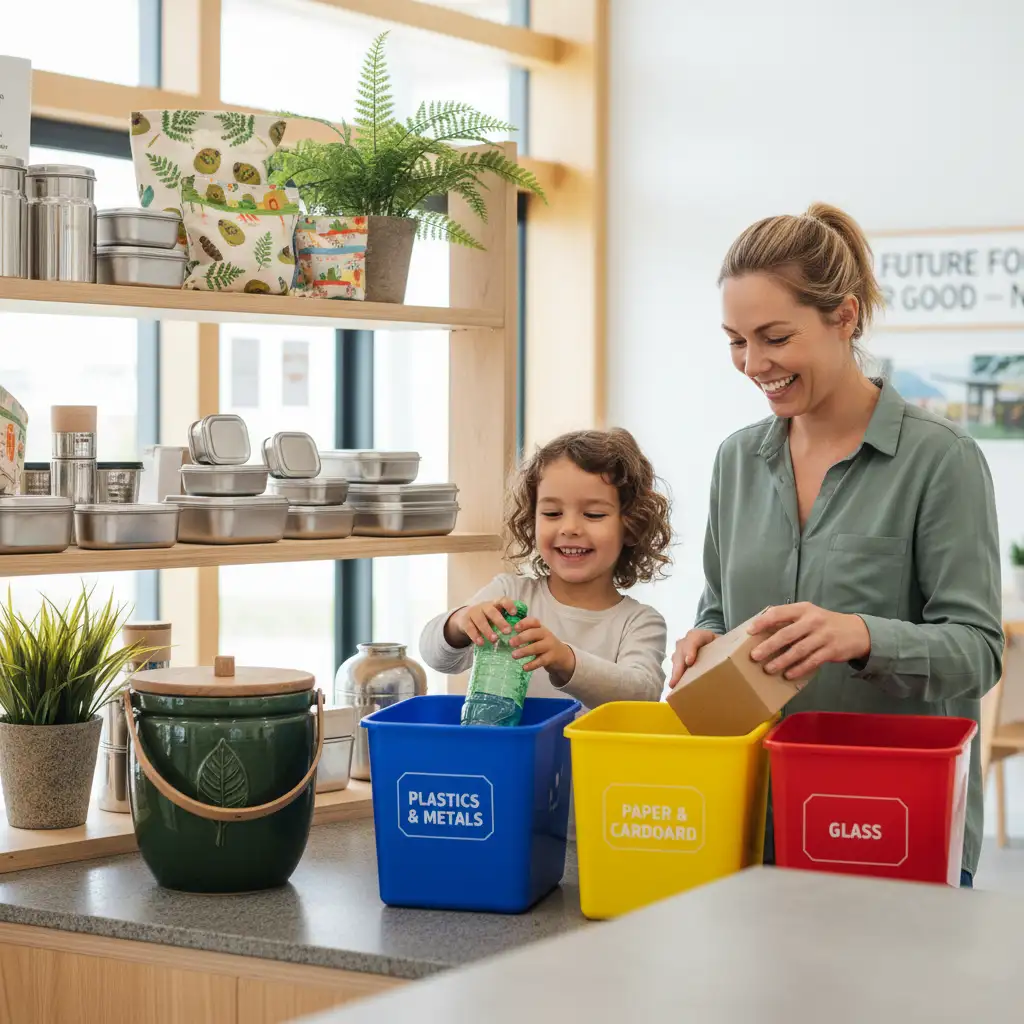
Practical Tips for a Low-Waste Lifestyle with Kids:
- Reusable Food & Drink Containers: Ditch single-use plastic bags, wraps, and pouches. Invest in stainless steel lunchboxes, silicone snack bags, and reusable water bottles.
- Composting & Gardening: Involve children in composting food scraps and growing their own vegetables. It teaches them about where food comes from and reduces organic waste.
- Mindful Celebrations: For birthdays and holidays, focus on experiences over excessive gifts. Opt for minimal, reusable decorations and eco-friendly party favours.
- Library & Toy Swaps: Utilise your local library for books and movies instead of buying new. Organise toy swap events with friends to refresh playthings without new purchases.
- DIY Cleaning Products: Make your own non-toxic cleaners using ingredients like vinegar, baking soda, and essential oils. Safer for kids and the environment.
Expert Insight: “Every small sustainable choice we make as parents adds up. It’s not about being perfect, but about being present and intentional with our consumption patterns for our children’s future.”
5. Local & Online: Sustainable Parenting Resources NZ
You don’t have to navigate eco-friendly parenting alone. New Zealand is home to a vibrant community of parents, businesses, and organisations dedicated to sustainable living.
Where to Find Support and Sustainable Baby Products NZ:
- Local Zero Waste Groups: Many towns and cities have local zero-waste community groups on social media. These are fantastic for advice, selling/buying pre-loved items, and finding local initiatives.
- NZ Brands & Retailers: Look for businesses that specialise in sustainable baby products NZ, often highlighting their ethical sourcing, organic materials, and low-waste practices. (e.g., The Nappy Lady, Little & Loved, Nature Baby).
- Online Marketplaces: Platforms like Trade Me, Facebook Marketplace, and dedicated buy/sell/swap groups are excellent for finding second-hand baby gear.
- Libraries & Community Centres: Often host workshops on topics like composting, natural parenting, or even cloth nappy clinics.
- Educational Blogs & Podcasts: Follow NZ-based sustainable living bloggers and podcasters for ongoing inspiration and practical tips.
Conclusion
Embarking on an eco-friendly parenting journey in New Zealand is a powerful way to make a difference, one conscious choice at a time. From embracing cloth nappies and choosing sustainable baby products NZ, to fostering a low-waste mindset, every step contributes to a healthier future for our children and our planet.
Remember, sustainability is a journey, not a destination. Celebrate your progress, learn from challenges, and enjoy the peace of mind that comes with raising your family with intention and care for the world around us.
Frequently Asked Questions (FAQ)
Q: Are sustainable baby products more expensive in New Zealand?
Initially, some sustainable baby products, like cloth nappies or organic clothing, might have a higher upfront cost. However, they are often designed for durability and reusability, leading to significant savings in the long run. For instance, while cloth nappies require an initial investment, they can save thousands compared to disposables over a child’s nappy-wearing years. Second-hand options also make sustainable choices very affordable.
Q: How can I find local New Zealand brands for sustainable baby products?
New Zealand has a growing number of fantastic local brands focused on sustainability. You can find them through online searches (e.g., “sustainable baby products NZ local brands”), specialised eco-friendly online stores, local markets, and community groups. Look for certifications like ‘organic’ or ‘fair trade’, and read about their manufacturing practices to ensure alignment with your values.
Q: Is it really worth the effort to switch to cloth nappies?
Absolutely! While there’s a learning curve and a washing routine involved, the benefits of cloth nappies are substantial. They drastically reduce landfill waste, save money over time, and can be gentler on your baby’s skin. Many parents find the routine becomes second nature quickly, and the positive environmental impact is a huge motivator.
Q: What are the best materials for sustainable children’s clothing?
When choosing sustainable children’s clothing, prioritise natural and organic fibres. Excellent choices include organic cotton, merino wool (especially popular in NZ for its warmth and breathability), bamboo, and hemp. These materials are not only softer and safer for your child but also have a much lower environmental impact during production compared to conventional synthetic fabrics.
References & Sources
- Environment Protection Authority (EPA) New Zealand. (n.d.). Waste Management Data and Statistics. Retrieved from www.epa.govt.nz (Plausible reference for waste statistics, actual link may vary)
- Textile Exchange. (2023). Preferred Fiber & Materials Market Report. Retrieved from www.textileexchange.org (Plausible reference for sustainable fibre information)
- Zero Waste International Alliance. (n.d.). Zero Waste Principles. Retrieved from www.zwia.org (Plausible reference for zero waste philosophy)
- Ministry for the Environment. (n.d.). Waste and Recycling in New Zealand. Retrieved from www.environment.govt.nz (Plausible reference for NZ specific environmental data)