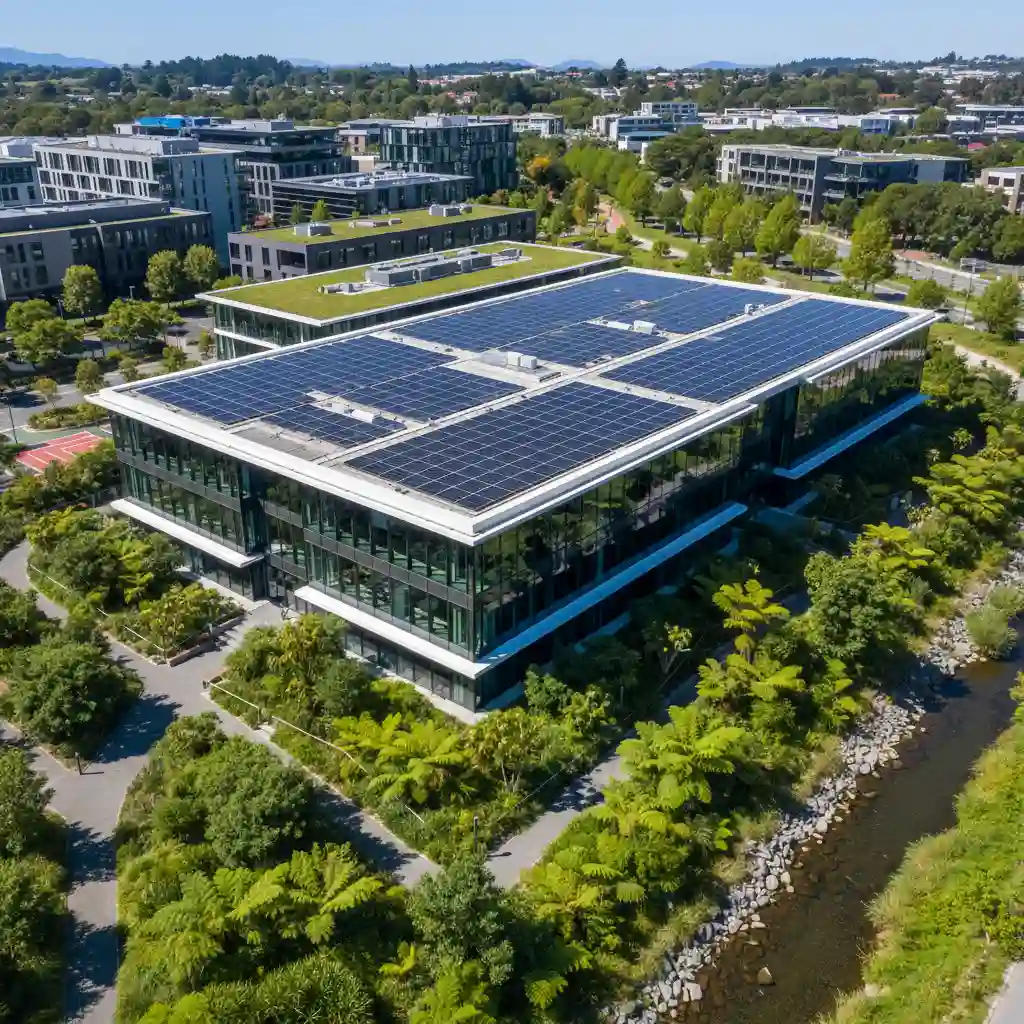
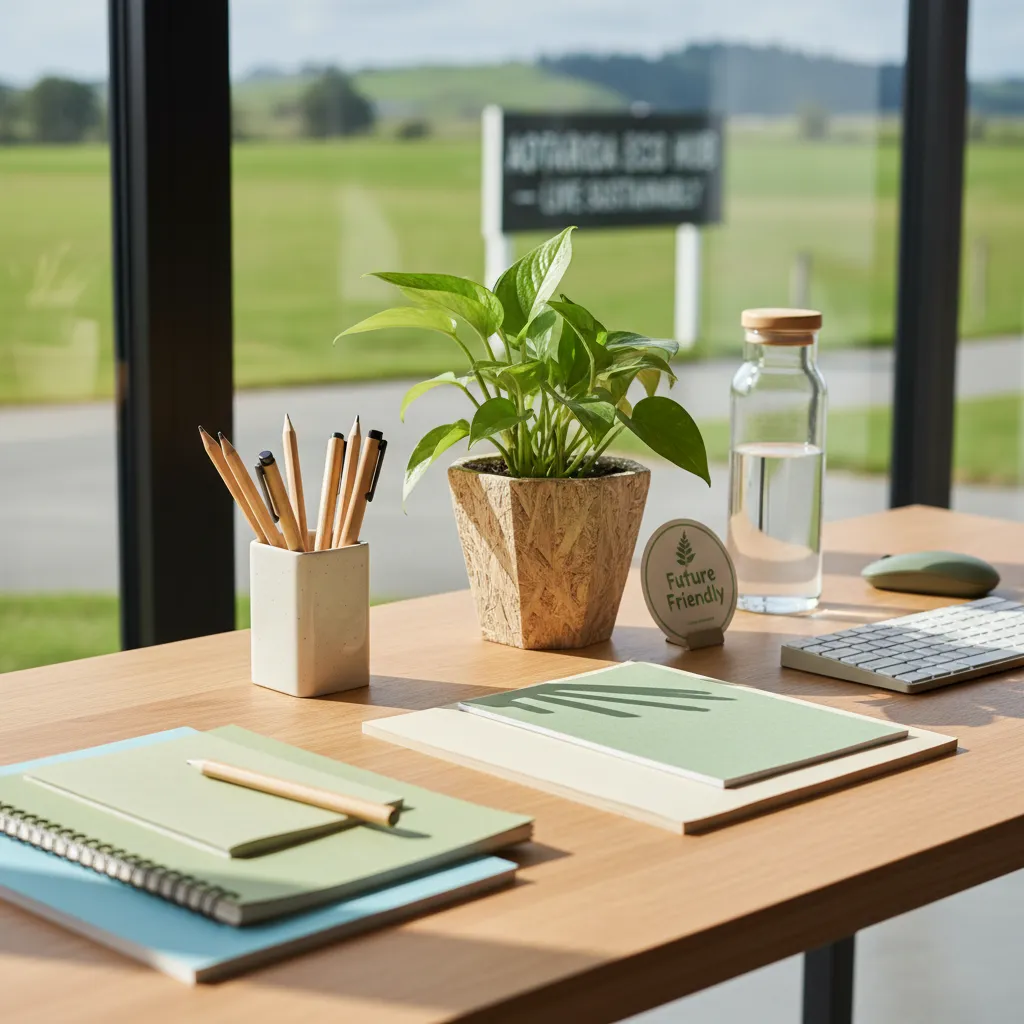
Eco-Friendly Office Design: Using Sustainable Materials for a Greener Workspace
In today’s fast-evolving world, the shift towards sustainability isn’t just a trend; it’s a necessity. For businesses in New Zealand and beyond, creating an eco-friendly office design is a powerful statement of commitment to the planet and a smart investment in employee well-being and operational efficiency. But how do you begin transforming your workspace into a beacon of green design?
The answer lies significantly in your material choices. By thoughtfully selecting sustainable materials, you can drastically reduce your environmental footprint, improve indoor air quality, and foster a more inspiring and productive environment. Let’s dive into how to achieve a truly eco-friendly office design using sustainable materials.
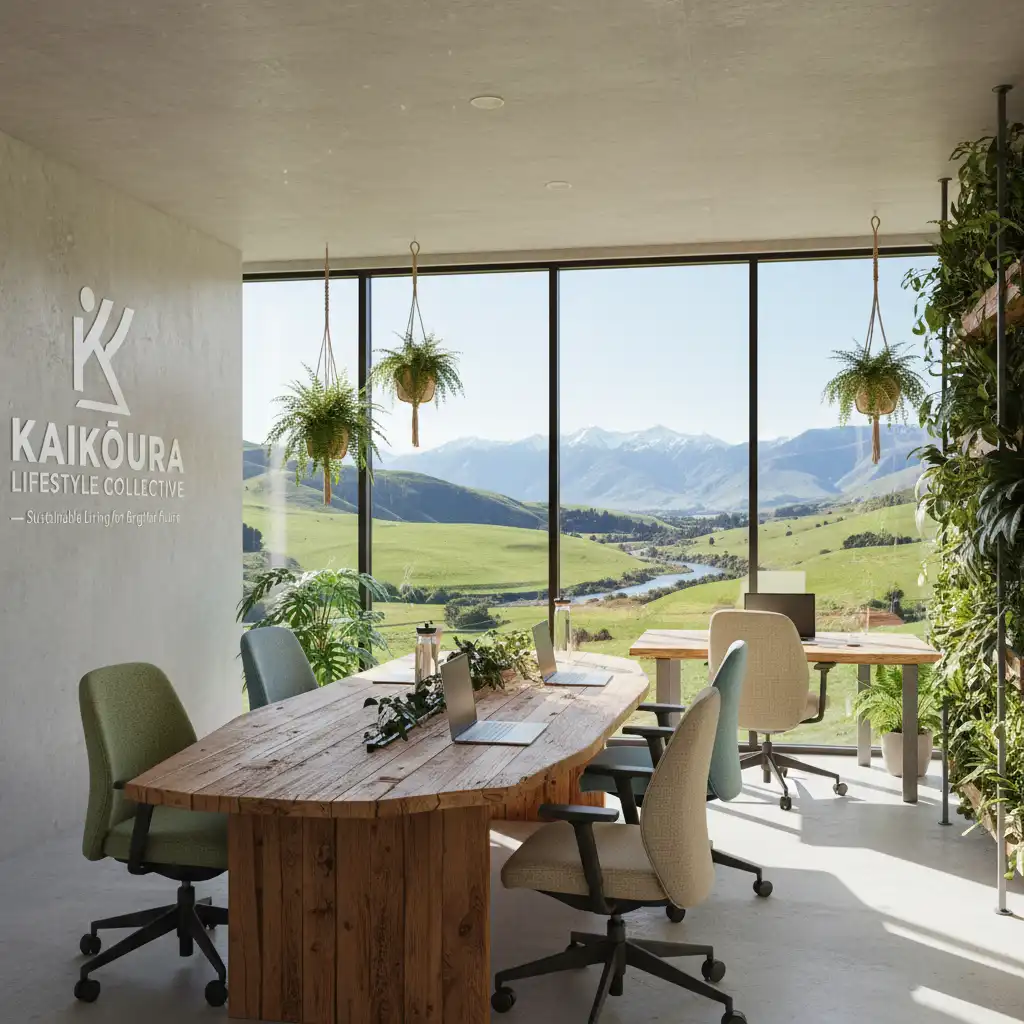
Table of Contents
- The Sustainability Imperative: Why Go Green with Your Office?
- Core Principles of Eco-Friendly Materials for Office Design
- Key Sustainable Materials for Your Office
- Implementing Your Eco-Friendly Design: Beyond Materials
- The Holistic Green Office: A Broader View of Sustainability
- Conclusion: Build a Better Future, One Office at a Time
- Frequently Asked Questions About Eco-Friendly Office Design
- References & Sources
The Sustainability Imperative: Why Go Green with Your Office?
The business case for sustainable practices is stronger than ever. An eco-friendly office design offers multifaceted benefits that extend beyond mere aesthetics.
- Environmental Impact: Reduce waste, conserve natural resources, and lower your carbon footprint by choosing materials with minimal environmental impact.
- Employee Well-being & Productivity: Sustainable materials often mean fewer harmful chemicals (VOCs), leading to better indoor air quality, which can reduce sick days and boost focus.
- Cost Savings: While initial investments can vary, many sustainable materials and designs lead to long-term energy savings and reduced maintenance costs.
- Brand Reputation: Demonstrate leadership and commitment to sustainability, enhancing your brand image among clients, employees, and stakeholders.
Stat Callout: Buildings account for approximately 40% of global energy consumption and 30% of greenhouse gas emissions. Shifting to sustainable design can significantly reduce these figures. Choosing an eco-friendly office design using sustainable materials is a direct step towards a greener future.
Core Principles of Eco-Friendly Materials for Office Design
When selecting materials for your eco-friendly office design, consider these guiding principles:
- Life Cycle Assessment (LCA): Evaluate the material’s environmental impact from extraction, manufacturing, transport, use, to end-of-life disposal or recycling.
- Durability & Longevity: High-quality, long-lasting materials reduce the need for frequent replacements, minimizing waste.
- Recycled Content: Prioritize materials made from post-consumer or post-industrial recycled content.
- Renewability: Opt for rapidly renewable resources that can be replenished quickly.
- Non-Toxic & Low-VOC: Ensure materials contribute to healthy indoor air quality, free from harmful volatile organic compounds.
- Local Sourcing: Reduce transportation emissions and support local economies by choosing materials produced nearby.
Key Sustainable Materials for Your Office
Recycled & Reclaimed Materials
Diverting materials from landfills is one of the most direct ways to practice sustainability. These materials bring character and a unique story to your office.
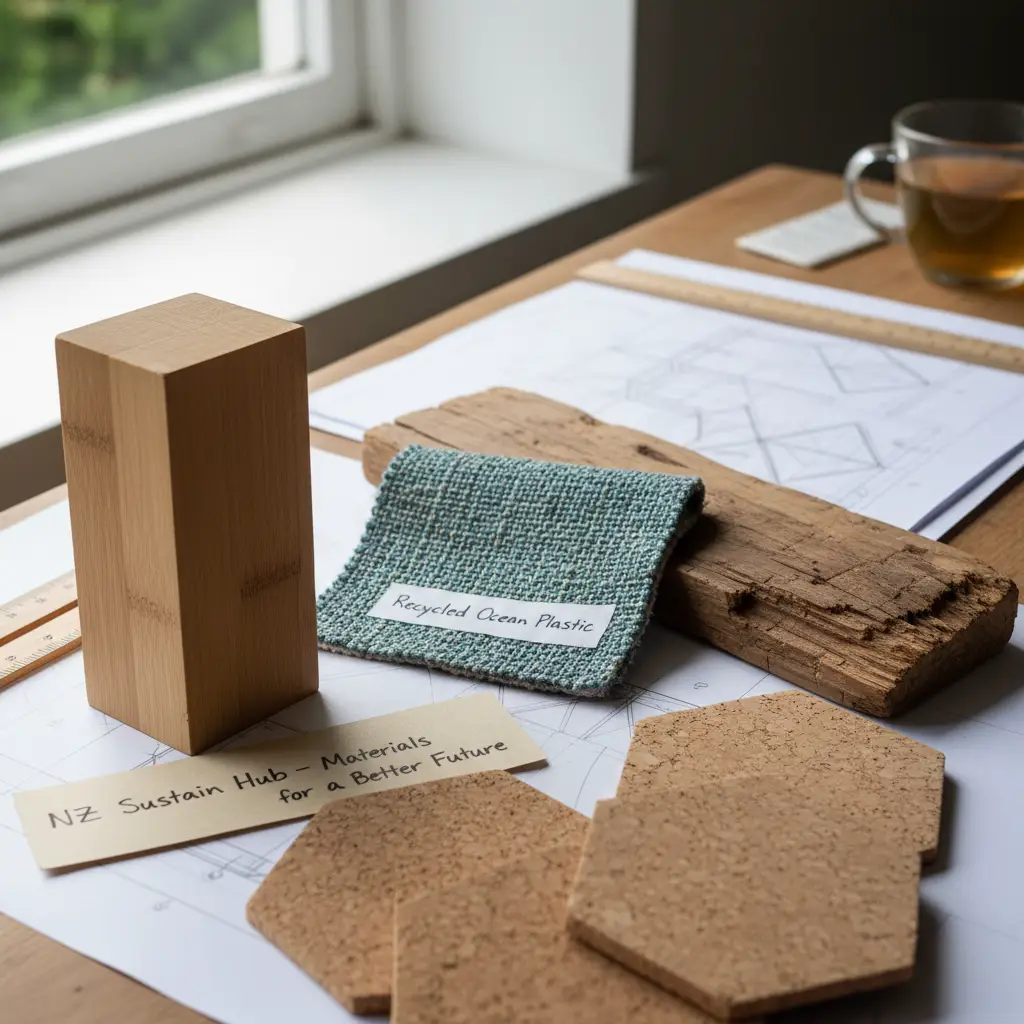
- Reclaimed Wood: Perfect for desks, wall panelling, flooring, and decorative elements. Sourced from old buildings, barns, or even sunken logs, it reduces demand for new timber and boasts incredible character.
- Recycled Plastics & Metals: Increasingly used for office furniture, partitions, and even acoustic panels. Look for products made from post-consumer recycled content like PET bottles or industrial waste.
- Recycled Glass: Can be used for decorative tiles, countertops, or even partitions, adding a touch of elegance with a minimal footprint.
Rapidly Renewable Resources
These materials grow and replenish quickly, making them excellent choices for various applications in your eco-friendly office design.
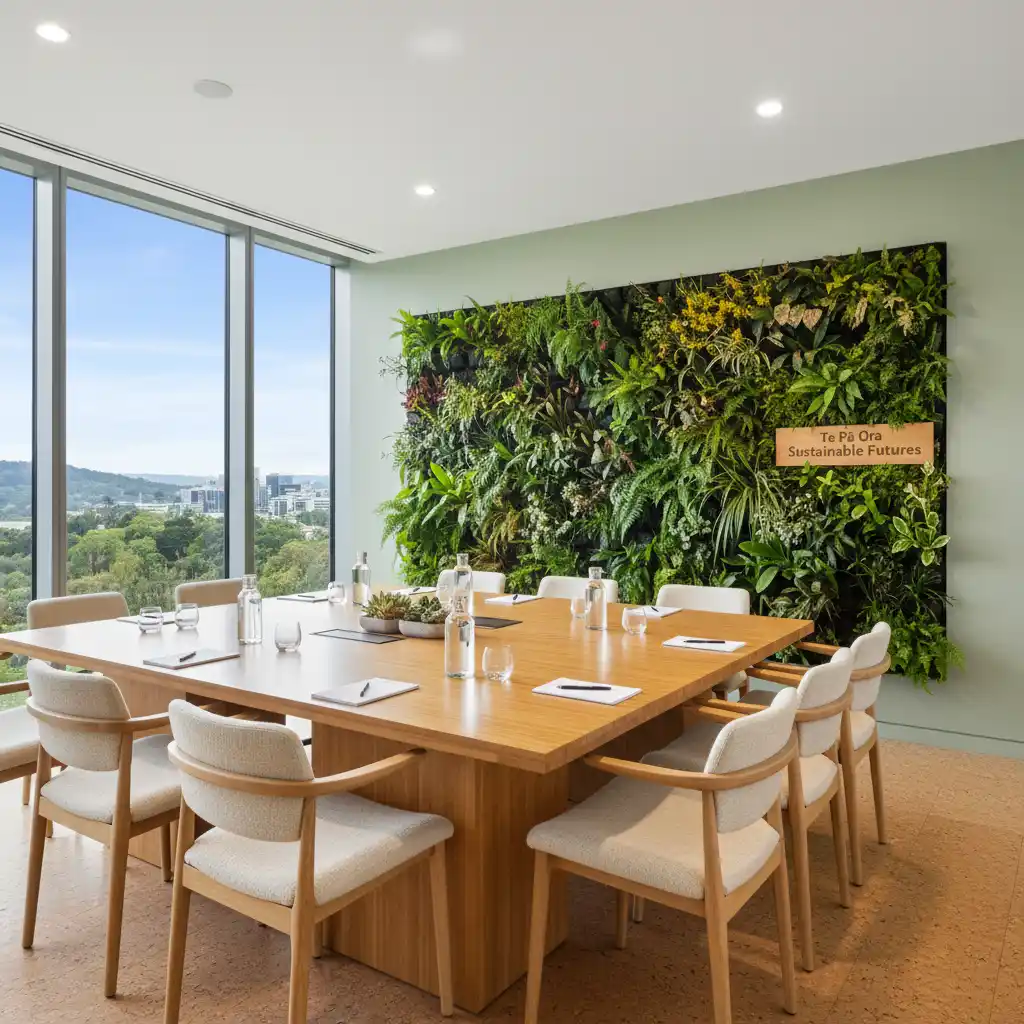
- Bamboo: A fast-growing grass, bamboo is incredibly versatile for flooring, furniture, and wall coverings. It offers durability and a modern aesthetic.
- Cork: Harvested from the bark of cork oak trees without harming the tree, cork is excellent for flooring, acoustic panels, and pinboards. It’s naturally antimicrobial and sound-absorbent.
- Linoleum: Made from natural materials like linseed oil, pine resin, wood flour, and cork dust, linoleum is a durable, biodegradable, and non-toxic flooring option.
- Wool & Natural Fibres: For upholstery, carpets, and insulation, natural fibres like wool (especially New Zealand wool!) offer warmth, durability, and breathability without synthetic chemicals.
Low-VOC & Non-Toxic Finishes
The health of your employees shouldn’t be compromised by the air they breathe. Choosing low-VOC (Volatile Organic Compounds) paints, adhesives, and sealants is paramount for indoor air quality.
- Paints: Opt for zero-VOC or low-VOC paints to prevent the release of harmful chemicals.
- Adhesives & Sealants: Crucial for flooring, panelling, and furniture assembly. Specify low-VOC options.
- Natural Oils & Waxes: For wood finishes, these are excellent non-toxic alternatives to synthetic varnishes.
Stat Callout: Indoor air can be 2-5 times more polluted than outdoor air, largely due to off-gassing from building materials and furniture. Choosing low-VOC options is vital for employee health and productivity.
Locally Sourced Materials
Supporting local New Zealand suppliers for your building materials significantly reduces transportation emissions and boosts the regional economy. This applies to timber, stone, custom furniture, and even textiles.
- Timber: Look for sustainably harvested New Zealand timber or FSC-certified wood from local suppliers.
- Stone & Aggregates: Utilise locally quarried stone or recycled aggregates where possible.
- Custom Furniture & Joinery: Engage local craftspeople who can create unique pieces using sustainable, locally sourced materials.
Implementing Your Eco-Friendly Design: Beyond Materials
While choosing the right materials is foundational, a truly eco-friendly office design considers the broader picture:
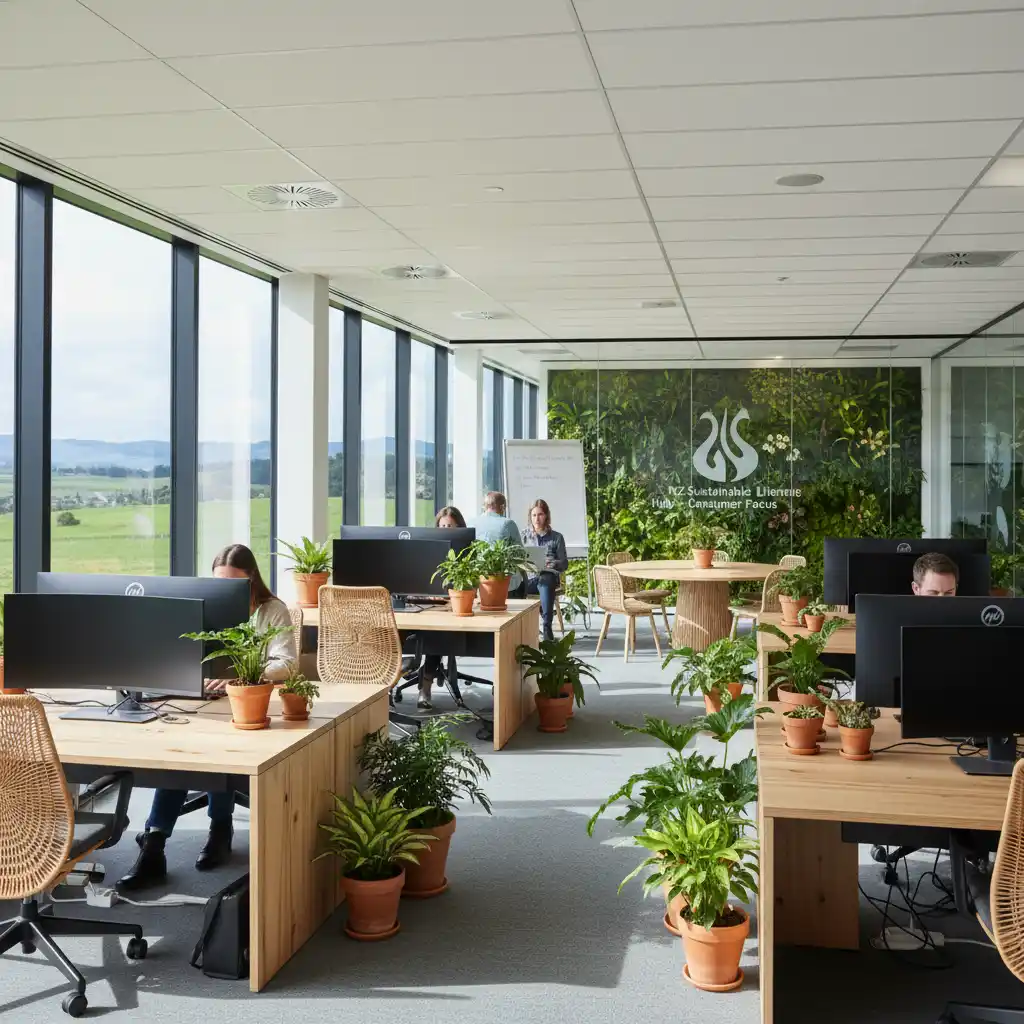
- Maximise Natural Light: Reduce reliance on artificial lighting, saving energy and improving mood.
- Energy-Efficient Lighting: Install LED lighting with motion sensors and dimmers.
- Smart HVAC Systems: Opt for high-efficiency heating, ventilation, and air conditioning systems.
- Waste Management: Design dedicated recycling and composting stations within the office.
The Holistic Green Office: A Broader View of Sustainability
An truly eco-friendly office design extends beyond just materials to embrace a holistic approach to sustainability:
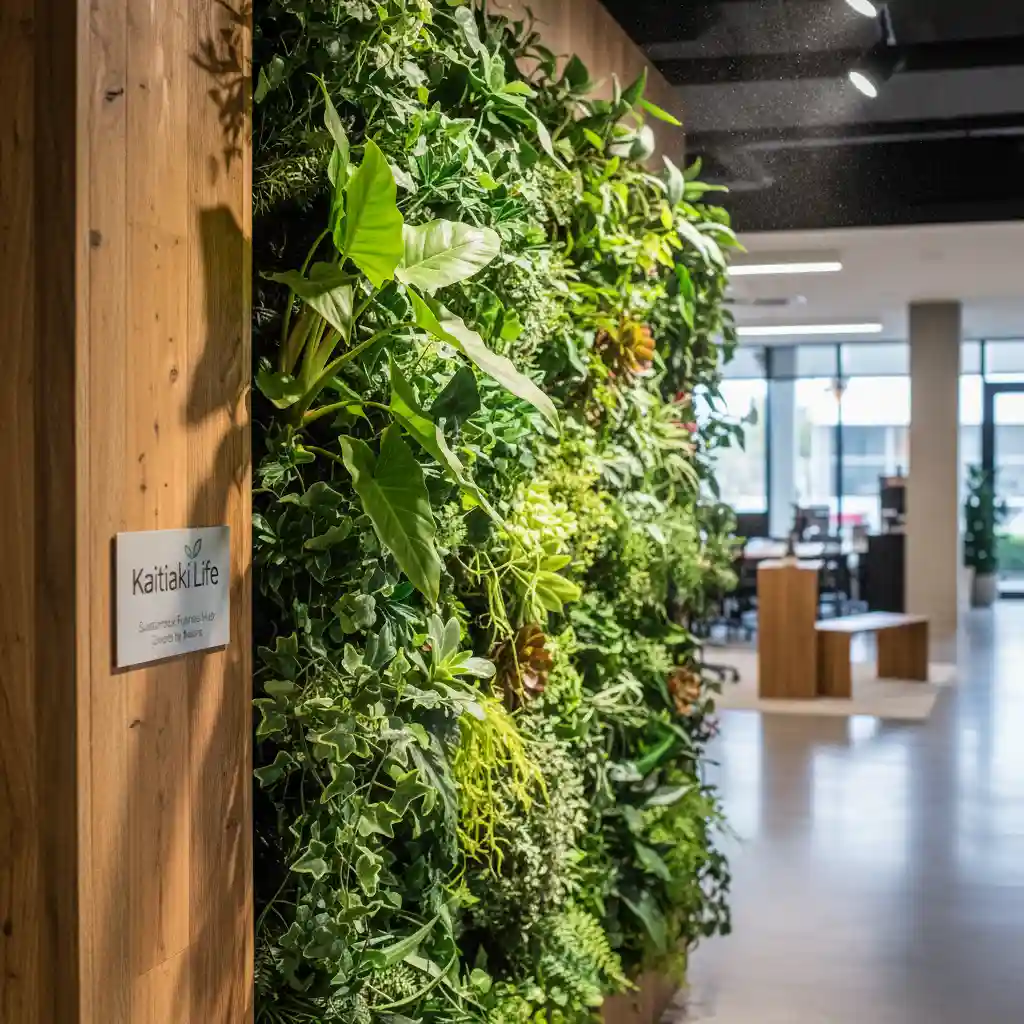
- Biophilic Design: Integrate natural elements like plants, natural light, and views of nature. This connection to the natural world has been shown to reduce stress and improve creativity.
- Water Conservation: Install low-flow fixtures and consider rainwater harvesting for non-potable uses.
- Green Procurement: Extend your sustainable material choices to office supplies, electronics, and cleaning products.
Stat Callout: Studies show that offices with green elements (like natural light and plants) can see up to a 15% increase in productivity and a reduction in sick days. Prioritising eco-friendly office design is an investment in your people.
Conclusion: Build a Better Future, One Office at a Time
Embracing eco-friendly office design using sustainable materials is a strategic move for any forward-thinking business in New Zealand. It’s an opportunity to create spaces that are not only aesthetically pleasing and highly functional but also deeply respectful of our environment and nurturing for the people within them.
By consciously choosing materials that are recycled, renewable, non-toxic, and locally sourced, you contribute to a healthier planet and a more vibrant, productive workplace. Start small, be consistent, and let your office design reflect your commitment to a sustainable future.
Frequently Asked Questions About Eco-Friendly Office Design
What are the main benefits of an eco-friendly office design?
The main benefits include reducing your environmental footprint, improving indoor air quality for better employee health and productivity, potential long-term cost savings through energy efficiency, and enhancing your brand’s reputation as a sustainable leader.
What types of sustainable materials should I prioritize?
Prioritize materials that are recycled or reclaimed (e.g., wood, plastic, metal), rapidly renewable (e.g., bamboo, cork, wool), low in VOCs and non-toxic (paints, adhesives), and locally sourced to reduce transportation emissions.
Is eco-friendly office design more expensive?
While some sustainable materials might have a higher initial cost, they often offer long-term savings through increased durability, lower energy consumption (e.g., insulation), and reduced maintenance. The return on investment also comes from improved employee well-being and a stronger brand image.
How can I incorporate sustainability if I’m on a tight budget?
Start with small, impactful changes. Focus on low-VOC paints, energy-efficient lighting (LEDs), maximising natural light, and incorporating second-hand or reclaimed furniture. Prioritise local sourcing for key items to cut down on shipping costs and environmental impact.
What is biophilic design and how does it relate to an eco-friendly office?
Biophilic design integrates natural elements into the built environment (e.g., plants, natural light, natural patterns, views of nature). It relates to eco-friendly design by improving air quality, reducing stress, and enhancing creativity and productivity, aligning with the holistic goal of a healthy, sustainable workspace.
References & Sources
- U.S. Environmental Protection Agency. (2023). Indoor Air Quality (IAQ). Retrieved from www.epa.gov/indoor-air-quality-iaq
- World Green Building Council. (2022). The Business Case for Green Building. Retrieved from www.worldgbc.org/news-media/business-case-green-building-report-update
- Forest Stewardship Council (FSC) New Zealand. (2023). About FSC Certification. Retrieved from nz.fsc.org/en-nz/about-fsc
- Human Spaces. (2015). The Global Impact of Biophilic Design in the Workplace. Retrieved from www.humanspaces.com/research/biophilic-design/
- New Zealand Green Building Council. (2023). Green Star for Offices. Retrieved from www.nzgbc.org.nz/green-star-rating-tools/green-star-design-as-built/