Sustainable Office Spaces: Eco-Friendly Solutions for NZ Businesses
In an era where environmental consciousness is no longer optional, businesses across New Zealand are increasingly recognising the profound benefits of adopting sustainable practices. Creating sustainable office spaces isn’t just about reducing your carbon footprint; it’s a strategic move that enhances brand reputation, boosts employee well-being, and often leads to significant cost savings.
For Kiwi companies transitioning from traditional operations to a greener future, understanding the core principles and actionable steps for eco-friendly office design is crucial. This guide will navigate the path to transforming your workspace into a beacon of sustainability, tailored for the unique New Zealand context.
Table of Contents
Why Sustainable Office Spaces Matter for NZ Businesses
The transition to sustainable office spaces isn’t merely a trend; it’s a fundamental shift towards more responsible and resilient business operations. For New Zealand businesses, this translates into tangible advantages across multiple fronts.
Environmental Impact
Globally, buildings account for a significant portion of energy consumption, greenhouse gas emissions, and waste generation. By adopting eco-friendly solutions, NZ businesses can drastically reduce their environmental footprint. This includes lowering carbon emissions, conserving precious natural resources, and minimising waste sent to landfills.
“Building and construction activities generate approximately 10% of New Zealand’s total greenhouse gas emissions.” – Ministry for the Environment
Economic Benefits
Going green often leads to going lean. Sustainable offices are designed for efficiency, meaning lower operational costs. Reduced energy and water consumption directly impact utility bills. Furthermore, government incentives and grants for sustainable initiatives can offset initial investment costs, offering long-term financial returns.
Enhanced Brand Reputation & Employee Well-being
In today’s market, consumers and employees increasingly favour businesses with strong environmental ethics. A commitment to sustainable office spaces signals corporate responsibility, attracting top talent and building customer loyalty. Moreover, green offices are proven to enhance employee health, productivity, and satisfaction through better indoor air quality, natural light, and connections to nature (biophilia).
Stat Callout:
Studies show that employees in green-certified buildings report a 30% reduction in sick building syndrome symptoms and a 6% increase in productivity.
Key Pillars of Sustainable Office Design
Achieving truly sustainable office spaces involves a holistic approach, touching upon several critical areas of design and operation.
Energy Efficiency & Renewable Energy
- Smart Lighting: Utilise LED lighting with motion sensors and daylight harvesting systems.
- Efficient HVAC: Invest in high-efficiency heating, ventilation, and air conditioning (HVAC) systems, regularly maintained.
- Insulation & Glazing: Improve building envelopes with superior insulation and double or triple glazing to minimise heat loss/gain.
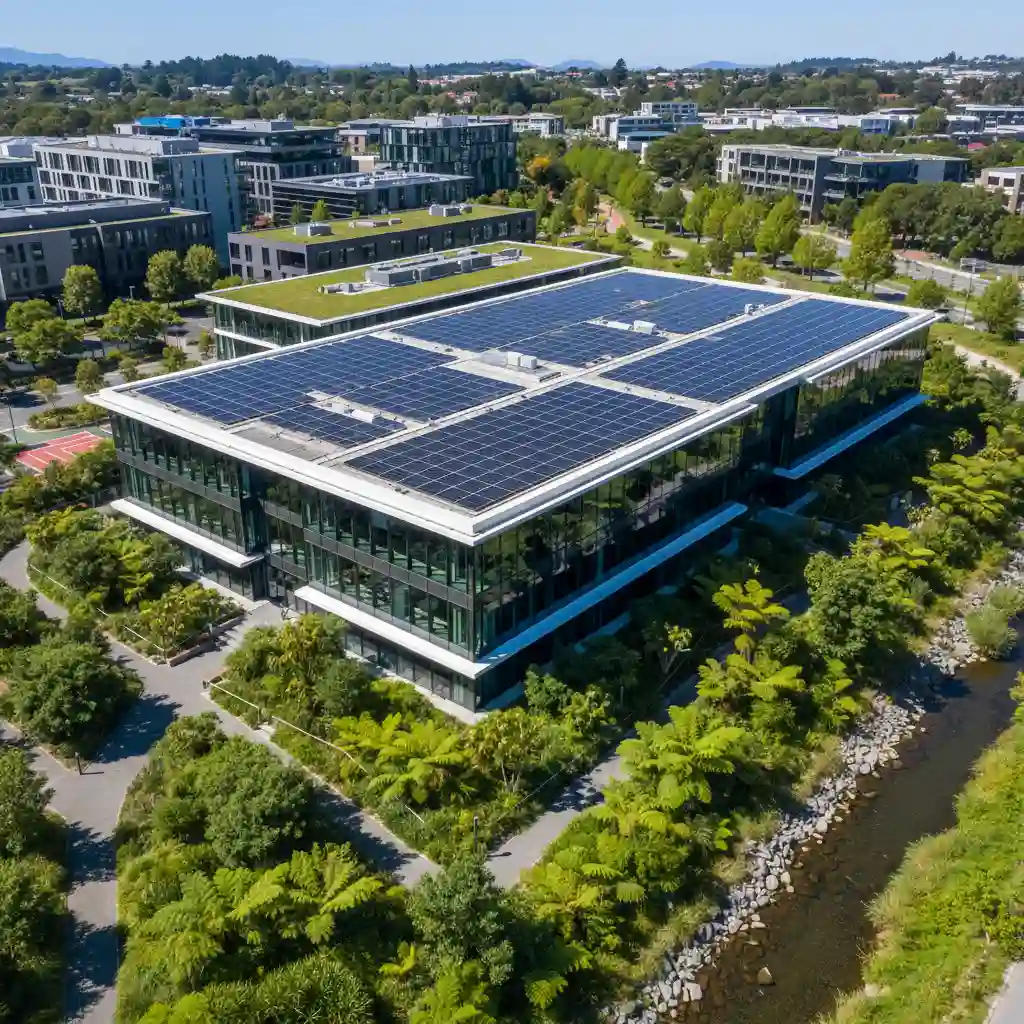
- Renewable Sources: Explore options for solar panels, wind energy, or purchasing green energy from certified providers.
Waste Reduction & Recycling Programs
- Comprehensive Recycling: Implement clear, well-labelled bins for paper, plastics, glass, and organics.
- Composting: Set up a composting system for food scraps, especially in office kitchens.
- Minimise Single-Use: Encourage reusable coffee cups, water bottles, and cutlery.
- Digital First: Reduce paper usage by digitising documents and processes where possible.
- E-Waste Management: Partner with certified e-waste recyclers for old electronics.
Water Conservation
- Low-Flow Fixtures: Install low-flow toilets, taps, and showerheads.
- Rainwater Harvesting: Consider systems to collect rainwater for non-potable uses like toilet flushing or irrigation.
- Native Landscaping: Opt for drought-resistant native New Zealand plants in outdoor areas to reduce irrigation needs.
Green Materials & Furniture
- Recycled & Renewable: Prioritise materials with recycled content or those from rapidly renewable sources (e.g., bamboo, cork).
- Low VOC: Choose paints, adhesives, and carpets that are low in volatile organic compounds (VOCs) to ensure better air quality.
- Locally Sourced: Support local NZ businesses by choosing materials and furniture manufactured close to your office, reducing transport emissions.
- Durable & Repairable: Invest in high-quality items designed to last, reducing the need for frequent replacement.
Indoor Air Quality & Biophilic Design
- Ventilation: Ensure excellent natural or mechanical ventilation to bring in fresh air.
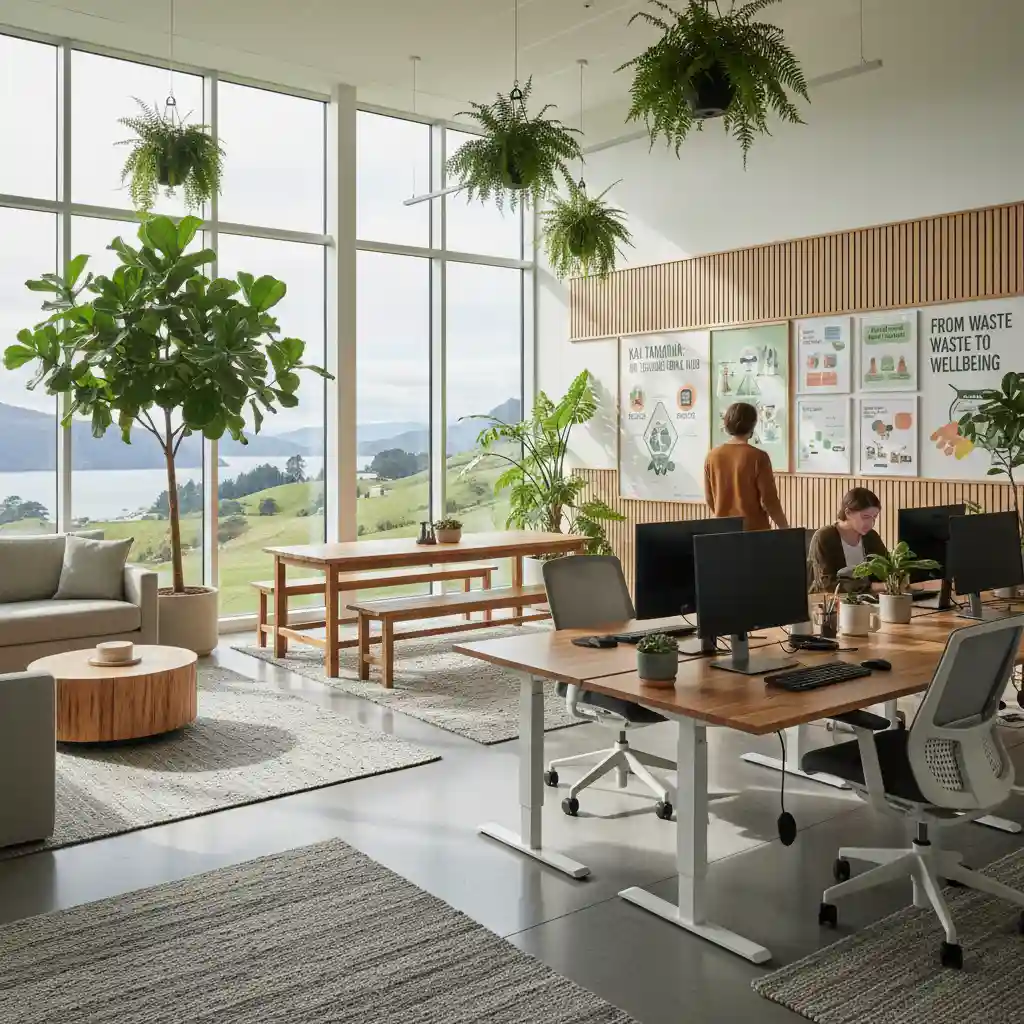
- Indoor Plants: Incorporate living plants that naturally filter air and connect occupants with nature.
- Natural Light: Maximise natural light exposure to reduce reliance on artificial lighting and improve mood.
- Biophilic Elements: Integrate natural patterns, textures, and views into the design to foster a sense of well-being.
Did You Know?
Poor indoor air quality can decrease productivity by up to 10% and increase respiratory illnesses.
Implementing Sustainable Practices in Your NZ Office
Ready to transform your workspace? Here’s a practical guide to getting started with sustainable office spaces in New Zealand.
1. Conduct an Eco-Audit
Start by understanding your current impact. Hire a sustainability consultant or use internal resources to assess your current energy consumption, waste generation, water usage, and procurement practices. This audit will highlight areas for improvement and provide a baseline for future measurements.
2. Set Clear Goals & KPIs
Define what success looks like. Based on your audit, set measurable, achievable, relevant, and time-bound (SMART) goals. For example, ‘Reduce electricity consumption by 15% within 12 months’ or ‘Achieve 70% waste diversion from landfill by year-end’. Establish key performance indicators (KPIs) to track progress.

3. Engage Employees
Sustainability is a team effort. Educate your staff on the ‘why’ and ‘how’ of your initiatives. Form a ‘Green Team’ to champion efforts, gather feedback, and organise engaging activities like sustainability challenges or workshops. Employee buy-in is crucial for long-term success.
4. Partner with Local Green Suppliers
Look for sustainable alternatives. Review your supply chain and seek out local New Zealand suppliers who offer eco-friendly products and services. This includes everything from office supplies made from recycled content to cleaning services using green products, and even catering that sources ingredients ethically.
5. Certifications & Benchmarking (e.g., Green Star NZ)
Gain recognition and guidance. Consider pursuing certifications like Green Star NZ, managed by the New Zealand Green Building Council (NZGBC). These frameworks provide a robust roadmap for sustainable design and operation, offering credible recognition for your efforts and helping you benchmark against best practices.
NZ Case Studies/Success Stories
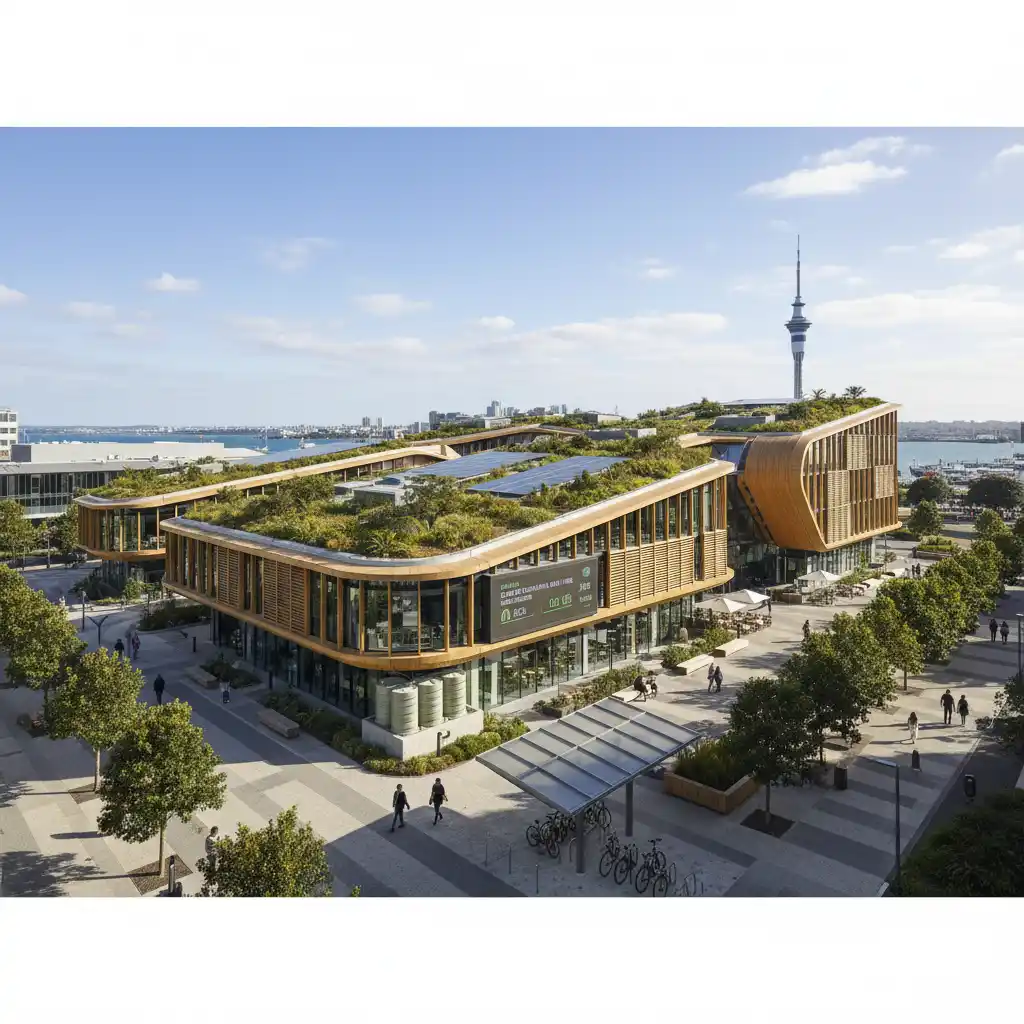
Many New Zealand businesses are already leading the way in creating sustainable office spaces. Companies like BNZ’s Quay Park Headquarters in Auckland, designed with a focus on green materials, energy efficiency, and employee well-being, showcase what’s possible. Similarly, smaller enterprises are making significant strides by implementing comprehensive recycling, reducing energy use, and fostering a strong green culture. These examples prove that sustainable practices are achievable and beneficial across various scales.
Conclusion: Paving the Way for a Greener Tomorrow
The journey towards sustainable office spaces is a strategic investment in your business’s future and our planet’s health. By embracing eco-friendly solutions, NZ businesses can achieve operational efficiencies, bolster their brand, attract top talent, and contribute meaningfully to New Zealand’s environmental goals.
Whether you’re making small adjustments or planning a complete overhaul, every step towards sustainability makes a difference. Begin your eco-friendly transformation today and join the growing number of New Zealand businesses building a more resilient and sustainable future.
Frequently Asked Questions
What are the immediate benefits of transitioning to a sustainable office?
Immediate benefits often include reduced utility bills (energy, water), improved indoor air quality leading to fewer sick days, enhanced employee morale and productivity, and a positive boost to your brand’s public image and attractiveness to eco-conscious clients and talent.
How much does it cost to make an office sustainable in NZ?
The cost varies significantly depending on the scope of changes. Small changes like LED lighting and comprehensive recycling can be low-cost. Larger investments like solar panels or building renovations have higher upfront costs but offer substantial long-term savings. Many initiatives also qualify for government grants or incentives, and the ROI can be rapid due to operational cost reductions.
What is biophilic design and why is it important for office spaces?
Biophilic design is an architectural concept that aims to connect building occupants more closely to nature. In office spaces, this means incorporating natural light, ventilation, indoor plants, natural materials, and views of nature. It’s crucial because studies show it significantly reduces stress, improves cognitive function, enhances creativity, and boosts overall well-being and productivity among employees.
Are there any grants or incentives for NZ businesses going green?
Yes, New Zealand offers several incentives. The Energy Efficiency and Conservation Authority (EECA) provides various programmes and funding for businesses to improve energy efficiency and adopt renewable energy. Local councils may also offer specific grants. Additionally, some banks provide ‘green loans’ with preferential rates for sustainable projects. It’s recommended to check the EECA website and local government resources.
How can small businesses in New Zealand start their sustainability journey?
Small businesses can start with simple, impactful changes: conduct a basic energy audit, switch to LED lighting, implement a robust recycling programme, encourage digital communication to reduce paper, and source office supplies from local, eco-friendly vendors. Employee engagement and a clear commitment from leadership are also vital first steps.
References/Sources
- Ministry for the Environment NZ. (Various reports on emissions and climate action).
- New Zealand Green Building Council (NZGBC). (Information on Green Star NZ certification).
- Energy Efficiency and Conservation Authority (EECA). (Business programs and funding).
- World Green Building Council (WorldGBC). (Global research on green buildings and health/productivity).
- Harvard T.H. Chan School of Public Health. (Studies on indoor environmental quality and cognitive function).