DIY Eco-Friendly Products for Home & Personal Care NZ
Are you looking to reduce your environmental footprint, save money, and create a healthier home environment right here in Aotearoa? The journey towards a sustainable lifestyle doesn’t have to be daunting. In fact, one of the most empowering steps you can take is to embrace the world of homemade cleaning products NZ can be proud of, alongside your own natural personal care items. It’s about more than just reducing waste; it’s about reconnecting with natural ingredients and understanding exactly what goes onto your surfaces and into your body.
This comprehensive guide will equip you with practical recipes, highlight the compelling benefits, and ensure you’re using safe, readily available ingredients to craft your own eco-friendly solutions. Get ready to transform your home and routine with simple, effective DIY creations!
Why Go DIY? The Benefits for Kiwis
Transitioning to homemade cleaning products NZ families can trust offers a multitude of benefits, extending from your personal well-being to the health of our precious environment.
Environmental Impact & Waste Reduction
Traditional cleaning products often come in single-use plastic bottles, contributing significantly to landfill waste. By making your own, you can reuse containers indefinitely, dramatically reducing your household’s plastic footprint. Furthermore, you avoid harsh chemicals that can pollute our waterways and harm marine life. Choosing natural, biodegradable ingredients means less strain on New Zealand’s unique ecosystems.
Stat Callout: New Zealand generates approximately 750,000 tonnes of plastic waste annually, with a significant portion coming from household packaging. Embracing DIY solutions can directly reduce this statistic.
Healthier Home Environment
Many commercial cleaning agents contain volatile organic compounds (VOCs), phthalates, and synthetic fragrances known to trigger allergies, asthma, and other respiratory issues. When you craft your own products, you control the ingredients, opting for non-toxic alternatives that are safer for children, pets, and anyone sensitive to chemicals. Breathe easier knowing your home is genuinely clean, not just masked by artificial scents.
Significant Cost Savings for NZ Households
It might seem counter-intuitive at first, but switching to DIY products can lead to substantial savings over time. Basic ingredients like baking soda, white vinegar, and essential oils are inexpensive and versatile, often costing mere cents per use compared to dollars for branded products. For Kiwi families mindful of their budget, this is a practical and sustainable win.
Stat Callout: A typical New Zealand household could save hundreds of dollars annually by switching from store-bought cleaners and personal care items to homemade versions, factoring in bulk ingredient purchases.
Essential Ingredients for Your Eco-Friendly Toolkit
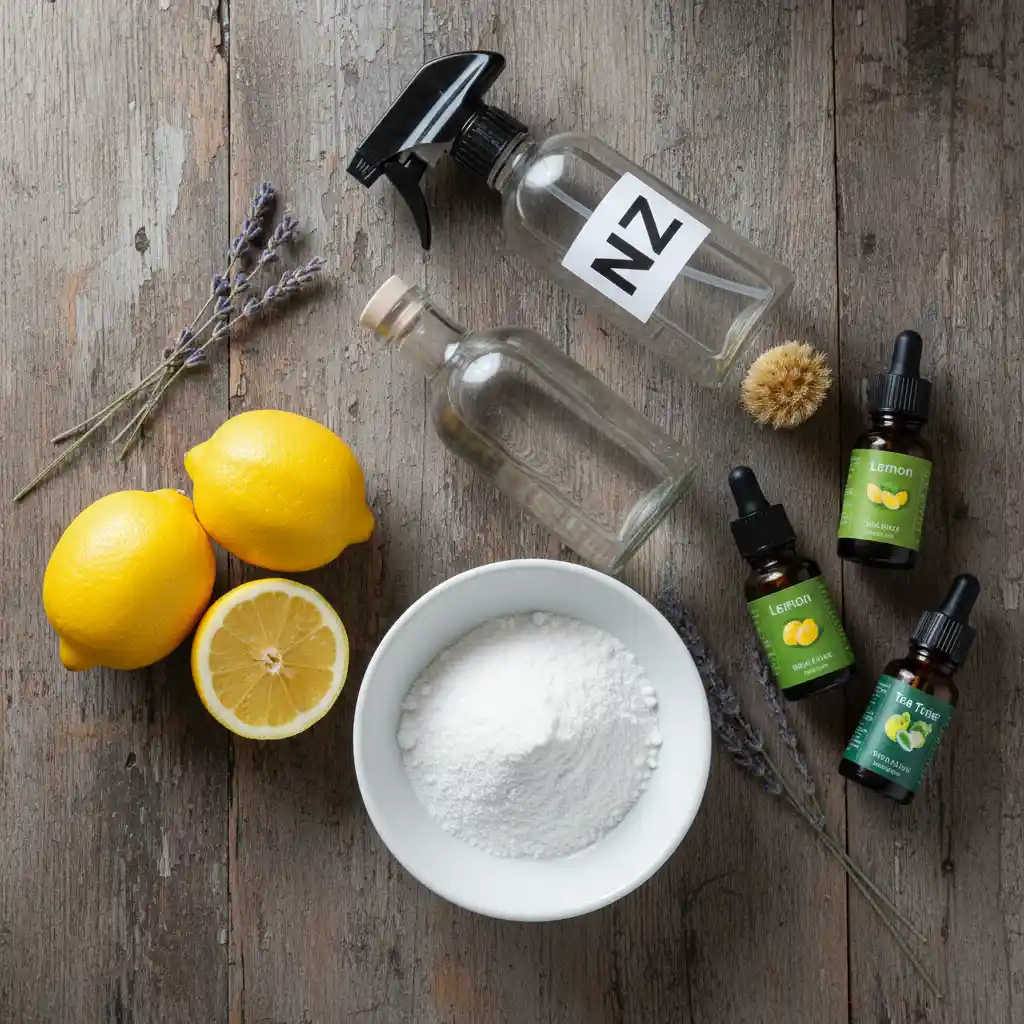
Before diving into the recipes, let’s gather your foundational ingredients. These are readily available at most supermarkets, health stores, or bulk food stores across New Zealand.
- Baking Soda (Sodium Bicarbonate): A gentle abrasive, deodoriser, and whitener.
- White Vinegar (Acetic Acid): A natural disinfectant, degreaser, and descaler.
- Castile Soap: A concentrated vegetable-based soap that’s biodegradable and non-toxic.
- Lemon Juice: Natural bleaching agent, degreaser, and fresh scent.
- Essential Oils: (e.g., Tea Tree, Lemon, Lavender) For natural scent, antibacterial properties, and mood enhancement.
- Coconut Oil: Moisturising base for personal care, can be used for cleaning too.
- Epsom Salts (Magnesium Sulfate): Great for bath soaks and scrubs.
- Cornstarch: Thickening agent, can be used for dusting.
Expert Tip: Always use high-quality essential oils from reputable NZ suppliers, and dilute them properly. Some oils are not safe for internal use or direct skin application without dilution.
DIY Eco-Friendly Cleaning Recipes for Your NZ Home
Ready to make your own homemade cleaning products NZ style? Here are some simple, effective recipes to get you started.
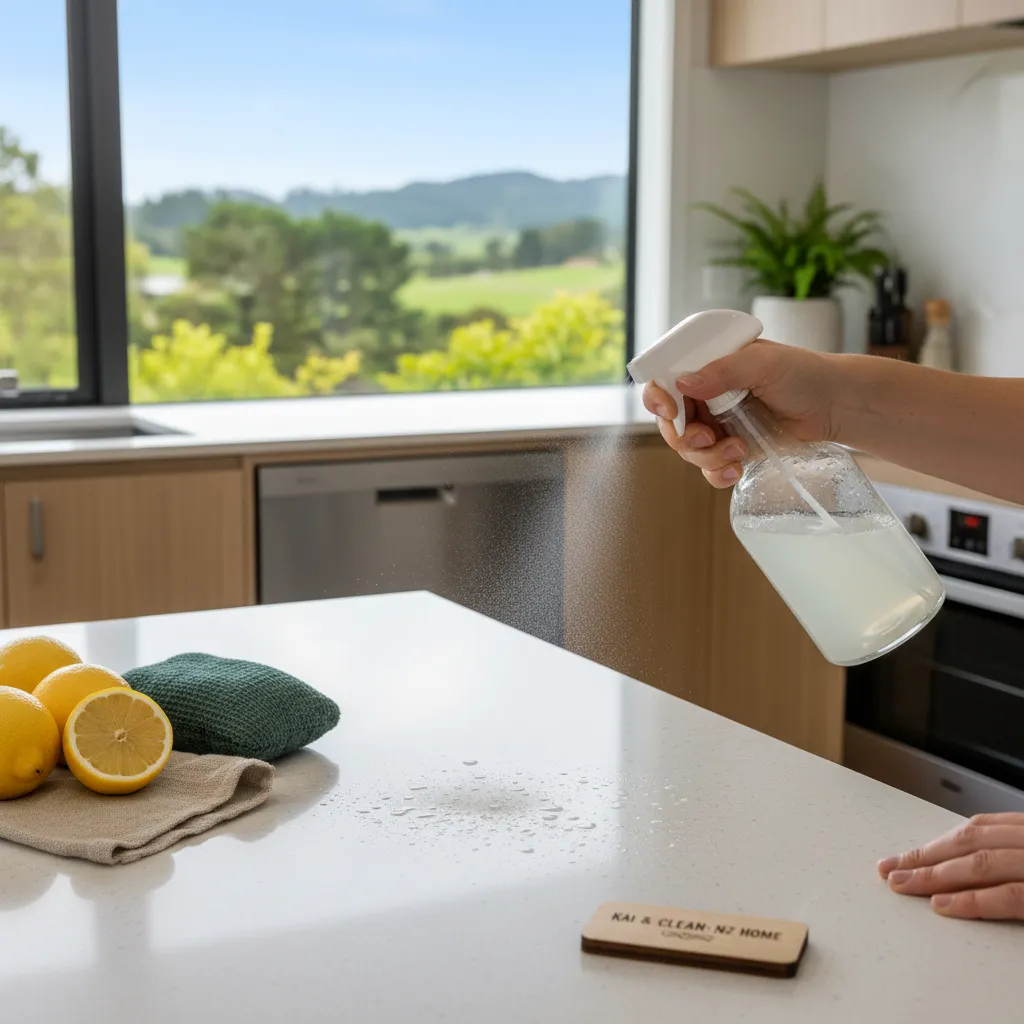
1. All-Purpose Surface Cleaner
Perfect for countertops, sinks, and general surface wiping.
Ingredients:
- 1 cup white vinegar
- 1 cup distilled or filtered water
- 10-15 drops essential oil (e.g., lemon, tea tree, or lavender)
- Spray bottle
Instructions:
- Combine vinegar and water in the spray bottle.
- Add your chosen essential oils.
- Shake gently before each use.
- Spray directly onto surfaces and wipe clean with a microfibre cloth.
2. Streak-Free Glass & Mirror Cleaner
Say goodbye to streaks on windows and mirrors.
Ingredients:
- 1/2 cup white vinegar
- 1/2 cup distilled or filtered water
- 1/4 teaspoon cornstarch (helps prevent streaks)
- Spray bottle
Instructions:
- Mix all ingredients in a spray bottle.
- Shake well until cornstarch is dissolved.
- Spray onto glass or mirror surfaces.
- Wipe immediately with a clean, lint-free cloth or crumpled newspaper for a perfect shine.
3. Natural Toilet Bowl Cleaner
Effective at cleaning and deodorising without harsh fumes.
Ingredients:
- 1/2 cup baking soda
- 1/2 cup white vinegar
- 10 drops tea tree essential oil (optional, for extra disinfectant properties)
Instructions:
- Sprinkle baking soda into the toilet bowl, coating the sides.
- Pour vinegar over the baking soda (it will fizz!). Add essential oil if using.
- Let it sit for 15-30 minutes (or longer for tough stains).
- Scrub with a toilet brush and flush.
4. Laundry Booster & Softener
Naturally brightens clothes and softens fabrics.
Ingredients:
- 1/2 cup baking soda (for boosting)
- 1/2 cup white vinegar (for softening)
Instructions:
- Add 1/2 cup baking soda directly to the washing machine drum with your laundry detergent.
- Pour 1/2 cup white vinegar into the fabric softener dispenser of your washing machine.
- Wash as usual. The vinegar neutralises odours and acts as a natural fabric softener without leaving a scent.
Nourishing You: DIY Personal Care Products
Your skin is your largest organ, so what you put on it matters. These simple recipes allow you to create natural, nourishing personal care items.
1. Invigorating Exfoliating Face Scrub
Gently exfoliates and revitalises skin.
Ingredients:
- 2 tablespoons fine granulated sugar or ground coffee
- 1 tablespoon coconut oil (melted slightly if solid)
- 5 drops essential oil (e.g., lavender or frankincense, optional)
Instructions:
- Mix all ingredients in a small bowl until well combined.
- Apply a small amount to damp face, gently massaging in circular motions.
- Rinse thoroughly with warm water. Use 1-2 times per week.

2. Simple & Effective Deodorant
A natural alternative to commercial antiperspirants.
Ingredients:
- 1/4 cup baking soda
- 1/4 cup cornstarch
- 5 tablespoons coconut oil (melted)
- 10-15 drops essential oil (e.g., tea tree for antibacterial, lavender for scent)
Instructions:
- In a bowl, combine baking soda and cornstarch.
- Add melted coconut oil and essential oils. Mix thoroughly until a paste forms.
- Transfer to a small glass jar or an empty, clean deodorant stick.
- Allow to cool and solidify. Apply a small amount to clean underarms daily.
3. Hydrating Lip Balm
Keep your lips soft and protected with this simple balm.
Ingredients:
- 1 tablespoon beeswax pellets
- 1 tablespoon coconut oil
- 1 tablespoon shea butter
- 5 drops essential oil (e.g., peppermint for invigorating, vanilla for comforting, optional)
Instructions:
- In a double boiler or a heat-safe bowl over a saucepan of simmering water, melt beeswax, coconut oil, and shea butter.
- Once fully melted, remove from heat and stir in essential oils (if using).
- Carefully pour the mixture into small, clean lip balm tubes or tins.
- Let cool completely and solidify before capping.
Getting Started: Tips for Success
Embarking on your DIY journey is exciting! Here are some pointers to help you succeed, especially when sourcing your ingredients in NZ.
- Start Small: Don’t feel pressured to overhaul everything at once. Pick one or two products to try first.
- Label Clearly: Always label your homemade products with their contents and creation date.
- Reusable Containers: Invest in good quality glass spray bottles, jars, and old containers you already have.
- Buy in Bulk: Look for bulk bins at health food stores or online suppliers in NZ for baking soda, Epsom salts, and even essential oils to save money and reduce packaging.
- Test Patch: For personal care products, always do a small patch test on your skin first to check for sensitivities.
- Research Locally: Many local NZ farmers’ markets and sustainable stores offer ingredients or ready-made natural alternatives.
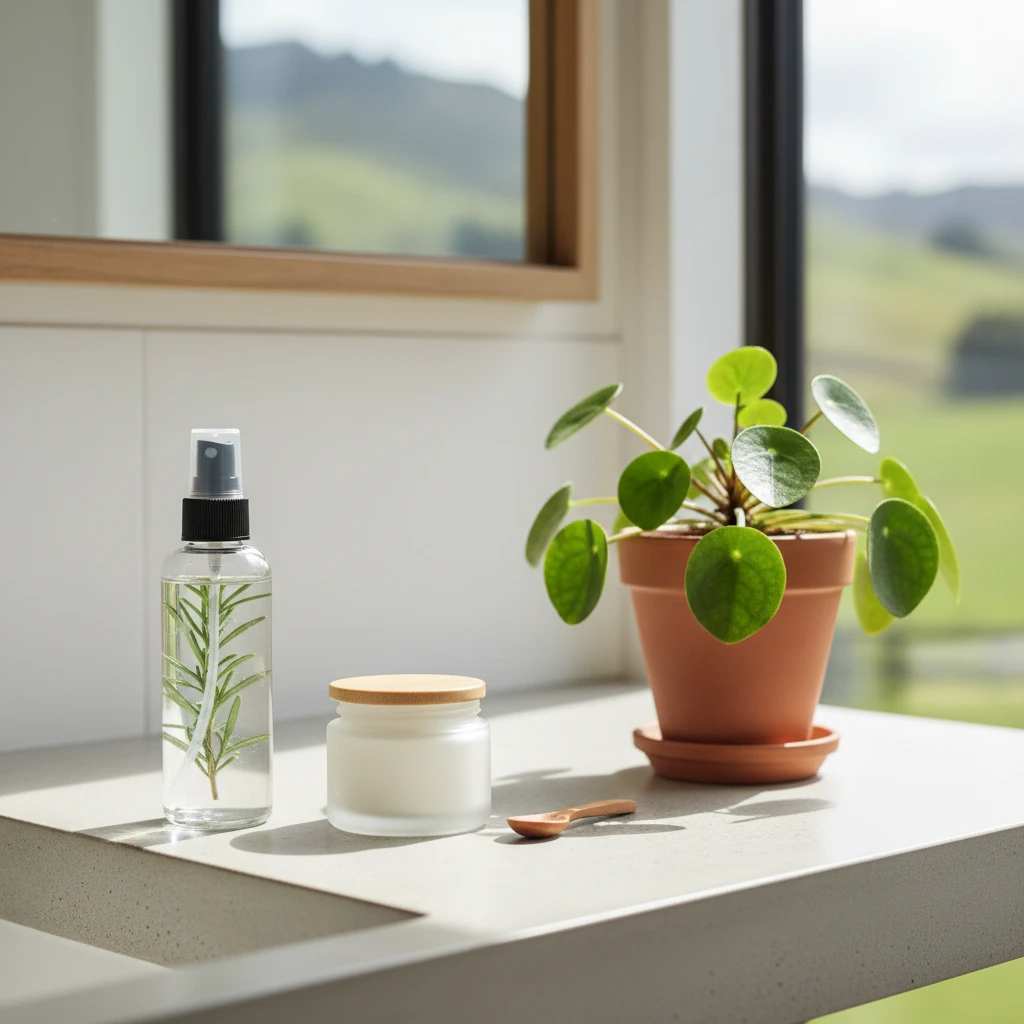
By choosing to make your own homemade cleaning products NZ wide, and embracing DIY personal care, you’re not just making minor changes; you’re actively participating in a movement towards a more sustainable, conscious, and healthier way of living. It’s an investment in your home, your health, and our beautiful Aotearoa.
Frequently Asked Questions (FAQ)
Are homemade cleaning products as effective as store-bought ones?
For most everyday cleaning tasks, absolutely! Natural ingredients like vinegar and baking soda are powerful disinfectants, degreasers, and deodorisers. While they might not contain the harsh industrial-grade chemicals, they are highly effective for maintaining a clean and fresh home without the associated risks to health and environment.
What are the safest ingredients to use for DIY cleaning?
The safest and most common ingredients include white vinegar, baking soda, Castile soap, lemon juice, hydrogen peroxide (for tougher disinfection, use with caution and not mixed with vinegar), and natural essential oils (used sparingly and diluted). Always avoid mixing vinegar with hydrogen peroxide or bleach, as this can create dangerous gases.
Can I use essential oils in all my homemade products?
Essential oils add natural fragrance and often offer antimicrobial properties. While generally safe for most cleaning products, exercise caution with personal care items. Always dilute essential oils significantly and perform a patch test on skin to check for sensitivities. Some oils are not recommended for pregnant women, young children, or pets.
How long do homemade cleaning products last?
The shelf life varies. Solutions primarily made with vinegar and water can last several months. Products containing fresh ingredients like lemon juice may degrade faster (within a few weeks). Personal care items with oils can last 3-6 months, but always store them in airtight containers away from direct sunlight and heat to maximise their lifespan. If you notice any changes in colour, smell, or consistency, it’s best to discard them.
Where can I buy bulk ingredients for DIY products in New Zealand?
You can find bulk ingredients at health food stores, zero-waste shops, some supermarkets with bulk sections, and online specialty stores throughout New Zealand. Look for brands like Bin Inn, Commonsense Organics, or check local co-ops and eco-friendly online retailers for competitive pricing and sustainable packaging options.
References & Sources
- Ministry for the Environment (MfE) New Zealand. (n.d.). Waste and recycling in New Zealand. Retrieved from environment.govt.nz
- Environmental Protection Authority (EPA) New Zealand. (n.d.). Hazardous substances. Retrieved from epa.govt.nz
- Consumer NZ. (n.d.). Eco-friendly cleaning products. Retrieved from consumer.org.nz
- National Institutes of Health (NIH). (2010). Household cleaning products and their effects on human health. Environmental Health Perspectives.
- Journal of Environmental Health. (2018). The efficacy of natural disinfectants against common household bacteria.