Community Waste Initiatives & Programs NZ: Empowering Sustainable Living
In Aotearoa, New Zealand, the journey towards a truly sustainable future is deeply rooted in our communities. While national policies and technologies play a crucial role, the heart of impactful change often beats at the local level. From spirited volunteer efforts to innovative council-led programs, community recycling NZ initiatives are transforming how we manage our waste, fostering stronger connections, and nurturing a healthier environment for all.
This article delves into the diverse and dynamic world of community-driven waste solutions across New Zealand. We’ll explore how everyday Kiwis are making a tangible difference, turning waste into resources, and building more resilient, eco-conscious communities. Join us as we uncover opportunities to get involved, learn more, and contribute to a zero-waste Aotearoa.
Local Recycling Events: More Than Just a Drop-Off
Across New Zealand, local councils, environmental groups, and passionate volunteers frequently organise special recycling events. These aren’t your everyday kerbside collections; they’re tailored initiatives designed to tackle those trickier-to-recycle items that often end up in landfills. Think e-waste collection days, hazardous waste disposal drives, or textile recycling pop-ups. These events play a critical role in expanding what’s possible for community recycling NZ.
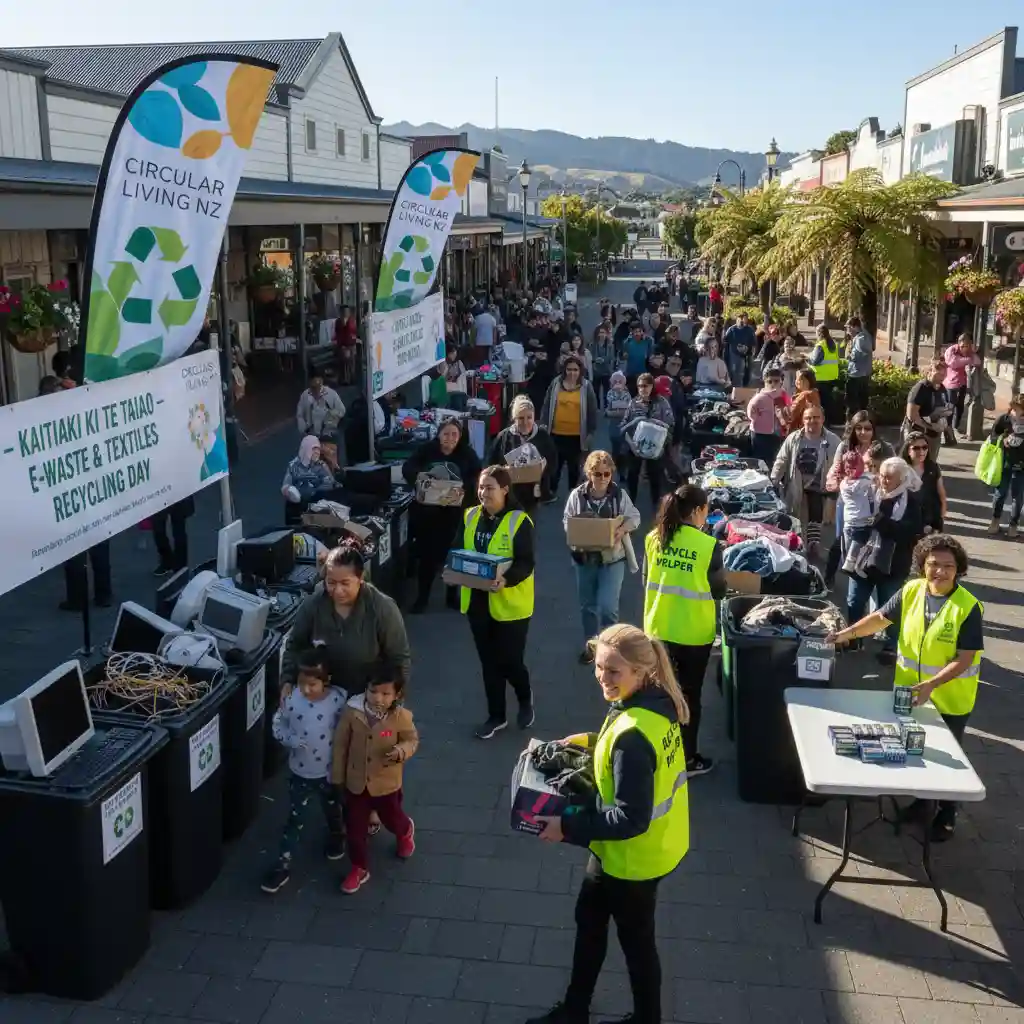
Participation in these events is straightforward and incredibly impactful. By bringing your old electronics, paint, or used batteries to designated drop-off points, you’re preventing harmful materials from polluting our land and water, and ensuring valuable resources are recovered. Many events also offer educational workshops, turning a simple drop-off into an opportunity to learn more about sustainable practices.
Action Checklist: Finding Local Recycling Events
- Check Council Websites: Regularly visit your local city or district council’s website for event calendars and waste information.
- Follow Local Eco-Groups: Join social media groups or newsletters for local environmental organisations.
- Community Boards & Libraries: Look for posters and flyers on noticeboards at community centres and libraries.
- Ask Around: Chat with neighbours and local businesses – word-of-mouth is a powerful tool!
Cultivating Sustainability: Community Composting Hubs
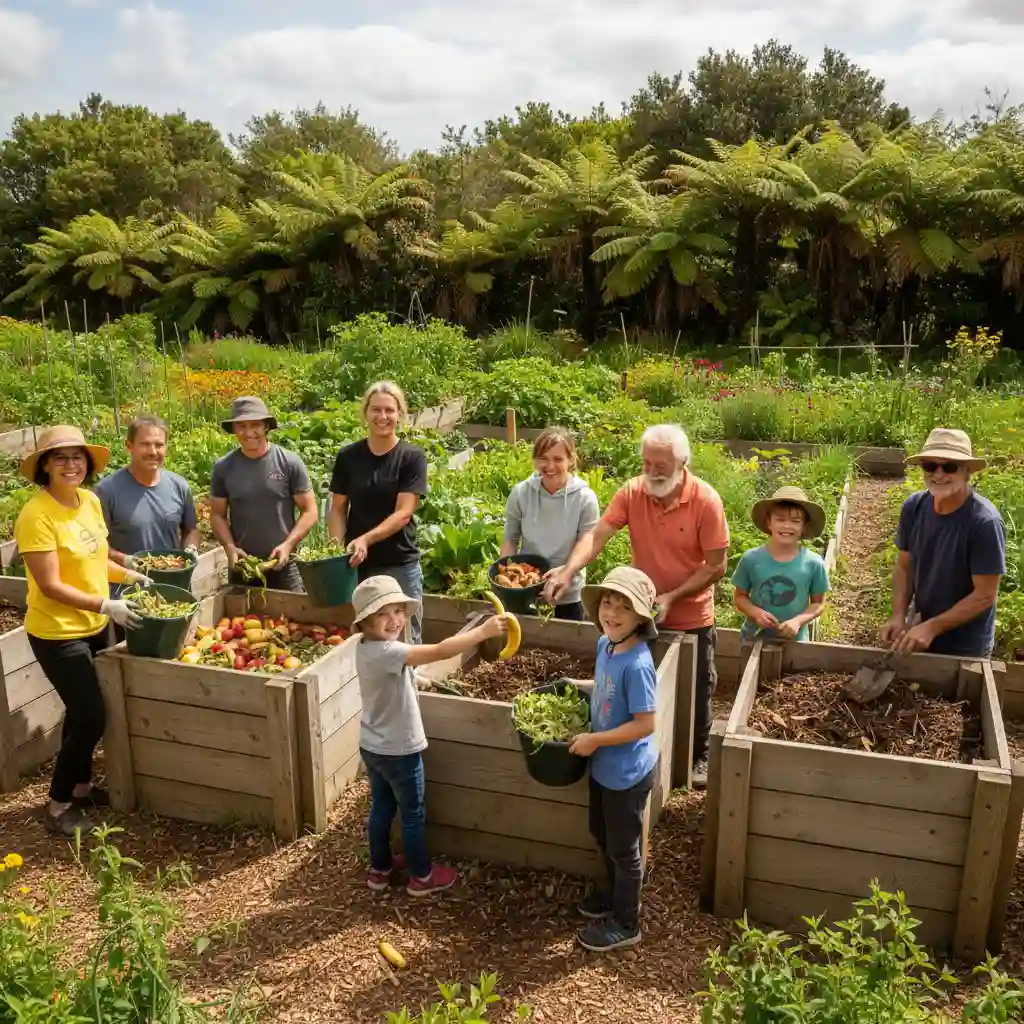
Food scraps and garden waste constitute a significant portion of household rubbish, often ending up in landfills where they produce potent greenhouse gases. Community composting hubs offer a brilliant solution, transforming organic waste into nutrient-rich soil improver right within neighbourhoods. These hubs are excellent examples of proactive community recycling NZ efforts, turning a problem into a valuable resource.
Imagine a shared garden space where residents can drop off their fruit and vegetable scraps, coffee grounds, and lawn clippings. Trained volunteers or staff manage the composting process, and the resulting compost is often used to enrich local community gardens, parks, or even shared backyards. This not only diverts waste but also builds soil health, reduces the need for synthetic fertilisers, and fosters a sense of collective responsibility for our planet.
“Composting at a community level isn’t just about waste reduction; it’s about growing local food systems and strengthening neighbourhood ties. It’s a true circular economy in action.” – Local Zero Waste Advocate
Beyond the Bin: Resource Recovery Centres
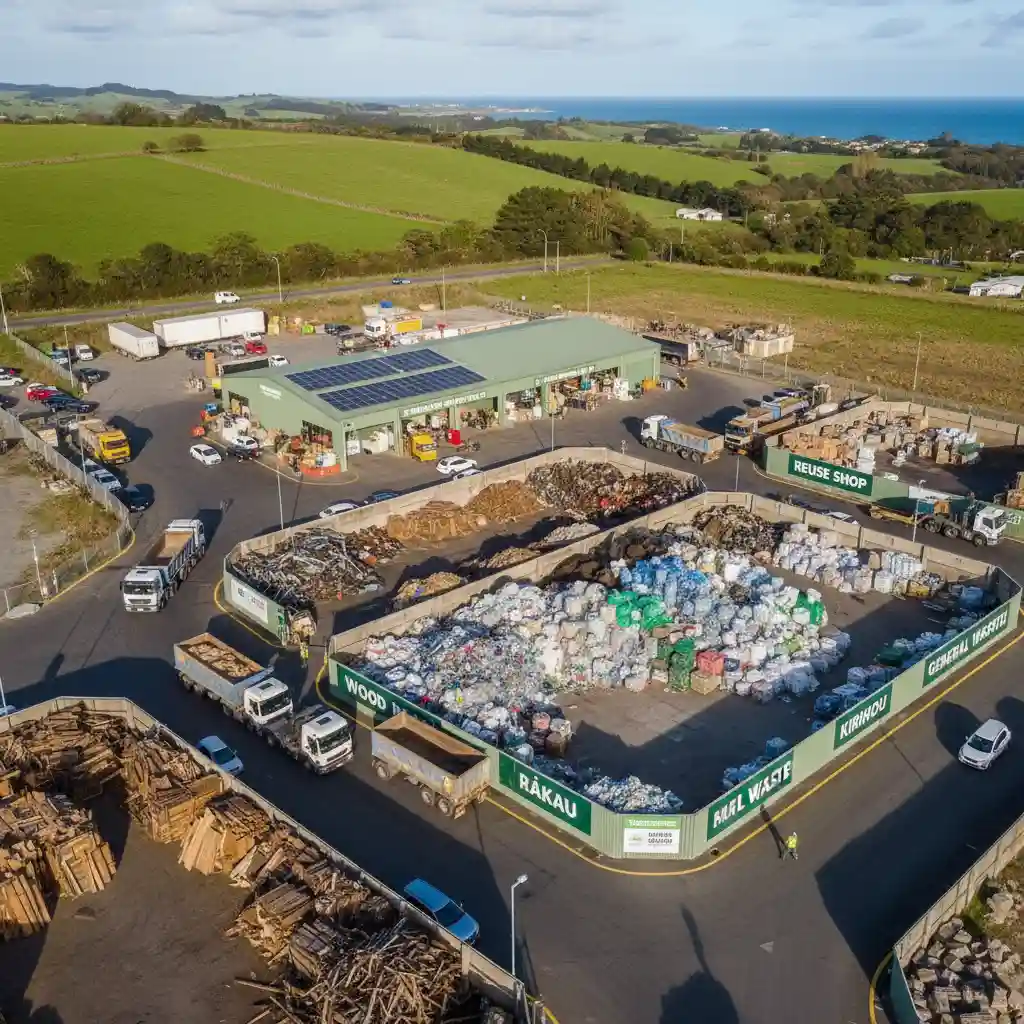
Moving beyond traditional landfills, New Zealand’s resource recovery centres (RRCs) are hubs of innovation for community recycling NZ. These facilities are designed to maximise the recovery of materials, giving items a new lease on life rather than burying them. They often include transfer stations for general waste but also dedicated areas for a vast array of recyclable and reusable goods.
At an RRC, you can expect to find:
- Recycling Depots: For plastics, glass, paper, cardboard, and sometimes specific items like polystyrene or soft plastics.
- Reuse Shops/Op Shops: Where items in good condition (furniture, appliances, clothing, books) are sold at affordable prices, extending their lifespan and supporting local charities.
- Green Waste Drop-offs: For garden waste that can be chipped, mulched, or composted.
- Speciality Recycling: Often for items like car tyres, hazardous waste, or construction and demolition materials.
Stat Callout: Impact of Resource Recovery
Did you know? In 2020, New Zealand generated an estimated 1.86 million tonnes of waste sent to landfills. Resource recovery centres are crucial in diverting a significant portion of this, playing a vital role in moving towards a circular economy. (MfE, 2020)
Unmasking Our Habits: The Power of Waste Audits
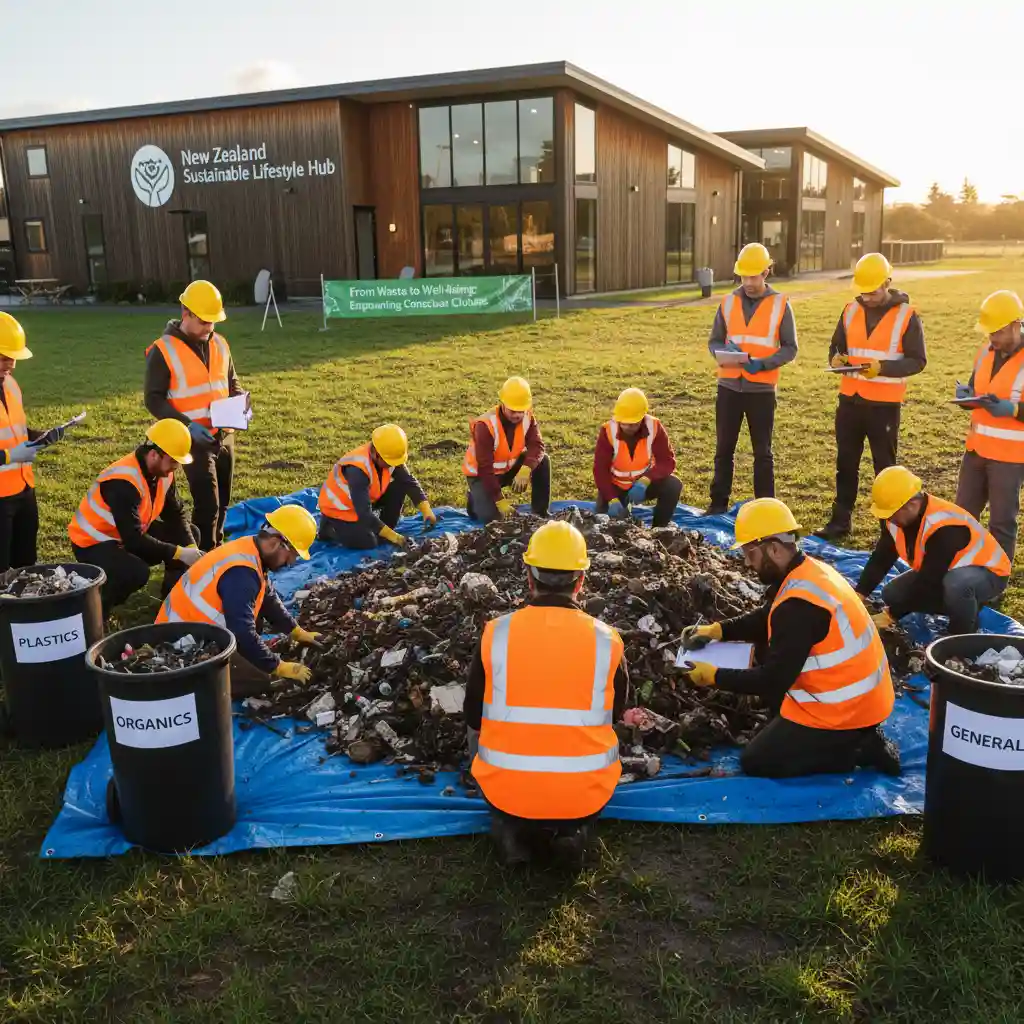
Before we can effectively reduce waste, we need to understand what we’re throwing away. This is where waste audits come in. A waste audit involves systematically sorting and analysing a household’s, business’s, or even an entire community’s waste stream over a defined period. For community recycling NZ, these audits provide invaluable data to tailor initiatives and education.
By participating in or supporting a community waste audit, you contribute to a clearer picture of local consumption and disposal patterns. This data helps identify common waste items that could be diverted, highlighting opportunities for new recycling streams, composting education, or partnerships with businesses for product stewardship. It’s a proactive step towards informed decision-making.
Action Checklist: Contributing to Waste Awareness
- Track Your Own Waste: For a week, simply note down what you throw away – you might be surprised!
- Support Local Audits: If your council or a local group organises a community waste audit, offer your time or resources.
- Advocate for Data: Encourage local authorities to conduct regular waste audits to inform policy and programs.
Join the Movement: Volunteer Opportunities
The backbone of every successful community recycling NZ initiative is its volunteers. People who dedicate their time, energy, and passion to make a difference. Whether you have a few hours a month or want to commit to a regular role, there are countless ways to contribute to waste reduction and sustainability efforts in your local area.
Volunteering offers more than just environmental benefits; it’s a fantastic way to meet like-minded people, learn new skills, and feel a deeper connection to your community and the natural world. From beach clean-ups to helping manage a community garden or facilitating workshops, every effort counts.
Action Checklist: How to Get Involved
- Contact Local Councils: Inquire about environmental volunteer programs or connect with their waste minimisation teams.
- Reach Out to Environmental Groups: Organisations like Keep New Zealand Beautiful, Zero Waste Network, or local conservation trusts often need support.
- Attend Community Meetings: Stay informed about local projects and where you can lend a hand.
- Start Small: Organise a neighbourhood clean-up with friends, or help manage your school’s recycling program.
“Never doubt that a small group of thoughtful, committed citizens can change the world; indeed, it’s the only thing that ever has.” – Margaret Mead
Frequently Asked Questions about Community Recycling NZ
What types of community recycling initiatives are common in NZ?
Common initiatives include local recycling events for specific items (e-waste, textiles), community composting hubs for organic waste, resource recovery centres that aim to maximise reuse and recycling, and volunteer-led clean-up drives. Many local councils also have specific programs to support household recycling and waste reduction.
How can I find out about community recycling events in my area?
The best places to check are your local city or district council’s website (often under ‘Waste and Recycling’ or ‘Events’), local community boards, environmental group social media pages, and local newspapers or community newsletters.
What is a Resource Recovery Centre and how does it help community recycling in NZ?
A Resource Recovery Centre (RRC) is a facility designed to divert as much material as possible from landfill. Beyond standard recycling, RRCs often have reuse shops for salvaging usable items, green waste drop-offs, and specialised recycling for harder-to-process materials. They are central to a circular economy, giving items a second life and reducing overall waste.
Are there opportunities to volunteer for waste reduction efforts in NZ?
Absolutely! Many organisations, from local environmental trusts to larger national groups like Keep New Zealand Beautiful and the Zero Waste Network, rely on volunteers. You can help with clean-ups, educational workshops, managing community gardens, or assisting at resource recovery centres. Check local council websites or connect with community environmental groups.
What can individuals do to support community recycling initiatives?
Individuals can support by participating in local events, using community composting hubs, donating usable items to resource recovery centres, reducing their own waste at home, advocating for better waste policies, and volunteering their time. Every action, big or small, contributes to stronger community recycling NZ efforts.
References & Sources
- Ministry for the Environment (MfE). (2020). New Zealand’s Environmental Reporting Series: Our Waste 2020. Retrieved from environment.govt.nz
- Zero Waste Network Aotearoa. (n.d.). Working towards a circular economy for New Zealand. Retrieved from zerowaste.co.nz
- Keep New Zealand Beautiful. (n.d.). Our Initiatives. Retrieved from knzb.org.nz
- Auckland Council. (n.d.). Waste and recycling. Retrieved from aucklandcouncil.govt.nz (Example of local council resources)