Sustainable Living in Aotearoa
Building Bonds: Eco-Friendly Communities & Social Engagement
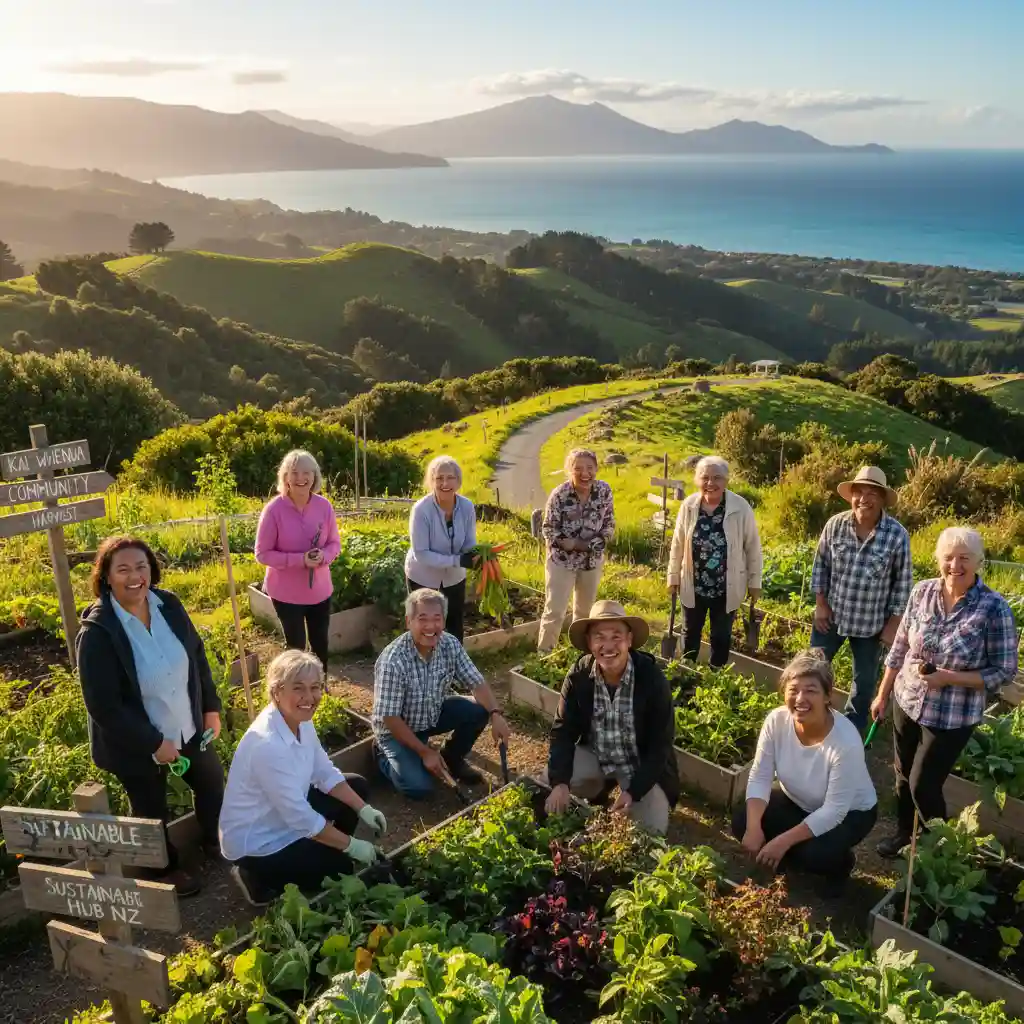
In a world increasingly focused on individual action, the power of collective effort often goes underestimated. When it comes to fostering a truly sustainable lifestyle, individual choices are vital, but their impact amplifies exponentially within a supportive, engaged community. Here in New Zealand, from our bustling cities to our tranquil rural towns, a quiet revolution is underway as people connect over shared environmental values, demonstrating that building bonds: eco-friendly communities & social engagement are not just buzzwords, but cornerstones of a resilient future.
This article explores how cultivating strong social ties within environmentally conscious groups can enrich lives, accelerate sustainable practices, and create a healthier, happier Aotearoa for everyone. Join us as we delve into the heart of community-led sustainability.
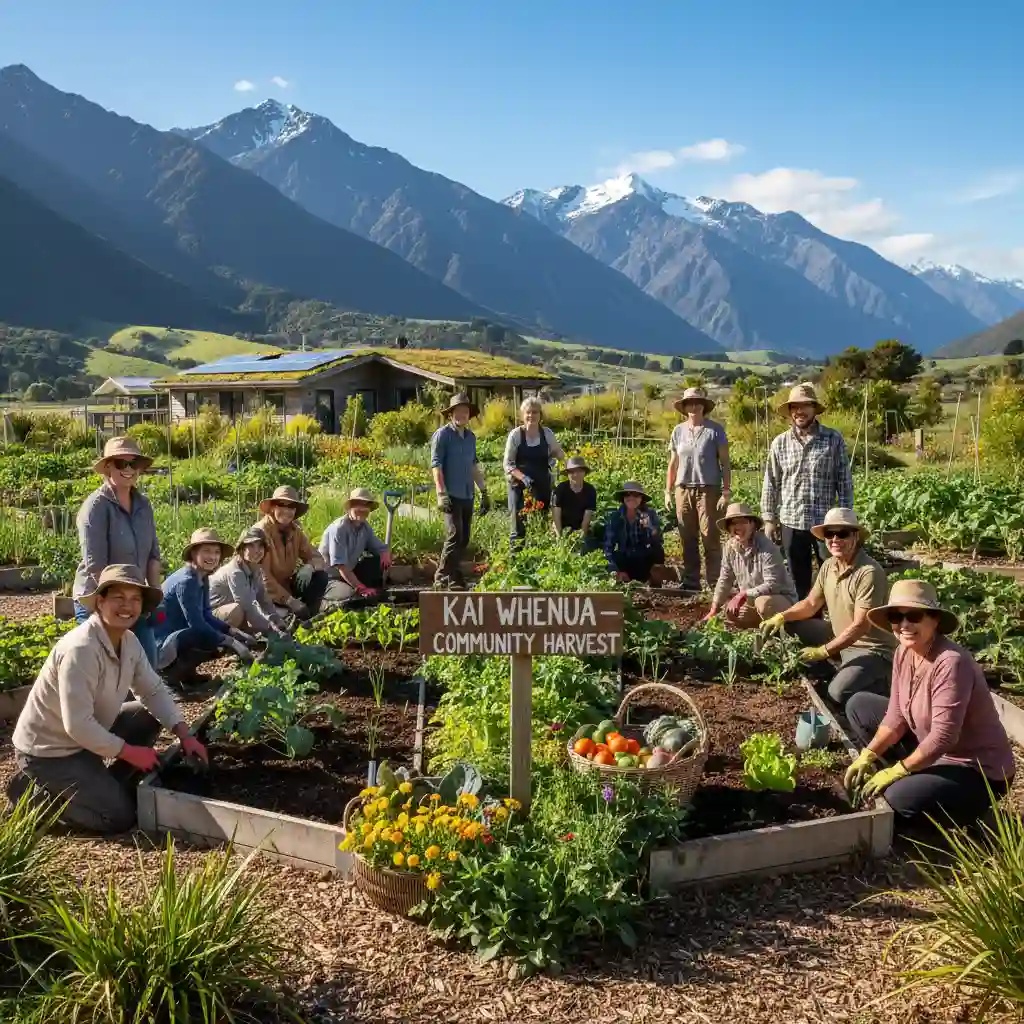
Table of Contents
- The Power of Local Connections in Sustainability
- Defining Eco-Friendly Communities
- Benefits Beyond the Environment: Why Community Matters
- How to Foster Community Engagement for Sustainability
- Real-World Examples in Aotearoa
- Overcoming Challenges in Community Building
- Conclusion: Your Role in Building Sustainable Bonds
- Frequently Asked Questions (FAQ)
- References & Sources
The Power of Local Connections in Sustainability
Humans are inherently social creatures. Our well-being is deeply intertwined with our ability to connect, share, and collaborate. In the context of sustainability, these connections transform individual efforts into a collective force. Imagine a neighbourhood where composting is a shared effort, excess produce is bartered, and tools are lent freely. This isn’t just wishful thinking; it’s the reality of strong, eco-conscious communities.
Local connections build resilience. When faced with environmental challenges or social shifts, communities with robust social capital are better equipped to adapt and support one another. They foster a sense of belonging, shared responsibility, and often, profound joy.
Defining Eco-Friendly Communities
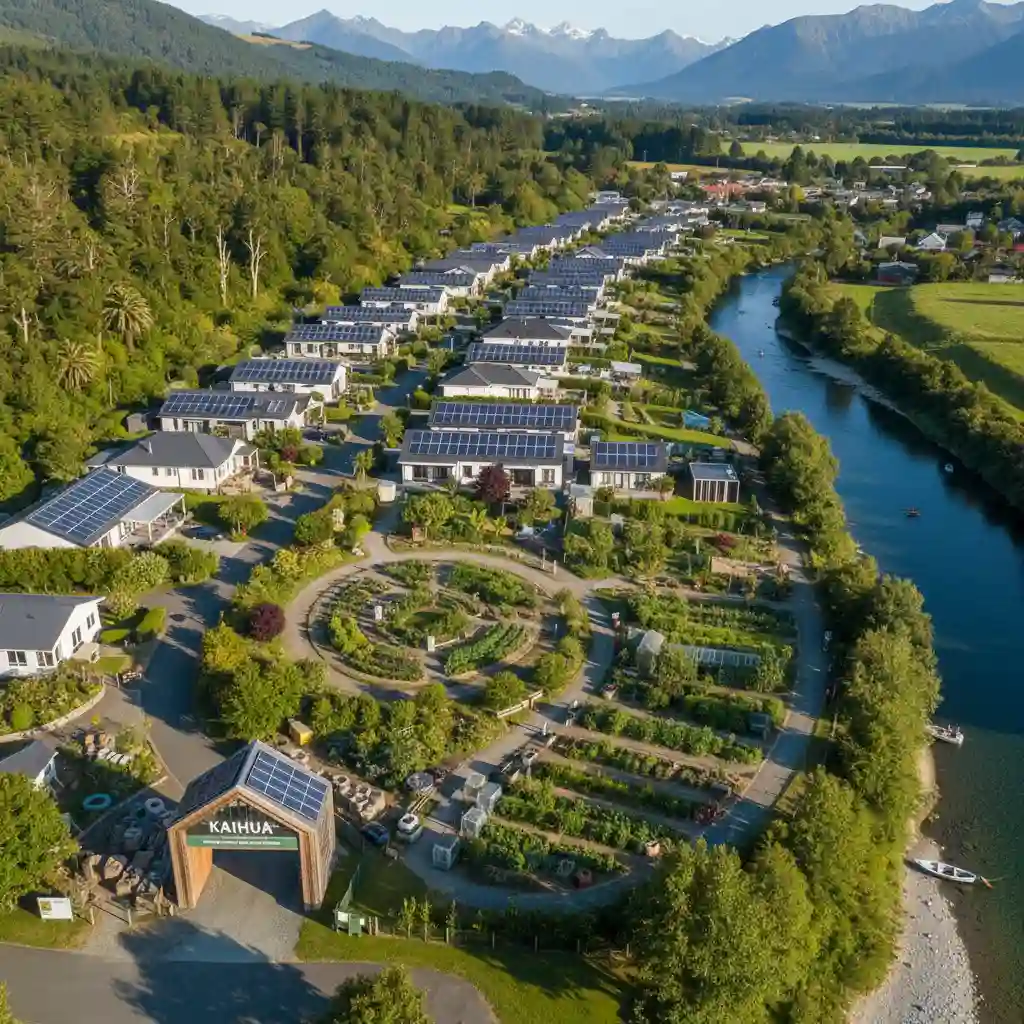
An eco-friendly community, often interchangeably called a sustainable or green community, is more than just a place with recycling bins. It’s a vibrant ecosystem of people, practices, and policies working synergistically to minimise environmental impact and enhance social well-being. Key characteristics include:
- Shared Values: A collective commitment to environmental stewardship and social equity.
- Local Focus: Prioritising local resources, businesses, and food systems.
- Active Participation: Members are engaged in decision-making and hands-on projects.
- Resource Efficiency: Practices like waste reduction, energy conservation, and water harvesting.
- Green Spaces: Access to parks, community gardens, and natural areas.
- Social Cohesion: Strong interpersonal relationships and mutual support.
Benefits Beyond the Environment: Why Community Matters
While the environmental advantages of eco-friendly communities are evident, their positive ripple effects extend much further, impacting our social fabric and individual well-being.
- Enhanced Well-being: Strong social ties combat loneliness and foster a sense of belonging, crucial for mental and emotional health.
- Economic Resilience: Supporting local businesses and sharing resources keeps money within the community and reduces reliance on external systems.
- Skill Sharing & Education: Communities become hubs for learning practical sustainable skills, from gardening to DIY repairs.
- Advocacy & Influence: A united community voice holds more sway in advocating for policy changes and attracting resources.
- Increased Safety & Security: Neighbours who know and trust each other contribute to a safer environment for everyone.
Stat Callout: Research indicates that individuals living in communities with strong social connections report higher levels of happiness and well-being, often outperforming those with higher individual incomes but less social engagement. Furthermore, communities engaged in local food initiatives can reduce their carbon footprint by up to 10-15% through decreased transportation and packaging.
How to Foster Community Engagement for Sustainability
Want to cultivate a more connected, eco-friendly community? Here’s a step-by-step guide to igniting social engagement and sustainable action:
Step 1: Start Small with Local Initiatives
Begin with manageable projects that have visible impact. This could be organising a neighbourhood clean-up, starting a shared composting system, or creating a ‘tool library’ for common household items. Small wins build momentum and demonstrate what’s possible when building bonds: eco-friendly communities & social engagement become a priority.
Step 2: Communicate, Collaborate, and Connect
Utilise various channels to reach out. Neighbourhood social media groups, local newsletters, noticeboards, or even a simple knock on a neighbour’s door can be effective. Actively listen to ideas and concerns, ensuring everyone feels heard and valued. Facilitate casual meet-ups to build personal relationships.
Step 3: Organise Engaging Events and Workshops
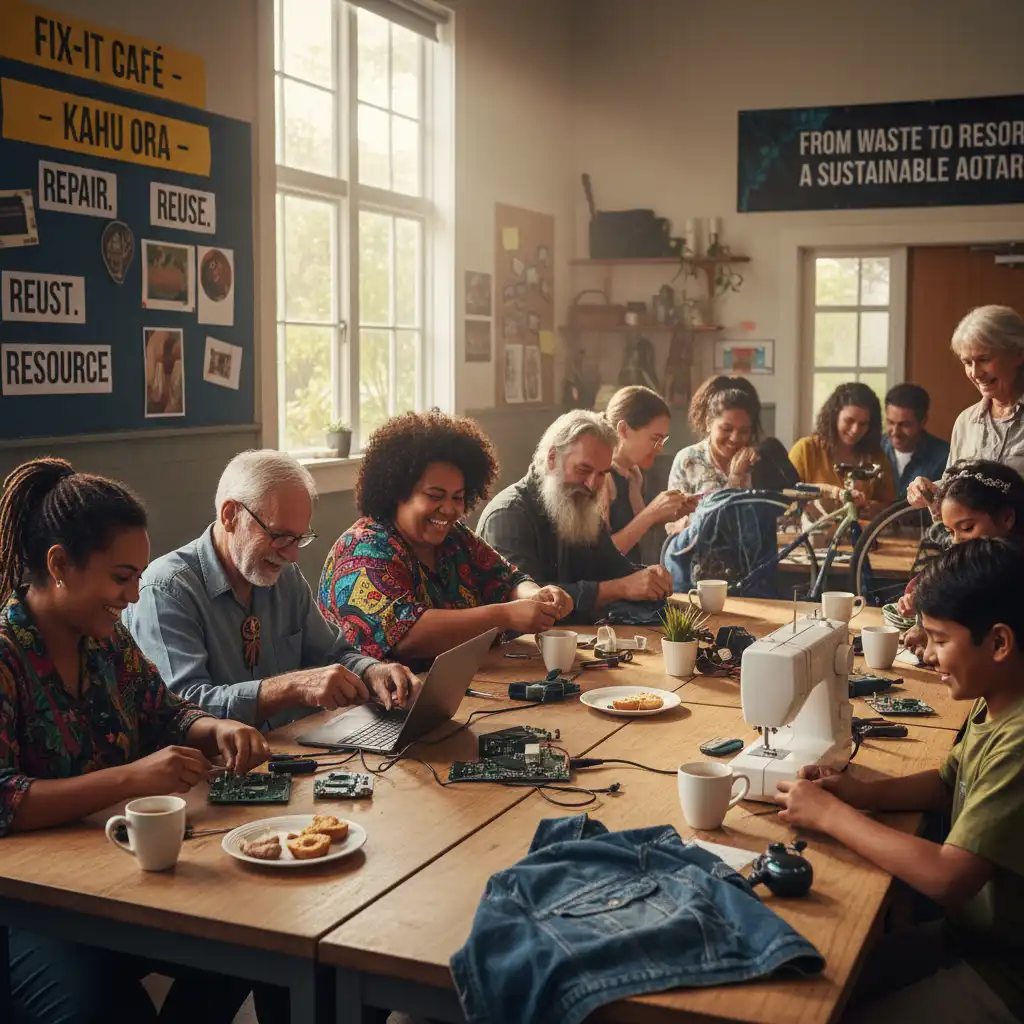
Host events that combine socialising with sustainable learning. Think ‘Fix-it’ cafes, workshops on preserving food, native planting days, or a potluck featuring locally sourced ingredients. These events provide practical skills and strengthen social ties simultaneously.
Step 4: Leverage Local Resources and Partnerships
Connect with local councils, environmental groups, schools, and businesses. Many organisations offer grants, resources, or expertise that can amplify community projects. Collaborating widens your reach and enhances credibility.
Step 5: Celebrate Successes and Inspire Others
Acknowledge and celebrate achievements, no matter how small. Share stories, photos, and testimonials of your community’s progress. Positive reinforcement encourages continued participation and inspires others to get involved, fostering a cycle of constructive social engagement.
Real-World Examples in Aotearoa
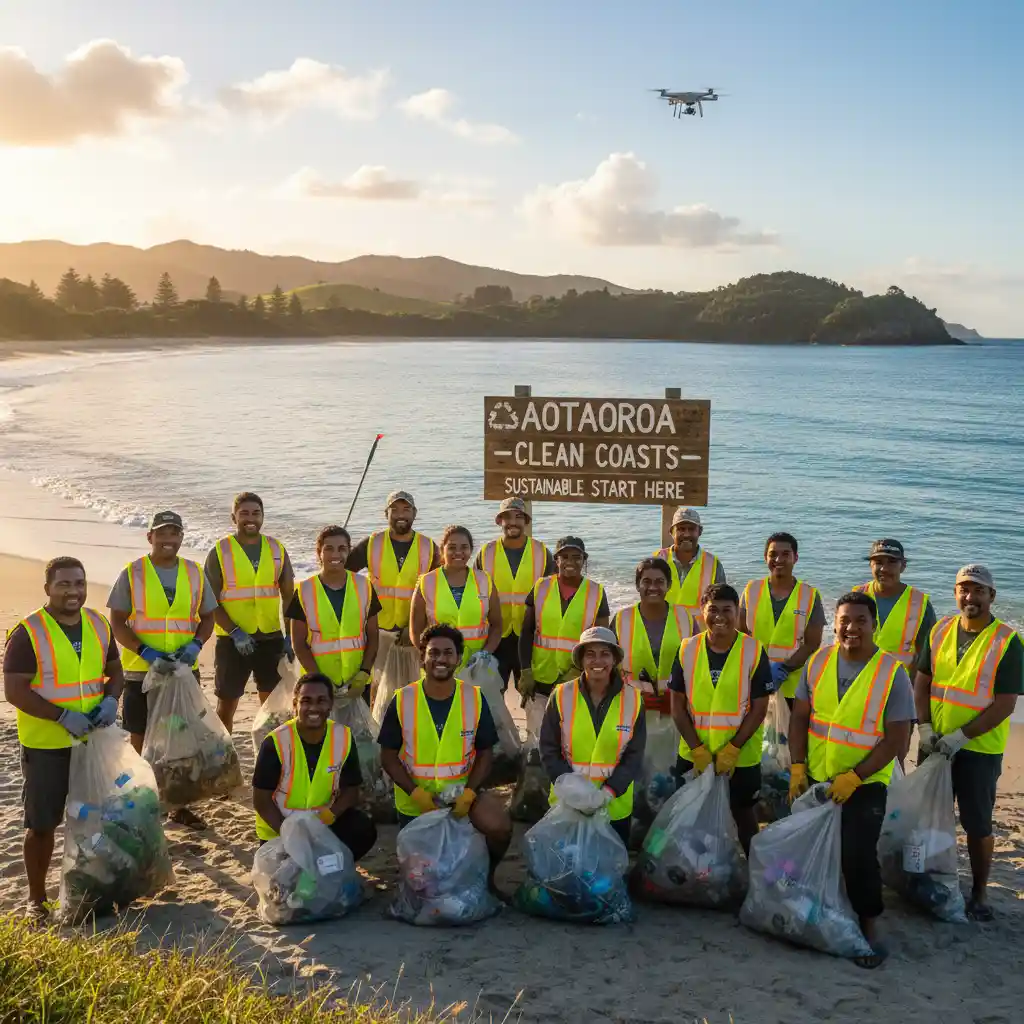
New Zealand is rich with examples of communities actively building bonds: eco-friendly communities & social engagement. From urban greening projects to rural conservation efforts, the spirit of kaitiakitanga (guardianship) is alive and well.
- Predator Free 2050 Community Groups: Numerous local groups across New Zealand dedicate thousands of volunteer hours to trapping pests, protecting native wildlife, and restoring biodiversity in their local areas.
- Community Gardens: Initiatives like the Ōtara Kai Village in Auckland or numerous smaller gardens nationwide bring people together to grow food, share knowledge, and foster food security.
- Zero Waste Hubs: Towns and cities are seeing the rise of community-led zero-waste initiatives, offering bulk wholefoods, repair cafes, and educational workshops to minimise landfill waste.
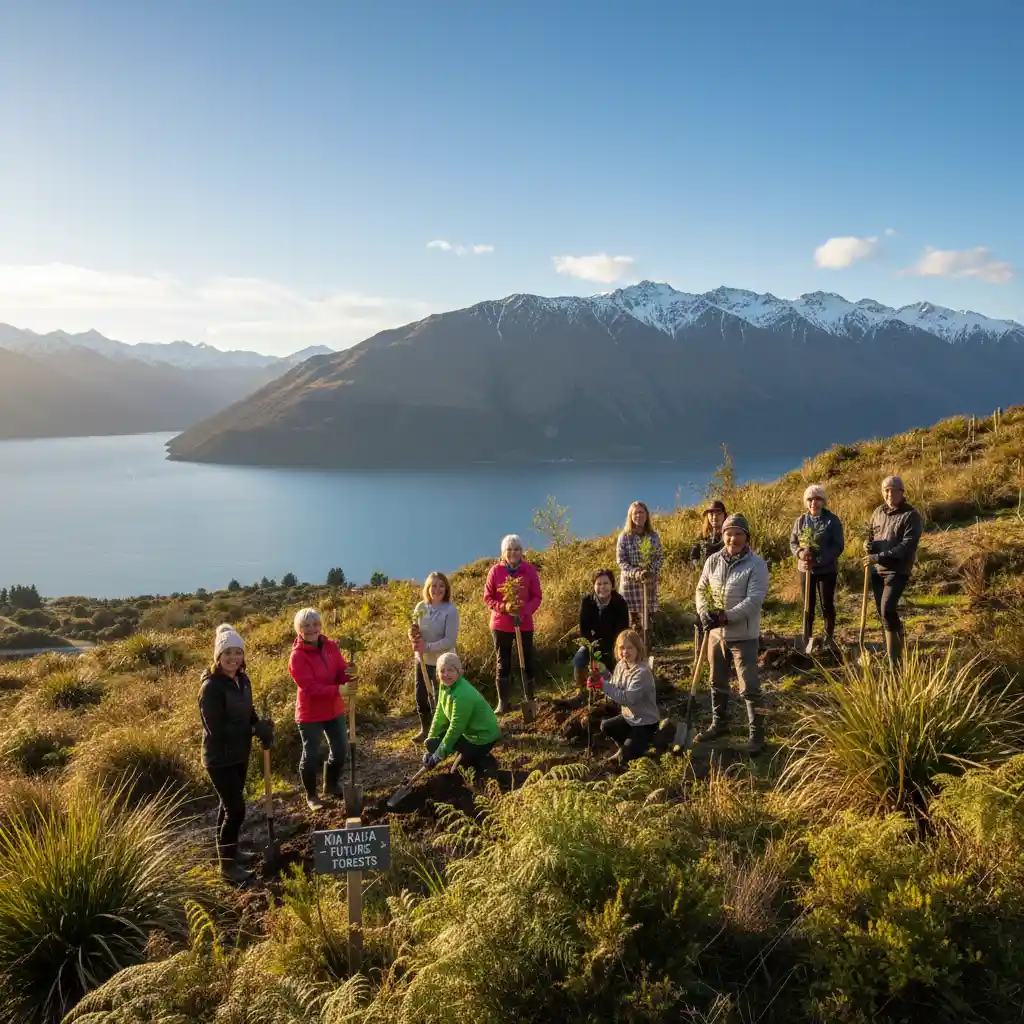
- River and Wetland Restoration: Volunteers regularly come together to plant native trees, remove invasive species, and monitor water quality in their local rivers and wetlands, directly impacting ecological health.
Overcoming Challenges in Community Building
While the vision of a perfectly engaged eco-community is inspiring, real-world challenges exist. Time constraints, differing opinions, funding issues, and sometimes even apathy can be hurdles. The key is persistence, flexible leadership, and a focus on inclusivity. Start with what you have, involve people with diverse skills, and celebrate small, consistent progress. Remember, every major movement began with a small group of committed individuals.
Conclusion: Your Role in Building Sustainable Bonds
The journey towards a sustainable Aotearoa isn’t just about individual choices; it’s profoundly about collective action and shared purpose. Building bonds: eco-friendly communities & social engagement are the engines that drive real, lasting change. They provide support, amplify impact, and enrich our lives far beyond environmental gains.
Whether you’re starting a small project with your neighbours or joining an existing initiative, your participation matters. By investing in your community, you’re not only contributing to a greener planet but also cultivating a more connected, resilient, and joyful future for all New Zealanders. Let’s build those bonds, one sustainable step at a time.
Frequently Asked Questions (FAQ)
What defines an “eco-friendly community” in New Zealand?
In New Zealand, an eco-friendly community is characterised by a collective commitment to environmental stewardship (kaitiakitanga), often involving initiatives like waste reduction, local food production, native planting, energy efficiency, and active social engagement to support these goals. It’s about a holistic approach to sustainable living, often with a strong emphasis on local resources and collaboration.
Why is social engagement crucial for sustainable lifestyles?
Social engagement is crucial because it transforms individual efforts into collective impact. It provides support, shares knowledge, fosters a sense of shared responsibility, and builds resilience within a community. Strong social bonds make it easier to adopt sustainable practices, advocate for change, and overcome challenges together, ultimately accelerating the transition to a greener lifestyle.
How can I start building eco-friendly bonds in my neighbourhood?
You can start by identifying a small, actionable project, like organising a neighbourhood clean-up, starting a shared compost or a local seed swap. Use local communication channels, invite neighbours for a casual get-together to discuss ideas, and seek out existing local groups focused on sustainability. Small steps and consistent engagement are key to building momentum.
Are there government resources available for eco-friendly community projects in NZ?
Yes, various government and non-government organisations in New Zealand offer resources. Local councils often have sustainability grants or initiatives. The Ministry for the Environment, Department of Conservation, and community trusts also provide funding, advice, and support for environmental and community-led projects. Connecting with these bodies can provide valuable assistance.
What are common challenges when trying to foster eco-friendly communities?
Common challenges include limited time availability from volunteers, differing opinions on best approaches, securing funding, and sometimes a lack of initial interest or engagement. Overcoming these requires patient leadership, clear communication, celebrating small wins, and fostering an inclusive environment where all contributions are valued.
References & Sources
- Ministry for the Environment (MfE) New Zealand. www.environment.govt.nz
- Statistics New Zealand. www.stats.govt.nz
- Department of Conservation (DOC) New Zealand. www.doc.govt.nz
- Sustainable Aotearoa New Zealand (SANZ). (Plausible advocacy group for sustainable living).
- Various academic studies on community resilience and well-being (e.g., Journal of Community Psychology, Environmental Sociology).