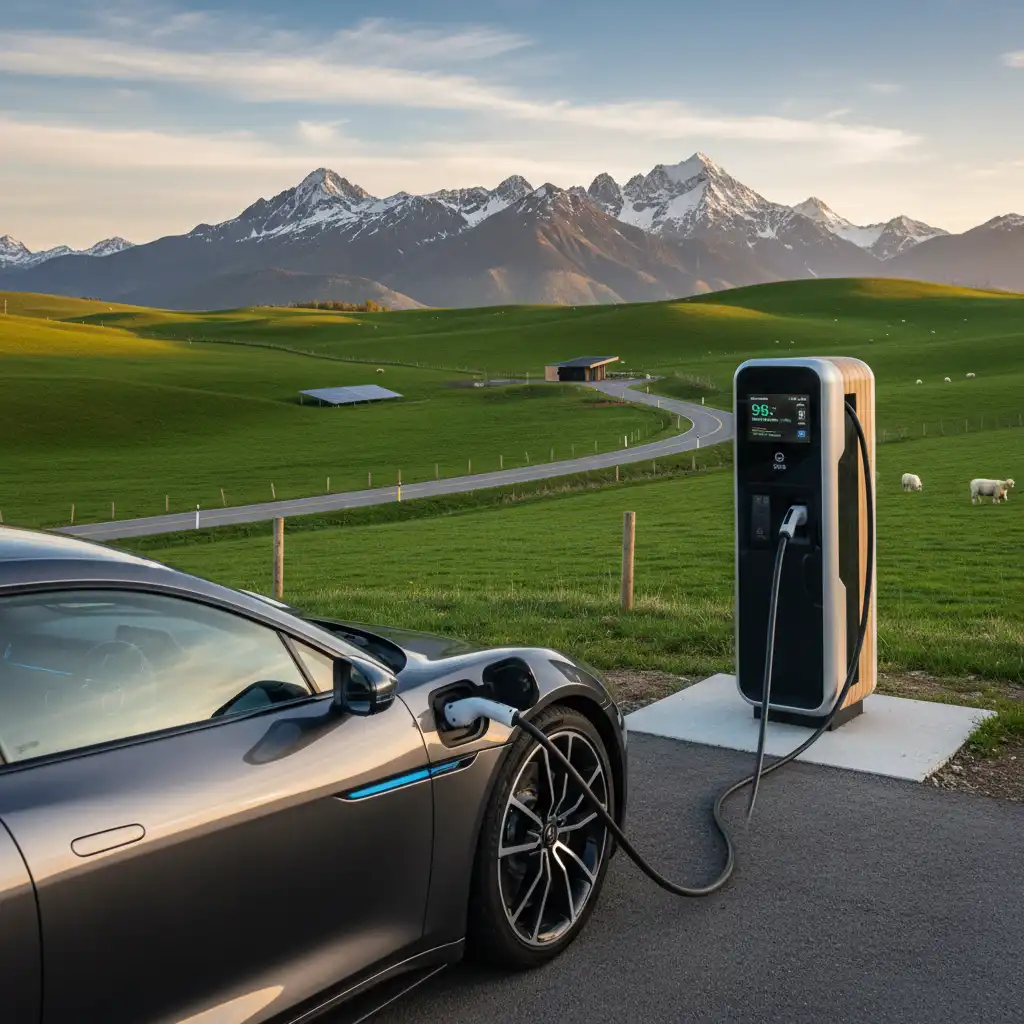
Boosting EV Adoption: Key Policies & Global Trends
Driving a sustainable future, one electric vehicle at a time. Explore the strategies accelerating the transition worldwide and what it means for New Zealand.
Table of Contents
Introduction: The Electric Revolution
The global shift towards electric vehicles (EVs) is no longer a distant dream but a rapidly accelerating reality. As nations grapple with climate change and seek energy independence, boosting EV adoption has emerged as a critical strategy. This transition promises cleaner air, reduced carbon emissions, and quieter communities, paving the way for a truly sustainable future.
For New Zealand, a country deeply committed to environmental stewardship and clean energy, understanding the key policies & global trends driving this change is paramount. This article delves into the strategies governments and industries worldwide are employing to encourage EV uptake, alongside the technological and societal shifts making electric transport an increasingly attractive option.
Understanding the Drive for EVs
The motivation behind the electric vehicle revolution is multifaceted. At its core lies the urgent need to combat climate change by decarbonising the transport sector, which accounts for a significant portion of global greenhouse gas emissions. EVs, especially when powered by renewable energy, offer a compelling solution.
Beyond environmental benefits, EVs offer advantages like reduced reliance on fossil fuels, contributing to energy security, and lower operating costs for consumers due to cheaper electricity compared to petrol and fewer maintenance needs. This combination of ecological imperative and practical benefits fuels the worldwide push for boosting EV adoption.
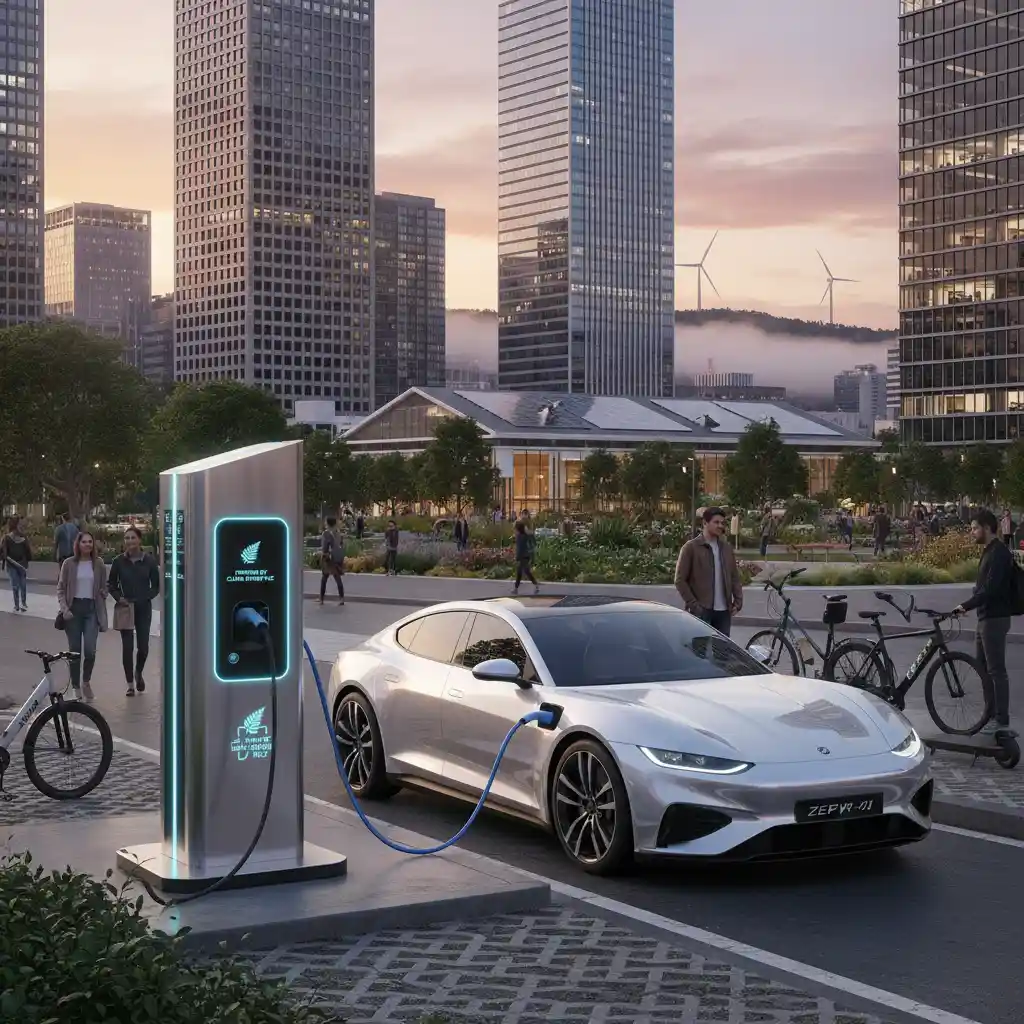
Key Policy Levers for Boosting EV Adoption
Governments globally are employing a range of sophisticated policy instruments to accelerate the transition to electric mobility. These policies often work in tandem, creating a comprehensive ecosystem that supports both consumers and industry.
Stat Callout:
Norway leads the world in EV adoption, with over 80% of new car sales in 2023 being electric. This success is largely attributed to aggressive tax exemptions and substantial incentives.
Financial Incentives
One of the most effective ways to overcome the initial higher purchase cost of EVs is through financial incentives. These can take various forms:
- Purchase Subsidies & Grants: Direct payments to reduce the upfront cost of an EV.
- Tax Exemptions & Reductions: Waiving or reducing sales tax, import duties, or annual road taxes for EVs.
- Reduced Tolls & Parking Fees: Offering free or discounted access to toll roads, HOV lanes, and parking spots.
“Financial incentives play a crucial role in bridging the price gap between conventional and electric vehicles, making them accessible to a broader consumer base.”
Charging Infrastructure Development
The “range anxiety” often cited by potential EV buyers is directly addressed by robust charging infrastructure. Policies here focus on:
- Public Charging Networks: Government funding and partnerships to expand fast-charging stations on highways and in urban centers.
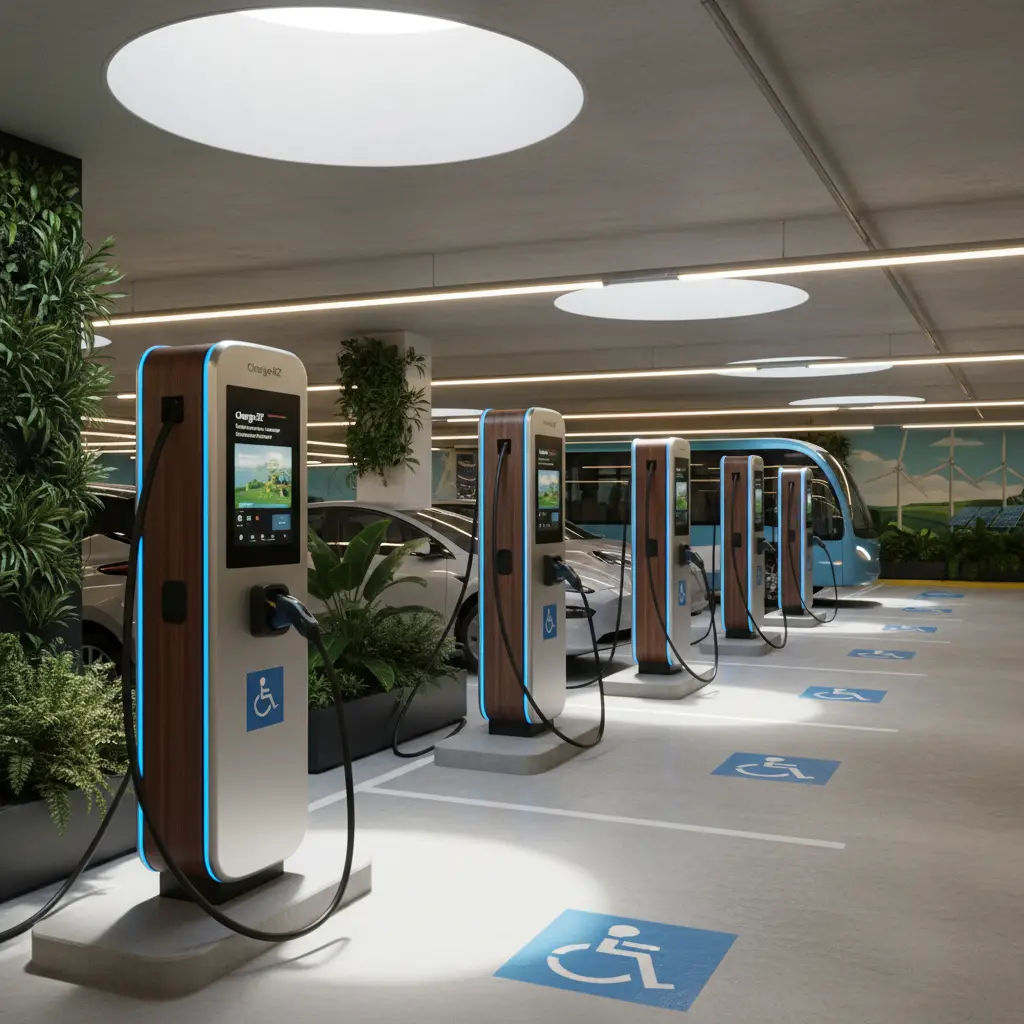
- Workplace & Residential Charging: Incentives for businesses and apartment complexes to install chargers, along with building codes mandating EV-ready infrastructure in new constructions.
- Standardisation: Promoting common charging standards to ensure compatibility and ease of use.
Regulatory Measures & Standards
Beyond incentives, regulations provide a strong push for manufacturers and consumers alike:
- Emission Standards: Setting stringent emission targets for internal combustion engine (ICE) vehicles, indirectly promoting EVs.
- Zero-Emission Vehicle (ZEV) Mandates: Requiring automakers to sell a certain percentage of EVs.
- Fleet Electrification: Policies encouraging government and commercial fleets to transition to electric.
Public Awareness & Education
Education plays a vital role in dispelling myths and showcasing the benefits of EVs. Campaigns focus on:
- Highlighting environmental benefits and lower running costs.
- Providing clear information on range, charging, and available models.
- Test drive events and public demonstrations.
Global Trends Shaping the EV Landscape
The push for boosting EV adoption isn’t solely government-driven; several global trends are creating a powerful tailwind.
Stat Callout:
Global EV sales surpassed 10 million units in 2022, and projections suggest they could reach 14 million in 2023, representing a significant increase in market share.
Technological Advancements
Rapid innovation in battery technology is at the heart of EV growth. Batteries are becoming more energy-dense, lighter, and crucially, cheaper. This translates to longer ranges, faster charging times, and more affordable EVs, directly addressing previous consumer concerns.

Consumer Shift & Environmental Consciousness
There’s a growing demographic of consumers prioritising sustainability and environmental impact in their purchasing decisions. This shift, coupled with increasing awareness of air quality issues in urban areas, is driving demand for cleaner transport options like EVs. Brands that offer compelling electric models are also gaining a competitive edge.
Geopolitical Factors & Supply Chains
Fluctuations in global oil prices and concerns over energy security are also pushing nations to diversify their energy sources and embrace electrification. While challenges remain in securing raw materials for batteries and establishing robust EV supply chains, significant investments are being made to overcome these hurdles and ensure a steady transition.
The New Zealand Context: Paving the Way
New Zealand is actively engaging with these global trends and implementing policies to accelerate its own EV transition. Initiatives like the now-ended Clean Car Discount, which provided rebates for low-emission vehicles, have significantly influenced uptake. Furthermore, investments in expanding the national charging network, promoting EV use in government fleets, and public education campaigns demonstrate a strong commitment to boosting EV adoption.
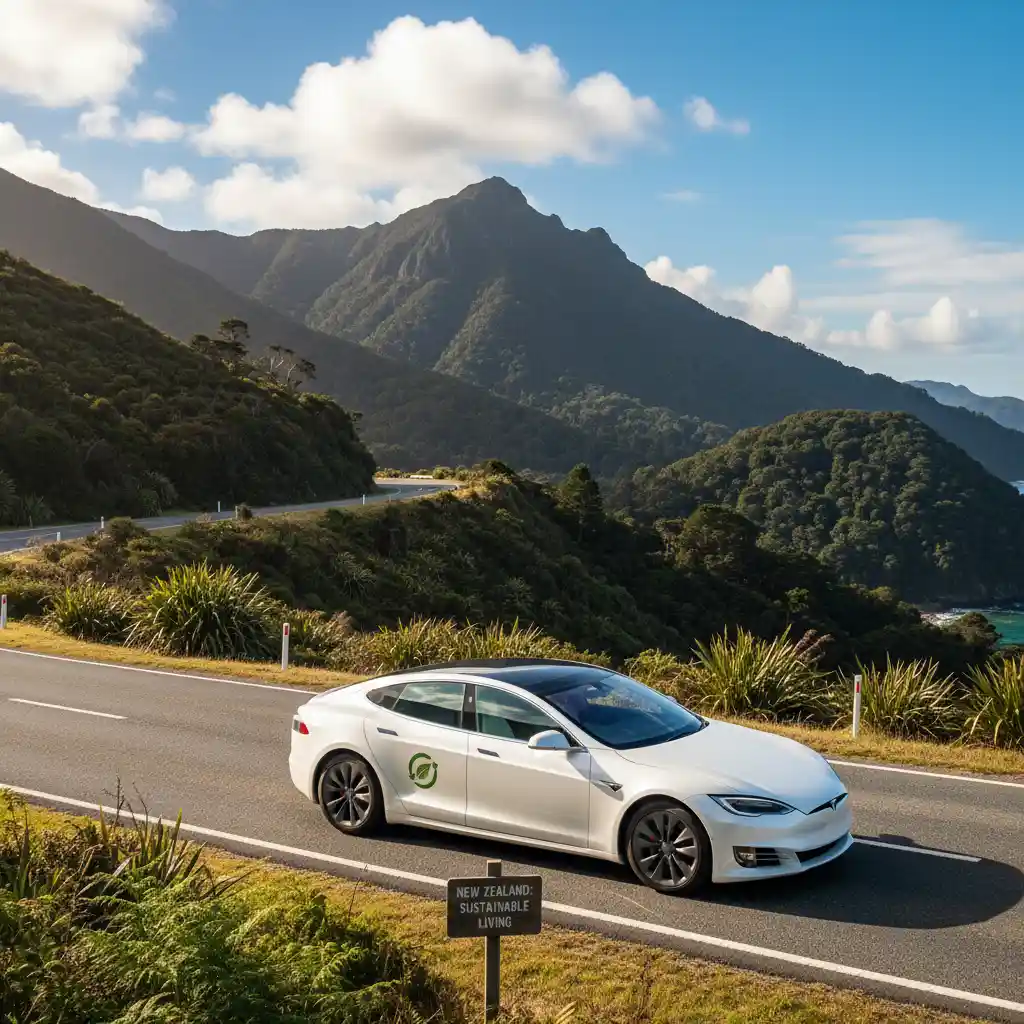
As a nation reliant on hydropower and other renewable sources for much of its electricity, New Zealand is uniquely positioned to offer truly zero-emission transport. The continuous evolution of global policies and technological advancements will further empower New Zealanders to embrace sustainable mobility.
The Road Ahead: Challenges and Opportunities
While significant progress has been made in boosting EV adoption, challenges remain. These include ensuring equitable access to charging infrastructure, managing battery end-of-life, and addressing the initial cost barrier for some consumers. However, these challenges also present opportunities for innovation, job creation, and the development of a resilient, sustainable transport ecosystem.
The collective efforts of governments, industry, and consumers are essential to navigate this transition successfully. By learning from global best practices and adapting them to local contexts, countries like New Zealand can continue to lead the charge towards a cleaner, electric future.
Frequently Asked Questions
What are the main types of policies used to boost EV adoption?
The main policies include financial incentives (subsidies, tax breaks), investment in charging infrastructure, regulatory measures (emission standards, ZEV mandates), and public awareness campaigns to educate consumers.
How does charging infrastructure impact EV uptake?
Extensive and accessible charging infrastructure directly addresses “range anxiety,” a major barrier to EV adoption. Knowing that charging points are readily available at home, work, and on public routes significantly increases consumer confidence and willingness to switch to an EV.
Are electric vehicles truly “green” if they use electricity from fossil fuels?
Even when powered by electricity from a fossil-fuel-heavy grid, EVs typically produce fewer lifetime emissions than comparable petrol vehicles. Their “green” credentials significantly improve when charged with electricity from renewable sources like solar, wind, or hydropower, which is prevalent in New Zealand.
What are the key global trends driving EV growth?
Key global trends include rapid technological advancements in battery efficiency and cost reduction, increasing consumer environmental consciousness, and geopolitical shifts pushing for energy independence from fossil fuels.
How does New Zealand compare in terms of EV adoption policies?
New Zealand has implemented policies like the now-ended Clean Car Discount and is investing in charging infrastructure. While its pace of adoption is growing, it’s learning from global leaders like Norway and adapting policies to its unique market and renewable energy advantages.
References & Sources
- International Energy Agency (IEA). (2023). Global EV Outlook 2023. Retrieved from iea.org
- Government of Norway. (Various years). EV Incentive Programs. Details available via Norwegian Public Roads Administration.
- BloombergNEF. (2023). Electric Vehicle Outlook 2023. (Subscription required for full report).
- Ministry of Transport, New Zealand. (Various publications). EV uptake statistics and policies in New Zealand. Retrieved from transport.govt.nz
- United Nations Environment Programme (UNEP). (2022). Electrifying Transport: A Decade of Progress. Retrieved from unep.org