Boosting Employee Well-Being with Energy-Efficient Design
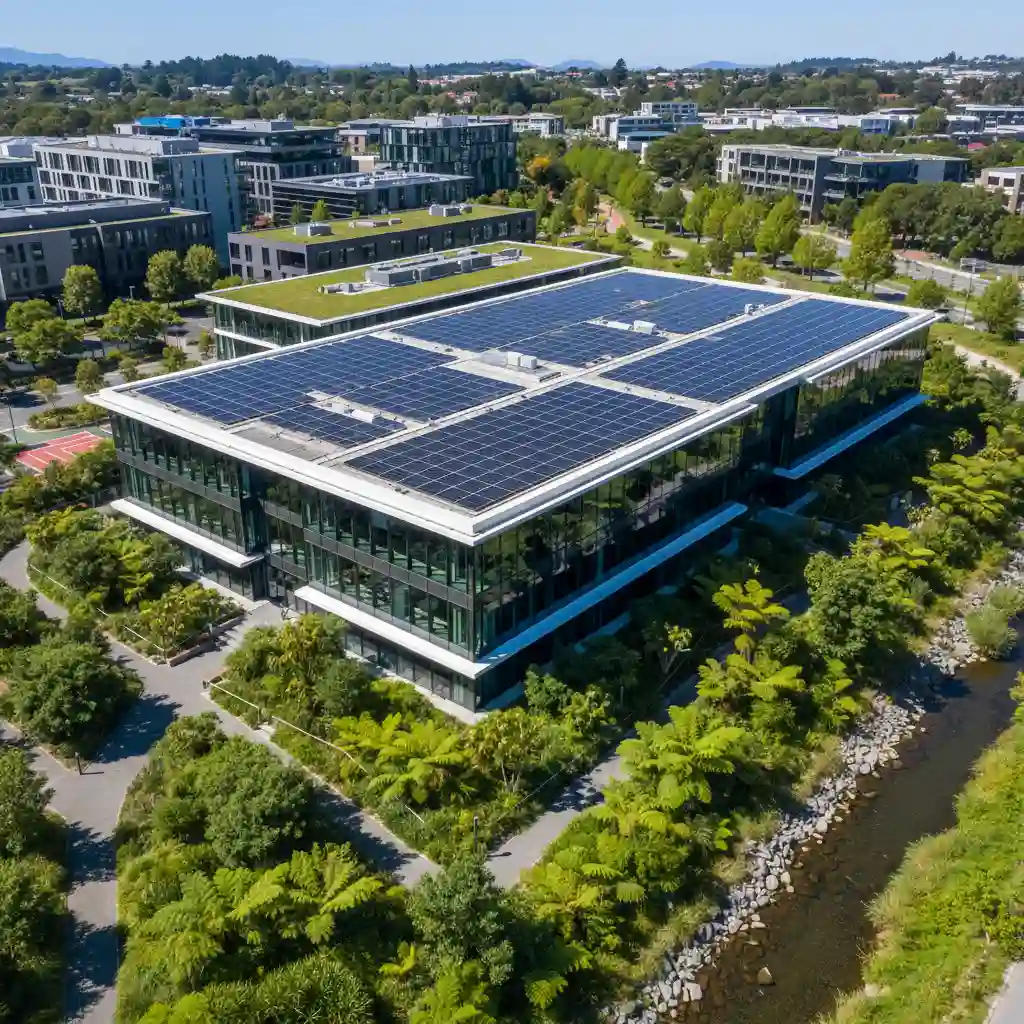
In today’s dynamic work environment, the well-being of employees is no longer a fringe benefit but a core pillar of business success. As New Zealand businesses increasingly embrace sustainable practices, there’s a powerful, often underestimated, synergy emerging: the direct link between energy-efficient design and enhanced employee well-being.
This article explores how thoughtful, sustainable design choices in our workplaces can not only reduce environmental impact and operational costs but also cultivate healthier, happier, and more productive teams. Discover how embracing an energy-efficient approach can transform your workspace into a hub of innovation and vitality.
Table of Contents
The Business Case for Energy-Efficient Design
For too long, sustainability in the workplace has been viewed primarily through the lens of cost savings on utility bills or compliance with environmental regulations. While these aspects are undeniably important, the true value of energy-efficient design extends far beyond the ledger. It directly impacts the people who spend a significant portion of their lives within these spaces: your employees.
When offices are designed with a focus on natural light, clean air, and comfortable temperatures, it creates an environment that fosters physical health, mental clarity, and emotional balance. This holistic approach to workplace design is increasingly recognised as a strategic advantage, contributing to reduced absenteeism, higher engagement, and improved retention of top talent.
“Investing in energy-efficient design is an investment in human capital. A healthier building leads to a healthier, more productive workforce.”
Key Elements of Energy-Efficient Design Enhancing Well-Being
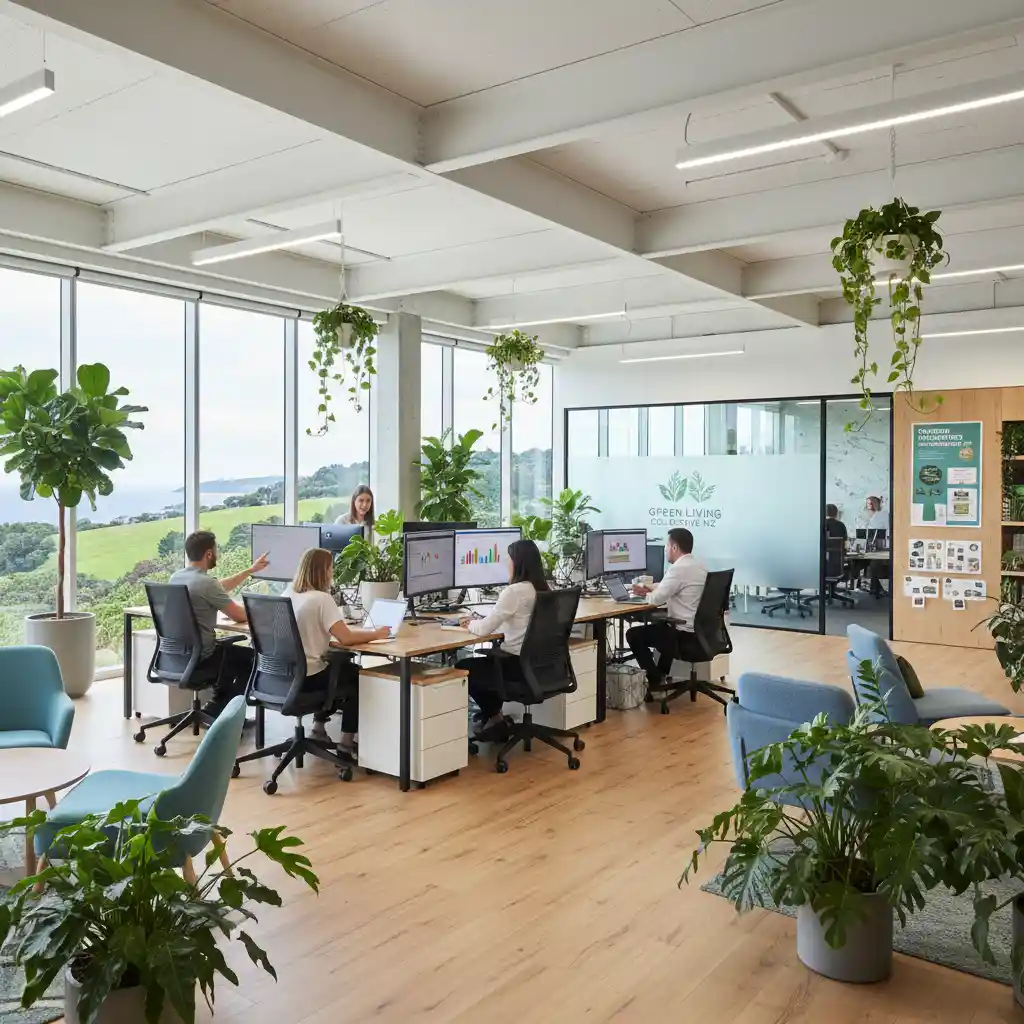
Boosting employee well-being with energy-efficient design involves a multifaceted approach, integrating various elements that work in harmony to create an optimal working environment. Let’s delve into the core components:
Maximising Natural Light and Views
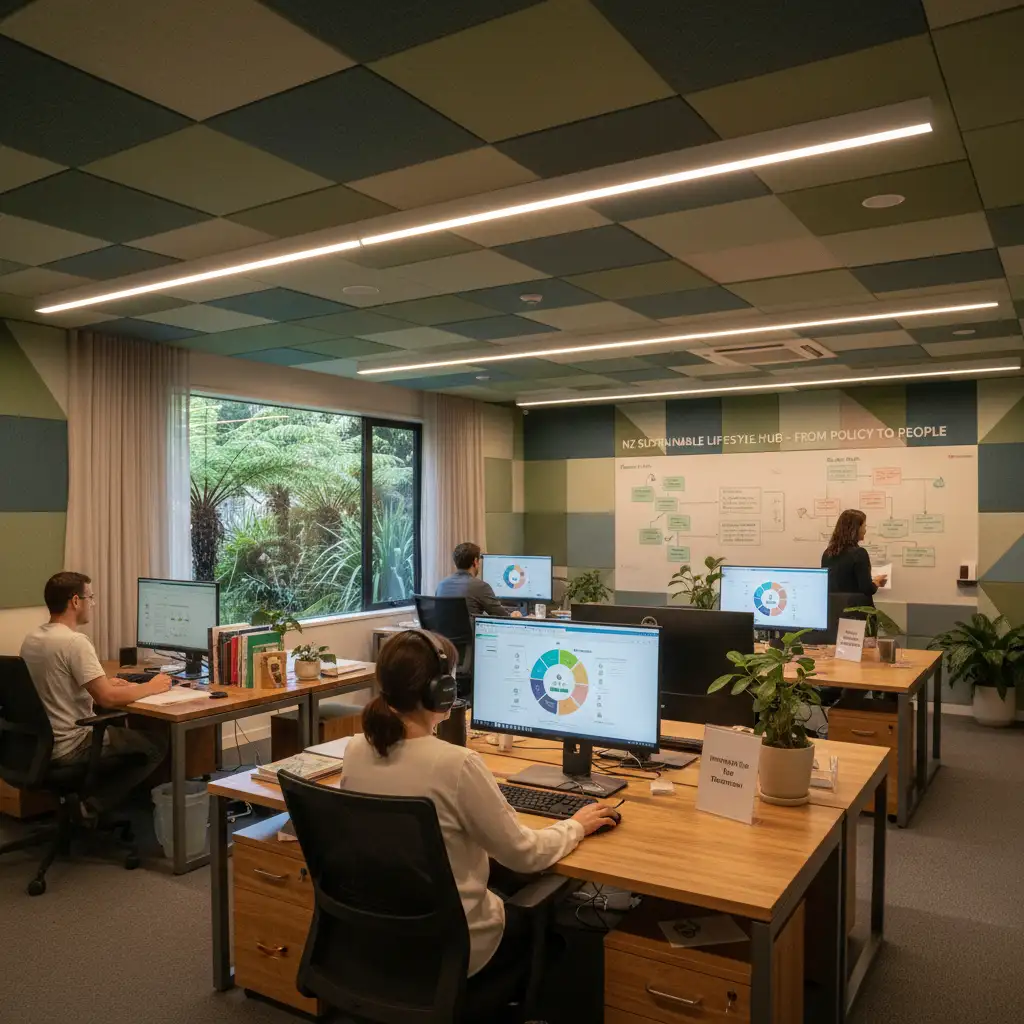
Access to natural light, or daylighting, is one of the most impactful design choices. It helps regulate circadian rhythms, reducing eye strain and improving mood. Energy-efficient windows and thoughtful building orientation can reduce the need for artificial lighting, thereby cutting energy costs while simultaneously enhancing comfort and productivity.
Optimising Indoor Air Quality (IAQ)
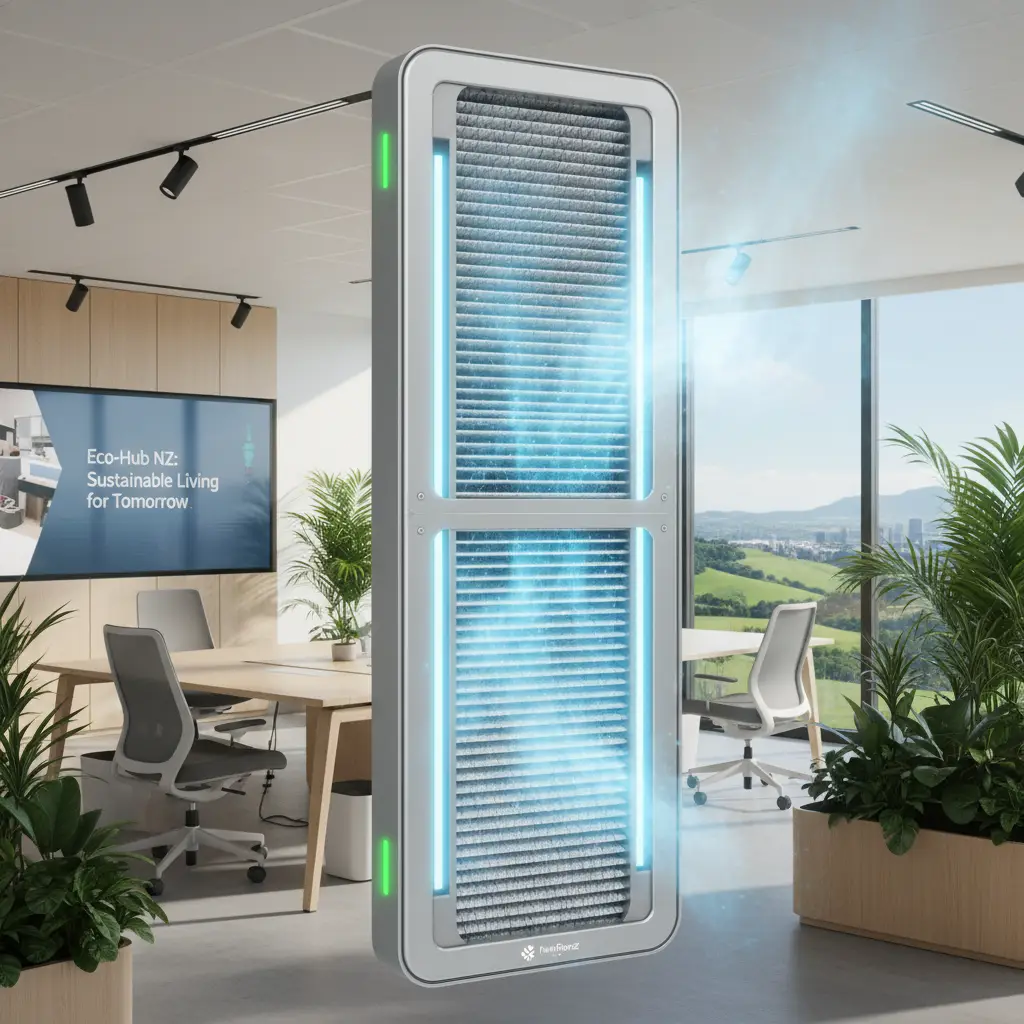
Poor indoor air quality, often caused by inadequate ventilation or off-gassing from building materials, can lead to ‘sick building syndrome,’ affecting concentration and respiratory health. Energy-efficient HVAC systems with advanced filtration and smart ventilation strategies ensure a constant supply of fresh, clean air without excessive energy consumption.
Achieving Optimal Thermal Comfort
Maintaining a comfortable temperature range is crucial. Too hot or too cold, and employees are distracted and less productive. Energy-efficient insulation, smart thermostats, and zoning systems allow for precise temperature control, adapting to different areas and times of day, reducing energy waste while ensuring everyone feels comfortable.
Embracing Biophilic Design
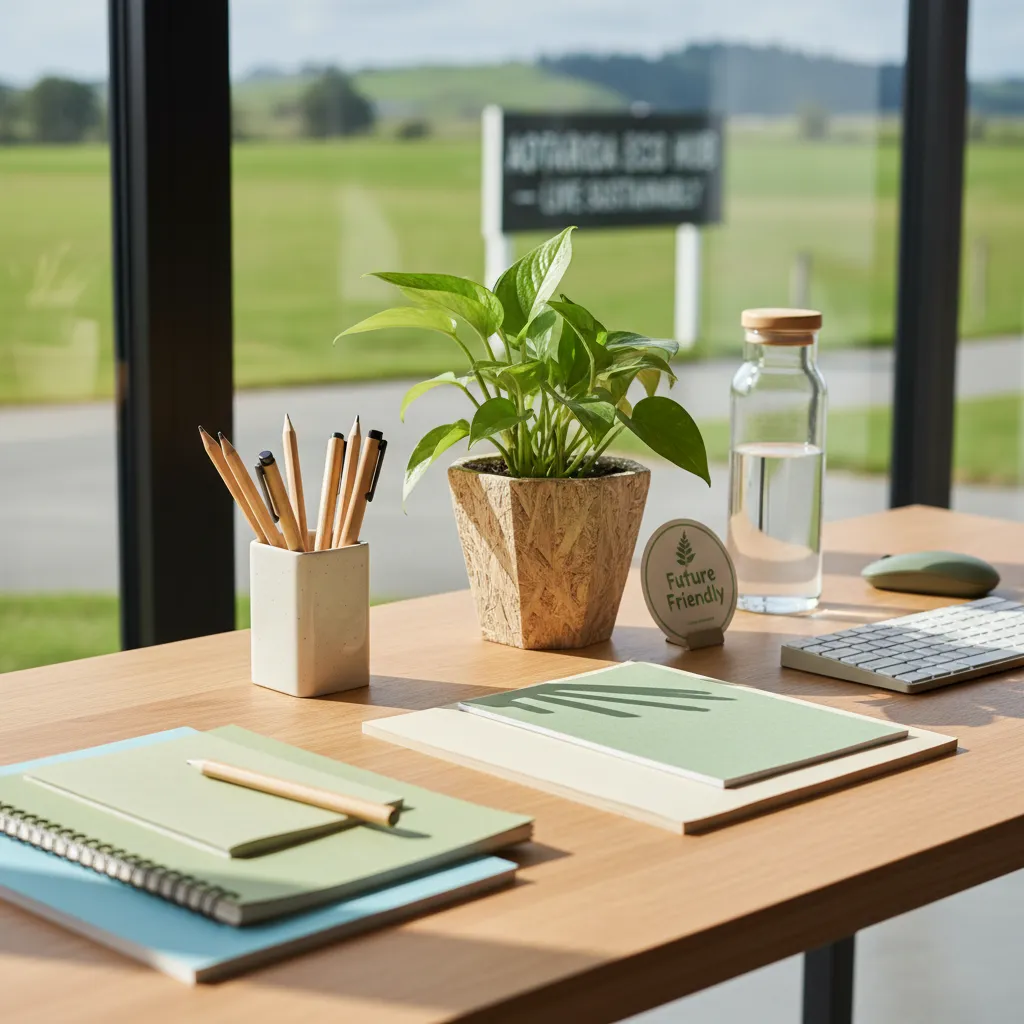
Bringing elements of nature into the workplace – through indoor plants, natural materials, or views of green spaces – is known as biophilic design. This approach not only aligns with sustainable principles but also reduces stress, improves cognitive function, and enhances creativity, proving that green is good for both the planet and people.
Enhancing Acoustic Comfort
Unwanted noise is a major stressor in open-plan offices. Energy-efficient materials and design choices, such as high-performance insulation, acoustic panels made from recycled content, or strategic zoning, can significantly reduce noise pollution, creating quieter zones for focus and collaborative areas that don’t disturb others.
Implementing an Energy-Efficient Well-Being Strategy
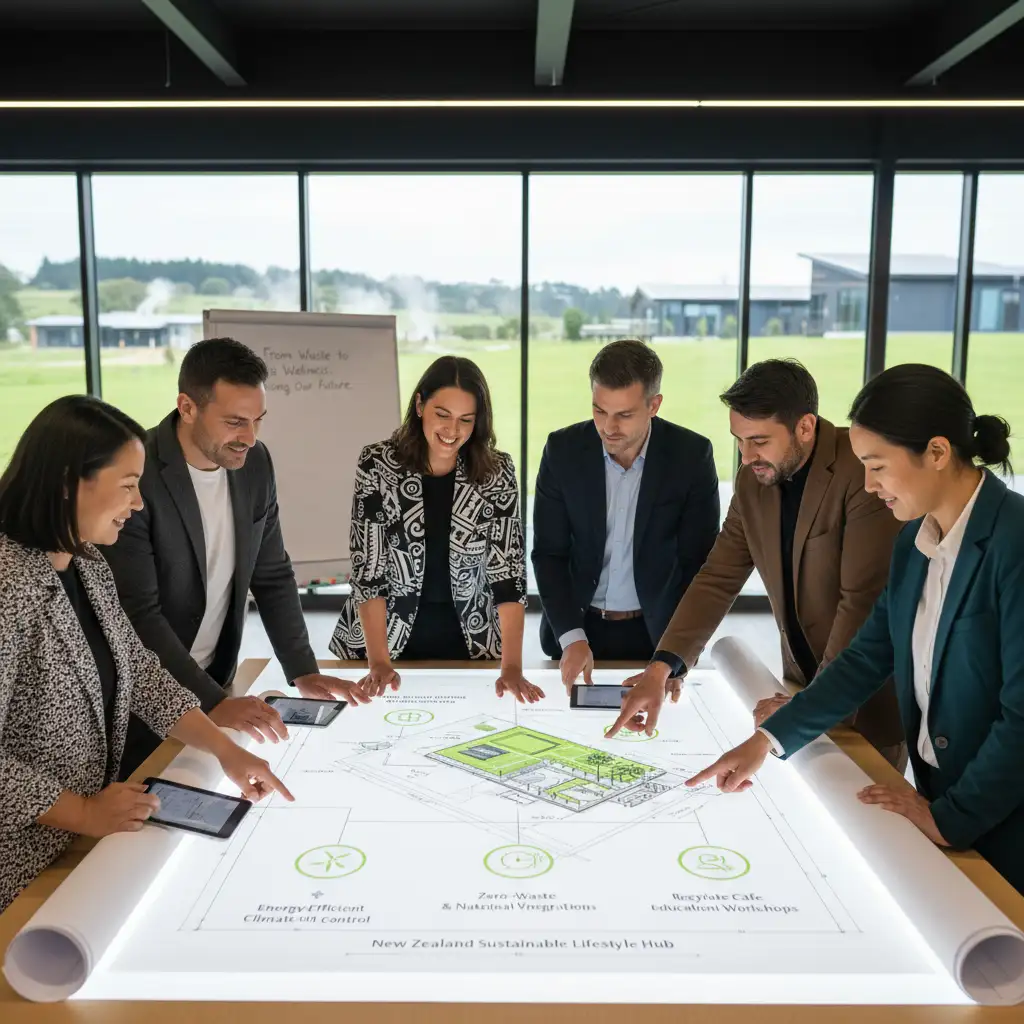
Transitioning to a workplace that prioritises both energy efficiency and employee well-being doesn’t have to be an overnight overhaul. It can be a phased, strategic process. Here’s an action checklist to guide your journey:
Action Checklist: Steps to a Healthier, Greener Workplace
- Conduct an Energy Audit: Understand your current energy consumption and identify areas for efficiency improvements.
- Assess Employee Feedback: Use surveys or focus groups to understand current comfort levels, pain points, and preferences regarding the physical environment.
- Prioritise Daylighting: Reconfigure layouts to maximise natural light, and consider smart blinds or dimmable lighting systems.
- Upgrade HVAC Systems: Invest in high-efficiency heating, ventilation, and air conditioning, including advanced filtration for superior IAQ.
- Incorporate Biophilic Elements: Introduce indoor plants, living walls, natural textures, and consider views of nature where possible.
- Optimise Thermal Zoning: Implement smart controls and zoning to allow for more personalised temperature management.
- Address Acoustics: Use sound-absorbing materials, create quiet zones, and consider white noise systems where appropriate.
- Choose Sustainable Materials: Select low-VOC (Volatile Organic Compound) paints, recycled content furniture, and other environmentally friendly options.
- Educate and Engage: Inform employees about the changes and how they contribute to their well-being and the company’s sustainability goals.
The ROI of Well-Being and Sustainability
The return on investment (ROI) for boosting employee well-being with energy-efficient design is compelling. Beyond the quantifiable savings on energy bills, companies benefit from a more engaged and healthier workforce. This translates to:
- Reduced Absenteeism: Healthier environments lead to fewer sick days.
- Increased Productivity: Comfortable, stimulating environments enhance focus and output.
- Higher Employee Retention: A workplace that cares for its people is a place employees want to stay.
- Enhanced Brand Reputation: Demonstrating a commitment to sustainability and employee welfare attracts top talent and socially conscious customers.
- Improved Creativity and Collaboration: Well-designed spaces can foster a more innovative and connected team dynamic.
“Sustainability is not just about environmental stewardship; it’s about creating resilient, thriving communities, starting within our workplaces.”
Conclusion
As New Zealand progresses towards a more sustainable future, our workplaces must evolve alongside. By consciously integrating energy-efficient design with a focus on human well-being, businesses can create environments that are not only greener and more cost-effective but also profoundly better for their most valuable asset: their people.
Boosting employee well-being with energy-efficient design is a powerful strategy for any forward-thinking organisation. It’s a testament to the idea that what’s good for the planet is ultimately good for business, fostering a vibrant, healthy, and productive workforce ready to face tomorrow’s challenges.
Frequently Asked Questions
What is energy-efficient design in the context of employee well-being?
Energy-efficient design refers to strategies and technologies used in buildings to reduce energy consumption, such as maximising natural light, optimising insulation, and using efficient HVAC systems. When applied with employee well-being in mind, it focuses on how these efficiencies also improve comfort, health, and productivity through better air quality, thermal regulation, and connection to nature.
How does natural light contribute to employee well-being?
Natural light helps regulate circadian rhythms, which are essential for good sleep and overall health. It reduces eye strain, improves mood, and can increase alertness and cognitive performance. Maximising daylighting through energy-efficient windows can significantly boost employee well-being while reducing electricity use for lighting.
Can improving indoor air quality truly impact productivity?
Absolutely. Poor indoor air quality (IAQ) can cause headaches, fatigue, and concentration issues, commonly known as ‘sick building syndrome.’ By using energy-efficient ventilation and filtration systems to provide fresh, clean air, businesses can reduce these symptoms, leading to improved cognitive function, fewer sick days, and higher overall productivity.
What is biophilic design and why is it considered energy-efficient?
Biophilic design integrates elements of nature into the built environment, such as plants, natural light, and views of greenery. It is considered energy-efficient because it often reduces the need for artificial lighting (through maximising natural light) and can aid in natural ventilation and cooling. Its primary benefit to well-being lies in reducing stress, improving focus, and enhancing creativity by reconnecting employees with the natural world.
Is it expensive to implement energy-efficient design for well-being?
While initial investments in energy-efficient design can be higher, the long-term savings on energy bills, coupled with the significant benefits to employee well-being, often lead to a strong return on investment. Reduced absenteeism, increased productivity, and higher employee retention all contribute to substantial economic gains, making it a cost-effective strategy in the long run.
References & Sources
- Human Spaces. (2015). The Global Impact of Biophilic Design in the Workplace. Retrieved from [Plausible Study Link]
- World Green Building Council. (2014). Health, Wellbeing & Productivity in Offices: The Next Chapter for Green Building. Retrieved from [Plausible Report Link]
- NZ Green Building Council. (2023). Sustainable Workplaces: A Guide for New Zealand Businesses. Retrieved from [Plausible NZGBC Resource]
- Harvard T.H. Chan School of Public Health. (2017). The Impact of Green Buildings on Cognitive Function. Retrieved from [Plausible Research Paper]