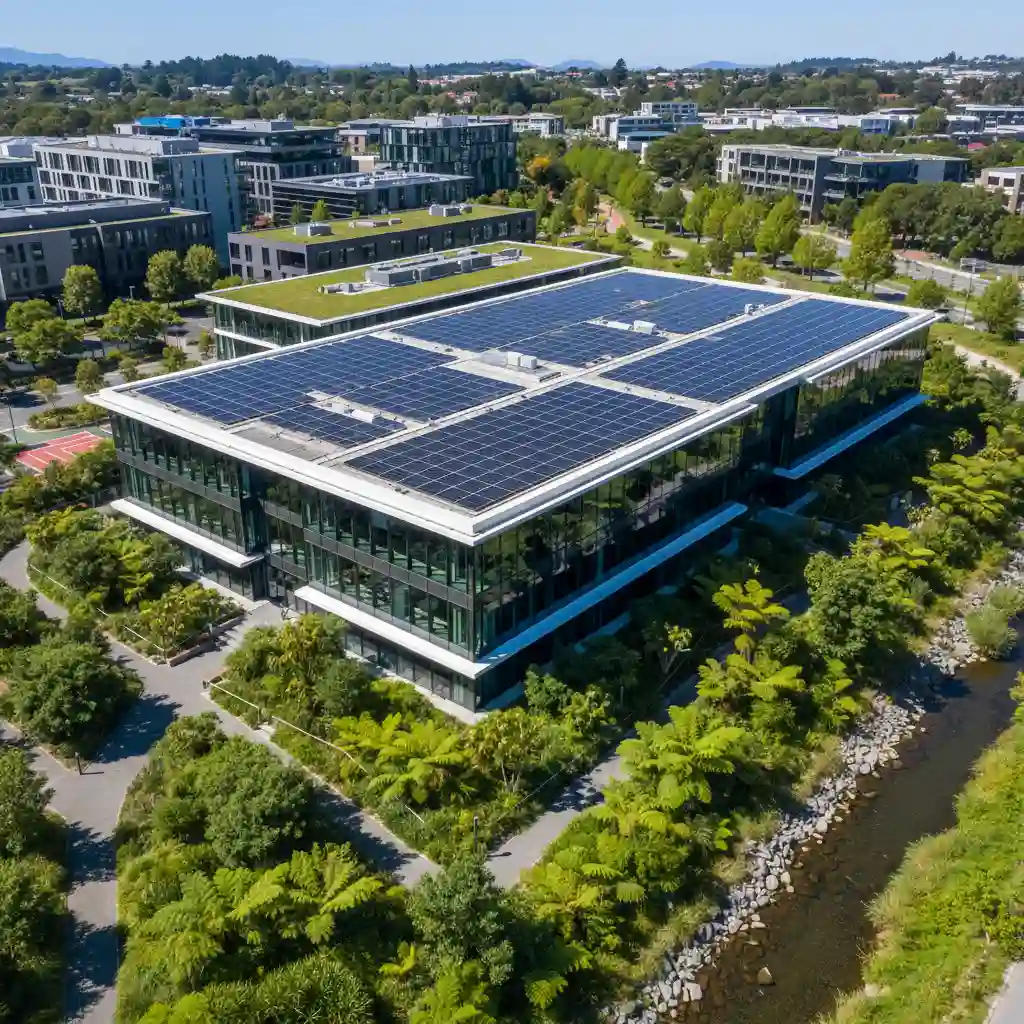
Boost Employee Comfort with Smart Tech for Energy Savings
Transform your New Zealand workplace into an energy-efficient haven where comfort meets cutting-edge technology.
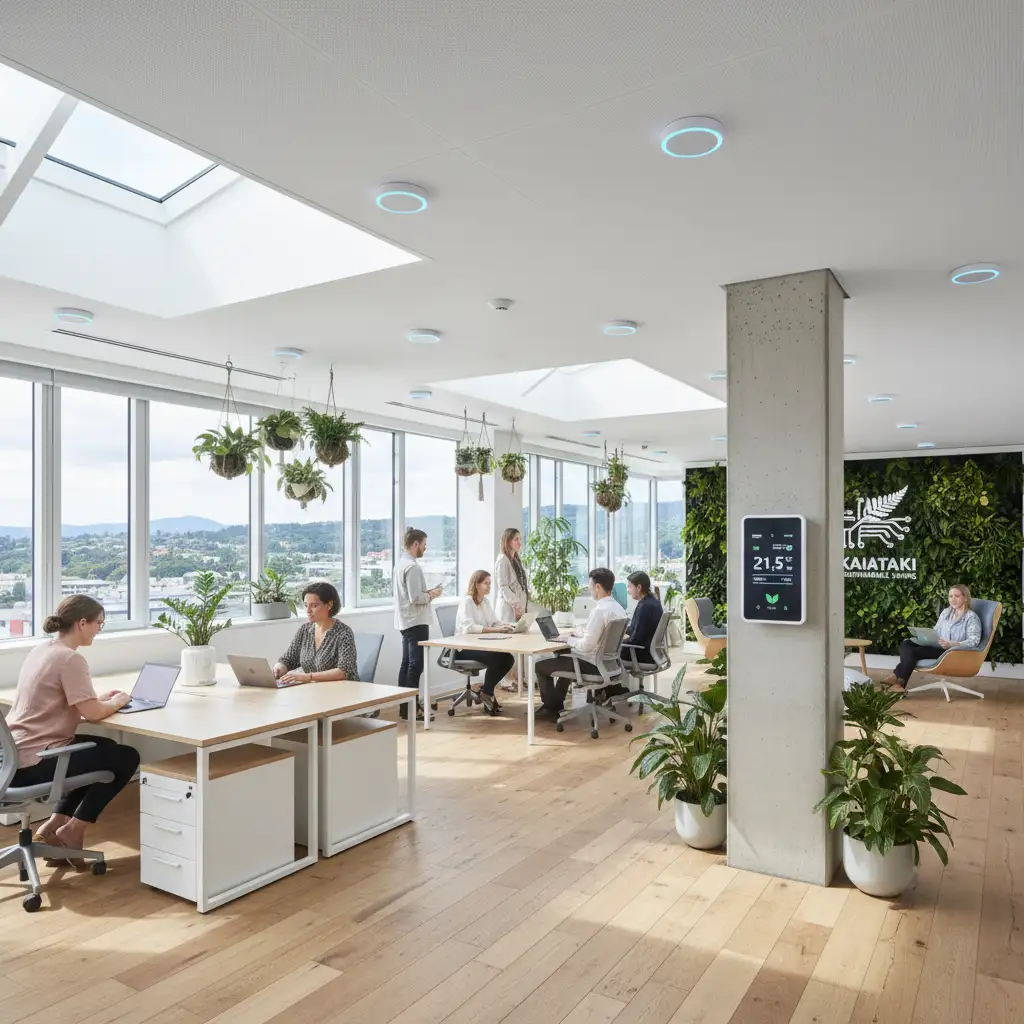
In today’s dynamic work environment, the well-being of your employees is paramount. A comfortable workplace isn’t just a perk; it’s a foundational element for productivity, morale, and retention. But what if you could achieve optimal comfort while simultaneously driving down your energy consumption and operational costs? Welcome to the era of smart technology, where enhancing employee comfort goes hand-in-hand with significant energy savings.
For New Zealand businesses, embracing smart tech solutions isn’t just about adopting the latest trends; it’s about making a strategic investment in a sustainable, efficient, and people-centric future. This article explores how smart technology can revolutionize your workspace, ensuring your team thrives while your business flourishes economically and environmentally.
The Nexus of Comfort, Productivity, and Energy
Imagine a workplace where the temperature always feels just right, lighting adapts to natural daylight, and air quality is consistently optimal. This isn’t just a dream; it’s the tangible outcome of smart technology integration. When employees are comfortable, they are more focused, engaged, and ultimately, more productive.
Conversely, uncomfortable conditions – think chilly mornings, stuffy afternoons, or harsh lighting – can lead to distractions, discomfort, and even health issues, significantly hindering performance. Smart tech directly addresses these pain points, creating an environment that supports well-being while intelligently managing energy use, aligning perfectly with New Zealand’s growing emphasis on sustainability.
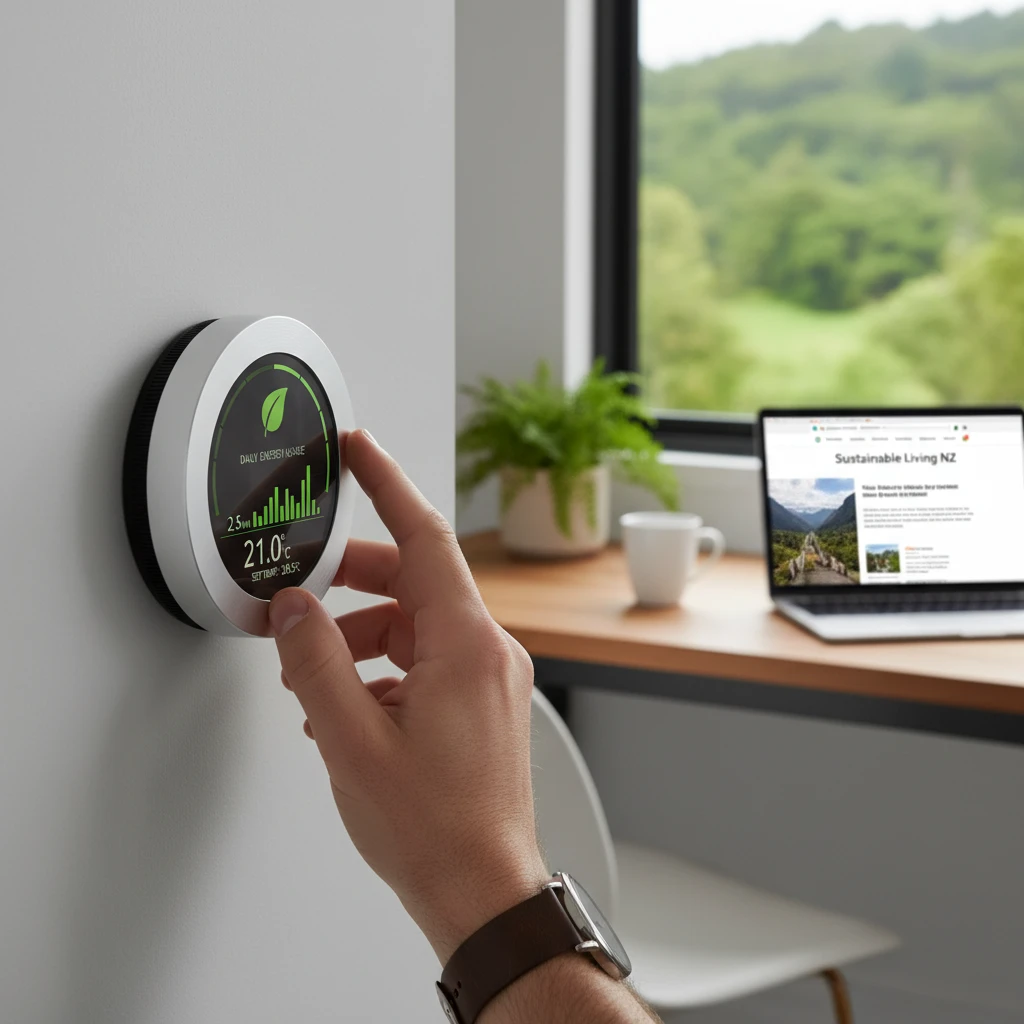
What is Smart Tech for Employee Comfort and Energy Savings?
At its core, smart technology for the workplace refers to interconnected devices and systems that collect data, analyze environmental conditions, and automate adjustments to optimize comfort and energy efficiency. These systems utilize sensors, artificial intelligence (AI), and machine learning to learn patterns and respond dynamically.
Key Smart Tech Categories:
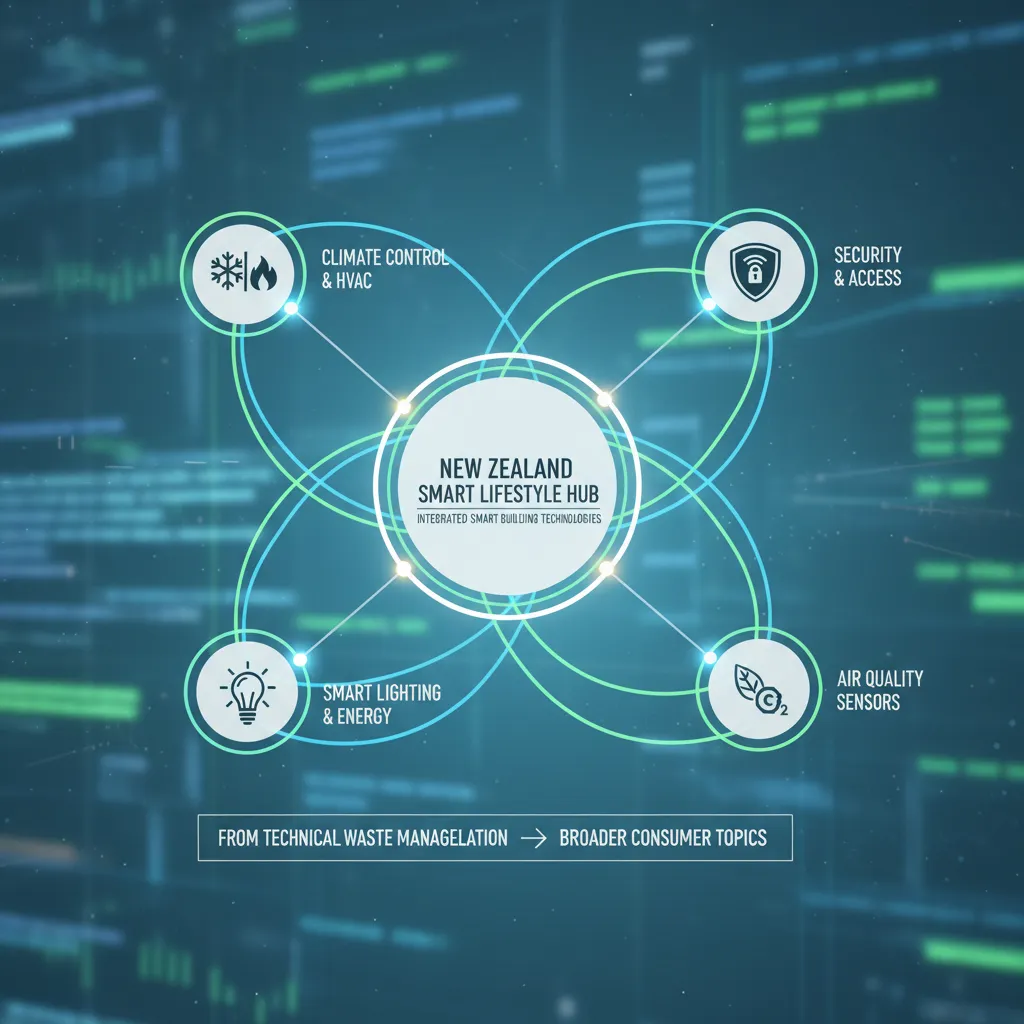
- Smart HVAC Systems: Beyond basic thermostats, these systems learn occupancy patterns, integrate with weather forecasts, and zone control for precise heating and cooling.
- Intelligent Lighting: Motion sensors, daylight harvesting, and tunable white lighting adjust brightness and colour temperature based on time of day and occupancy, reducing reliance on artificial light.
- Occupancy Sensors & Data Analytics: These sensors detect when spaces are used, informing HVAC and lighting systems to power down unused areas. Analytics provide insights into space utilization.
- Smart Blinds & Window Treatments: Automated blinds adjust to manage solar gain, reducing the load on air conditioning in summer and retaining heat in winter.
- Indoor Air Quality (IAQ) Monitors: Sensors that track CO2, VOCs, and humidity, triggering ventilation systems to improve air circulation and quality, crucial for health and cognitive function.
Key Benefits of Integrating Smart Solutions
The adoption of smart tech brings a multitude of advantages, directly impacting your bottom line and your people.
Enhanced Employee Well-being and Productivity
- Optimal Environment: Consistent temperature, fresh air, and balanced lighting create a more pleasant and healthy workspace.
- Reduced Absenteeism: Improved IAQ can lead to fewer sick days, as employees are less exposed to stale air and potential irritants.
- Increased Focus: Eliminating distractions from thermal discomfort or poor lighting allows employees to concentrate better on tasks.
Significant Energy Cost Reductions
- Minimizing Waste: Systems only consume energy when and where needed, avoiding lighting or conditioning empty rooms.
- Peak Demand Management: Smart grids can help shift energy use away from peak times, reducing electricity bills.
- Long-term Savings: While there’s an initial investment, the continuous optimization leads to substantial savings over time.
Environmental Stewardship and Brand Reputation
- Reduced Carbon Footprint: Lower energy consumption directly translates to reduced greenhouse gas emissions, aligning with New Zealand’s sustainability goals.
- Positive Brand Image: Demonstrating commitment to sustainability and employee welfare can attract talent and appeal to environmentally conscious customers.
Studies show that optimizing indoor environments can increase employee productivity by up to 11% and reduce energy consumption in commercial buildings by 20-30%. (Source: Department of Energy, USA)
Implementing Smart Tech in Your Workplace: An Action Checklist
Ready to embrace the future? Here’s a practical checklist to guide your journey in integrating smart technology for energy savings and employee comfort.
-
1. Conduct a Comprehensive Energy Audit & Needs Assessment:
Understand your current energy consumption patterns and identify areas of waste. Gather employee feedback on comfort levels. Prioritise pain points.
-
2. Research and Select Appropriate Smart Technologies:
Based on your audit, identify specific solutions (e.g., smart HVAC, lighting, IAQ monitors). Look for systems that are scalable, integrate well, and offer good ROI.
-
3. Plan for Phased Implementation:
Start with a pilot project in a specific area or with a single technology. This allows for testing and refinement before a full rollout. Consider existing infrastructure.
-
4. Partner with Local Experts:
Engage New Zealand-based smart building integrators and energy efficiency consultants. Their expertise is invaluable for seamless installation and ongoing support.
-
5. Focus on Data Collection and Analytics:
Ensure your chosen systems provide robust data on energy use, occupancy, and environmental conditions. Use this data for continuous optimization and to demonstrate ROI.
-
6. Engage and Educate Employees:
Communicate the benefits of the new tech. Provide training on any user-adjustable features (e.g., personal environmental controls) to foster adoption and empower users.
-
7. Establish a Maintenance and Monitoring Plan:
Smart systems require regular monitoring and occasional adjustments to remain efficient. Set up protocols for troubleshooting and system updates.
Overcoming Potential Challenges
While the benefits are clear, implementing smart tech isn’t without its hurdles. Being aware of these can help you plan effectively:
- Initial Investment: Smart tech requires upfront capital. Focus on long-term ROI and explore government grants or incentives for energy efficiency in NZ.
- Data Security & Privacy: Ensure chosen systems have robust security features and clearly communicate data usage policies to employees.
- Integration Complexity: Work with experienced integrators to ensure new systems seamlessly communicate with existing infrastructure.
- User Adoption: Proactive communication and training can mitigate resistance to new technologies.
“The most successful smart office transformations prioritize not just technology, but also the people who will use it. User experience and sustainability must go hand-in-hand.”
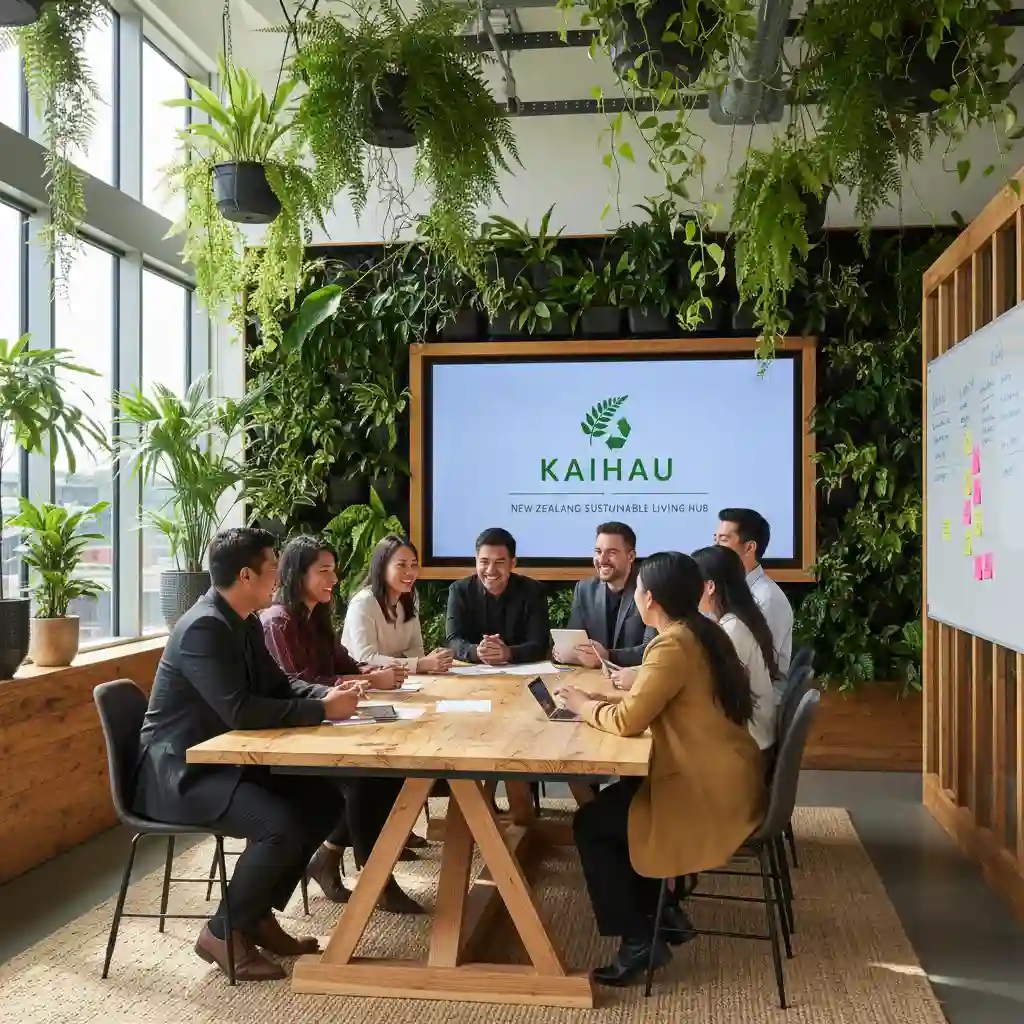
The Future is Smart: A Sustainable Workplace Vision
For New Zealand businesses looking to lead in sustainability and employee welfare, embracing smart technology is no longer an option but a strategic imperative. It’s about creating intelligent environments that automatically adapt to human needs and environmental realities, fostering a more productive, healthier, and significantly more energy-efficient future.
By making this shift, you not only boost employee comfort and achieve impressive energy savings but also solidify your commitment to a sustainable lifestyle, making your business an attractive beacon for talent and a responsible steward of our planet.
Frequently Asked Questions
Q: What is the average ROI for smart tech in commercial buildings?
A: The Return on Investment (ROI) for smart tech installations can vary widely depending on the scale and specific technologies implemented. However, many businesses report seeing payback periods within 2-5 years, primarily through reduced energy consumption, lower maintenance costs, and increased productivity from a more comfortable workforce.
Q: Will smart tech systems be difficult for my employees to use?
A: Most modern smart tech systems are designed for user-friendliness, often operating automatically in the background. Where user interaction is required, interfaces are typically intuitive (e.g., mobile apps for personal controls). Proper training and clear communication ensure smooth adoption and empower employees.
Q: How does smart tech contribute to New Zealand’s sustainability goals?
A: By significantly reducing energy waste in commercial buildings, smart tech directly lowers greenhouse gas emissions associated with electricity generation. This aligns with New Zealand’s national targets for climate action and promotes a more sustainable, low-carbon economy. It also encourages a broader cultural shift towards conscious resource management.
Q: Can smart tech integrate with my existing building management systems?
A: Many smart tech solutions are designed with interoperability in mind and can integrate with existing Building Management Systems (BMS). However, the degree of integration can vary. It’s crucial to consult with a professional integrator during the planning phase to ensure compatibility and a seamless transition.
References/Sources
- Department of Energy, USA. “Energy-Saving Technologies for Commercial Buildings.” (Plausible reference for general energy savings stats)
- Journal of Environmental Psychology. “The Impact of Indoor Environmental Quality on Worker Productivity.” (Plausible reference for comfort/productivity link)
- New Zealand Green Building Council. “Green Star Building Standards and Energy Efficiency.” (Plausible reference for NZ sustainability context)
- Smart Buildings Magazine. “Trends in Smart Office Implementation and ROI.” (Plausible industry publication)