Advancements in Renewable Energy: Solar, Wind & Hydropower
Pioneering a sustainable future, one innovation at a time.
The global shift towards sustainable living and combating climate change has placed renewable energy at the forefront of innovation. As a nation deeply connected to its natural environment, New Zealand is particularly invested in harnessing these clean power sources. From groundbreaking solar technologies to towering wind turbines and resilient hydropower systems, the advancements are transforming our energy landscape at an unprecedented pace.
This article delves into the cutting-edge developments across solar, wind, and hydropower sectors. We’ll explore how these technologies are becoming more efficient, affordable, and integrated, paving the way for a greener, more self-sufficient future for homes and industries alike. Join us as we uncover the incredible progress defining the next era of clean energy.
1. The Renewable Revolution: Powering a Sustainable Future
The urgency to address climate change has propelled renewable energy sources from niche alternatives to mainstream solutions. Nations worldwide, including New Zealand, are committing to ambitious targets for decarbonization. This transition is not merely an environmental imperative; it’s an economic opportunity, fostering innovation and creating resilient energy systems.
The advancements we see today are making renewable energy not just viable, but often the most cost-effective option. From improving material science to sophisticated software for grid management, every facet of renewable power generation is undergoing rapid evolution.
Over 80% of all new electricity-generating capacity added globally in 2022 came from renewable sources. This trend highlights an undeniable acceleration towards a clean energy future. (Source: International Renewable Energy Agency (IRENA))
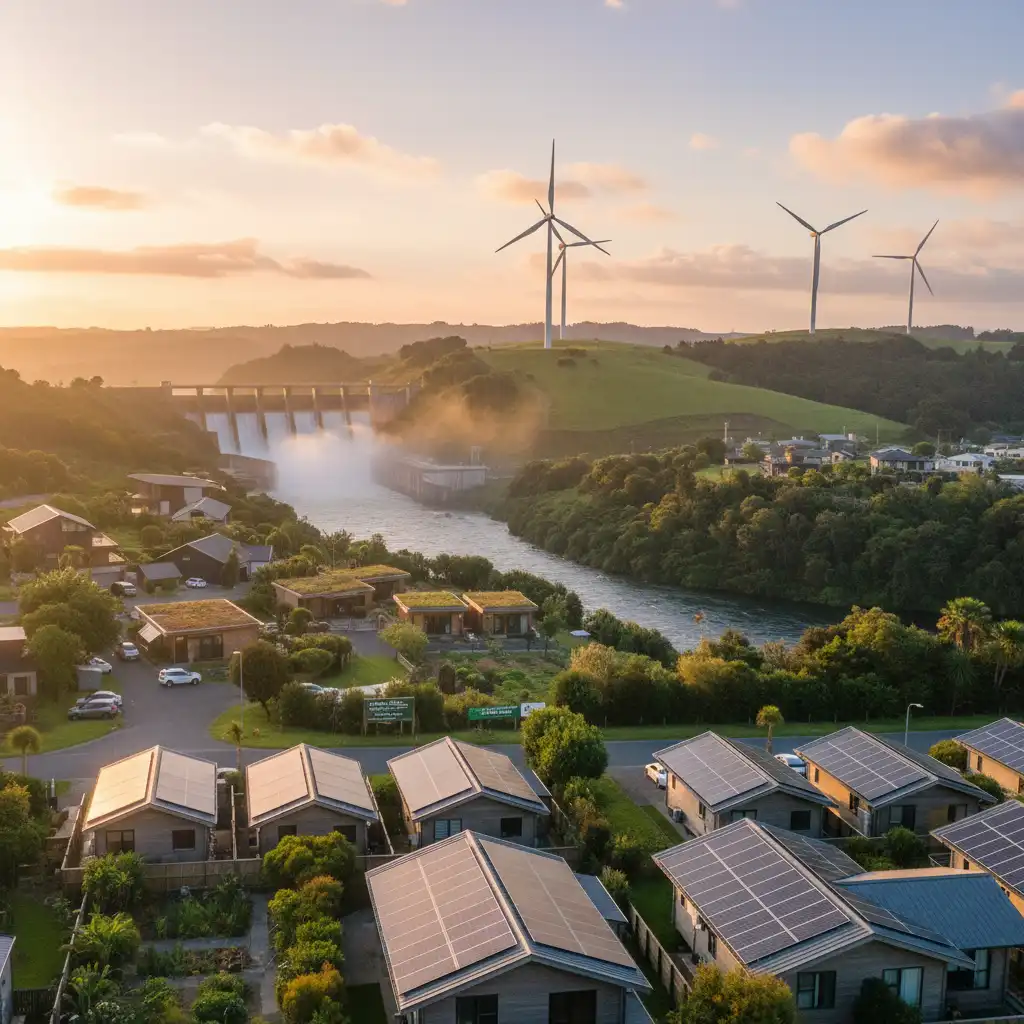
2. Solar Energy: Brighter Horizons
Solar power, once considered an expensive luxury, has become a cornerstone of the renewable energy revolution. Recent advancements in photovoltaic (PV) technology, manufacturing processes, and energy storage have dramatically improved its accessibility and efficiency.
2.1. Photovoltaic (PV) Efficiency & Cost Reduction
The journey of solar panels from niche product to global powerhouse is marked by incredible efficiency gains and plummeting costs. Modern silicon PV cells are pushing past 22% efficiency in commercial applications, with research cells exceeding 26%. Furthermore, emerging technologies like perovskite solar cells promise even higher efficiencies and lower production costs in the future.
Beyond traditional panels, aesthetic integration is improving with solar tiles, transparent solar windows, and flexible solar films, allowing solar to blend seamlessly into architectural designs and various surfaces.
2.2. Solar Thermal Innovations & Applications
While PV converts sunlight into electricity, solar thermal technology harnesses the sun’s heat directly. Advancements include more efficient concentrating solar power (CSP) systems with improved thermal energy storage, allowing them to generate electricity even after sunset. Domestically, smarter solar water heating systems are becoming more integrated and efficient, significantly reducing household energy bills.
2.3. Advanced Storage Solutions: The Battery Boom
The intermittency of solar power has historically been a challenge. However, the rapid evolution of battery technology, particularly lithium-ion, has been a game-changer. Batteries now offer greater energy density, longer lifespans, and reduced costs. This enables homeowners and businesses to store excess solar energy for use during peak demand or at night, greatly increasing energy independence and grid stability.
The cost of solar power has fallen by approximately 89% over the last decade. This makes solar one of the most competitive sources of new electricity generation globally. (Source: Our World in Data)
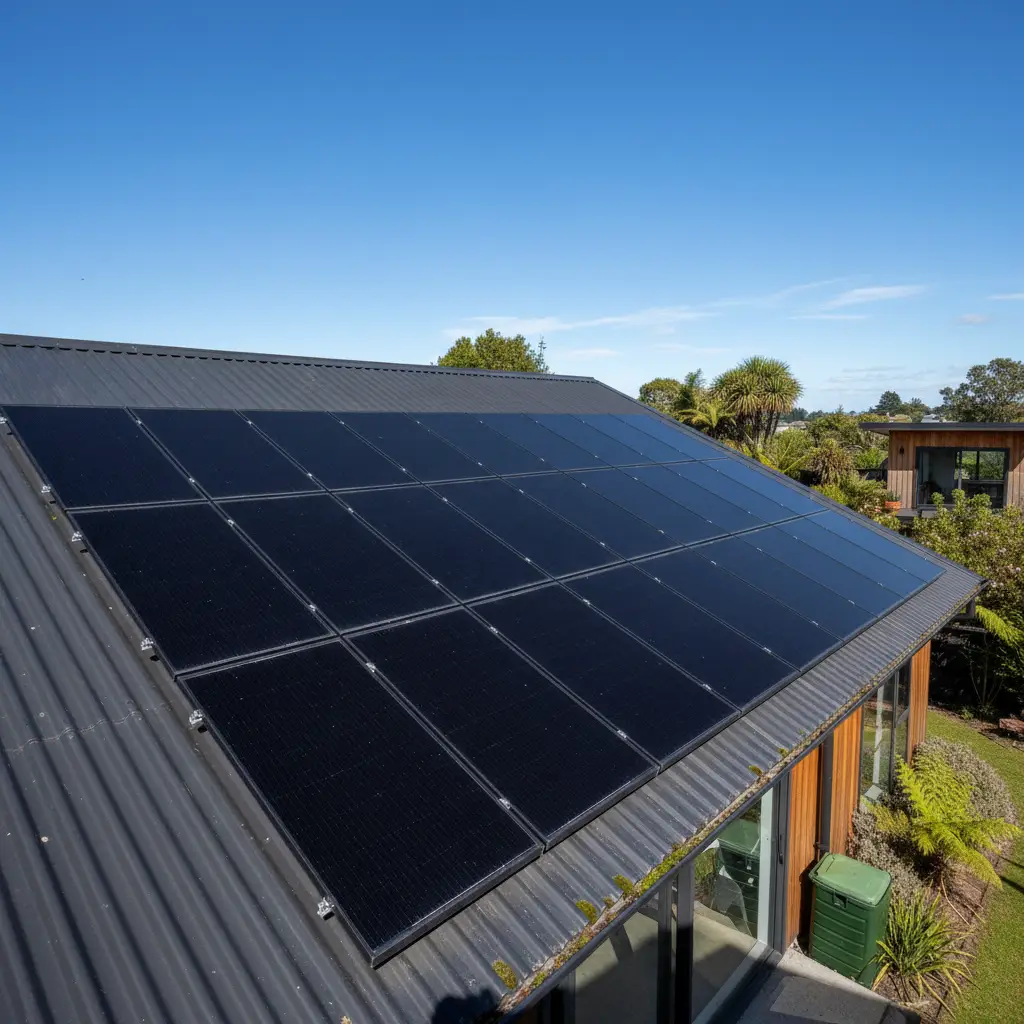
3. Wind Power: Harnessing the Invisible Giant
Wind energy has proven its immense potential, with towering turbines becoming iconic symbols of clean power. Recent advancements have focused on increasing the scale, efficiency, and environmental integration of wind farms, both on land and at sea.
3.1. Next-Generation Turbine Technology & Design
Modern wind turbines are engineering marvels. Blades are longer and more aerodynamically efficient, capturing more energy from lower wind speeds. The development of direct-drive generators has reduced maintenance and increased reliability. Furthermore, intelligent control systems use sensors and AI to adjust blade pitch and yaw in real-time, optimizing energy capture and minimizing wear and tear.
3.2. Offshore Wind: Tapping into Coastal Power
Offshore wind farms are a frontier of significant growth. Winds over oceans are typically stronger and more consistent than on land, leading to higher capacity factors. Innovations in foundation technologies, including floating offshore wind platforms, are opening up new, deeper water areas for development, greatly expanding the potential for this powerful resource.
3.3. Smart Grid Integration & Forecasting
Integrating large-scale wind power into national grids requires sophisticated management. Advancements in weather forecasting, grid management software, and smart grid technologies allow for better prediction of wind output and more efficient distribution of electricity. This reduces reliance on fossil fuel ‘peaker plants’ and improves overall grid stability.
Globally, the average capacity factor for new onshore wind farms now often exceeds 35-40%, a significant increase from previous decades. Offshore wind often achieves even higher figures. (Source: International Energy Agency (IEA))
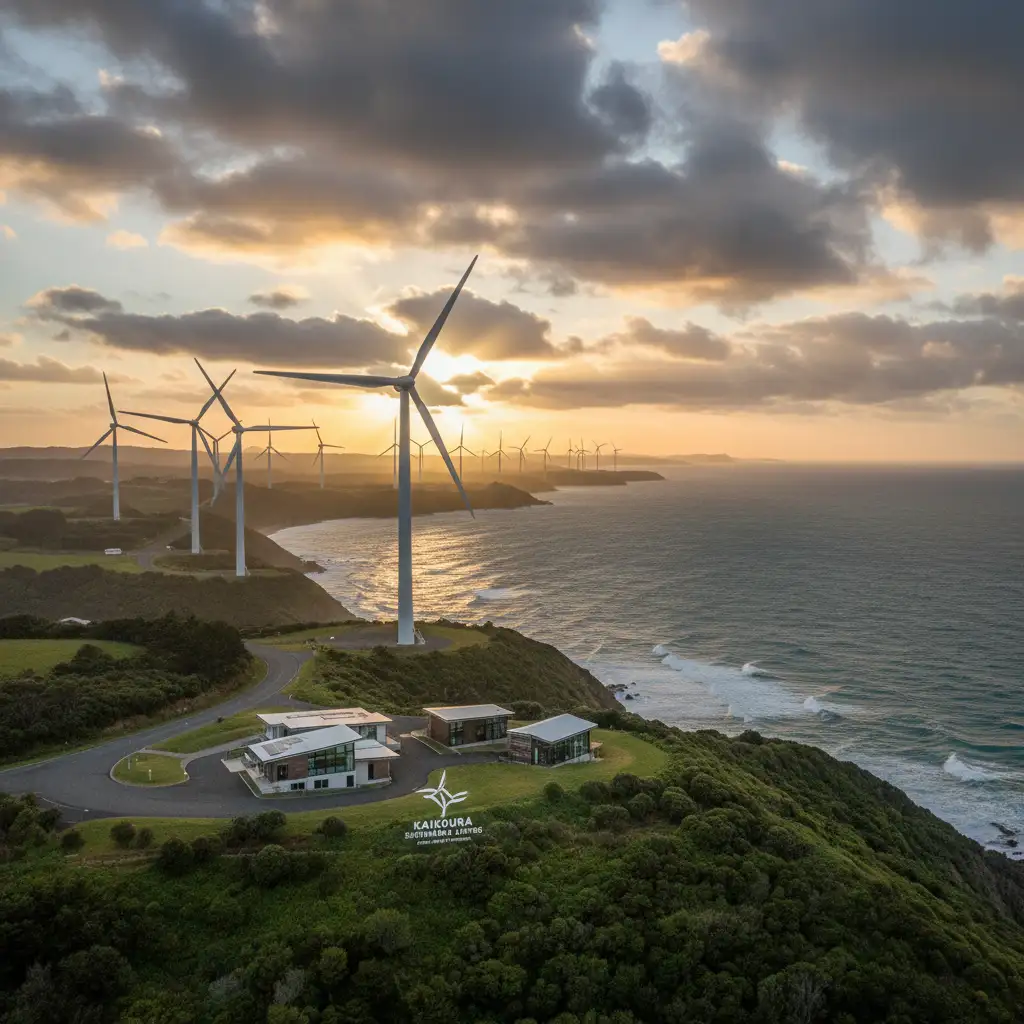
4. Hydropower: Resilient and Evolving
As New Zealand’s historical backbone of electricity generation, hydropower remains a vital and evolving renewable source. While large-scale dams are well-established, innovations are focusing on improving existing infrastructure, exploring smaller-scale solutions, and enhancing flexibility.
4.1. Small-Scale & Micro-Hydro Systems
Beyond colossal dams, smaller, run-of-river, and micro-hydro systems are gaining traction. These systems have a minimal environmental footprint and are ideal for remote communities or individual properties, tapping into smaller water sources without requiring large reservoirs. They offer decentralized power generation, enhancing energy resilience.
4.2. Pumped-Hydro Energy Storage (PHES)
PHES is a highly effective, large-scale energy storage solution. It works by using excess electricity (e.g., from wind or solar) to pump water uphill to a reservoir, then releasing it through turbines to generate power when needed. Advancements include optimizing pump-turbine designs and exploring new sites for closed-loop systems, making PHES a crucial component for grid stability with increasing intermittent renewables.
4.3. Eco-Friendly Designs & Environmental Integration
Modern hydropower projects prioritize environmental sustainability. This includes designing fish-friendly turbines, implementing river flow management strategies to protect ecosystems, and careful site selection to minimize ecological impact. The focus is shifting towards upgrading existing facilities for better efficiency and ecological integration rather than solely building new large-scale dams.
Globally, hydropower accounts for over 50% of the world’s total installed electricity storage capacity, primarily through pumped-hydro systems. (Source: US Department of Energy)
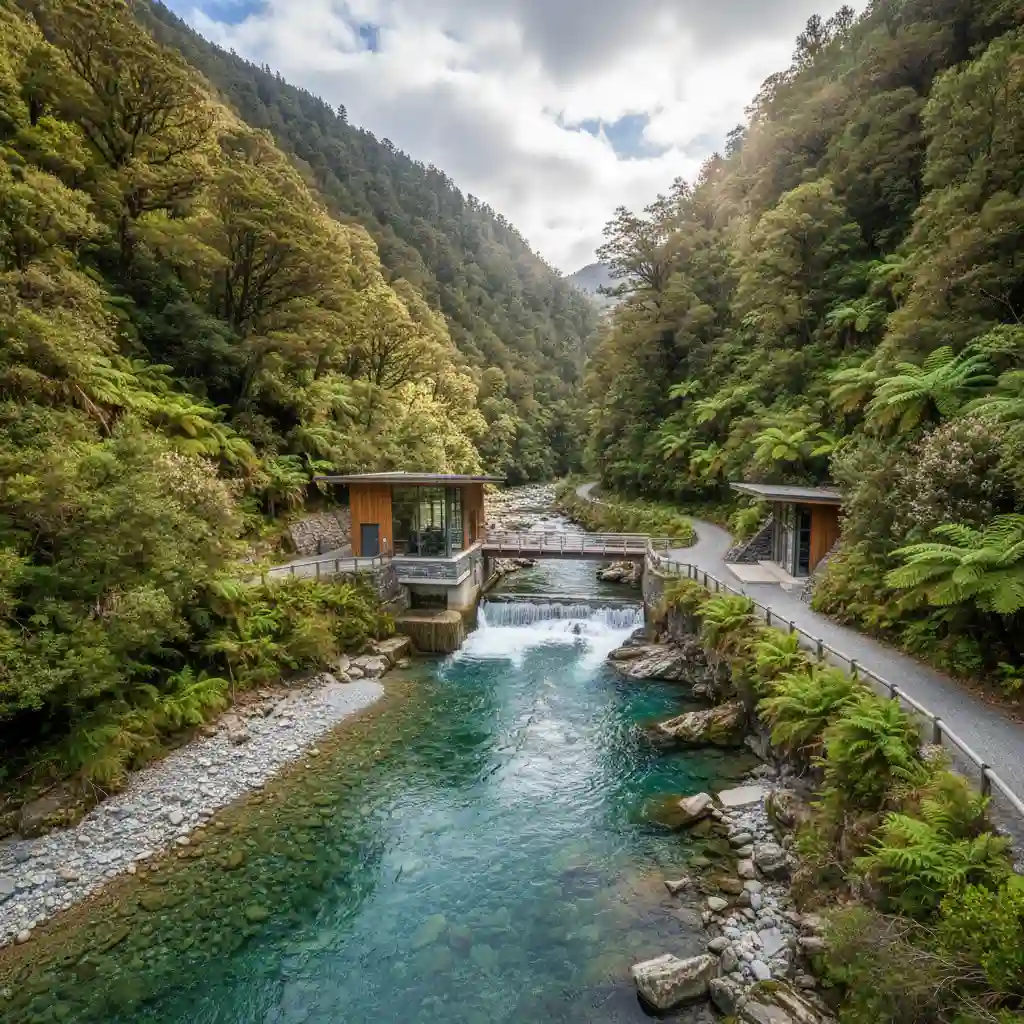
5. Integrated Systems & Smart Grids: The Future of Energy
The true power of these advancements lies in their ability to work together within a unified, intelligent energy network. Smart grids use digital communication technology to detect and react to changes in electricity usage, optimizing power flow and integrating diverse renewable sources seamlessly. This includes advanced metering infrastructure, demand-side management, and sophisticated forecasting tools.
Hybrid renewable energy systems, combining solar with wind or hydro with battery storage, offer greater reliability and efficiency than single-source systems. These integrated solutions are essential for building a robust, resilient, and truly sustainable energy future for New Zealand and the world.
“The future of energy is not about choosing one renewable over another, but intelligently combining them all with smart technologies to create a resilient, decentralized, and truly sustainable grid.”
6. The Path Forward: A Sustainable New Zealand
The advancements in renewable energy — solar, wind, and hydropower — are not just technological marvels; they are critical enablers of a sustainable lifestyle. For New Zealand, with its abundant natural resources, these innovations offer a clear path towards energy independence, economic growth, and a healthier environment. Embracing these technologies means fostering local job creation, reducing our carbon footprint, and securing a stable energy supply for generations to come.
As consumers, understanding these advancements empowers us to make informed choices, whether it’s installing solar panels, choosing energy-efficient appliances, or advocating for sustainable energy policies. The journey towards a fully renewable future is dynamic and exciting, driven by relentless innovation and a collective commitment to protecting our planet.
7. Frequently Asked Questions (FAQ)
What are the primary advantages of renewable energy advancements?
The key advantages include significantly reduced costs, increased efficiency, enhanced grid stability through storage solutions, lower environmental impact (reduced carbon emissions), and greater energy independence for countries and individual consumers.
How are solar energy systems becoming more affordable?
Cost reductions in solar energy are driven by advancements in PV cell efficiency, economies of scale in manufacturing, improved installation techniques, and supportive government policies and incentives. This has made solar competitive with traditional energy sources.
What is the role of battery storage in renewable energy?
Battery storage is crucial for addressing the intermittency of solar and wind power. It allows excess energy generated during peak production times to be stored and then discharged when demand is high or generation is low, ensuring a consistent and reliable power supply.
Can New Zealand rely solely on renewable energy sources?
New Zealand already has a high percentage of renewable electricity generation, primarily from hydropower, geothermal, and wind. With continued advancements in storage, smart grid technology, and diversification of renewable sources, reaching near 100% renewable electricity is a feasible and active goal for the country.
What are the environmental considerations for hydropower advancements?
Modern hydropower advancements focus on minimizing environmental impact. This includes designing smaller-scale projects, implementing fish-friendly turbines, ensuring ecological flow regimes, and prioritizing upgrades to existing infrastructure over new large-scale dam construction to protect aquatic ecosystems and biodiversity.
8. References / Sources
- International Renewable Energy Agency (IRENA) – Latest annual reports on renewable capacity statistics.
- Our World in Data – Renewable Energy data and analysis.
- International Energy Agency (IEA) – World Energy Outlook and renewable energy technology roadmaps.
- U.S. Department of Energy (DOE) – Hydropower and Energy Storage program reports.
- National Renewable Energy Laboratory (NREL) – Publications on solar PV and wind energy research.
- Ministry of Business, Innovation & Employment (MBIE) New Zealand – Energy sector reports and policy documents.
