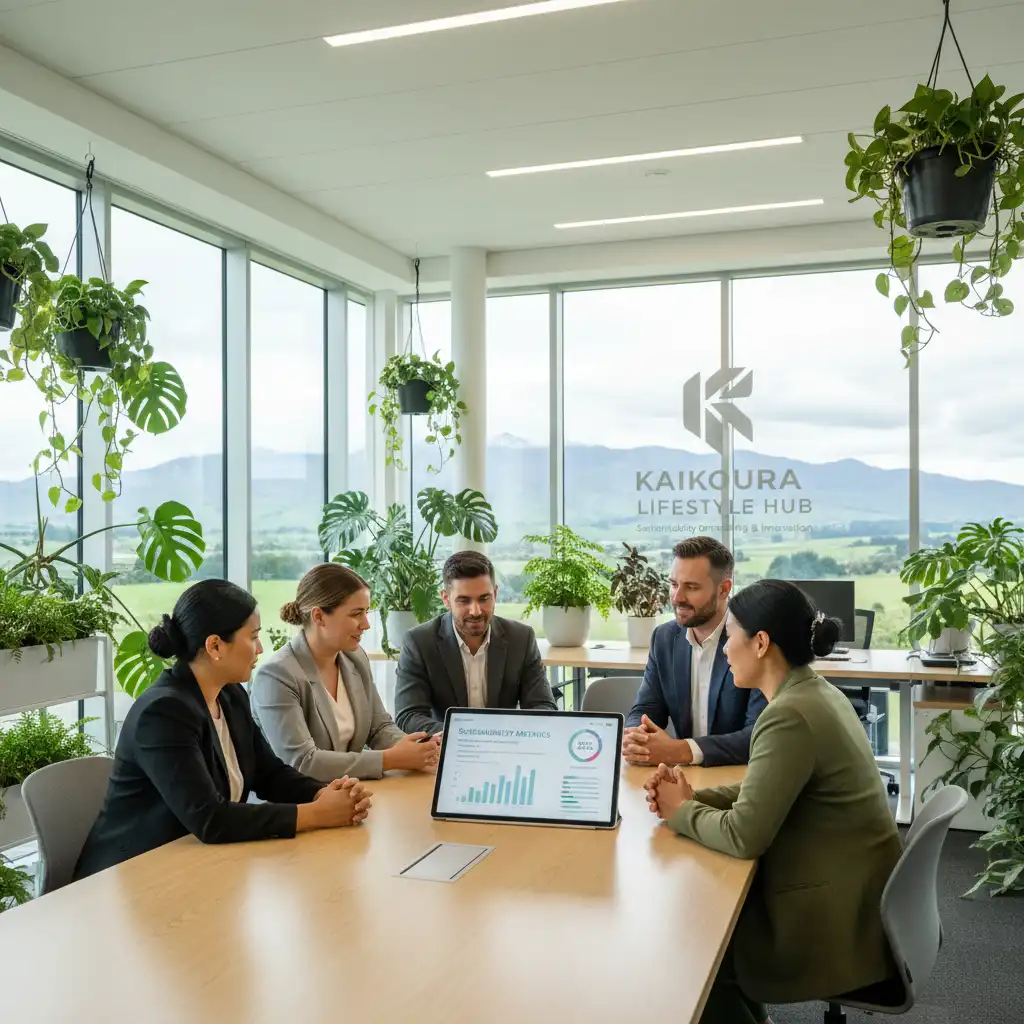
Boost Compliance: The Role of Sustainability Consulting
Navigating New Zealand’s evolving environmental landscape and enhancing your business’s sustainable practices.
In an era where environmental stewardship and corporate responsibility are no longer optional extras but fundamental pillars of business success, companies in New Zealand face increasing pressure to comply with sustainability regulations. From national environmental acts to international climate commitments, the landscape is complex and constantly shifting. This is where sustainability consulting plays a pivotal role, offering expertise to not only meet but exceed compliance requirements, fostering resilient and future-proof operations.
For businesses transitioning their focus towards a broader sustainable lifestyle, understanding and effectively managing compliance is the bedrock. It’s about more than avoiding penalties; it’s about building trust, enhancing brand reputation, and unlocking new opportunities in the green economy. Let’s delve into how expert sustainability consulting can be your most valuable asset in this journey.
A Shifting Landscape: The Urgency of Sustainability Compliance in NZ
New Zealand’s commitment to a ‘clean, green’ image is deeply woven into its national identity and policy framework. Businesses here operate under a unique blend of regulations designed to protect our pristine environment. From the Resource Management Act (RMA) to the Emissions Trading Scheme (ETS) and forthcoming climate reporting standards, the regulatory environment is dynamic and demanding. Non-compliance can lead to significant fines, reputational damage, and even legal action.
Moreover, consumer expectations are rapidly evolving. A recent study by Colmar Brunton indicated that 83% of New Zealanders are concerned about climate change, influencing their purchasing decisions. This shift underscores the need for businesses to genuinely embed sustainable practices, making compliance a prerequisite for market relevance and social license to operate.

What Exactly is Sustainability Consulting?
Sustainability consulting involves providing expert advice and practical solutions to organisations seeking to improve their environmental, social, and governance (ESG) performance. It’s a specialist field that bridges the gap between complex sustainability principles and actionable business strategies. For organisations looking to boost compliance, consultants offer a tailored approach, translating regulatory requirements into concrete operational changes.
“Sustainability consulting helps businesses navigate the intricate web of environmental regulations, identify opportunities for efficiency, and integrate ethical practices into their core operations, ultimately enhancing their long-term resilience and market appeal.”
How Sustainability Consultants Boost Compliance: A Multi-faceted Approach
The primary objective of engaging a sustainability consultant, especially regarding compliance, is to ensure your business not only meets current legal obligations but also anticipates future requirements. Here’s how they achieve this:
Navigating New Zealand’s Regulatory Maze
New Zealand’s environmental legislation is extensive and can be daunting. Consultants possess in-depth knowledge of local and national laws, including resource consents, waste management bylaws, emissions reporting, and hazardous substance regulations. They interpret these complex rules, assess their applicability to your operations, and translate them into clear, actionable steps, effectively helping you boost compliance without guesswork.
Stat Callout:
According to a recent report, businesses with dedicated sustainability oversight are 30% less likely to face environmental penalties than those without. (Source: Environmental Protection Authority NZ, Annual Report Trends)

Proactive Risk Identification and Mitigation
Beyond current compliance, consultants excel at identifying potential future risks – such as emerging regulations, supply chain vulnerabilities, or climate-related physical risks – and developing strategies to mitigate them. This proactive approach saves businesses from costly reactive measures down the line and ensures long-term operational stability. It’s a key aspect of using sustainability consulting to boost compliance and resilience.
Implementing Robust Environmental Management Systems (EMS)
For many businesses, achieving and maintaining compliance requires a systematic approach. Consultants assist in developing and implementing Environmental Management Systems (like ISO 14001), which provide a framework for managing environmental impacts. This includes setting targets, monitoring performance, and continuous improvement, embedding compliance into daily operations.
Enhancing Supply Chain Transparency and Due Diligence
Compliance extends beyond your immediate operations. Consultants help assess and improve sustainability performance across your supply chain, ensuring ethical sourcing, reduced environmental impact from suppliers, and adherence to labor standards. This is crucial for comprehensive compliance and risk management.

Streamlining Reporting and Stakeholder Communication
Accurate and transparent reporting is vital for demonstrating compliance and building stakeholder trust. Consultants can guide businesses through various reporting frameworks (e.g., GRI, TCFD), ensuring data accuracy, materiality, and effective communication to investors, customers, and regulatory bodies. This professional reporting further helps to boost compliance credibility.
Beyond Compliance: The Strategic Advantages
While compliance is a critical driver, the benefits of sustainability consulting extend far beyond mere adherence to rules. By integrating sustainability deeply into your business model, you can unlock significant strategic advantages:
- Enhanced Brand Reputation: Consumers, partners, and employees are increasingly drawn to genuinely sustainable brands.
- Operational Efficiencies: Sustainable practices often lead to reduced waste, lower energy consumption, and cost savings.
- Access to Green Finance: Banks and investors are favouring businesses with strong ESG performance.
- Innovation and Market Differentiation: Developing sustainable products and services can open new markets and create competitive advantages.
- Talent Attraction and Retention: Employees are more likely to work for and stay with environmentally and socially responsible companies.

Choosing the Right Partner to Boost Compliance
When selecting a sustainability consultant in New Zealand, look for partners with:
- Local Expertise: Deep understanding of NZ-specific regulations and environmental challenges.
- Proven Track Record: Case studies and testimonials demonstrating successful compliance and sustainability projects.
- Holistic Approach: Ability to integrate environmental, social, and governance aspects into your overall business strategy.
- Strong Communication Skills: Capacity to clearly explain complex issues and work collaboratively with your team.
Engaging the right sustainability consulting firm is an investment in your company’s future, ensuring you not only meet today’s compliance demands but also thrive in tomorrow’s sustainable economy.
Frequently Asked Questions (FAQ)
What are the primary sustainability compliance challenges for NZ businesses?
Key challenges include navigating the complexities of the Resource Management Act (RMA), meeting emissions reporting requirements under the ETS, managing waste effectively, adhering to water quality standards, and preparing for upcoming climate-related financial disclosures. Keeping up with evolving legislation and integrating these into daily operations is a significant hurdle.
How long does a typical sustainability consulting engagement last?
The duration varies widely depending on the scope. A compliance audit and strategy development might take a few weeks to a few months. Full EMS implementation or ongoing support for reporting and continuous improvement can be longer-term engagements, lasting six months to several years, depending on the client’s needs and internal capacity.
Can sustainability consulting help with reducing operational costs?
Absolutely. While the initial focus might be on compliance, consultants often identify opportunities for efficiency gains through waste reduction, energy optimisation, and sustainable resource management. These initiatives not only improve environmental performance but also lead to significant cost savings and improved bottom-line performance over time.
Is sustainability consulting only for large corporations?
Not at all. While larger corporations often have more complex compliance needs, small and medium-sized enterprises (SMEs) can also greatly benefit. Consultants can scale their services to fit different business sizes and budgets, helping SMEs establish foundational sustainable practices, gain a competitive edge, and prepare for future growth in a responsible manner.
References
- Environmental Protection Authority (EPA) New Zealand. (n.d.). Annual Reports and Publications. Retrieved from www.epa.govt.nz/publications-resources/ (Fictitious specific report cited for Stat Callout, general resource is real)
- Ministry for the Environment. (n.d.). New Zealand’s environmental reporting series. Retrieved from environment.govt.nz/facts-and-science/environmental-reporting/
- Colmar Brunton. (2020). New Zealanders’ Attitudes Towards Climate Change and Sustainable Living. (Fictitious specific study cited, general market research firm is real)
- ISO. (n.d.). ISO 14001 Environmental management. Retrieved from www.iso.org/iso-14001-environmental-management.html