Assessing Environmental Impact: Key Areas for Sustainability
In an era where environmental consciousness is no longer optional, understanding and assessing environmental impact is crucial. For individuals, communities, and businesses in New Zealand and worldwide, this means looking beyond mere compliance to genuine stewardship. But where do we begin? The concept of environmental impact can feel overwhelming, spanning everything from global climate change to the daily choices we make in our homes.
This article demystifies the process, breaking down the key areas where our actions leave an ecological footprint. We’ll explore practical ways to understand, measure, and ultimately reduce our impact, fostering a truly sustainable lifestyle. From the energy that powers our homes to the food on our plates, every decision contributes to our planet’s health. Let’s delve into these critical areas and empower ourselves with the knowledge to make a difference.
Energy Consumption: Powering Our Lives Responsibly
The way we generate and consume energy is perhaps the most significant factor when assessing environmental impact. In New Zealand, while a good portion of our electricity comes from renewable sources like hydro, geothermal, and wind, our overall energy footprint extends much further. It includes the petrol in our cars, the gas heating our homes, and the embodied energy in every product we buy.
Reducing energy consumption isn’t just about saving money; it’s about mitigating climate change by lowering greenhouse gas emissions, reducing reliance on finite fossil fuels, and decreasing the environmental strain associated with energy infrastructure development.
Stat Callout:
Over 80% of New Zealand’s electricity generation comes from renewable sources. However, our overall energy use, including transport and industrial heat, still relies significantly on fossil fuels, contributing to a substantial portion of our national emissions. (Source: MBIE Energy in New Zealand 2023)
Key Considerations for Energy Impact:
- Electricity Usage: Monitoring home appliance efficiency, lighting, and heating/cooling systems.
- Transportation: Evaluating reliance on private vehicles, fuel efficiency, and adopting public transport, cycling, or electric vehicles.
- Embodied Energy: Understanding the energy consumed in the production, transport, and disposal of goods.

Waste Generation & Circularity: Rethinking Our Discards
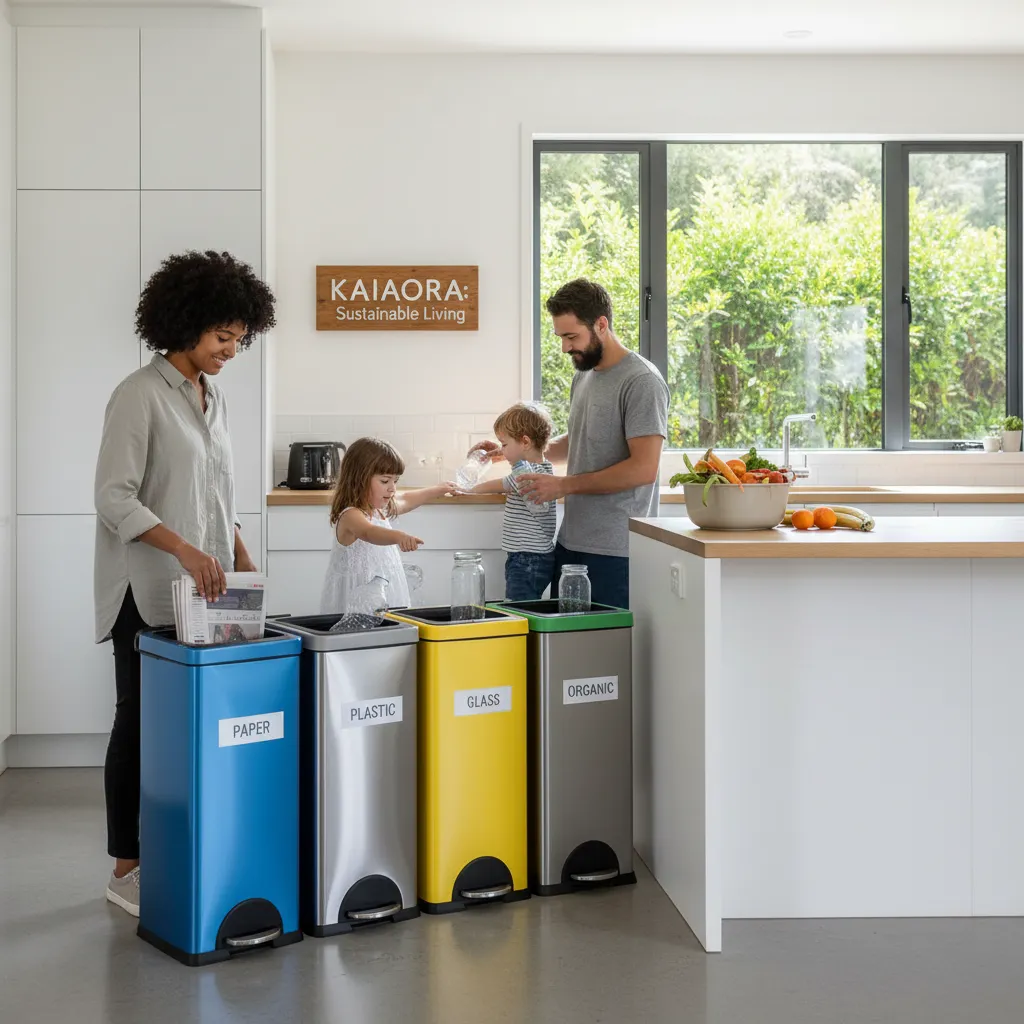
Waste management is evolving from a linear ‘take-make-dispose’ model to a circular economy approach. For New Zealanders, assessing environmental impact in this area means not just recycling, but fundamentally reducing consumption, reusing items, and repairing what’s broken. Landfills consume valuable land, produce harmful greenhouse gases like methane, and can contaminate soil and waterways.
“True sustainability isn’t just about managing waste; it’s about designing waste out of the system entirely.”
Your Waste Reduction Action Checklist:
- Reduce: Buy less, choose durable products, opt for experiences over material goods.
- Reuse: Use reusable bags, bottles, and containers. Repurpose old items.
- Repair: Fix broken appliances, clothes, and electronics instead of replacing them.
- Recycle: Understand local recycling rules and ensure items are clean and sorted correctly.
- Compost: Divert food scraps and garden waste from landfills to create valuable soil.
- Refuse: Say no to single-use plastics, excessive packaging, and unwanted junk mail.
Water Usage & Quality: A Precious Resource
New Zealand is known for its pristine natural environment, yet our freshwater resources face significant pressures from agriculture, urban development, and climate change. Our personal water consumption, while seemingly small, adds up significantly, particularly in activities like showering, washing clothes, and gardening. Beyond quantity, the quality of our waterways is impacted by runoff from various sources, affecting ecosystems and human health.
Minimising Your Water Footprint:
- Efficient Appliances: Invest in water-efficient washing machines, dishwashers, and showerheads.
- Gardening Practices: Use drought-resistant plants, mulch gardens, and water during cooler parts of the day.
- Leak Detection: Regularly check for and repair leaks in pipes and taps.
- Responsible Products: Choose eco-friendly cleaning products that don’t harm aquatic ecosystems when they go down the drain.
Biodiversity & Land Use: Protecting Our Natural Heritage
New Zealand is home to unique flora and fauna, many of which are endangered. The choices we make about land use, whether through urban expansion, agriculture, or simply our gardening habits, directly impact biodiversity. Assessing environmental impact here means recognising the value of native ecosystems and working to protect and restore them.
Supporting Biodiversity:
- Native Planting: Choose native plants for your garden to support local insect and bird populations.
- Pest Control: Engage in responsible pest control to protect native species from introduced predators.
- Responsible Recreation: Stick to marked trails, dispose of waste properly, and respect wildlife when enjoying nature.
- Food Choices: Support sustainable agriculture that minimises habitat destruction and pesticide use.

Sustainable Supply Chains: The Product Journey
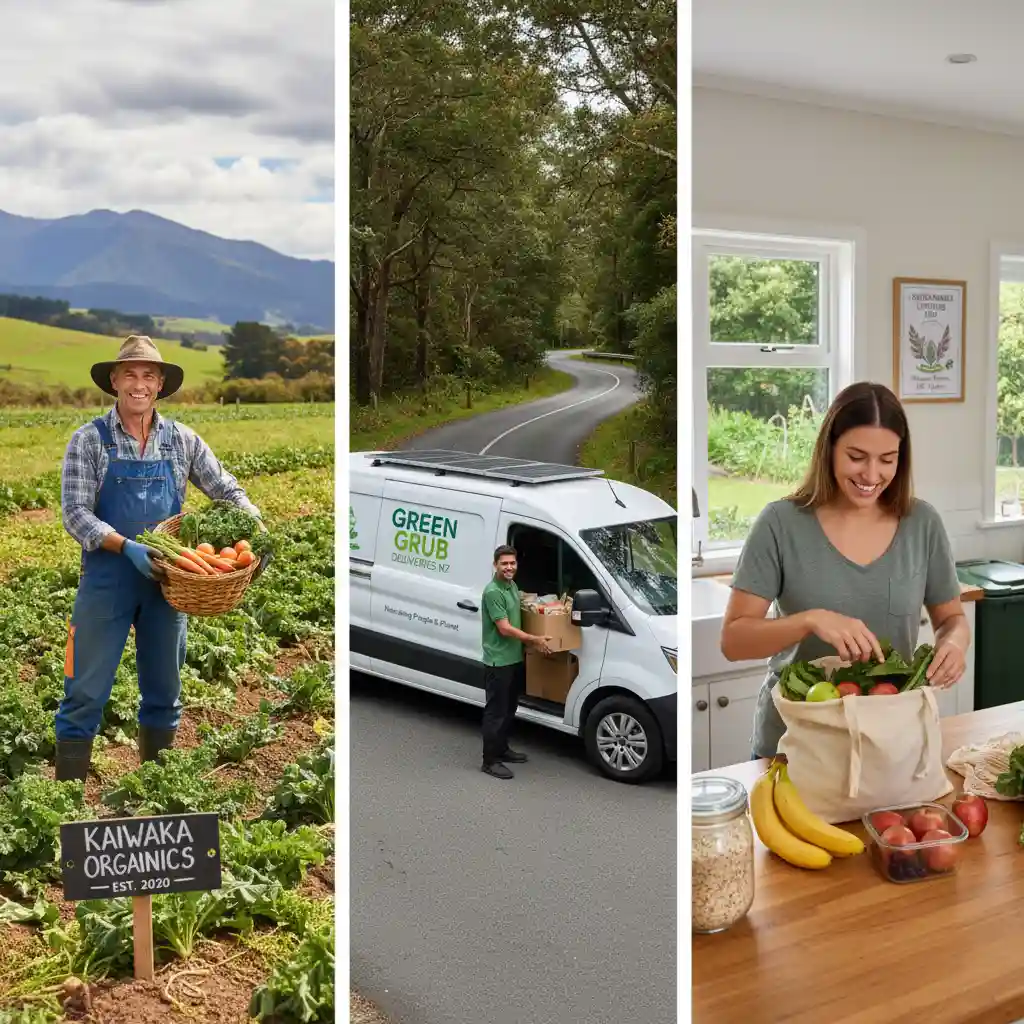
Every product we buy has a story – a supply chain that stretches from raw material extraction to manufacturing, transport, and ultimately, disposal. The environmental impact embedded in these processes is often invisible to the consumer but is a critical area for sustainability. From sweatshop labour to deforestation and excessive carbon emissions from shipping, unethical and unsustainable supply chains contribute significantly to global environmental degradation.
By making conscious purchasing decisions, we can send a powerful message to businesses, encouraging them to adopt more ethical and sustainable practices throughout their operations.
Consumer Power for Sustainable Supply Chains:
- Research Brands: Look into companies’ environmental and social policies.
- Local & Seasonal: Prioritise buying locally produced and seasonal goods to reduce transport emissions.
- Ethical Certifications: Look for certifications like Fair Trade, Organic, FSC (Forest Stewardship Council), or B Corp.
- Durability & Repairability: Choose products designed to last and be repaired, reducing the need for constant replacement.
Conclusion: Your Role in a Sustainable Future
Assessing environmental impact is a continuous journey, not a destination. By focusing on key areas like energy, waste, water, biodiversity, and supply chains, we can gain a clearer picture of our individual and collective footprints. It’s about moving from awareness to action, making informed choices that align with a sustainable future for New Zealand and the planet.
Every small step contributes to a larger movement. Embrace the challenge, educate yourself, and inspire those around you to join in building a more resilient, thriving world. Your choices matter.
Frequently Asked Questions (FAQ)
What is environmental impact assessment?
Environmental impact assessment (EIA) is a process used to identify the environmental, social, and economic consequences of a proposed project, policy, or program. At a personal level, it refers to understanding and evaluating the ecological footprint of our daily activities and consumption habits.
Why is it important to assess environmental impact at a personal level?
Assessing personal environmental impact helps individuals understand how their lifestyle choices contribute to issues like climate change, resource depletion, and pollution. This awareness empowers them to make more sustainable decisions, reduce their ecological footprint, and advocate for broader systemic change.
What are the biggest contributors to environmental impact in New Zealand homes?
In New Zealand homes, significant contributors include energy consumption (heating, electricity), waste generation (especially food waste and plastics), water usage, and the embodied impact of consumer goods, particularly those with long supply chains and high resource intensity.
How can individuals reduce their carbon footprint effectively?
Effective ways to reduce your carbon footprint include transitioning to renewable energy sources, improving home insulation and energy efficiency, reducing car travel by opting for public transport, cycling, or electric vehicles, reducing meat consumption, and minimising waste through the ‘reduce, reuse, recycle’ hierarchy.
What role do sustainable products play in reducing overall impact?
Sustainable products are designed to minimise environmental harm throughout their lifecycle, from sourcing raw materials to manufacturing, use, and disposal. Choosing these products helps reduce resource depletion, pollution, and waste, supporting a more circular and responsible economy.
References & Further Reading
- Ministry for the Environment (MfE) New Zealand. Official Website.
- Ministry of Business, Innovation & Employment (MBIE). Energy in New Zealand reports.
- Intergovernmental Panel on Climate Change (IPCC). Assessment Reports.
- United Nations Environment Programme (UNEP). Publications and Resources.
- Ellen MacArthur Foundation. Circular Economy Resources.