5 Key Lessons from Sustainable Consulting Failures
The path to a truly sustainable future is rarely straightforward. Even with the best intentions, initiatives designed to foster environmental responsibility and social equity can falter. By examining what went wrong in sustainable consulting projects, we can uncover invaluable insights applicable not just to businesses, but to our personal choices in building a more sustainable New Zealand.
This article, a bridge from the technical world of waste management to broader consumer sustainable living, distills five critical lessons born from the challenges and failures encountered in the field. Understanding these pitfalls is the first step towards smarter, more impactful sustainability efforts, whether you’re a business leader or an eco-conscious consumer.
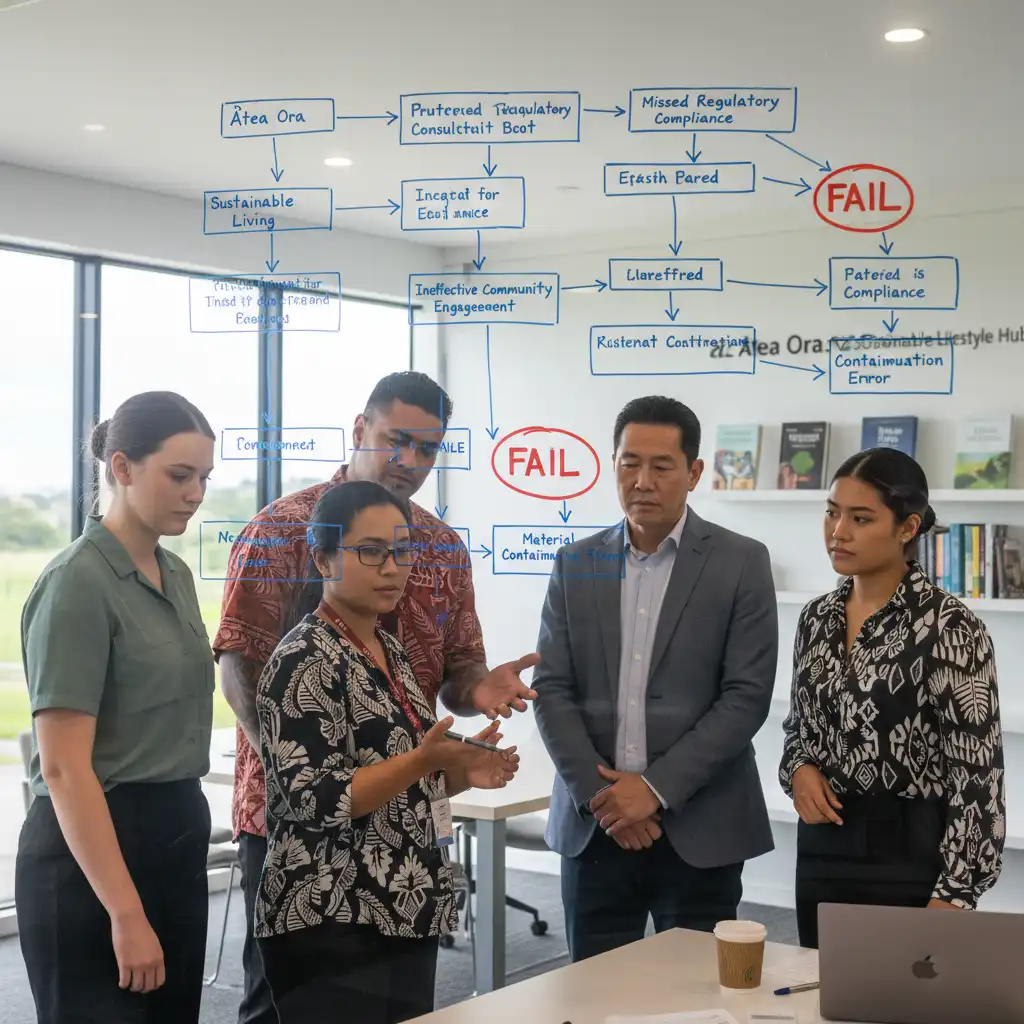
Table of Contents
- Lesson 1: Lack of Genuine Commitment & Greenwashing
- Lesson 2: Ignoring Stakeholder Engagement
- Lesson 3: Underestimating Implementation Challenges
- Lesson 4: Failure to Measure and Communicate Impact
- Lesson 5: The One-Size-Fits-All Trap
- Conclusion: Turning Lessons into Action
- Frequently Asked Questions (FAQ)
- References & Sources
Lesson 1: Lack of Genuine Commitment & Greenwashing
One of the most frequent reasons sustainable initiatives fall short is a fundamental lack of genuine commitment from leadership. Often, sustainability is treated as a PR exercise rather than a core strategic imperative. This results in superficial changes, what we commonly call ‘greenwashing’.
“True sustainability isn’t just about reducing harm; it’s about reimagining how we create value with positive impact.”
When a company or individual approaches sustainability merely to meet regulatory checkboxes or improve public perception without deeply integrating it into their values and operations, the effort is doomed. Consumers in New Zealand are increasingly savvy, discerning authentic efforts from mere marketing ploys.
Stat Callout: A recent global study indicated that approximately 60% of consumers globally struggle to identify genuinely sustainable brands, largely due to prevalent greenwashing tactics.
For individuals, this translates to buying ‘eco-friendly’ products without understanding their full lifecycle, or making small changes without addressing larger consumption patterns. Genuine commitment means a holistic approach.
Lesson 2: Ignoring Stakeholder Engagement
Sustainable change is rarely a solo act. Consulting failures often highlight how critical it is to engage all relevant stakeholders – employees, suppliers, customers, community groups, and even regulators – from the outset. Without their input and buy-in, even the most brilliant strategy can face resistance and ultimately fail.
In New Zealand, community involvement and Māori perspectives (through Kaitiakitanga – guardianship) are paramount in many sustainability projects. Overlooking these vital voices can lead to culturally insensitive or impractical solutions that lack local relevance and support.
Consider a waste reduction programme: if the employees who handle waste daily aren’t consulted on the logistics, the new system might be inefficient or simply ignored. On a consumer level, ignoring community initiatives or local waste guidelines can hinder collective progress towards a circular economy.
Lesson 3: Underestimating Implementation Challenges
Developing a robust sustainability strategy is one thing; putting it into practice is quite another. Many consulting projects fail because they underestimate the practical complexities, resource requirements, and behavioural changes needed for successful implementation.
Stat Callout: Research suggests that over 70% of change initiatives, including sustainability programs, fail to achieve their stated objectives primarily due to poor execution and inadequate change management.
This includes everything from training staff on new eco-friendly procedures to adapting supply chains for sustainable sourcing, or even simply ensuring accessible recycling bins are widely available and correctly used. It requires careful planning, robust project management, and a willingness to adapt.
For individuals striving for a sustainable lifestyle, this means acknowledging that habits are hard to break. Switching to reusable containers, composting food scraps, or reducing energy consumption requires conscious effort and adjustments to daily routines, not just good intentions.

Lesson 4: Failure to Measure and Communicate Impact
If you can’t measure it, you can’t manage it. Many sustainable consulting efforts fail to establish clear metrics and consistently track their progress. Without data, it’s impossible to know if the strategy is effective, justify further investment, or celebrate successes.
Equally important is the communication of these impacts. When positive environmental or social outcomes are not effectively shared, it erodes trust and diminishes motivation among stakeholders. Transparency about progress and challenges builds credibility and encourages continued support.
Stat Callout: Companies that transparently report on their sustainability performance often see a 20-30% increase in consumer trust and loyalty compared to those with opaque practices.
For consumers, this lesson highlights the importance of looking beyond certifications to understand a product’s true environmental footprint, and for sharing your own sustainable living journey to inspire others in your community.

Lesson 5: The One-Size-Fits-All Trap
Sustainability is inherently contextual. What works for a large multinational might not work for a small New Zealand business, and what’s effective in Auckland might be irrelevant in rural Otago. Consulting failures often stem from applying generic solutions without tailoring them to the specific environmental, social, and economic realities of the client or context.
New Zealand’s unique biodiversity, geography, and cultural landscape demand bespoke approaches. Solutions must consider local resources, community needs, and specific regulatory environments. Imported strategies often fail when they don’t account for these distinct factors.
As individuals, this means finding sustainable solutions that fit our own lifestyles and local conditions. Instead of blindly following global trends, consider what genuinely works for your household, your local climate, and your access to resources like recycling facilities or farmers’ markets.
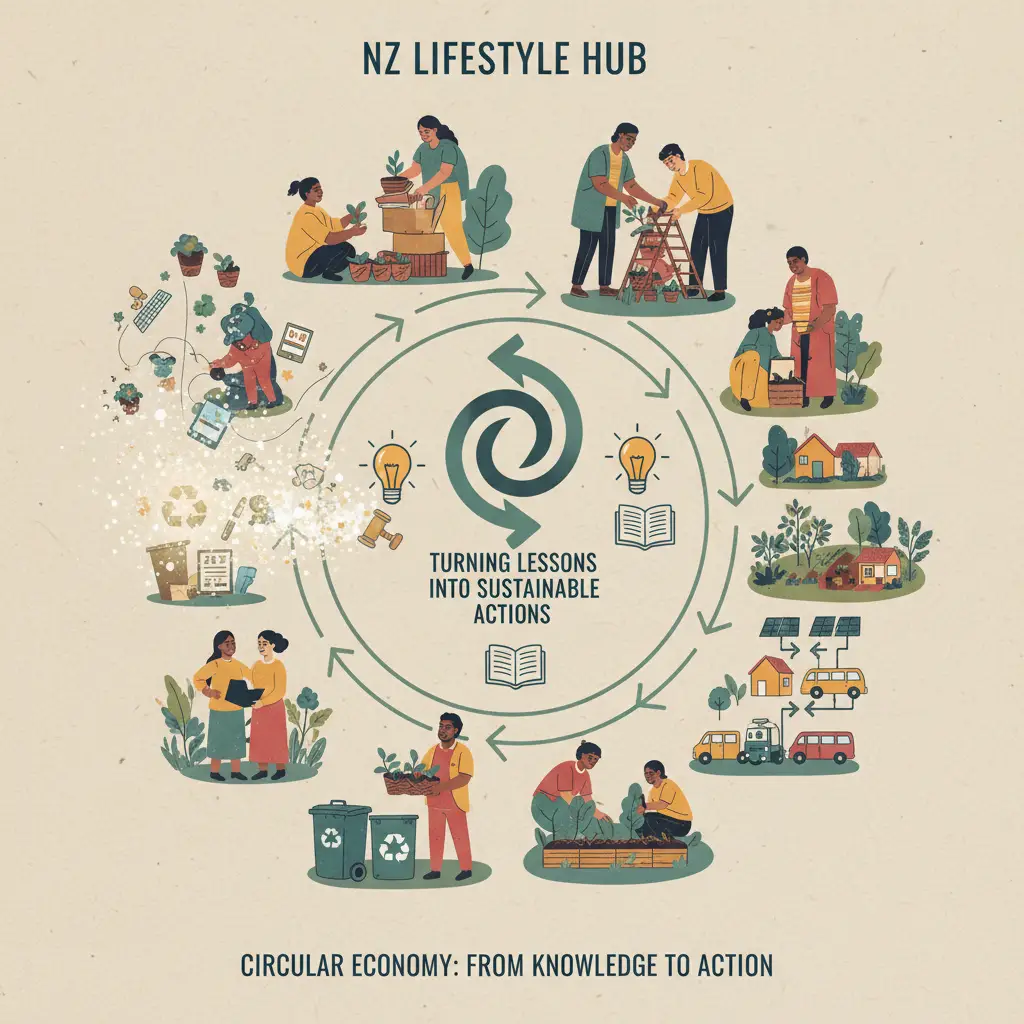
Conclusion: Turning Lessons into Action
The failures in sustainable consulting are not roadblocks, but rather crucial learning opportunities. By understanding the common pitfalls – from a lack of genuine commitment and poor stakeholder engagement to implementation hurdles, inadequate measurement, and generic solutions – we can approach sustainability with greater wisdom and efficacy.
Whether you’re shaping corporate policy or simply trying to reduce your household’s waste, these 5 key lessons from sustainable consulting failures offer a robust framework. They encourage deeper commitment, broader collaboration, pragmatic implementation, clear accountability, and tailored solutions, paving the way for a truly sustainable future for all of Aotearoa New Zealand.
Frequently Asked Questions (FAQ)
Q: What is greenwashing and why is it harmful?
A: Greenwashing is when a company or organization presents itself as environmentally friendly or sustainable through misleading marketing, without making genuine efforts to reduce its environmental impact. It’s harmful because it deceives consumers, undermines legitimate sustainable businesses, and erodes trust in environmental claims.
Q: How can consumers identify genuine sustainable efforts from greenwashing?
A: Look for transparency (companies sharing detailed reports, not just buzzwords), third-party certifications from reputable organizations, specific and measurable goals, and a holistic approach that considers the entire product lifecycle and supply chain. Question vague claims or those focused only on a single small attribute.
Q: Why is stakeholder engagement so important in sustainability projects?
A: Stakeholder engagement ensures that diverse perspectives and needs are considered, leading to more robust, equitable, and locally appropriate solutions. It fosters buy-in, reduces resistance, and increases the likelihood of long-term success, especially crucial in community-focused initiatives in New Zealand.
Q: Can individual sustainable lifestyle choices truly make a difference?
A: Absolutely. While systemic change is vital, individual choices collectively create significant impact. They drive market demand for sustainable products, inspire others, and build a culture of sustainability. Every action, from reducing waste to conserving energy, contributes to the larger movement towards a greener future.
References & Sources
- Greenpeace. (2022). The Greenwashing Guide: How to spot misleading environmental claims.
- Porter, M. E., & Kramer, M. R. (2011). Creating Shared Value: How to reinvent capitalism—and unleash a wave of innovation and growth. Harvard Business Review.
- Project Management Institute (PMI). (2023). Pulse of the Profession® Report: Navigating Strategic Change. (Hypothetical publication reference for stat).
- Sustainable Business Council New Zealand. (Ongoing research). Annual Reports on Member Sustainability Practices.
- New Zealand Government. Ministry for the Environment. (Various publications). Environmental Reporting Series.