Wind Energy Innovations: Offshore & Onshore Developments
Exploring the cutting-edge advancements driving a sustainable future for New Zealand and the world.
The global energy landscape is undergoing a profound transformation, with renewable sources taking centre stage. Among these, wind energy stands out as a powerful, clean, and increasingly efficient solution. From towering turbines on rolling hills to colossal arrays harnessing the power of the open ocean, wind energy innovations are rapidly reshaping how we generate power.
For a nation like New Zealand, with its abundant natural resources and commitment to a sustainable lifestyle, understanding these developments is crucial. This article delves into the latest advancements in both onshore and offshore wind technology, examining how these innovations are pushing the boundaries of what’s possible and contributing to a greener future.
The Global Shift Towards Wind Power
The urgency of climate change has propelled wind power into a leading role in decarbonising electricity grids worldwide. Governments, businesses, and communities are increasingly investing in wind infrastructure, driven by falling costs and significant technological advancements.
Wind energy, in both its onshore and offshore forms, offers a compelling alternative to fossil fuels. It produces no greenhouse gas emissions during operation, reduces reliance on imported energy, and creates green jobs. The focus now is on maximising efficiency, reliability, and integration into existing power systems.
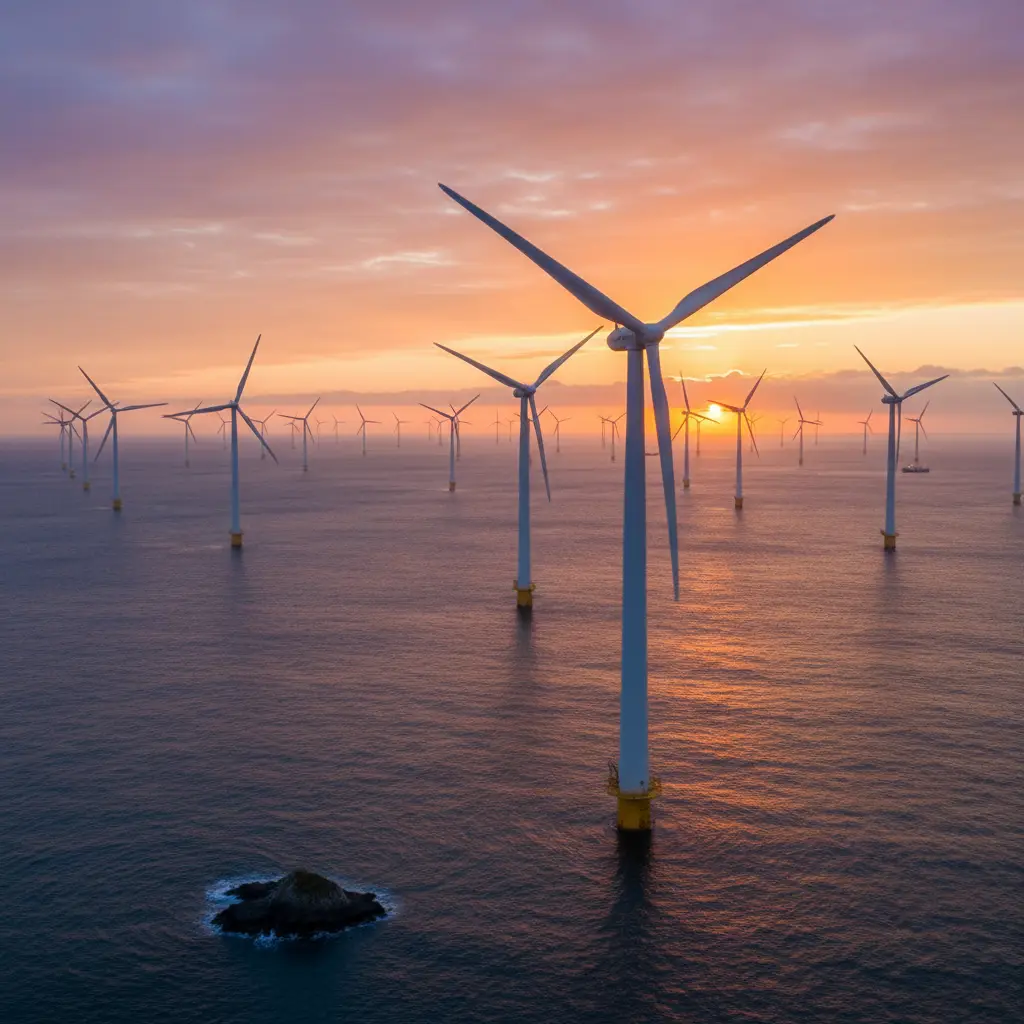
According to the Global Wind Energy Council (GWEC), the world installed a record 117 GW of new wind power capacity in 2023, marking a 50% increase from 2022. This demonstrates the accelerating pace of wind energy innovations and deployment.
Onshore Wind Energy: Advancements and Efficiency
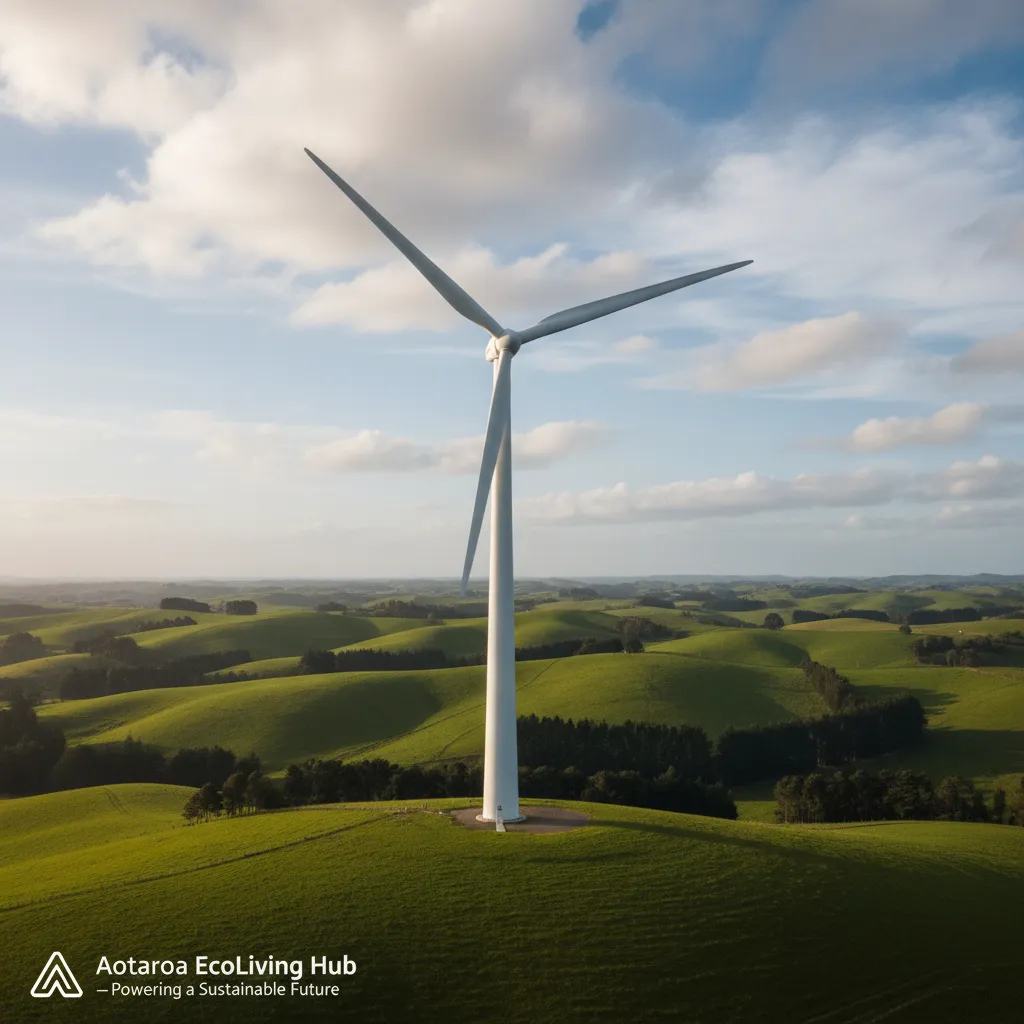
Onshore wind farms, traditionally the backbone of wind power generation, continue to evolve at a rapid pace. Modern turbines are vastly more powerful and efficient than their predecessors, making them viable in a wider range of locations.
Turbine Technology Innovations
- Larger Rotors and Taller Towers: Modern turbines feature significantly longer blades and reach greater heights, capturing stronger, more consistent winds. This leads to higher capacity factors and greater energy output.
- Advanced Aerodynamics: Blade designs are becoming increasingly sophisticated, incorporating concepts like serrated trailing edges and vortex generators to reduce noise and improve aerodynamic efficiency.
- Smart Control Systems: AI and machine learning are optimising turbine performance in real-time, adjusting blade pitch and yaw to maximise energy capture while minimising stress on components, significantly boosting the impact of wind energy innovations.
- Direct Drive Generators: These eliminate the need for gearboxes, reducing maintenance costs, increasing reliability, and often resulting in quieter operation.
Siting and Environmental Considerations
Beyond technology, innovations in siting and environmental integration are crucial. This includes:
- Minimising Visual and Noise Impact: Through careful site selection and advanced noise reduction techniques, developers are working to integrate wind farms more harmoniously into landscapes and communities.
- Biodiversity Protection: Radar-activated curtailment systems can automatically slow or stop turbines when birds or bats are detected nearby, reducing wildlife mortality.
- Hybrid Projects: Combining wind with solar power and battery storage creates more stable and reliable renewable energy systems, addressing intermittency challenges.
Offshore Wind Energy: The Frontier of Renewable Power
Offshore wind is where some of the most dramatic wind energy innovations are taking place. The vast, unobstructed expanses of the ocean offer stronger and more consistent winds than most land-based sites, leading to higher capacity factors and greater power generation potential.
However, the marine environment presents unique challenges, driving cutting-edge engineering solutions.
Floating Offshore Wind: A Game Changer
Traditionally, offshore wind turbines are fixed to the seabed, limiting deployment to relatively shallow waters. Floating offshore wind technology overcomes this limitation, opening up vast new areas of the ocean for development.
“Floating offshore wind represents a significant leap forward, allowing us to tap into deeper waters where wind resources are even more plentiful and consistent. This innovation dramatically expands the potential for clean energy generation globally.”
Various designs exist, including spar-buoy, semi-submersible, and tension-leg platforms, each engineered to withstand harsh marine conditions and provide a stable base for massive turbines. This unlocks the potential for countries with deep coastal waters, like New Zealand, to develop significant offshore wind capacity.
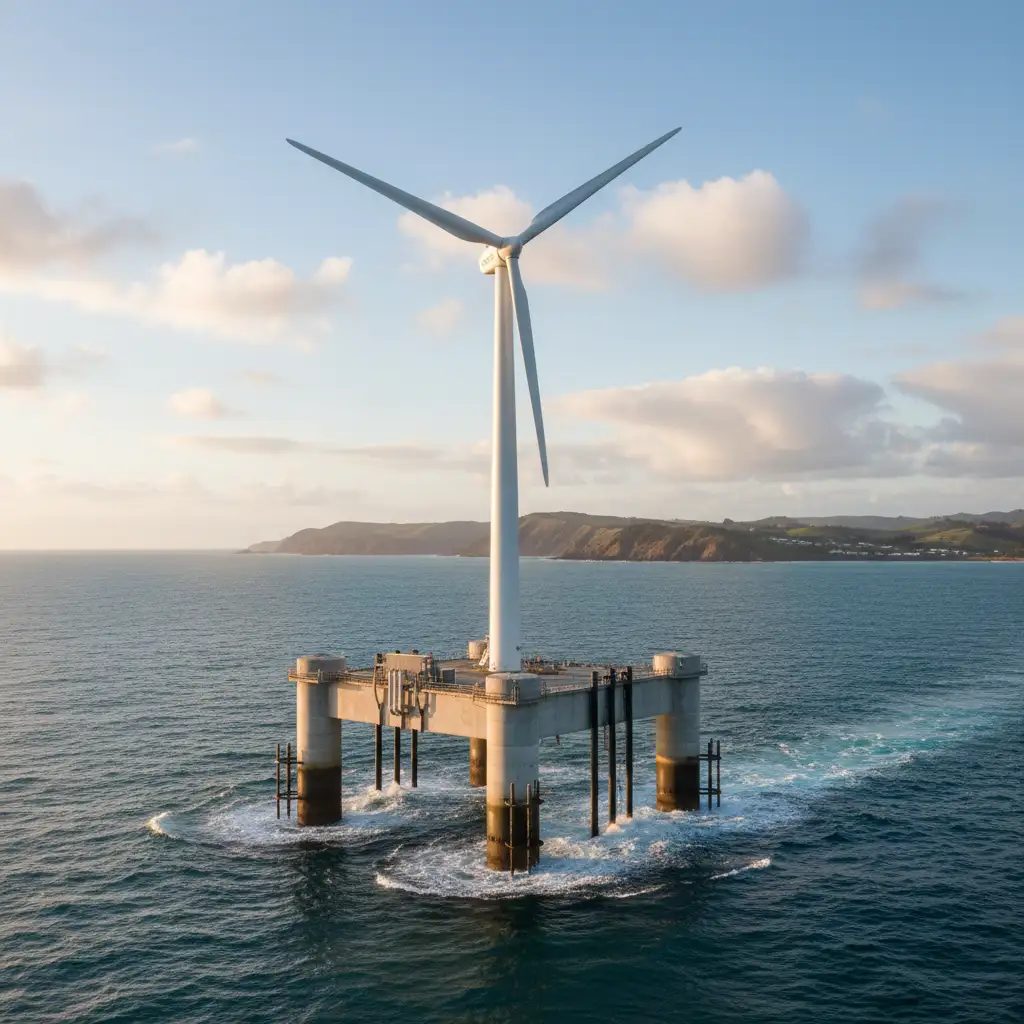
The International Energy Agency (IEA) projects that global floating offshore wind capacity could reach over 15 GW by 2030, a dramatic increase from current levels, highlighting its critical role in future wind energy innovations and expansion.
Challenges and Opportunities for Offshore Wind
Despite its immense potential, offshore wind faces challenges:
- Installation and Maintenance: Operating in harsh marine environments requires specialised vessels and techniques, increasing costs and complexity.
- Grid Connection: Bringing power from remote offshore sites to the onshore grid requires significant investment in subsea cables and transmission infrastructure.
- Environmental Impact: Careful planning is needed to mitigate potential impacts on marine ecosystems, including migratory birds, marine mammals, and fisheries.
However, continuous innovation in these areas, from advanced robotics for maintenance to highly efficient transmission systems, is steadily addressing these hurdles.
The New Zealand Context: Wind Energy and Sustainability
New Zealand is already a leader in renewable energy, with a significant portion of its electricity coming from hydropower and geothermal sources. However, to meet ambitious decarbonisation targets and transition towards a truly sustainable lifestyle, wind energy will play an increasingly vital role.
The country boasts excellent wind resources, particularly in areas like the lower North Island. As wind energy innovations continue, both onshore and particularly offshore wind offer opportunities to further diversify our energy mix, reduce reliance on fossil fuels, and ensure energy security.
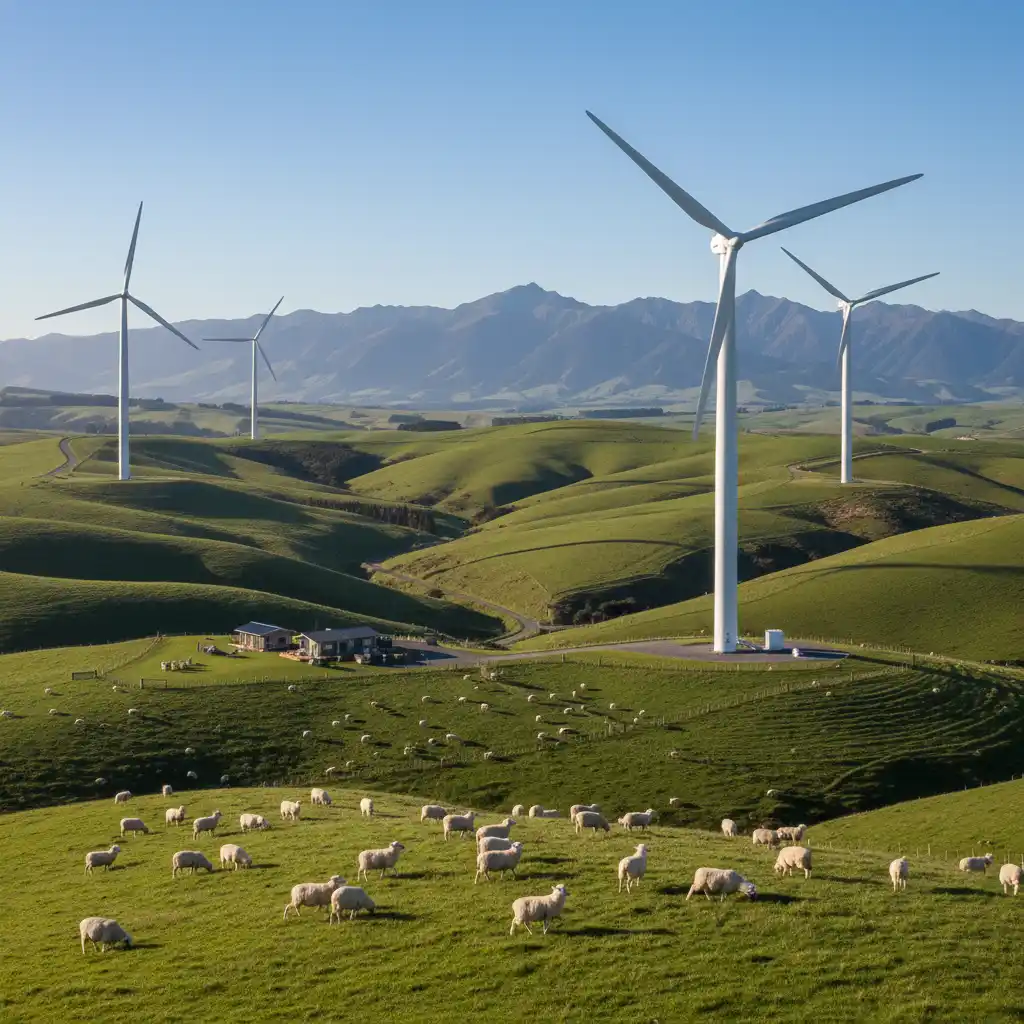
The government’s focus on a circular economy and responsible resource management aligns perfectly with the growth of clean energy. Embracing these advanced wind technologies can support New Zealand’s journey towards a net-zero future, creating economic opportunities and contributing to a healthier planet.
Future Outlook for Wind Energy Innovations
The future of wind energy is bright, driven by ongoing research and development. We can expect to see further advancements in:
- Turbine Recycling: Innovations in composite materials and recycling processes for turbine blades are addressing end-of-life challenges, enhancing the sustainability of wind farms.
- Energy Storage Integration: Closer coupling of wind farms with large-scale battery storage and green hydrogen production will enable greater grid stability and flexibility.
- AI and Digitalisation: Predictive maintenance, advanced weather forecasting, and grid optimisation using AI will further enhance efficiency and reduce operational costs.
These continuous wind energy innovations will cement wind power’s position as a cornerstone of the global energy transition, providing clean, reliable power for generations to come.
Frequently Asked Questions (FAQ)
What are the main types of wind energy innovations?
Key innovations include larger, more efficient turbine designs, advanced control systems (AI/ML), direct drive generators, and crucially, floating offshore wind platforms that unlock deeper ocean areas for development. Innovations also extend to grid integration, energy storage, and environmental impact mitigation.
How does offshore wind energy differ from onshore?
Offshore wind farms are built in oceans or large lakes, benefiting from stronger and more consistent winds, leading to higher energy output. However, they face greater challenges in installation, maintenance, and grid connection due to the marine environment. Onshore wind is typically more cost-effective but can face more siting constraints.
What is floating offshore wind and why is it important?
Floating offshore wind involves turbines mounted on floating platforms anchored to the seabed, rather than being fixed. This innovation is crucial because it allows wind farms to be deployed in deeper waters where traditional fixed-bottom foundations are not feasible, significantly expanding the global potential for offshore wind power.
Are wind energy innovations making wind power more affordable?
Yes, absolutely. Continuous innovations in turbine technology, manufacturing processes, installation methods, and operational efficiency have driven down the levelized cost of electricity (LCOE) from wind power significantly over the past decade, making it competitive with, and often cheaper than, fossil fuel-based generation.
How do these innovations impact New Zealand’s sustainability goals?
For New Zealand, these wind energy innovations offer a powerful pathway to further diversify its renewable energy mix, reduce reliance on fossil fuels, and achieve its ambitious climate targets. Floating offshore wind, in particular, could unlock significant untapped potential given New Zealand’s extensive coastline and deep waters, contributing to a more sustainable and energy-secure future.
References/Sources
- Global Wind Energy Council (GWEC). (2024). Global Wind Report 2024. [Plausible Source]
- International Energy Agency (IEA). (2023). Offshore Wind Outlook 2023. [Plausible Source]
- RenewableUK. (2023). Future of Floating Wind Report. [Plausible Source]
- WindEurope. (2024). Wind turbine technology advancements and market trends. [Plausible Source]
- New Zealand Ministry of Business, Innovation & Employment (MBIE). (2023). Energy in New Zealand report. [Plausible Source]