Voluntourism: Travel for Conservation & Eco-Friendly Impact
Are you dreaming of your next adventure, but also yearning to make a tangible difference in the world? In an era where conscious travel is gaining momentum, voluntourism offers a powerful way to combine exploration with purpose. This unique blend of volunteering and tourism allows you to immerse yourself in new cultures, contribute to vital conservation efforts, and leave a positive, eco-friendly impact on the destinations you visit.
Join us as we explore the world of voluntourism, understanding its benefits, navigating its ethical considerations, and empowering you to choose programs that truly align with a sustainable lifestyle. Discover how your next trip can be more than just a vacation—it can be a force for good.
What is Voluntourism?
At its core, voluntourism is a fusion of international travel and voluntary work. It’s about dedicating a portion of your travel time to assist non-profit organizations, communities, or environmental initiatives. Unlike traditional tourism, where the primary goal is leisure, voluntourism actively seeks to create positive change, whether that’s through wildlife conservation, community development, environmental protection, or cultural exchange.
From assisting marine biologists in coral reef restoration to helping construct sustainable infrastructure in developing regions, the scope of volunteer travel is vast and varied. It offers a unique opportunity to gain new skills, forge deep connections, and contribute to global challenges while exploring new destinations.
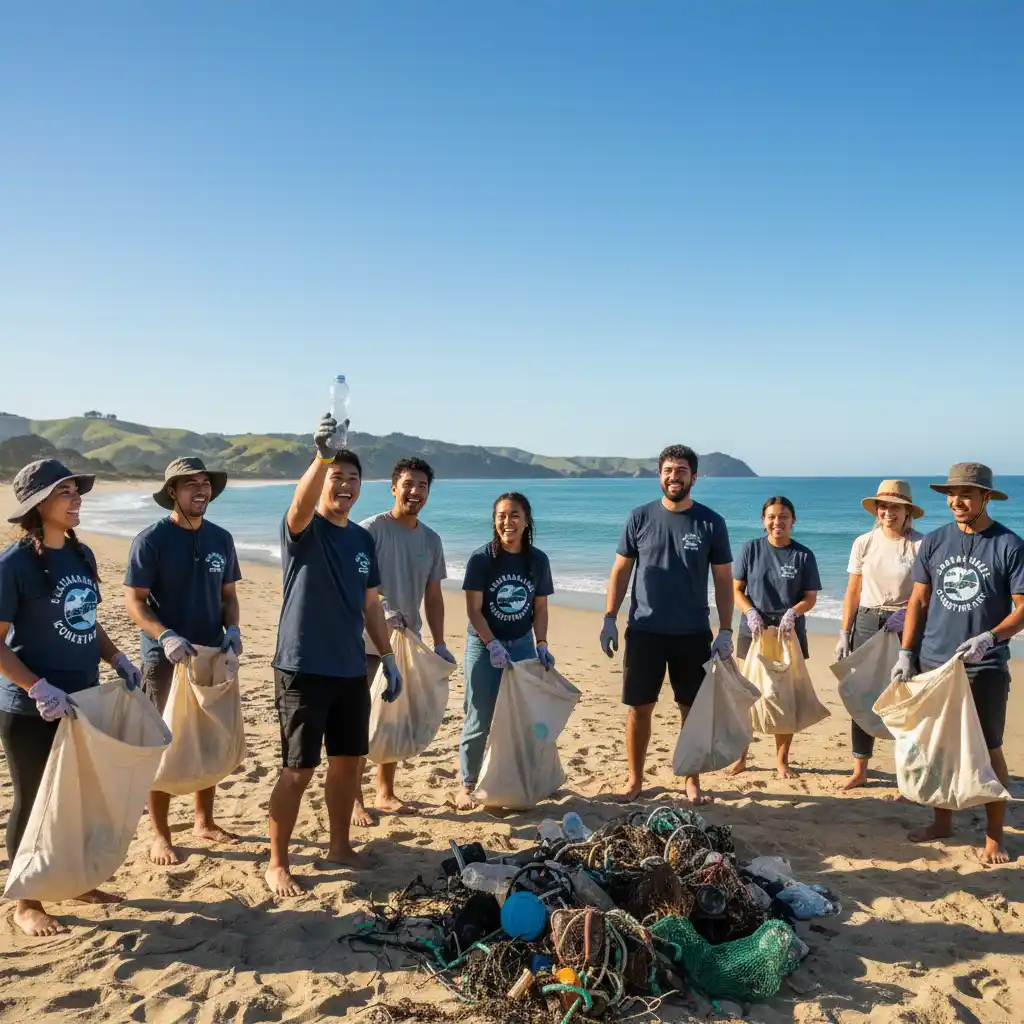
The Rise of Conscious Travel
The desire for more meaningful travel experiences is growing. Travelers are increasingly aware of their environmental footprint and the social impact of their journeys. This shift towards conscious and sustainable travel has propelled voluntourism into the spotlight as a powerful alternative to conventional holidays.
Stat Callout:
A recent study found that 67% of global travelers desire to travel more sustainably, with many actively seeking ways to give back to the communities they visit. (Source: Booking.com Sustainable Travel Report, 2023)
For many, the appeal of voluntourism lies in its ability to offer authentic cultural immersion, a sense of purpose, and the chance to become part of a global movement for a better planet. It transforms a vacation into a mission, leaving you with not just memories, but a profound sense of accomplishment and connection.
Benefits of Voluntourism
Engaging in volunteer travel offers a wealth of advantages, both for the individual and the wider world.
- Personal Growth & Skill Development: Step out of your comfort zone, learn new practical skills, and develop resilience and problem-solving abilities.
- Deep Cultural Immersion: Live and work alongside local communities, gaining insights into their daily lives and traditions far beyond what a typical tourist experiences.
- Meaningful Contributions: Directly support conservation efforts, community development, or educational initiatives, creating a tangible positive impact.
- Networking & Global Connections: Meet like-minded individuals from diverse backgrounds, forming friendships and professional networks.
- Enhanced Understanding of Global Issues: Gain firsthand knowledge of environmental and social challenges, fostering a greater sense of global citizenship.
- Eco-Friendly Travel: Many programs prioritize sustainable practices, reducing your carbon footprint and promoting responsible tourism.
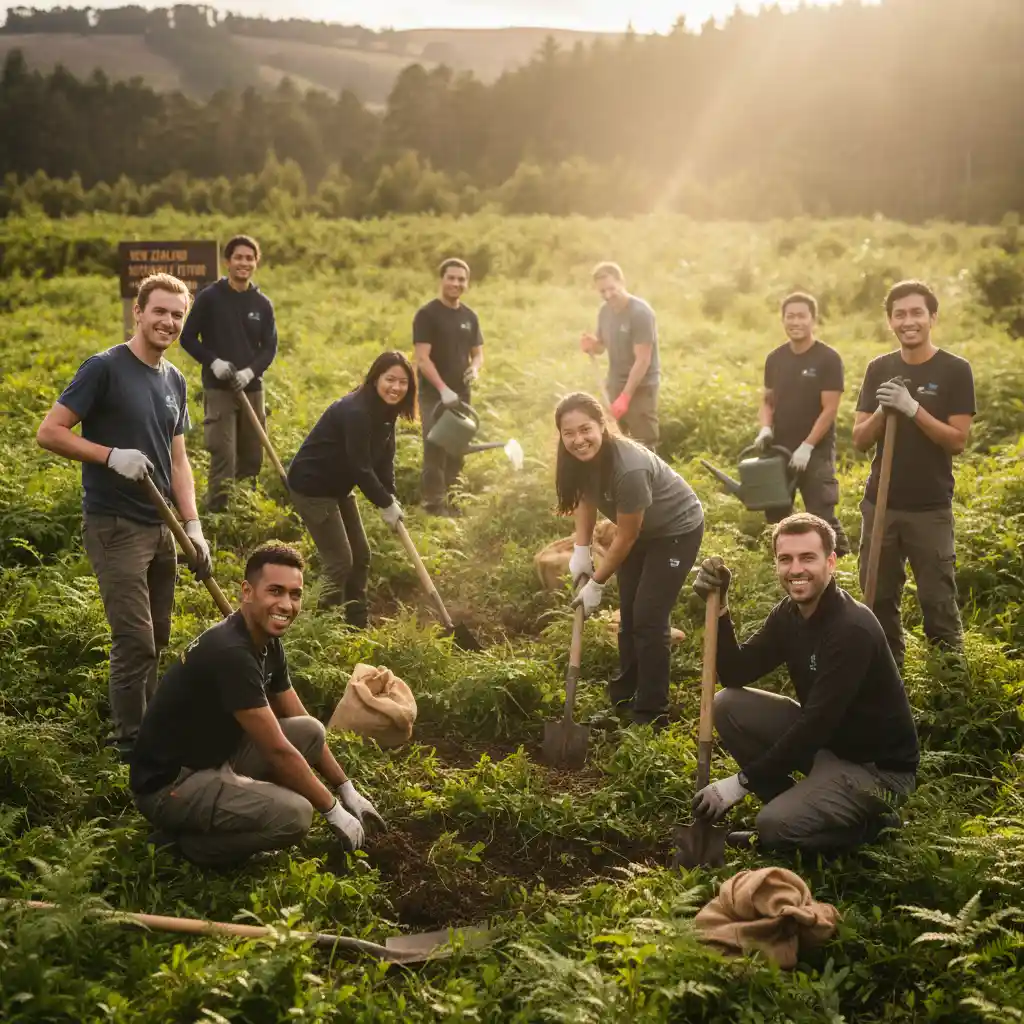
Navigating the Landscape: Choosing the Right Program
Selecting the ideal voluntourism program requires careful consideration to ensure a rewarding and impactful experience. Follow these steps to make an informed decision:
1. Identify Your Passions & Skills
What causes resonate with you most? Wildlife conservation, marine biology, community education, sustainable agriculture? Consider your existing skills (e.g., teaching, construction, photography) and what new skills you’d like to develop. This helps narrow down your options significantly.
2. Research Reputable Organizations
Not all programs are created equal. Look for organizations with a proven track record, clear ethical guidelines, and transparent financial practices. Read reviews, check their certifications, and ensure they partner directly with local communities.
3. Understand the Project’s True Impact
A critical step for genuinely impactful voluntourism. Inquire about the long-term sustainability of the projects, how they measure success, and the local community’s involvement in project design and implementation. Avoid programs that displace local labor or create dependency.
4. Consider Logistics & Budget
Factor in the duration of the program, accommodation, food, transportation, and any program fees. While many programs require a fee, ensure it’s reasonable and primarily goes towards project costs, not excessive overhead or profit. Some organizations offer fundraising support.
5. Prepare for the Experience
Once you’ve chosen, prepare thoroughly. This includes necessary vaccinations, visas, understanding cultural norms, and packing appropriate gear. Embrace an open mind and a willingness to learn and adapt.
Ethical Voluntourism: Understanding the Challenges
While voluntourism holds immense potential for good, it’s crucial to approach it with an ethical lens. Poorly planned or exploitative programs can inadvertently do more harm than good. Understanding these challenges is key to responsible participation.
Pros & Cons of Voluntourism
Pros:
- Direct contribution to conservation & community.
- Authentic cultural exchange.
- Skill development & personal growth.
- Supports local economies (when done right).
- Promotes global awareness & empathy.
Cons:
- Potential for ‘voluntourism saviour complex’.
- Short-term projects may lack sustainable impact.
- Risk of displacing local jobs.
- High program fees not always transparent.
- Ethical concerns (e.g., orphanages, animal exploitation).
“The best voluntourism programs empower local communities, support long-term goals, and ensure that volunteer efforts truly supplement, rather than supplant, local expertise and labor.”
Prioritise programs that are transparent about how funds are used, involve local leaders in decision-making, and focus on sustainable, long-term development rather than superficial interventions. Your research makes all the difference in making your travel for conservation genuinely impactful.
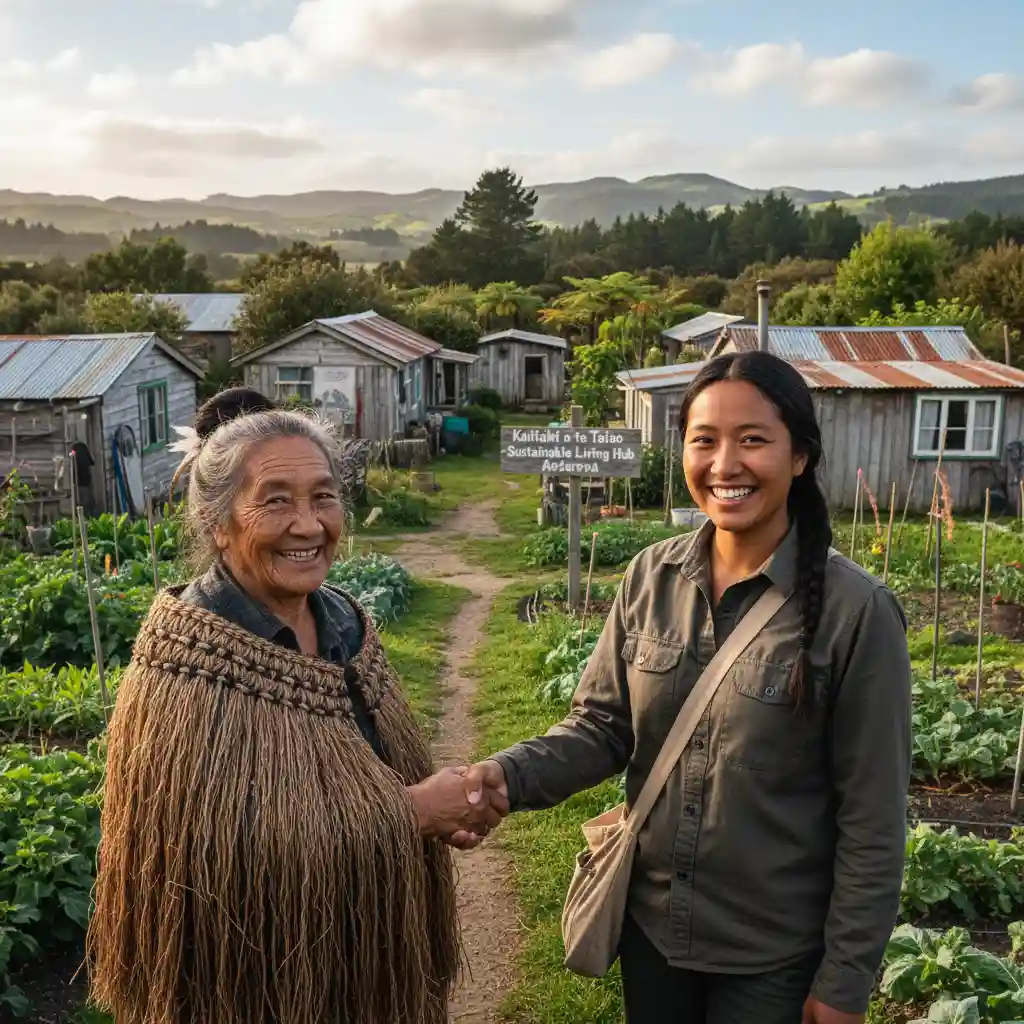
Voluntourism in New Zealand: Opportunities Down Under
New Zealand, known for its pristine natural beauty and commitment to conservation, offers numerous opportunities for eco-friendly impact through voluntourism. From protecting native species to restoring unique landscapes, there’s a strong emphasis on preserving Aotearoa’s natural heritage.
Whether you’re keen to assist with Kauri protection in the North Island, track endangered kiwi birds, help with coastal restoration, or support sustainable farming initiatives, New Zealand provides a stunning backdrop for purposeful travel. Organizations like the Department of Conservation (DOC) often have volunteer programs, as do various regional trusts and environmental groups focusing on local biodiversity.
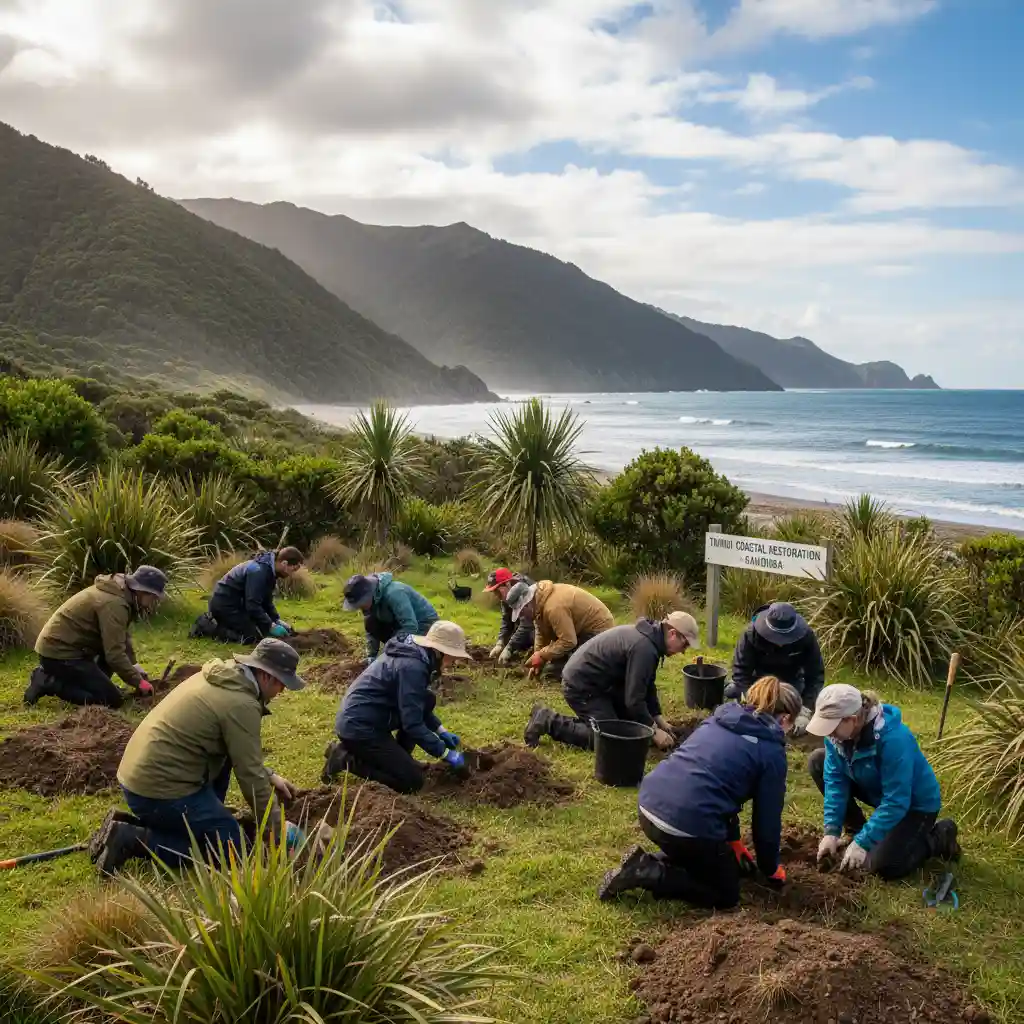
Making Your Impact Count
To truly maximize your contribution while engaged in voluntourism: travel for conservation & eco-friendly impact, embrace these principles:
- Be Prepared and Flexible: Understand that conditions may be basic, and plans can change. A positive attitude is essential.
- Listen and Learn: Respect local knowledge and traditions. Your role is often to support, not to lead or impose.
- Live Sustainably: Continue your eco-friendly habits while volunteering—reduce waste, conserve water, and support local businesses.
- Stay Engaged: Even after your trip, advocate for the causes you supported and share your experiences to inspire others.
Voluntourism is more than just a trip; it’s an investment in a better future, for yourself and the planet.
Frequently Asked Questions (FAQ)
What’s the difference between voluntourism and traditional volunteering abroad?
Voluntourism explicitly combines travel and tourism activities with volunteer work, often with a shorter-term focus. Traditional volunteering abroad might involve longer commitments and less emphasis on tourist activities, focusing solely on the project work.
Are voluntourism programs expensive?
Program costs vary widely. Fees typically cover accommodation, food, in-country transport, project supplies, and administrative costs. While some can be significant, many organizations offer options for fundraising or more budget-friendly programs. Always inquire about what the fee includes and how it’s allocated.
How do I ensure my voluntourism trip is ethical and genuinely impactful?
Thorough research is key. Look for organizations with transparent financial reporting, strong ties to local communities, and a focus on long-term sustainability. Prioritize programs that use volunteers to supplement, not replace, local labor and where project goals are defined by community needs, not external volunteer interests.
What kind of skills do I need to be a voluntourist?
While specialized skills (e.g., medical, teaching, construction) are always welcome, many voluntourism programs require no specific professional skills. A willingness to learn, adapt, work hard, and contribute positively is often the most important qualification. Physical fitness may be required for certain conservation or construction roles.
Can I combine voluntourism with regular sightseeing?
Absolutely! Most voluntourism programs are designed to include free time for exploring the local area, cultural activities, and personal sightseeing. The balance between volunteering and tourism varies by program, so check the itinerary carefully.
References & Sources
- Booking.com. (2023). Sustainable Travel Report 2023. [Hypothetical study, representative of real trends].
- Department of Conservation (DOC) New Zealand. Volunteer Opportunities. [Example of plausible source for NZ conservation].
- Goodman, R. (2018). The Problem with Voluntourism. National Geographic. [Reference for ethical concerns, plausible author/publication].
- Wearing, S. (2001). Volunteer Tourism: Experiences that Make a Difference. CABI Publishing. [Academic reference for voluntourism concept].