Upcycling Techniques: Turn Waste into Unique Home Decor
Ever looked at an old, discarded item and seen its hidden potential? In a world increasingly conscious of waste, upcycling techniques offer a brilliant way to transform what might seem like trash into unique, cherished treasures for your home. It’s more than just recycling; it’s about giving items a new life with elevated value and purpose.
Here in Aotearoa, where our connection to the land (whenua) is profound, embracing sustainable practices like upcycling resonates deeply. This comprehensive guide will empower you to dive into the rewarding world of creative repurposing, turning everyday waste into unique home decor while making a positive impact on our planet.
Table of Contents

The Art and Impact of Upcycling
At its core, upcycling is the process of transforming by-products, waste materials, useless, or unwanted products into new materials or products of better quality or for better environmental value. Unlike traditional recycling, which often breaks down materials, upcycling aims to add value to an item in its existing form, requiring less energy and fewer resources.
The environmental benefits are significant. Every item you upcycle means one less item in a landfill. In New Zealand, household waste generation continues to be a challenge, with a significant portion still ending up in landfills. By embracing upcycling techniques, we directly contribute to a circular economy, reducing demand for new products and conserving precious natural resources.
“Upcycling isn’t just a trend; it’s a powerful statement about our creativity and our commitment to a more sustainable future.”
Beyond the Bin: Essential Upcycling Techniques
Ready to get creative? Here are some popular and accessible upcycling techniques you can apply to transform common household waste into captivating home decor. We’ll explore step-by-step approaches to inspire your next project.
1. Revitalising Old Furniture
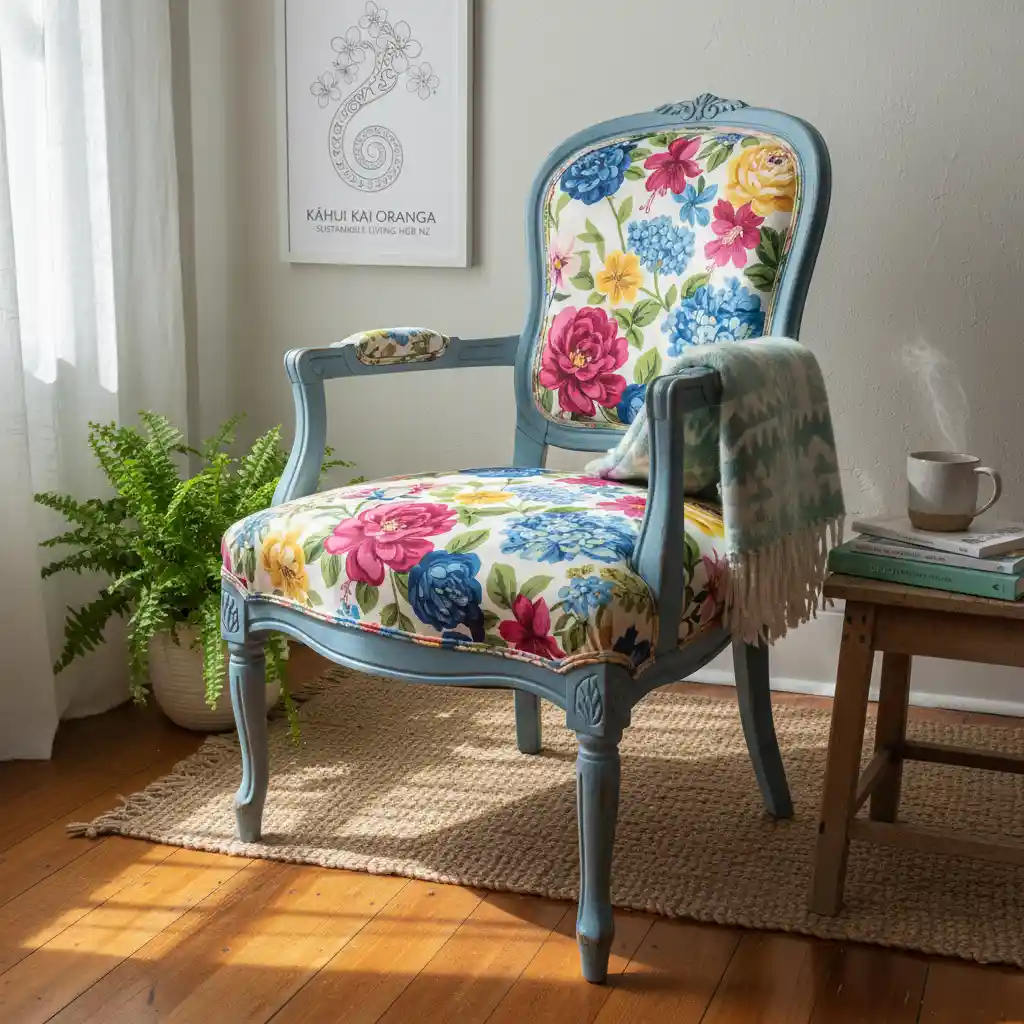
Give tired furniture a new lease on life. An old chest of drawers, a forgotten chair, or a worn-out table can become stunning focal points.
- Clean & Prep: Thoroughly clean the piece. Sand any rough surfaces to create an even base for paint or stain. Fill any cracks or holes with wood filler.
- Prime: Apply a good quality primer, especially if you’re painting over a dark finish or glossy surface. This ensures better paint adhesion and durability.
- Paint/Stain/Decoupage: Choose your finish. Paint offers endless colour possibilities. Staining highlights natural wood grain. For a unique look, consider decoupage with old maps, fabric scraps, or patterned paper.
- Hardware & Details: Replace old knobs, handles, or add decorative embellishments. Small details can make a huge difference in the final aesthetic.
- Seal: Apply a protective topcoat (polyurethane, wax, or varnish) to guard against wear and tear, especially for high-use items.
2. Transforming Jars, Bottles, and Cans
Glass jars, wine bottles, and metal cans are ubiquitous and incredibly versatile for upcycling.
- Clean Thoroughly: Remove all labels and wash containers meticulously. A soak in warm, soapy water often helps remove stubborn glue.
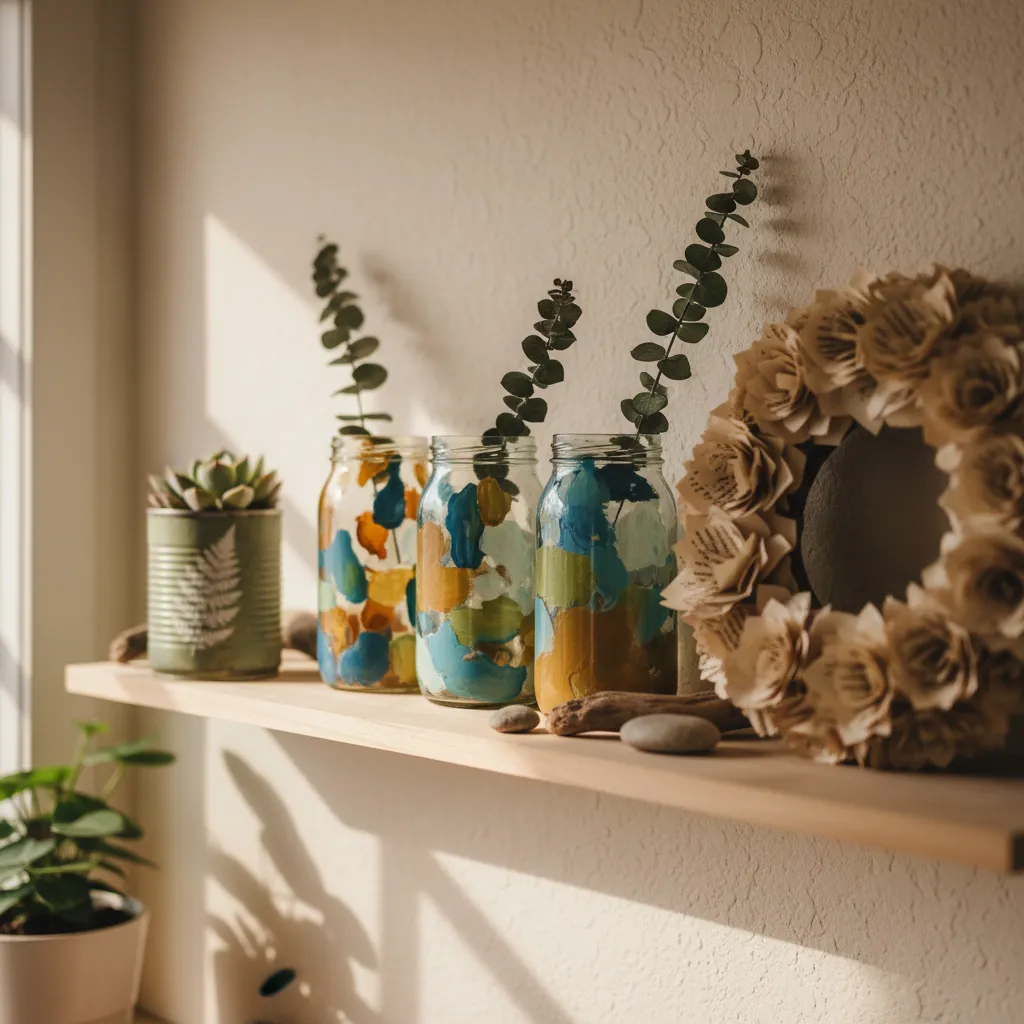
- Painting & Decorating: Spray paint (use appropriate paint for glass/metal), acrylics, or even chalk paint can transform their look. Experiment with stencils, glitter, or twine wrapping.
- Functional Uses: Jars become elegant candle holders, food storage, or decorative vases. Bottles can be cut (with special tools and safety precautions) into drinking glasses or decorative lamps. Cans make great pen holders, utensil caddies, or small planters.
- Lighting: For a magical touch, string LED fairy lights inside clear glass bottles or jars.
3. Reinventing Textiles and Clothing
Old clothes, bedsheets, towels, and fabric scraps hold immense potential for textile upcycling.
- Assess & Clean: Check the condition of the fabric. Wash thoroughly.
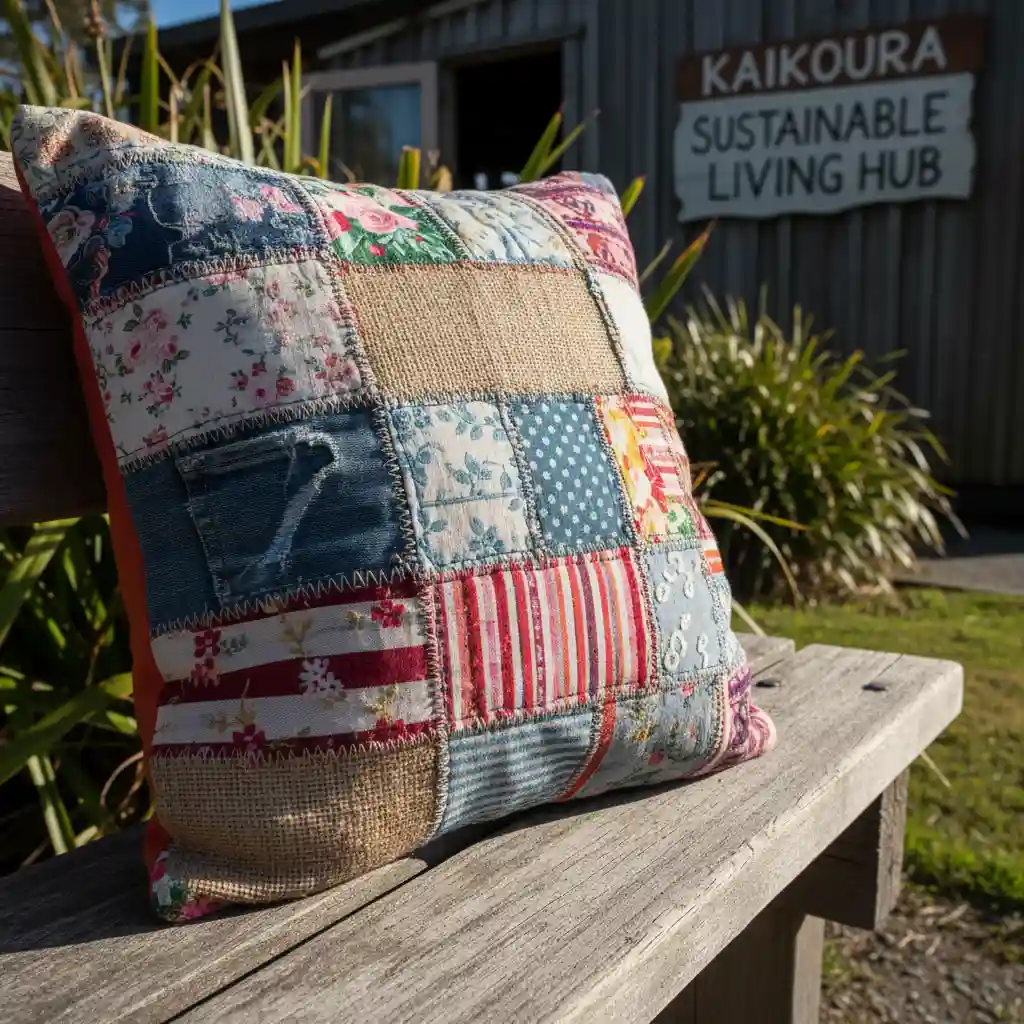
- Cutting & Sewing: Old jeans can become sturdy storage baskets or trendy bags. T-shirts can be cut into ‘yarn’ for crocheted rugs or trivets. Fabric scraps can be sewn into patchwork cushions, quilts, or placemats.
- No-Sew Options: For those without sewing skills, consider tying fabric strips together to create a rag rug or using fabric glue to create decorative wall art.
- Dyeing & Embellishing: Give faded fabrics a new lease of life with natural dyes or add embroidery, beads, or patches for a personalised touch.
4. Creative Cardboard & Paper Craft
Don’t underestimate the humble cardboard box or stack of newspapers. These can become surprisingly sturdy and decorative items.
- Sturdy Structures: Use thick cardboard boxes to create storage bins, magazine holders, or even small pet beds. Reinforce corners with strong tape or glue.
- Decorative Finishes: Cover cardboard structures with decorative paper, fabric, or paint. Add embellishments like twine or buttons.
- Paper Mache & Rolls: Old newspapers or magazines can be transformed into paper mache bowls, sculptures, or rolled into ‘beads’ for jewellery or decorative curtains. Toilet paper rolls can be cut, painted, and glued to create intricate wall art designs.
Tips for Your Upcycling Journey
- Start Small: Begin with simple projects like painting jars or decorating cans to build confidence.
- Safety First: Always use appropriate safety gear (gloves, masks, eye protection) when sanding, painting, or cutting.
- Seek Inspiration: Pinterest, Instagram, and local craft markets are rich sources of upcycling ideas. Look at items not for what they are, but for what they could be.
- Gather Supplies: Keep a basic toolkit of glue, paint, brushes, scissors, and a utility knife on hand.
- Embrace Imperfection: Upcycled items often have character. Don’t strive for factory perfection; celebrate the unique story of your creation.
- Connect with Community: Join local upcycling groups or workshops in New Zealand to share ideas, learn new skills, and find materials.
Join the Upcycling Movement in Aotearoa
Upcycling is more than just a hobby; it’s a vital part of a sustainable lifestyle that aligns with New Zealand’s commitment to protecting our natural environment. By mastering these upcycling techniques, you’re not only crafting beautiful, bespoke items for your home but also actively participating in waste reduction and fostering a more resourceful community.
So, next time you’re about to toss something away, pause and consider its potential. With a little imagination and these techniques, you can turn forgotten items into unique home decor pieces that tell a story – a story of creativity, sustainability, and Kiwi ingenuity. Get inspired, get crafting, and let your imagination lead the way!

Frequently Asked Questions
What’s the difference between upcycling and recycling?
Recycling involves breaking down waste materials to create new products, often reducing the quality of the material (e.g., plastic bottles into park benches). Upcycling, however, transforms waste items into products of higher quality or value without breaking them down, often retaining their original form but giving them a new purpose (e.g., old jeans into a stylish bag).
What common items are best for upcycling into home decor?
Excellent candidates for upcycling include old furniture (chairs, tables, dressers), glass jars and bottles, tin cans, wooden pallets, old clothing and textiles, cardboard boxes, and even forgotten items like old books, records, or unused kitchenware. The key is to see potential beyond their original function.
Do I need special tools or skills to start upcycling?
Not at all! Many upcycling projects, especially for beginners, require only basic tools like scissors, glue, paint, and a utility knife. As you gain confidence, you might invest in a sander, jigsaw, or sewing machine. The most important ‘skill’ is creativity and a willingness to experiment.
Where can I find materials for upcycling in New Zealand?
Look no further than your own home! Many items you’d normally discard are perfect. Beyond that, op shops (thrift stores), garage sales, local community recycling centres, construction sites (with permission for pallets), and even social media ‘buy nothing’ groups are fantastic sources for affordable or free materials.
References & Sources
- Ministry for the Environment. (2022). Our atmosphere and climate 2020: Waste and recycling data for New Zealand. Retrieved from environment.govt.nz
- The Upcycle Collective. (n.d.). Benefits of Upcycling. Retrieved from theupcyclecollective.com
- Sustainable Living New Zealand. (n.d.). DIY & Upcycling Guides. Retrieved from sustainable.org.nz
- Zero Waste Network Aotearoa. (n.d.). Community Resources. Retrieved from zerowaste.co.nz