Upcycling & Repair: Giving New Life to Old Items NZ
In Aotearoa, New Zealand, we’re becoming increasingly conscious of our environmental footprint. Every year, mountains of perfectly usable items end up in landfills, contributing to waste and resource depletion. But what if there was a better way? What if we could transform discarded treasures into something new, useful, and beautiful? Enter the world of upcycling and repair – a movement gaining serious traction across the country.
This comprehensive guide will explore how you can embrace creative reuse and sustainable living right here in New Zealand. From exciting upcycle projects NZ homeowners are loving to finding local repair experts, we’ll equip you with the knowledge and inspiration to give old items a brand new lease on life.
Table of Contents
- DIY Upcycling Ideas: Unleash Your Creativity
- Finding Repair Cafes: Community & Craftsmanship
- Furniture Restoration: Revitalising Your Home
- Textile Upcycling: Fashion with a Conscience
- Electronics Repair: Beyond the Bin
- Your Upcycling & Repair Action Checklist
- Frequently Asked Questions (FAQ)
- References & Sources
DIY Upcycling Ideas: Unleash Your Creativity
The beauty of upcycling lies in its boundless potential. Almost anything can be transformed with a little imagination and effort. For inspiring upcycle projects NZ offers a wealth of unique materials and cultural influences, from repurposed fishing nets to traditional weaving techniques applied to modern waste.
Project Highlight: Pallet Planter Box
Wooden pallets are incredibly versatile and often discarded. Here’s a simple step-by-step guide to turn one into a beautiful planter box, perfect for your backyard herbs or flowers.
- Step 1: Source & Inspect Your Pallet. Look for untreated, sturdy pallets. Many businesses are happy for you to take them off their hands. Check for damage, splinters, or chemical stains.
- Step 2: Disassemble (Carefully!). Using a pry bar and hammer, carefully separate the wooden slats. You’ll need various lengths. Safety first: wear gloves and eye protection!
- Step 3: Measure & Cut. Decide on your planter size. Cut longer pieces for the sides and shorter pieces for the ends and bottom. Sand down rough edges for a smooth finish.
- Step 4: Assemble the Frame. Using wood screws and an electric drill, attach the side and end pieces to create a rectangular box. Ensure corners are square.
- Step 5: Add the Base. Attach the bottom slats, leaving small gaps for drainage. Consider adding a lining of geotextile fabric to prevent soil loss.
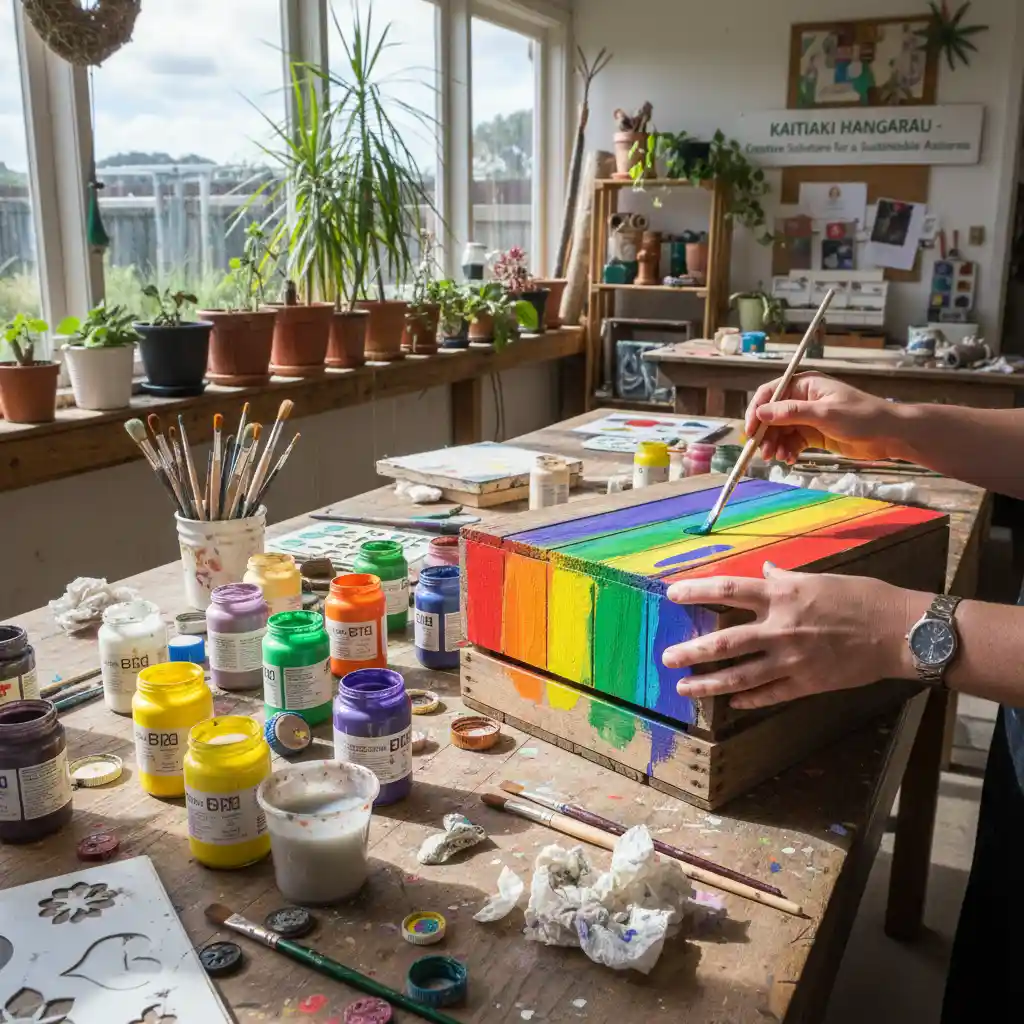
- Step 6: Finish & Decorate. Paint, stain, or seal your planter to protect it from the elements. Get creative with stencils or different colour schemes!
- Step 7: Plant & Enjoy! Fill with good quality potting mix and your favourite plants.
Other popular upcycle projects NZ locals enjoy include turning old tyres into garden seats, glass jars into decorative storage, and tin cans into unique pen holders.
Finding Repair Cafes: Community & Craftsmanship
Sometimes an item just needs a little TLC, not a complete transformation. That’s where repair cafes shine! These community-led initiatives bring together skilled volunteers and people with broken items – from toasters to torn trousers – to fix them together, often for free or a small donation.
“Repair cafes foster a culture of repair, teaching valuable skills, saving money, and significantly reducing waste. It’s a tangible way to participate in the circular economy right in your neighbourhood.”
Why Visit a Repair Cafe?
- Reduce Waste: Keep items out of landfill.
- Save Money: Avoid buying new or paying expensive repair fees.
- Learn Skills: Volunteers often teach you how to fix items yourself.
- Build Community: Connect with like-minded individuals.
Finding a repair cafe in New Zealand is becoming easier. Check local community centre listings, public libraries, or search online for “Repair Cafe [Your City/Region] NZ”. Initiatives like Repair Cafe Aotearoa NZ offer a directory and resources.
Waste Stat Callout:
New Zealanders send approximately 1.7 million tonnes of waste to landfill annually. Repairing and upcycling play a crucial role in diverting usable items from this fate, often extending their lifespan by years. (Source: Ministry for the Environment)

Furniture Restoration: Revitalising Your Home
That scuffed old dresser or wobbly chair might seem destined for the dump, but with a bit of elbow grease and vision, it could become a stunning centrepiece. Furniture restoration is a rewarding form of upcycling that adds character and sustainability to your living space.
Key Steps in Furniture Restoration:
- Assessment: Determine if the piece is structurally sound. Identify what needs repair (wobbly joints, scratches, outdated finish).
- Cleaning & Preparation: Thoroughly clean the surface. Remove old paint or varnish with stripper or sanding.
- Repair: Fix any structural issues – tighten joints, replace missing pieces, fill cracks.
- Sanding: Smooth the surface, starting with coarser grit sandpaper and moving to finer grits.
- Finishing: Apply new paint, stain, varnish, or wax. Experiment with different styles to match your aesthetic.
- Upholstery (if applicable): For chairs or sofas, consider reupholstering with new fabric for a complete transformation.
Many hardware stores and specialty craft shops across New Zealand offer workshops and supplies for furniture restoration. Online tutorials are also abundant for specific techniques.
Textile Upcycling: Fashion with a Conscience
Fast fashion creates immense waste, but textile upcycling offers a stylish alternative. Instead of discarding old clothes, give them a new identity – transforming them into new garments, accessories, or home decor. This is one of the most accessible upcycle projects NZ households can undertake.
Creative Textile Transformations:
- T-Shirt Yarn: Cut old t-shirts into strips to create yarn for knitting, crocheting, or macrame.
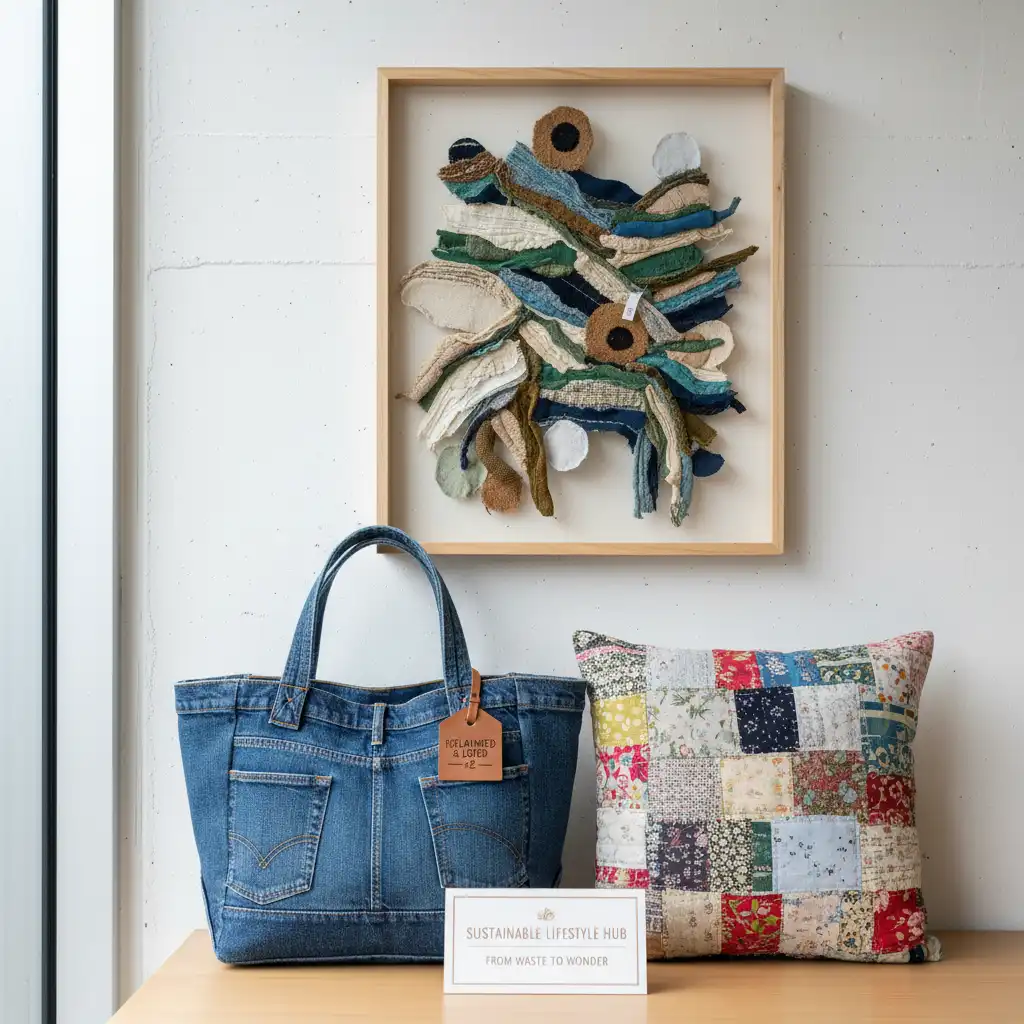
- Denim Dreams: Old jeans can become tote bags, storage baskets, patchwork quilts, or even chic skirts.
- Cushion Covers: Repurpose interesting fabric from old shirts, dresses, or curtains into unique cushion covers.
- Scrap Fabric Art: Small fabric scraps can be sewn into colourful collages, brooches, or incorporated into other craft projects.
- “Visible Mending”: Embrace the art of mending by making repairs a decorative feature rather than hiding them.
Electronics Repair: Beyond the Bin
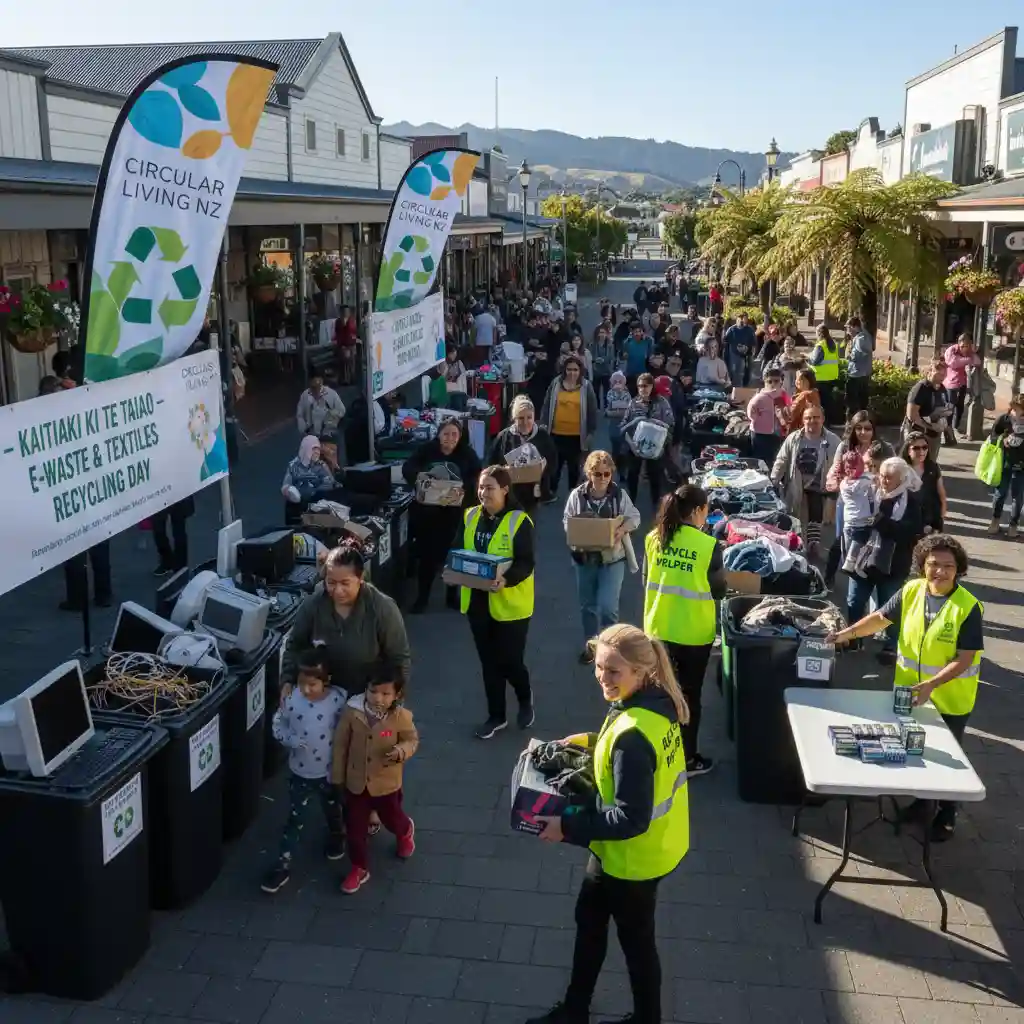
Electronic waste (e-waste) is a growing concern globally and in New Zealand. Discarded electronics contain valuable materials and often hazardous components. Before tossing a broken device, consider repair.
When to Repair, When to Recycle:
- Simple Fixes: Many issues like frayed charging cables, dead batteries (if replaceable), or software glitches can be fixed relatively easily.
- Professional Help: For complex issues, consult a professional electronics repair shop. The “Right to Repair” movement is gaining momentum, advocating for easier access to parts and repair information.
- Safety First: Never attempt repairs on mains-powered devices if you’re unsure. High voltages can be extremely dangerous.
- Responsible Recycling: If an item is truly beyond repair, ensure it’s recycled responsibly through designated e-waste collection points in your region.

Your Upcycling & Repair Action Checklist
Ready to dive into the world of creative reuse? Here’s a quick checklist to get you started on your sustainable journey in New Zealand:
- ✅ Identify a Project: Look around your home for an item that could be upcycled or repaired.
- ✅ Research Local Resources: Find your nearest Repair Cafe, community workshop, or specialist repair shop.
- ✅ Gather Inspiration: Explore online platforms (Pinterest, Instagram) for “upcycle projects NZ” ideas.
- ✅ Collect Materials: Source materials from charity shops, second-hand stores, or even roadside discards.
- ✅ Start Small: Begin with a simple project to build confidence and skills.
- ✅ Share Your Journey: Inspire others by sharing your upcycled creations!
Frequently Asked Questions (FAQ)
What exactly is upcycling?
Upcycling is the process of transforming waste materials or unwanted products into new materials or products of better quality or for better environmental value. Unlike recycling, which often breaks down materials, upcycling gives an item a new purpose without significantly altering its original form or composition.
How is upcycling different from recycling?
Recycling involves breaking down waste materials into their raw components to create new products, often of lower quality (e.g., plastic bottles into park benches). Upcycling involves creative reuse, enhancing an item’s value or utility in its current form (e.g., old tires into garden planters), often resulting in a higher-quality or more artistic product.
Where can I find materials for upcycle projects NZ?
New Zealand has numerous places to find materials: charity shops (op shops), second-hand stores, community recycling centres, kerbside collections on specific days, online marketplaces (like Trade Me, Facebook Marketplace), and even industrial discards (e.g., wooden pallets from businesses).
Are there grants or support for sustainable projects in NZ?
Yes, various government and community initiatives support sustainable projects. The Ministry for the Environment often has funding rounds, and local councils sometimes offer grants for community-led waste reduction or environmental projects. Look for organisations like Wastebusters or local trusts in your region.
Is it safe to repair electronics myself?
For simple, low-voltage electronics (like replacing batteries in a remote), basic DIY repair can be safe. However, for mains-powered devices or complex internal components, it’s generally best to consult a professional. Always unplug devices and understand potential risks before attempting any electronic repair.
References & Sources
- Ministry for the Environment. (2022). Waste and Resource Recovery. Retrieved from environment.govt.nz
- Repair Cafe Aotearoa NZ. (n.d.). Find a Repair Cafe. Retrieved from repaircafe.org.nz
- Wastebusters. (n.d.). Resource for Repair, Reuse and Upcycling. Retrieved from wastebusters.co.nz
- Ellen MacArthur Foundation. (2021). Circular Economy Introduction. Retrieved from ellenmacarthurfoundation.org