Unlocking Supply Chain Transparency in Ethical Mining
In an increasingly conscious world, consumers, businesses, and governments are demanding more from the products they purchase. This scrutiny extends deep into the supply chains, especially for industries like mining, which have historically faced challenges regarding their environmental and social impact. At our New Zealand sustainable lifestyle hub, we believe that understanding these complex global issues is crucial for making informed, ethical choices.
The journey from raw mineral extraction to the finished products we use daily often spans continents and involves multiple intermediaries. Ensuring that these minerals are sourced ethically – without contributing to human rights abuses, environmental degradation, or conflict – requires an unprecedented level of visibility. This article delves into the critical importance of supply chain transparency in ethical mining, exploring its challenges, innovative solutions, and the collective effort needed to build a more responsible future.
Understanding Ethical Mining: More Than Just “Good”
Ethical mining extends far beyond simply adhering to minimum legal standards. It encompasses a holistic approach to mineral extraction that prioritizes environmental stewardship, social responsibility, and robust governance. This means:
- Environmental Protection: Minimising ecological footprint, responsible waste management, land rehabilitation, and protecting biodiversity.
- Social Equity: Ensuring fair labour practices, safe working conditions, respecting human rights, empowering local communities, and preventing child labour or forced labour.
- Economic Viability: Contributing positively to local and national economies, ensuring fair distribution of benefits, and preventing corruption.
- Robust Governance: Adhering to transparent regulatory frameworks, anti-corruption measures, and responsible resource management.

Without verifiable transparency, claims of “ethical sourcing” can ring hollow. Consumers, especially those in New Zealand valuing sustainability, seek assurance that the materials in their electronics, jewellery, and even electric vehicles, do not come at an unacceptable cost to people or the planet.
The Imperative for Transparency: Why It Matters
The push for transparency in mining supply chains isn’t merely a trend; it’s a fundamental shift driven by several converging forces. From consumer pressure to regulatory mandates, the demand for clear, verifiable information is louder than ever.
“Transparency is not just about revealing information; it’s about building trust. In complex global supply chains, trust is the most valuable commodity.”
- Consumer Demand: A growing segment of consumers prioritizes ethically sourced and sustainable products. They want to know the origin and impact of materials.
- Brand Reputation: Companies are increasingly aware that association with unethical mining practices can severely damage their brand and market value.
- Regulatory Compliance: Laws like the Dodd-Frank Act in the US and emerging EU regulations on conflict minerals and batteries mandate due diligence and reporting on supply chain origins.
- Risk Mitigation: Transparency helps identify and mitigate risks related to human rights abuses, environmental liabilities, and geopolitical instability within the supply chain.
Key Challenges in Achieving Transparency
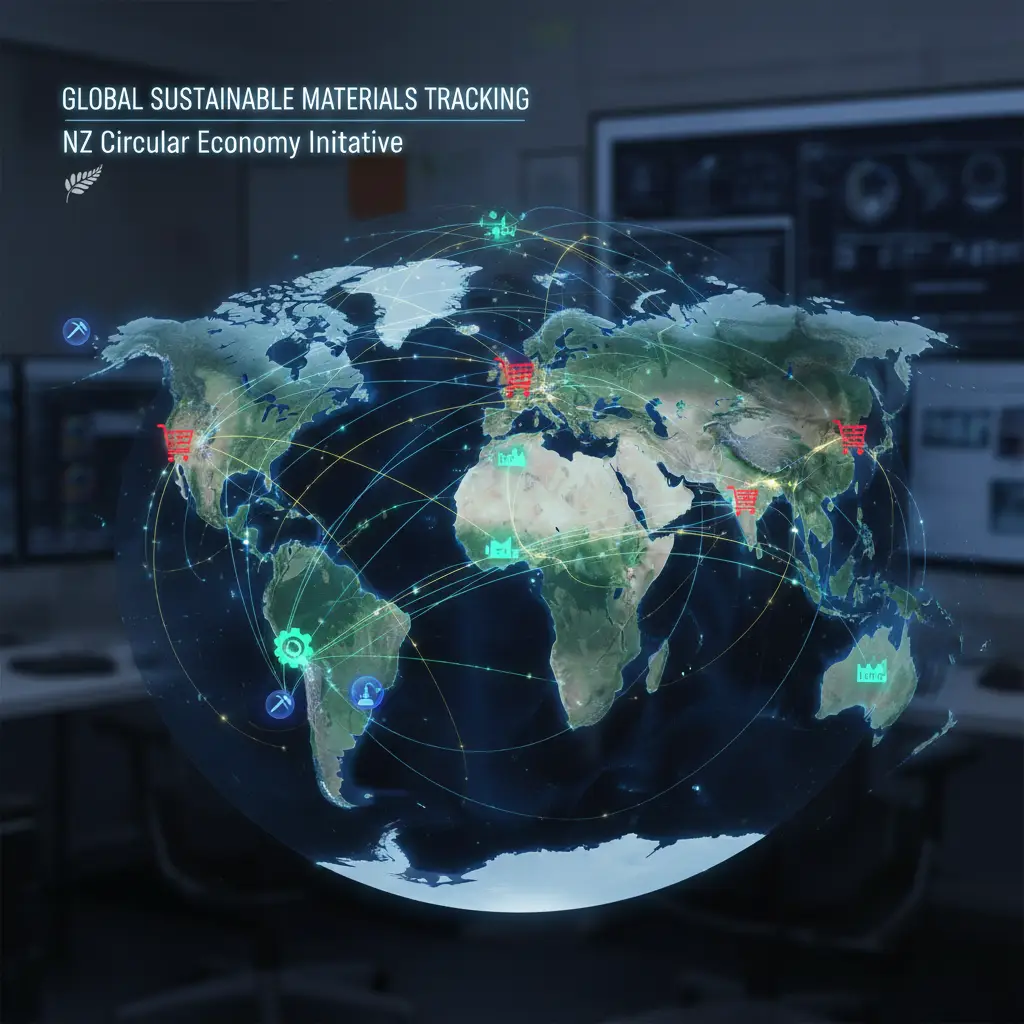
Despite the clear need, achieving full supply chain transparency in ethical mining is fraught with challenges. The global nature of mineral extraction and processing creates intricate, multi-layered networks that are difficult to monitor.
- Complex Global Supply Chains: Minerals often pass through numerous hands – miners, aggregators, refiners, manufacturers – across different countries and jurisdictions.
- Lack of Standardisation: Different regions and companies may have varying standards for ethical conduct and reporting, making consistent evaluation difficult.
- Informal Mining Sector: A significant portion of global mining is artisanal and small-scale, often operating informally, which presents unique challenges for traceability and oversight.
- Data Verification: Ensuring the accuracy and integrity of data across the entire chain requires robust verification mechanisms that are often expensive and difficult to implement.
Stat Callout:
Only an estimated 10-15% of global artisanal and small-scale mining (ASM) operations are formally regulated, complicating efforts to ensure ethical practices and transparency. (Source: World Bank Group)
Technological Solutions Driving Change
Fortunately, technological advancements are providing powerful tools to help overcome these challenges and truly unlock supply chain transparency in ethical mining. These innovations are creating digital footprints for minerals, making their journey verifiable and traceable.
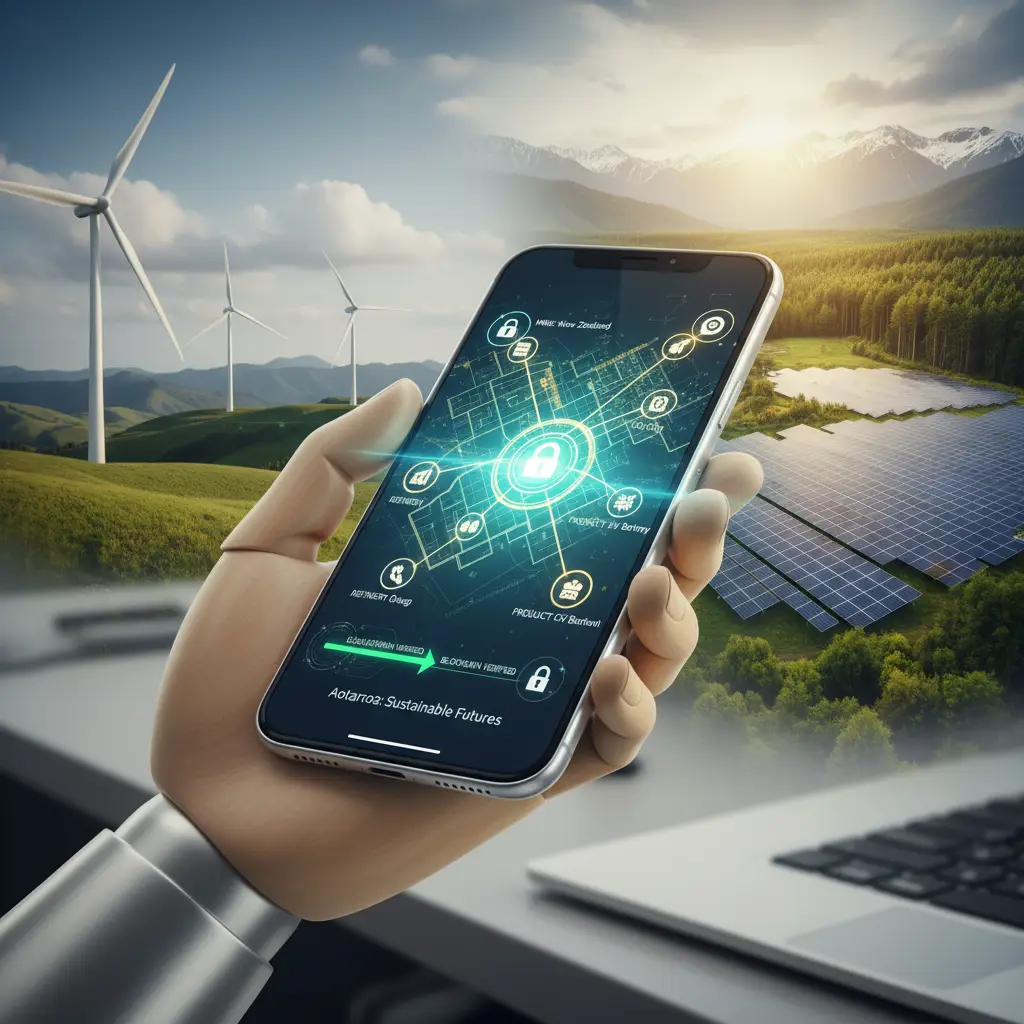
- Blockchain Technology: Provides an immutable, distributed ledger that can record every transaction and movement of a mineral from its origin to its final product. This creates an unalterable chain of custody.
- IoT Sensors & AI: Internet of Things (IoT) devices can monitor conditions at mine sites, track shipments, and gather real-time data. Artificial Intelligence (AI) can analyse this vast data to identify anomalies or potential risks.
- Geospatial Mapping & Satellite Imagery: Used to monitor mining sites for environmental impact, detect illegal mining operations, and verify compliance with land-use regulations.
- Digital Identity & DNA Marking: Attaching unique digital identifiers or even physical markers (like synthetic DNA) to minerals can ensure their authenticity and trace their journey.

Stat Callout:
Global investment in blockchain-based supply chain solutions is projected to reach over $10 billion by 2025, with a significant portion targeting traceability in raw materials. (Source: MarketsandMarkets)
The Role of Consumers and Policy
While technology offers powerful solutions, its effectiveness is amplified by informed consumer choices and robust policy frameworks. As citizens of New Zealand, our choices, however small, contribute to global demand signals.
- Educated Consumers: By demanding transparency and supporting brands committed to ethical sourcing, consumers drive market change. Look for certifications like Fairmined or Responsible Jewellery Council.
- Governmental Policies: Governments, including New Zealand’s, can influence global standards through trade agreements, import regulations, and supporting international initiatives for responsible mining.
- Industry Collaborations: Multi-stakeholder initiatives involving industry, NGOs, and governments are crucial for developing shared standards and auditing mechanisms.
Looking Ahead: A Future of Accountable Mining
The journey to complete transparency in ethical mining supply chains is ongoing, but the momentum is undeniable. We are moving towards an era where the origin story of a mineral is as important as its utility. This shift promises not only more ethical products but also a more stable, equitable, and sustainable global resource economy.
By fostering greater collaboration between miners, technology providers, manufacturers, governments, and consumers, we can ensure that the precious minerals powering our modern world are sourced with integrity and respect for all.
Conclusion
Unlocking supply chain transparency in ethical mining is not an overnight task, but an essential step towards a truly sustainable future. It’s a complex puzzle, but with the power of technology, informed consumer demand, and robust policy, we are steadily assembling a clearer picture. As residents of Aotearoa New Zealand, embracing a sustainable lifestyle means actively seeking out and supporting brands that champion this transparency, ensuring that our consumption aligns with our values of environmental care and social justice.
Frequently Asked Questions (FAQ)
What does “ethical mining” truly mean?
Ethical mining refers to the extraction of minerals in a manner that minimises environmental harm, ensures safe and fair labour practices, respects human rights, and contributes positively to local communities. It also involves robust governance to prevent corruption and ensure economic benefits are distributed equitably.
Why is supply chain transparency so difficult to achieve in mining?
The difficulty arises from the global and often complex nature of mineral supply chains. Minerals can pass through many intermediaries across various countries with differing regulations, making it challenging to track their origin, verify practices at each stage, and account for informal mining sectors.
How does blockchain technology help with transparency in mining?
Blockchain technology provides a secure, immutable, and distributed ledger system. Each transaction or transfer of a mineral can be recorded as a ‘block’ in the chain, creating a verifiable and tamper-proof history from the mine to the final product. This ensures an undeniable chain of custody and provenance.
What can consumers in New Zealand do to support ethical mining?
Consumers can make a difference by educating themselves about ethical sourcing, demanding transparency from brands, and choosing products that are certified by reputable organisations (e.g., Fairmined, Responsible Jewellery Council). Supporting brands that actively disclose their supply chain information also sends a strong market signal.
Are there any global regulations promoting transparency in mining?
Yes, notable examples include Section 1502 of the Dodd-Frank Act (US) focusing on conflict minerals, and the EU Conflict Minerals Regulation. Furthermore, various international initiatives and frameworks, like the OECD Due Diligence Guidance, provide voluntary standards for companies to follow.
References/Sources
- Responsible Jewellery Council (RJC). Code of Practices. Available at: responsiblejewellery.com
- Organisation for Economic Co-operation and Development (OECD). OECD Due Diligence Guidance for Responsible Supply Chains of Minerals from Conflict-Affected and High-Risk Areas. Available at: oecd.org/corporate/mne/mining.htm
- World Bank Group. Artisanal and Small-Scale Mining. Various publications. Available at: worldbank.org
- MarketsandMarkets. Blockchain in Supply Chain Market – Global Forecast to 2025. (Specific report details and URL would vary by actual publication).
- Fairmined. The Fairmined Standard. Available at: fairmined.org
- United Nations. Guiding Principles on Business and Human Rights. Available at: ohchr.org