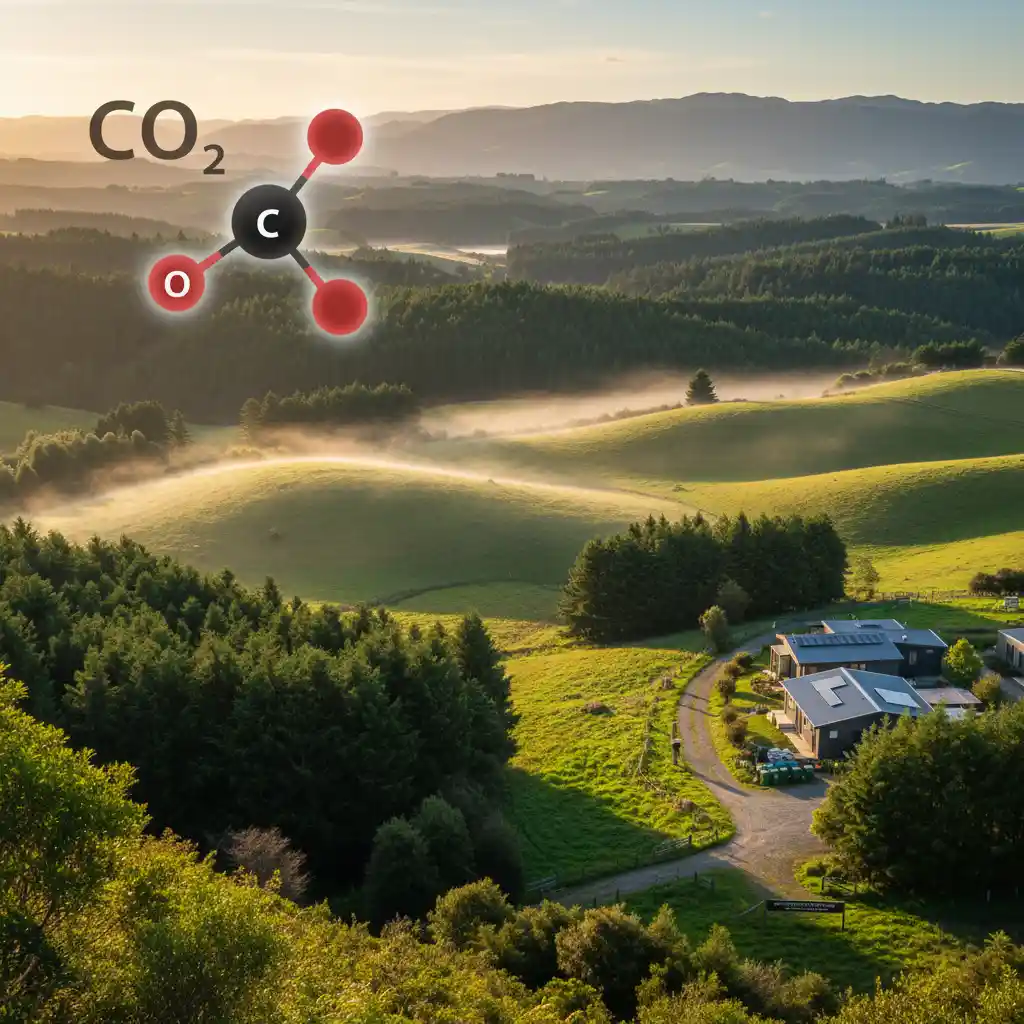
Unlocking Circular Economy: Boost Waste Reduction & Design for a Sustainable Aotearoa
Tired of the ‘take-make-dispose’ model? New Zealand is at a pivotal moment, shifting its focus from simply managing waste to reimagining our entire economic system. The circular economy offers a powerful framework to boost waste reduction, innovate product design, and create a truly sustainable future for Aotearoa. Join us as we explore how this transformative approach can benefit both our planet and our prosperity.
Table of Contents
- What is the Circular Economy? Beyond Recycling
- Why is a Circular Economy Crucial for New Zealand?
- Key Principles of Circular Design & Waste Reduction
- Empowering Consumers: Your Role in the Circular Shift
- The Road Ahead: Building a Circular New Zealand
- Conclusion: Embrace the Circular Future
- Frequently Asked Questions (FAQ)
- References & Sources
What is the Circular Economy? Beyond Recycling
At its core, the circular economy is an economic system aimed at eliminating waste and the continual use of resources. Unlike the traditional linear ‘take-make-dispose’ model, a circular approach keeps products, components, and materials at their highest utility and value at all times. It’s not just about recycling; it’s about redesigning everything from the ground up.
Imagine a world where products are designed for durability, reuse, repair, and eventual remanufacturing or composting. This paradigm shift requires innovation in design, new business models, and active participation from consumers. It’s a holistic approach that seeks to regenerate natural systems and build economic resilience.
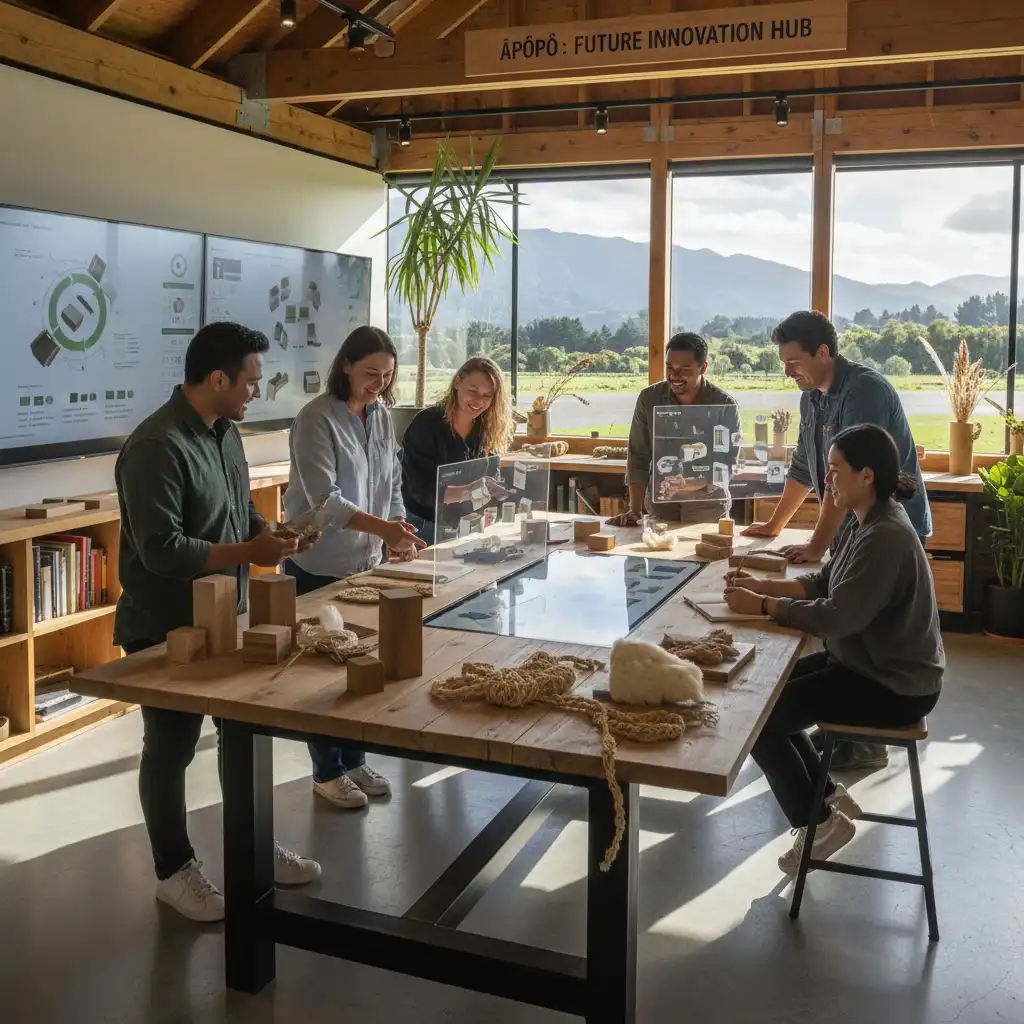
“The circular economy is a systemic approach to economic development designed to benefit businesses, society, and the environment. It is restorative and regenerative by design.” – Ellen MacArthur Foundation
Why is a Circular Economy Crucial for New Zealand?
For a nation like Aotearoa, with its pristine natural environment and strong connection to the land (kaitiakitanga), embracing the circular economy is not just an option, but a necessity. New Zealand faces significant challenges regarding waste generation and resource depletion, often relying heavily on imported goods and a linear consumption model.
Addressing Waste & Emissions
Our landfills are filling up, and the production of new goods contributes significantly to greenhouse gas emissions. A circular economy offers a direct pathway to reduce landfill waste, minimise pollution, and lower our carbon footprint by keeping resources in use longer.
Stat Callout: New Zealand’s Waste Challenge
Over 750 kg of waste is sent to landfill per person in New Zealand each year. Embracing circular principles could significantly cut this figure, conserving valuable resources and reducing environmental impact. (Source: Ministry for the Environment)
Economic Opportunities & Innovation
Beyond environmental benefits, the circular economy presents a wealth of economic opportunities for New Zealand. It fosters local innovation, creates new green jobs in areas like repair and remanufacturing, and builds a more resilient economy less dependent on volatile global supply chains. Businesses can discover new revenue streams by transforming ‘waste’ into valuable resources.
Key Principles of Circular Design & Waste Reduction
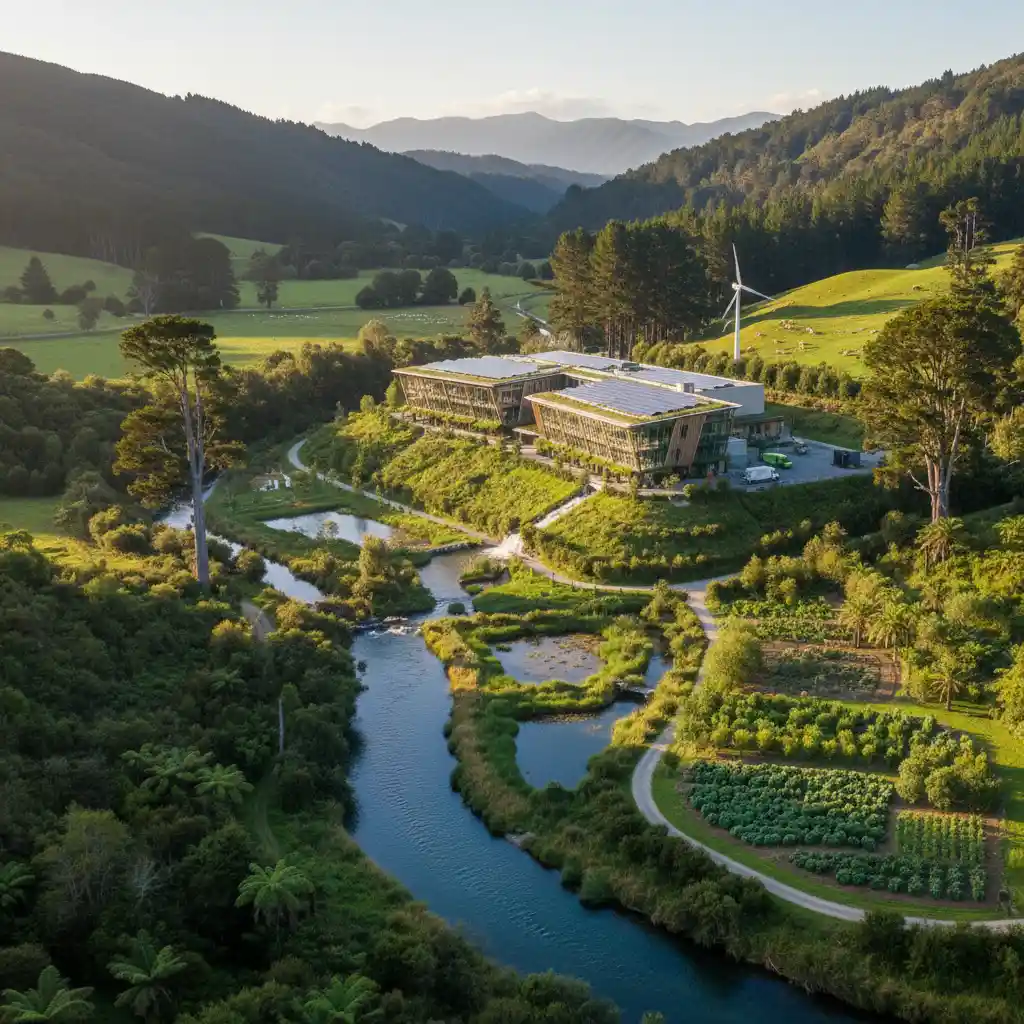
Unlocking Circular Economy truly begins at the design stage. By integrating circular principles from the outset, we can significantly boost waste reduction and ensure products and materials retain their value.
1. Design Out Waste and Pollution
This principle advocates for eliminating waste before it’s even created. It means choosing materials that are safe and renewable, designing products that can be easily disassembled, repaired, and recycled, and avoiding harmful chemicals.
2. Keep Products and Materials in Use
Maximise the lifespan of products and components through maintenance, repair, reuse, and remanufacturing. When a product reaches the end of its first life, its materials should be recovered and recirculated, not discarded. This includes modular design, allowing parts to be upgraded or replaced.
3. Regenerate Natural Systems
The circular economy aims to reduce reliance on finite resources and return valuable biological materials to the earth safely. This means using renewable energy, promoting biodiversity, and ensuring that products made from biological materials can harmlessly return to the biosphere, for instance, through composting.
Empowering Consumers: Your Role in the Circular Shift
While policy and industry drive much of the circular transformation, consumers hold significant power. Every purchasing decision, every repair, and every mindful disposal contributes to a more circular future. Here’s how you can play your part to boost waste reduction:
Action Checklist: Embrace Circular Living
- Choose Durability: Invest in products designed to last, even if they cost a little more upfront. Look for warranties and good reviews.
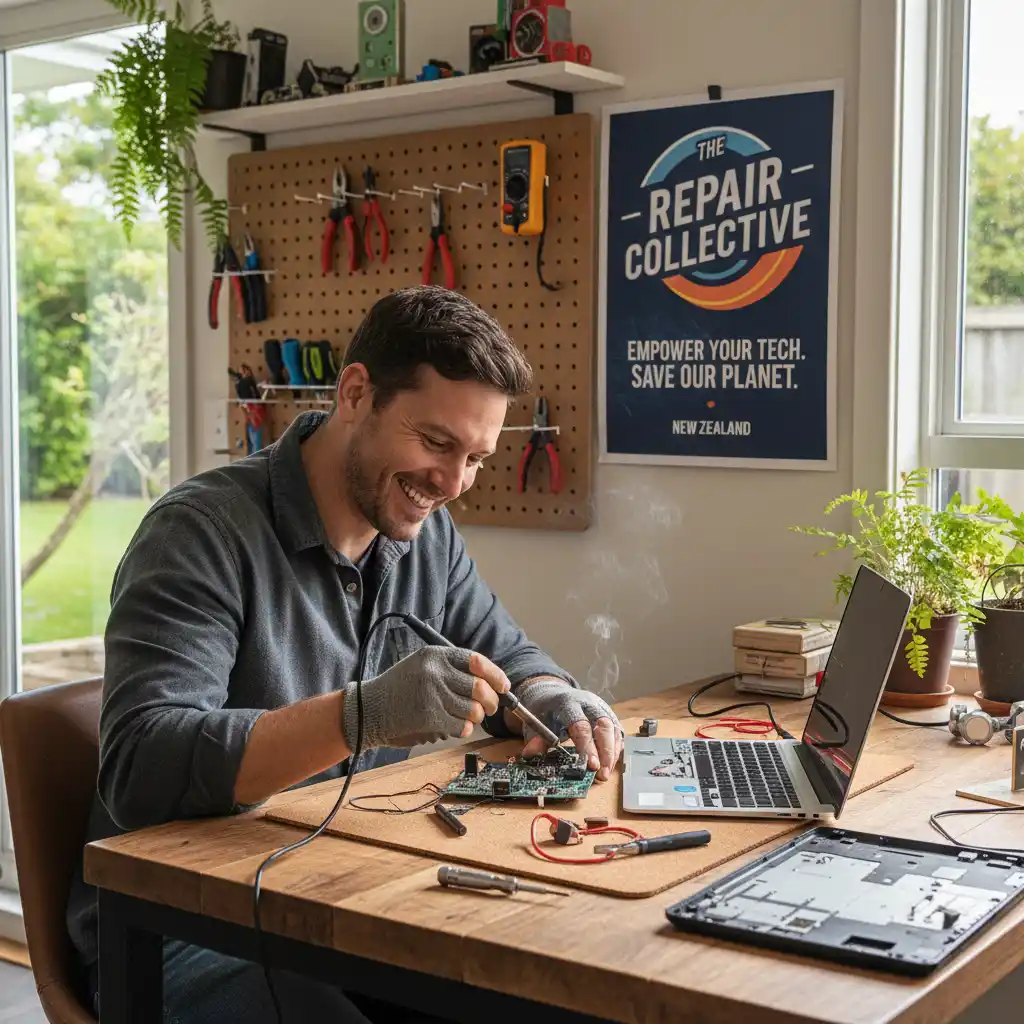
- Prioritise Repair: Before replacing a broken item, explore repair options. Support local repair shops or learn DIY fixes.
- Rent or Share: For items you use infrequently (e.g., tools, special occasion clothing), consider renting them or sharing with friends and neighbours.
- Buy Second-Hand: Give items a second life by shopping at op-shops, online marketplaces, or second-hand stores.
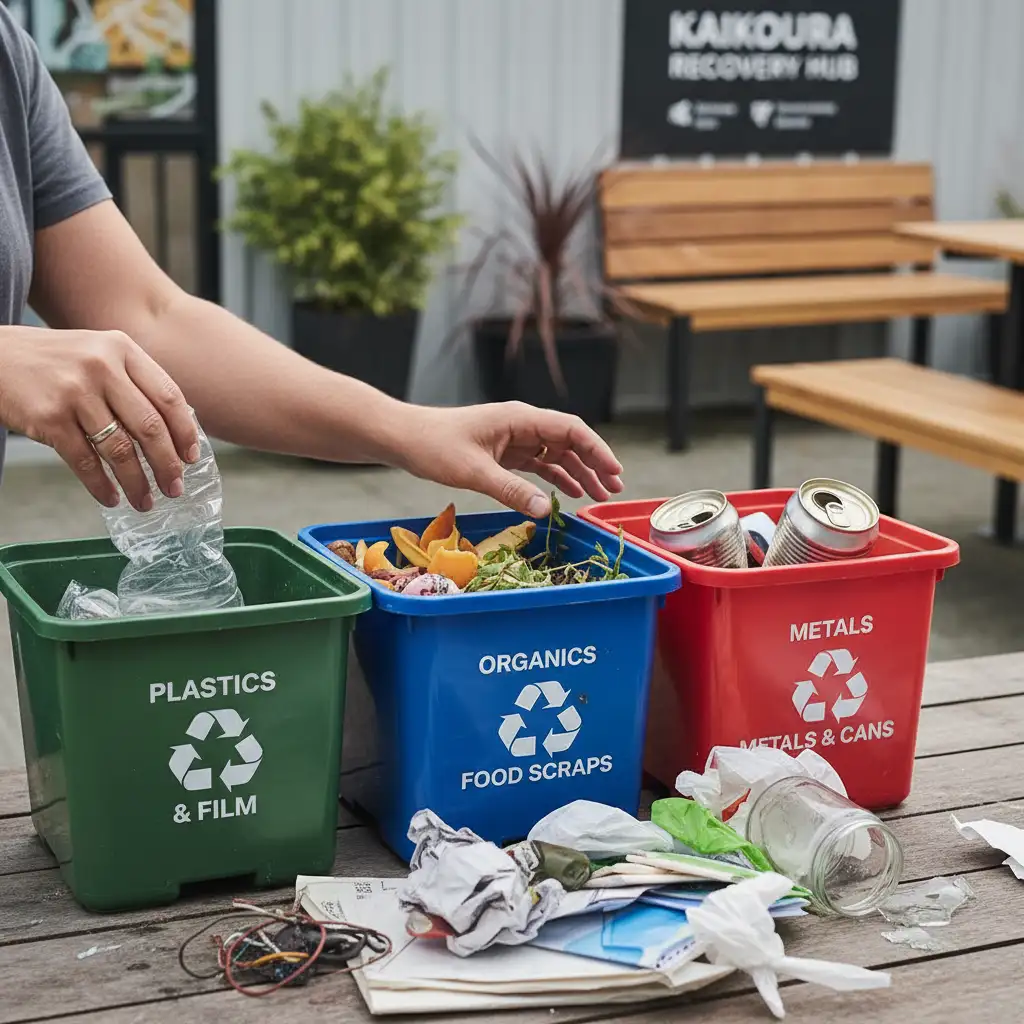
- Compost & Recycle Correctly: Understand your local waste systems. Separate your organics for composting and ensure your recyclables are clean and correctly sorted.
- Support Circular Businesses: Seek out companies that offer product take-back schemes, repair services, or use recycled content.
- Reduce Consumption: Simply buying less is one of the most effective ways to reduce your environmental footprint.
The Road Ahead: Building a Circular New Zealand
New Zealand is already seeing encouraging signs of a transition towards a circular economy. From innovative start-ups turning waste into new products to governmental initiatives supporting circular business models, the momentum is building. Future efforts will focus on:
- Policy Support: Developing regulations and incentives that favour circular practices, such as extended producer responsibility schemes.
- Infrastructure Development: Investing in facilities for sorting, recycling, composting, and remanufacturing.
- Education & Awareness: Empowering citizens and businesses with the knowledge and tools to participate effectively.
- Collaboration: Fostering partnerships between government, industry, academia, and communities to drive systemic change.
Stat Callout: Circular Economy Potential
Globally, transitioning to a circular economy could generate $4.5 trillion in economic benefits by 2030, while also reducing environmental pressures. New Zealand has a unique opportunity to capture a significant portion of these benefits through innovation and strategic investment. (Source: Accenture)
Conclusion: Embrace the Circular Future
The journey to Unlocking Circular Economy and truly boost waste reduction and design is a collective one. It’s about shifting our mindset from linear consumption to a regenerative system where waste is a resource, and every product has a prolonged life cycle. For New Zealand, this path promises not only a healthier environment but also a more innovative, resilient, and prosperous future. Let’s work together to build a circular Aotearoa.
Frequently Asked Questions (FAQ)
What’s the difference between a circular economy and recycling?
Recycling is a crucial part of the circular economy, but the circular economy is much broader. Recycling typically deals with materials at the end of a product’s life. A circular economy aims to eliminate waste and pollution from the start, keeping products and materials in use for as long as possible through design for durability, reuse, repair, and remanufacturing, with recycling as a last resort for material recovery.
How can I, as a consumer, best contribute to the circular economy in New Zealand?
You can contribute by making conscious purchasing decisions – choosing durable, repairable, and second-hand items. Prioritise repair over replacement, share or rent items you don’t use often, and ensure you’re composting and recycling correctly according to local guidelines. Supporting businesses committed to circular practices also makes a big difference.
Is the circular economy only about waste, or does it cover other areas?
While waste reduction is a central tenet, the circular economy is a holistic economic model. It encompasses sustainable resource management, renewable energy adoption, biodiversity protection, and the creation of new, resilient business models. It aims to decouple economic growth from finite resource consumption.
What role does technology play in the circular economy?
Technology is vital! It enables better tracking of materials (e.g., blockchain for supply chains), advanced recycling and remanufacturing processes, platforms for sharing and repair, and smart product design that facilitates disassembly and resource recovery. Digital tools help optimise resource use and extend product lifecycles.
References & Sources
- Ellen MacArthur Foundation. (n.d.). What is the Circular Economy? Retrieved from https://www.ellenmacarthurfoundation.org/circular-economy/what-is-the-circular-economy
- Ministry for the Environment. (2022). Waste and Resource Recovery. Retrieved from https://environment.govt.nz/facts-and-science/waste/
- Accenture. (2015). Circular Advantage: Innovative Business Models and Technologies to Create Value from Circularity. Retrieved from https://www.accenture.com/us-en/insight-circular-advantage
- Zero Waste Network Aotearoa. (n.d.). Circular Economy. Retrieved from https://www.zerowaste.co.nz/circular-economy/