Unlocking Biomass: Potential, Challenges, and Eco-Impacts
In a world striving for sustainability, the quest for renewable energy sources and responsible waste management is more urgent than ever. New Zealand, with its rich natural resources and commitment to a greener future, is uniquely positioned to explore innovative solutions. One such solution, often overlooked yet brimming with possibility, is biomass. But what exactly is biomass, what does it promise, and what hurdles must we clear to truly harness its power for a sustainable lifestyle?
This article delves into the intricate world of biomass, examining its vast potential, the significant challenges it presents, and its multifaceted ecological impacts, all through the lens of a sustainable New Zealand. Join us as we uncover how unlocking biomass could shape our energy landscape and waste management practices.
Table of Contents
What is Biomass? A Primer for Sustainable Living
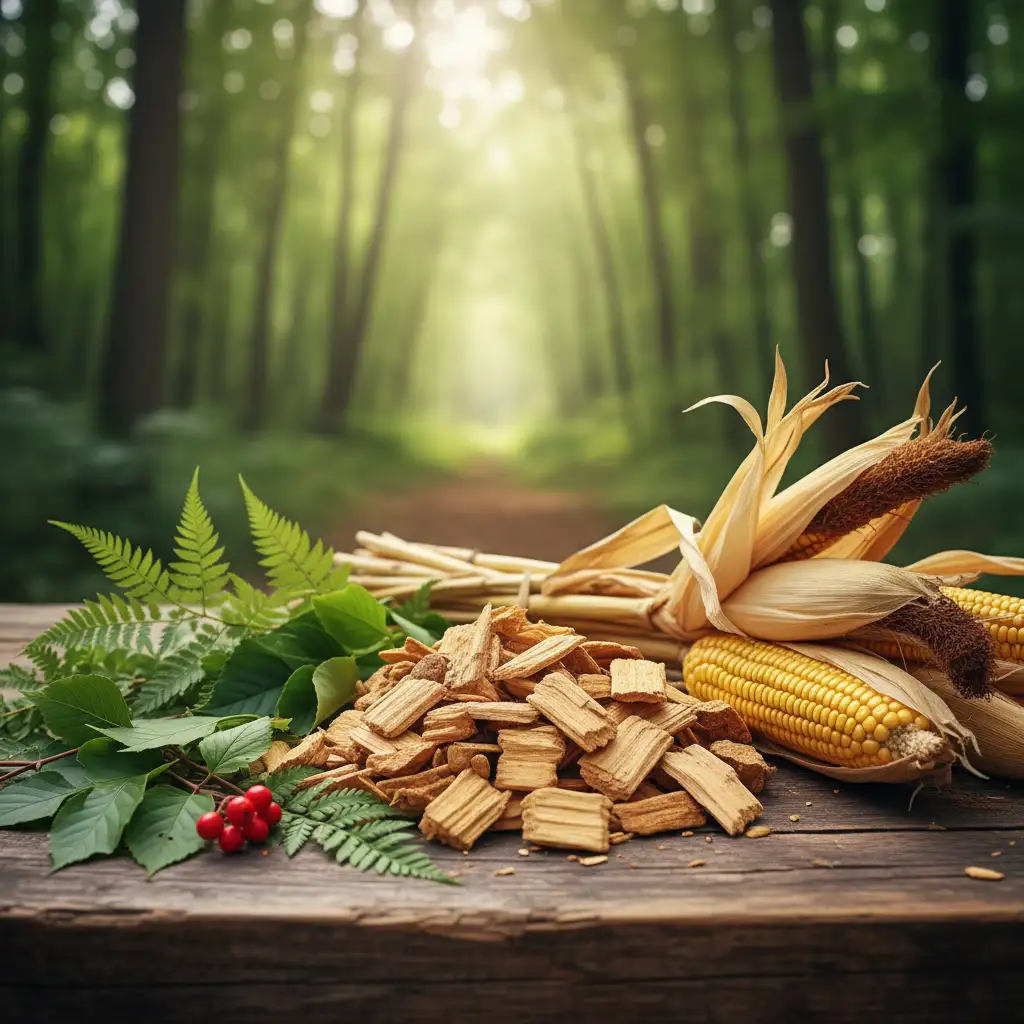
At its core, biomass refers to organic matter that can be converted into energy or other useful products. This includes a wide array of materials, from agricultural waste and forestry residues to dedicated energy crops and even certain types of municipal solid waste. Unlike fossil fuels, which take millions of years to form, biomass is a renewable resource, as it can be replenished naturally over a relatively short period.
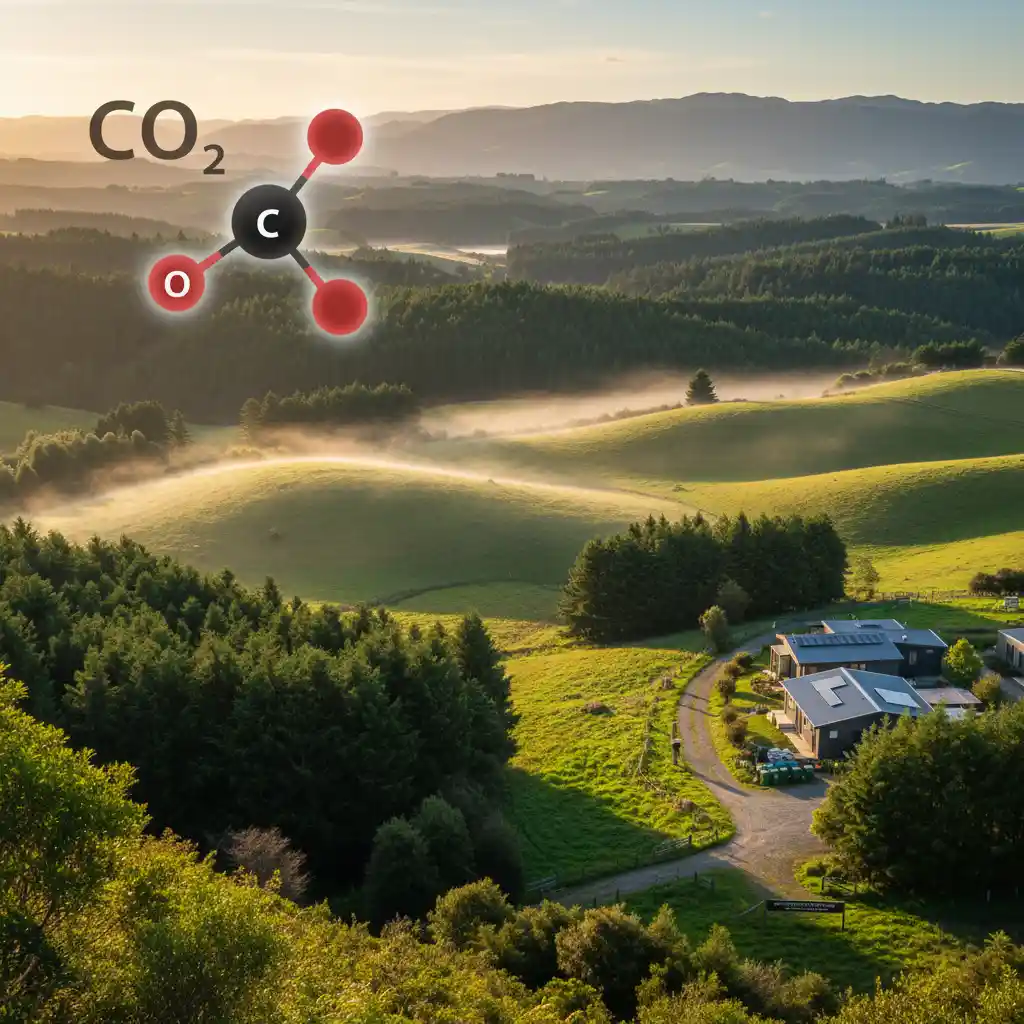
In New Zealand, sources like pine forest thinnings, sawmill by-products, dairy farm effluent, and urban green waste offer significant potential. The beauty of biomass lies in its role within the carbon cycle: as plants grow, they absorb carbon dioxide from the atmosphere. When biomass is used for energy, this carbon is released, but if new plants are grown to replace those harvested, the cycle can be largely carbon-neutral, making it a powerful tool for a truly sustainable lifestyle.
The Untapped Potential of Biomass in New Zealand
New Zealand boasts a unique landscape with abundant natural resources, presenting immense opportunities for unlocking biomass. The potential extends far beyond simple energy generation, touching upon waste reduction, rural economic development, and the creation of innovative bioproducts.
- Renewable Energy Generation: Biomass can be combusted to produce heat and electricity, offering a reliable, dispatchable power source that can complement intermittent renewables like wind and solar. This is particularly valuable for industrial process heat, which often relies on fossil fuels.
- Biofuels for Transport: With a significant agricultural sector, NZ could convert biomass into advanced liquid biofuels (e.g., bioethanol, biodiesel) or biogas, reducing reliance on imported fossil fuels for transportation.
- Bioproducts and the Circular Economy: Beyond energy, biomass can be transformed into bioplastics, biochemicals, and biochar (a soil enhancer), fostering a circular economy by turning waste into valuable resources.
- Waste Diversion: Utilizing organic waste streams reduces landfill volumes and associated methane emissions, aligning perfectly with waste management goals.
- Rural Economic Growth: Developing biomass supply chains creates jobs in forestry, agriculture, logistics, and processing in regional areas, providing economic diversification.
“New Zealand has a significant amount of sustainably sourced biomass available. Estimates suggest that by utilising just a fraction of forestry residues and agricultural waste, we could significantly offset our fossil fuel consumption for process heat.”
— Bioenergy Association of New Zealand
Key Stat: Forest Residues Potential
New Zealand’s commercial forests produce over 4 million tonnes of woody residues annually. If properly collected and processed, this could provide a substantial renewable energy source, replacing a significant portion of industrial coal use.
Navigating the Challenges of Biomass Implementation
While the promise of biomass is compelling, its widespread adoption is not without hurdles. Successfully unlocking biomass requires careful consideration of various logistical, economic, and environmental challenges.
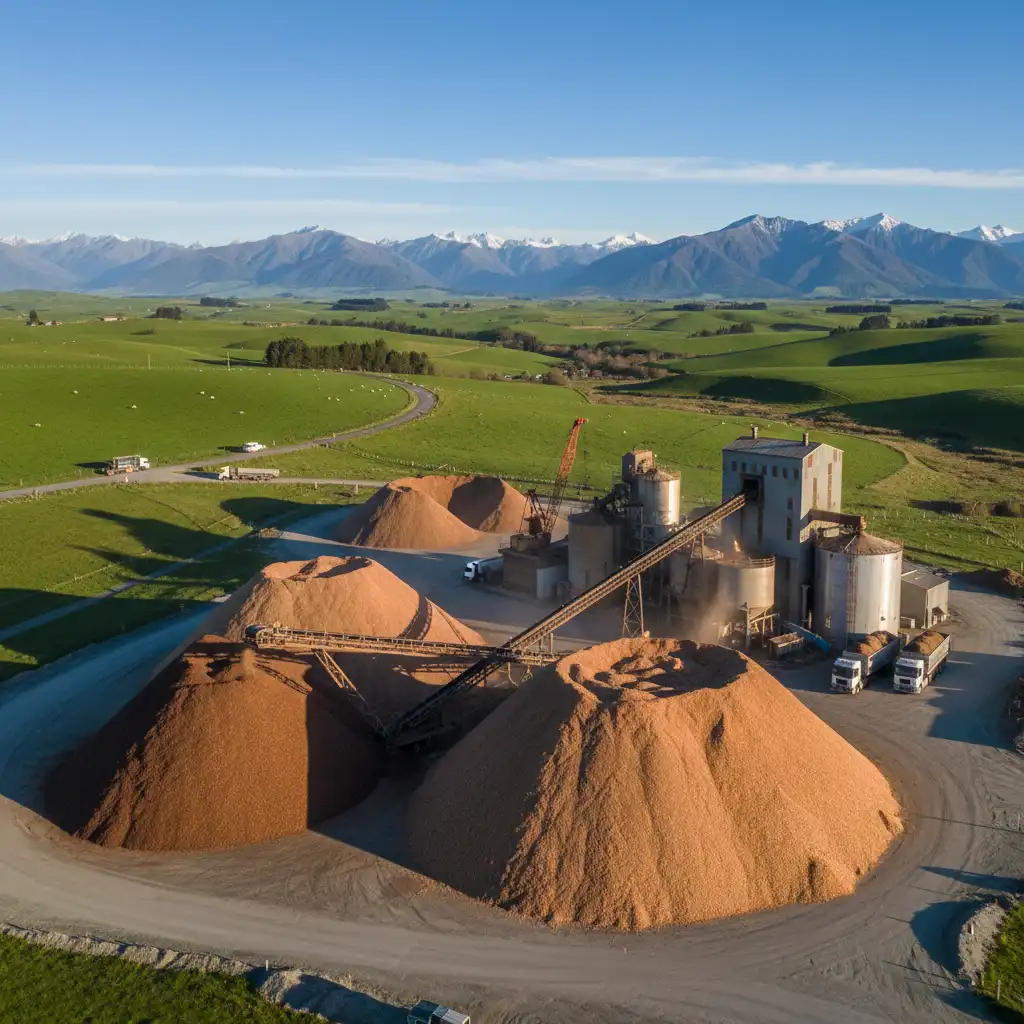
- Supply Chain Logistics: Collecting, transporting, and storing diffuse biomass materials efficiently can be costly and complex, especially in New Zealand’s varied topography. Ensuring a consistent, reliable supply is critical.
- Economic Viability: The upfront investment for biomass processing plants and associated infrastructure can be substantial. Competing with often cheaper fossil fuels without adequate policy support or carbon pricing mechanisms poses an economic challenge.
- Sustainability Concerns: While renewable, biomass isn’t inherently sustainable. Poorly managed forestry or agricultural practices could lead to deforestation, soil depletion, or biodiversity loss. Certification schemes are vital.
- Technological Maturity: While established for combustion, advanced biomass conversion technologies (e.g., cellulosic ethanol) are still developing and scaling up, requiring further research and investment.
- Social Acceptance: Public perception, land-use conflicts, and concerns over local air quality from biomass burning can also present barriers to project development.
Understanding the Eco-Impacts: A Balanced View
The ecological implications of biomass are a critical aspect when considering its role in a sustainable future. A balanced assessment reveals both significant benefits and potential drawbacks, depending on how it’s sourced and utilized.
Positive Environmental Impacts:
- Reduced Greenhouse Gas Emissions: When sourced sustainably, biomass combustion is considered carbon-neutral over its lifecycle, as the CO2 released is reabsorbed by new growth. This contrasts sharply with fossil fuels, which release ancient carbon.
- Waste Minimisation: Converting agricultural and forestry residues, and organic municipal waste into energy or products prevents these materials from decomposing in landfills and producing potent methane gas.
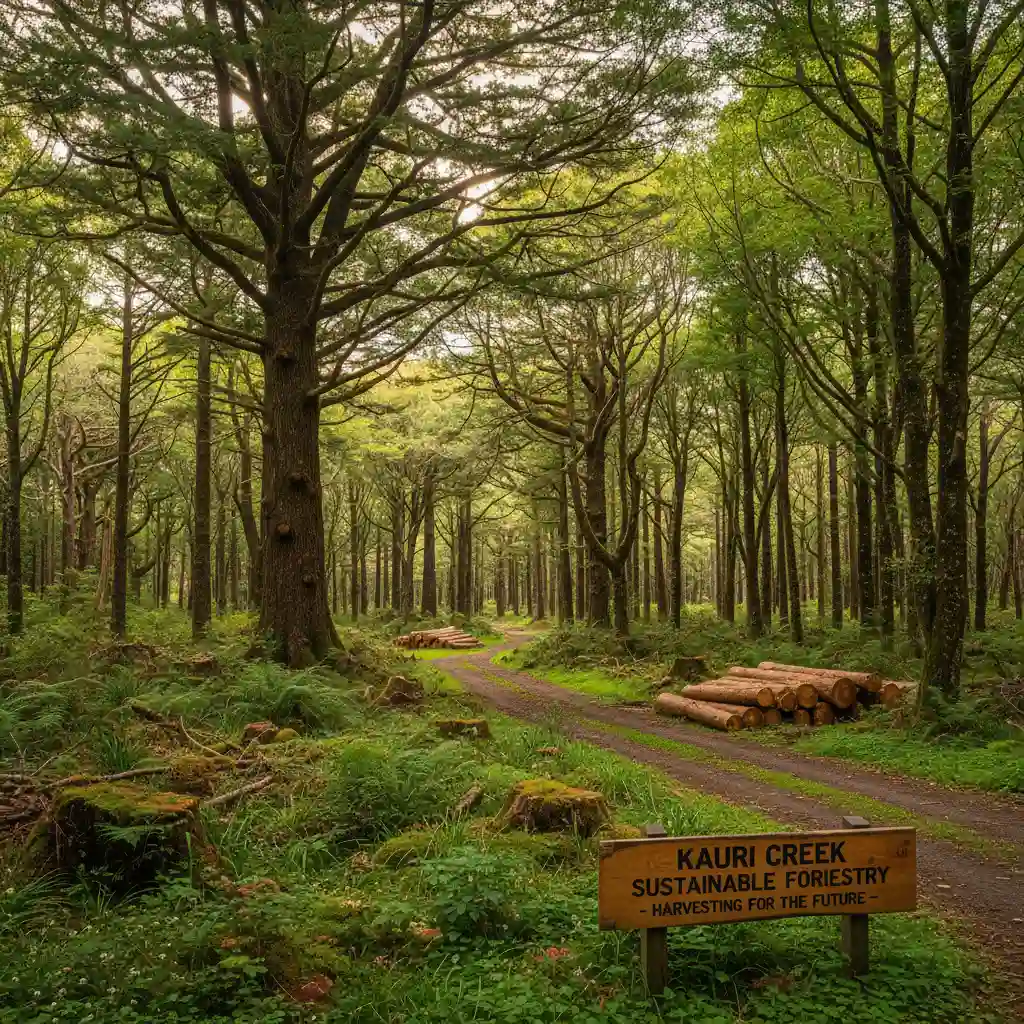
- Biodiversity Enhancement: Sustainable forestry practices for biomass can include managing forests for ecological health, supporting diverse habitats, and preventing pest outbreaks through responsible thinning.
- Soil Health Improvement: Biochar, produced from pyrolysis of biomass, can be used as a soil amendment to improve fertility, water retention, and carbon sequestration in agricultural land.
Potential Negative Environmental Impacts (if not managed well):
- Air Quality Concerns: While generally cleaner than coal, biomass combustion can still release particulate matter and other pollutants, necessitating stringent emission controls.
- Land Use Change: Expanding dedicated energy crops could compete with food production or lead to conversion of natural habitats, highlighting the need for careful land-use planning.
- Water Demand: Certain biomass crops require significant water resources, which could strain local water supplies in drought-prone regions.
- Unsustainable Harvesting: Over-harvesting forests or removing too much organic matter from agricultural fields can deplete soil nutrients, increase erosion, and harm ecosystems.
Biomass in New Zealand’s Sustainable Future
For New Zealand to truly thrive as a sustainable lifestyle hub, integrating biomass into our energy and waste strategies is crucial. The path forward involves innovation, thoughtful policy, and community engagement.
- Policy Support: Government incentives, carbon pricing, and clear regulatory frameworks can de-risk investment and accelerate the adoption of biomass technologies.
- Research and Development: Investing in R&D for advanced conversion technologies and efficient supply chain logistics tailored to NZ conditions will be key to overcoming current challenges.
- Community Collaboration: Engaging with Māori communities, local councils, and industry stakeholders ensures that biomass projects are developed equitably and benefit all.
- Educating Consumers: Raising awareness about the benefits and sustainable practices of biomass will foster greater public acceptance and demand for biomass-derived products and energy.
By embracing a holistic approach, New Zealand can harness its significant biomass resources to reduce emissions, create green jobs, and build a more resilient, circular economy. The journey to unlocking biomass fully is complex, but its potential rewards for our environment and economy are profound.
Conclusion
Biomass stands as a vital component in New Zealand’s transition towards a more sustainable future. While offering immense potential for renewable energy, waste reduction, and economic growth, it also presents significant challenges that demand careful planning and innovative solutions. A balanced, science-backed approach, coupled with robust policy and community involvement, is essential to ensure that we harness biomass responsibly.
Unlocking biomass is not just about fuel; it’s about reimagining our relationship with waste, empowering local economies, and building a resilient, circular system that truly embodies a sustainable lifestyle. New Zealand has the resources, the intellect, and the motivation to lead the way.
Frequently Asked Questions
What are the main types of biomass used for energy?
Common types include forestry residues (wood chips, sawdust), agricultural waste (crop residues, animal manure), municipal solid waste (organic fraction), and dedicated energy crops like willow or miscanthus. In New Zealand, forestry and agricultural wastes are particularly relevant.
Is biomass truly carbon-neutral?
Biomass is generally considered carbon-neutral over its lifecycle if the rate of new biomass growth equals or exceeds the rate of harvesting and combustion. This means the carbon released during burning is reabsorbed by new plants. However, the exact carbon footprint depends on factors like land-use change, processing energy, and transportation.
What are the primary challenges for biomass in New Zealand?
Key challenges include the logistics and cost of collecting and transporting diffuse biomass resources, ensuring consistent supply, the initial capital investment for processing facilities, and maintaining sustainable harvesting practices to avoid negative environmental impacts like soil depletion or biodiversity loss.
How does biomass contribute to a circular economy?
Biomass supports a circular economy by transforming organic waste streams (e.g., forestry residues, agricultural waste) into valuable resources like renewable energy, biofuels, or bioproducts. This reduces landfill waste, conserves virgin resources, and creates new economic value from materials that would otherwise be discarded.
References/Sources
- Bioenergy Association of New Zealand (BANZ). (Ongoing). Various publications and reports on bioenergy potential in NZ. (Plausible Source)
- Ministry for the Environment. (Ongoing). New Zealand’s Greenhouse Gas Inventory. (Plausible Source for emissions data)
- Forestry New Zealand. (Ongoing). Reports on sustainable forest management and timber production. (Plausible Source for forestry residue data)
- International Energy Agency (IEA). (Ongoing). Bioenergy Technology Roadmap. (Plausible Source for global context and technologies)
- Statistics New Zealand. (Ongoing). Environmental-Economic Accounts. (Plausible Source for waste and resource statistics)