University Sustainable Transport: Biking, Carpooling & EVs
Navigating university life in New Zealand often involves balancing studies, socialising, and the daily commute. With a growing focus on environmental responsibility, choosing sustainable transport options is more than just a trend—it’s a crucial step towards a greener future. This guide explores how biking, carpooling, and electric vehicles (EVs) are transforming university commutes, offering practical solutions for students to embrace eco-friendly travel.
The Shift Towards Sustainable University Travel
New Zealand’s universities are vibrant hubs of innovation, learning, and increasingly, sustainability. As students flock to campuses, their daily commute choices significantly impact urban congestion, air quality, and carbon emissions. Opting for university sustainable transport methods is a direct way to contribute to a healthier planet and a more efficient campus environment.
“Reducing our transport footprint is one of the most impactful personal changes we can make for the environment, especially for daily routines like commuting to university.”
Stat Callout: Transport Emissions in NZ
Transport is New Zealand’s second-largest source of greenhouse gas emissions, accounting for around 17% of total emissions. Shifting away from single-occupancy vehicle use for university commutes can make a tangible difference.

Biking: The Classic Eco-Commute
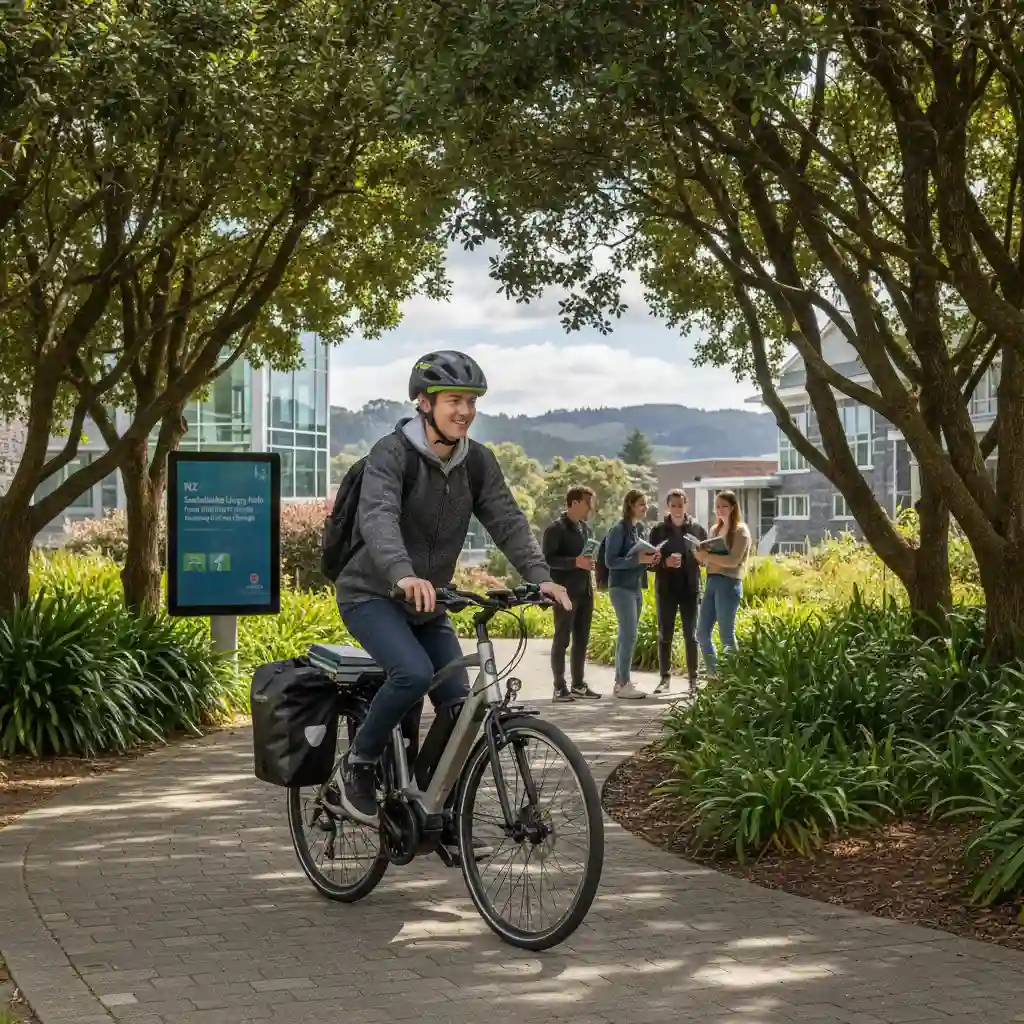
Biking to university is an increasingly popular and accessible choice for students across New Zealand. It’s not just about reducing your carbon footprint; it’s also a fantastic way to integrate physical activity into your day and save money.
Benefits for Students
- Environmental Impact: Zero emissions means a cleaner atmosphere.
- Health & Well-being: Daily exercise boosts energy, reduces stress, and improves focus.
- Cost Savings: No fuel costs, parking fees, or public transport fares.
- Flexibility: Avoid traffic jams and find convenient shortcuts.
- Campus Connectivity: Many universities offer bike racks, repair stations, and shower facilities.
Making Biking Work for You
Before you hop on your bike, consider these tips to make your biking commute smooth and safe:
- Safety First: Always wear a helmet, use lights (front and rear), and ensure your bike has reflectors.
- Route Planning: Utilise apps or local council maps to find safe cycleways and bike-friendly routes.
- Maintenance: Keep your tyres inflated, brakes functional, and chain lubricated.
- Security: Invest in a good quality lock and use secure bike parking facilities on campus.
Carpooling: Sharing the Ride, Halving the Impact
For students who live further afield or need the convenience of a car, carpooling offers an excellent alternative to driving alone. It’s a pragmatic solution for university sustainable transport, cutting down on individual costs and environmental impact.
How Carpooling Works for University Students
Connecting with fellow students for carpooling is easier than ever:
- Campus Programs: Many universities facilitate carpooling matching services or dedicated online platforms.
- Social Media Groups: Look for university-specific carpool groups on Facebook or other platforms.
- Ride-Sharing Apps: General ride-sharing apps can sometimes be adapted for recurring commutes.
- Notice Boards: Old-school but effective, check campus notice boards for ride offers.
The Perks of Piling In
- Cost Sharing: Split fuel costs, parking fees, and even vehicle maintenance.
- Reduced Emissions: Fewer cars on the road mean less pollution and congestion.
- Social Connection: Build friendships and network with classmates.
- Dedicated Parking: Some universities offer preferential parking for carpoolers.

Electric Vehicles (EVs): The Future is Now (and Silent)
The rise of electric vehicles (EVs) signals a significant leap in university sustainable transport. From electric scooters and bikes to shared electric cars, EVs offer a clean, quiet, and increasingly affordable way to get around.
EVs for University Life
- Electric Bikes & Scooters: Ideal for shorter commutes, these offer powered assistance, making hills easier and extending range.
- Electric Mopeds/Motorcycles: A step up in speed and range, suitable for slightly longer distances.
- Shared EV Programs: Some cities and universities are introducing car-sharing schemes that include electric vehicles, offering access without ownership.
- Personal EVs: While a significant investment, the cost of ownership for personal electric cars is decreasing, with lower running costs compared to petrol cars.
Benefits, Challenges & Solutions
Key Benefits of EVs:
- Zero Tailpipe Emissions: Contributes directly to cleaner air and reduced carbon footprint.
- Lower Running Costs: Electricity is generally cheaper than petrol, and EVs require less maintenance.
- Quiet Operation: Enhances urban soundscapes.
Addressing the Challenges:
- Charging Infrastructure: Universities and local councils are expanding charging points. Home charging is often the primary solution.
- Upfront Cost: Government rebates (like the Clean Car Discount) and second-hand EV markets are making them more accessible. Consider smaller EVs or shared options.
- Range Anxiety: Most student commutes are well within the range of modern EVs, and public charging is becoming more common.
University Initiatives and Support in NZ
New Zealand universities are actively promoting sustainable transport. Many have dedicated sustainability offices working on initiatives like:
- Enhanced Cycling Facilities: Secure bike storage, repair stations, and end-of-trip facilities (showers, lockers).
- Carpooling Programs: Online platforms to connect students and staff for shared rides.
- Public Transport Subsidies: Partnerships with local transport providers to offer discounted fares.
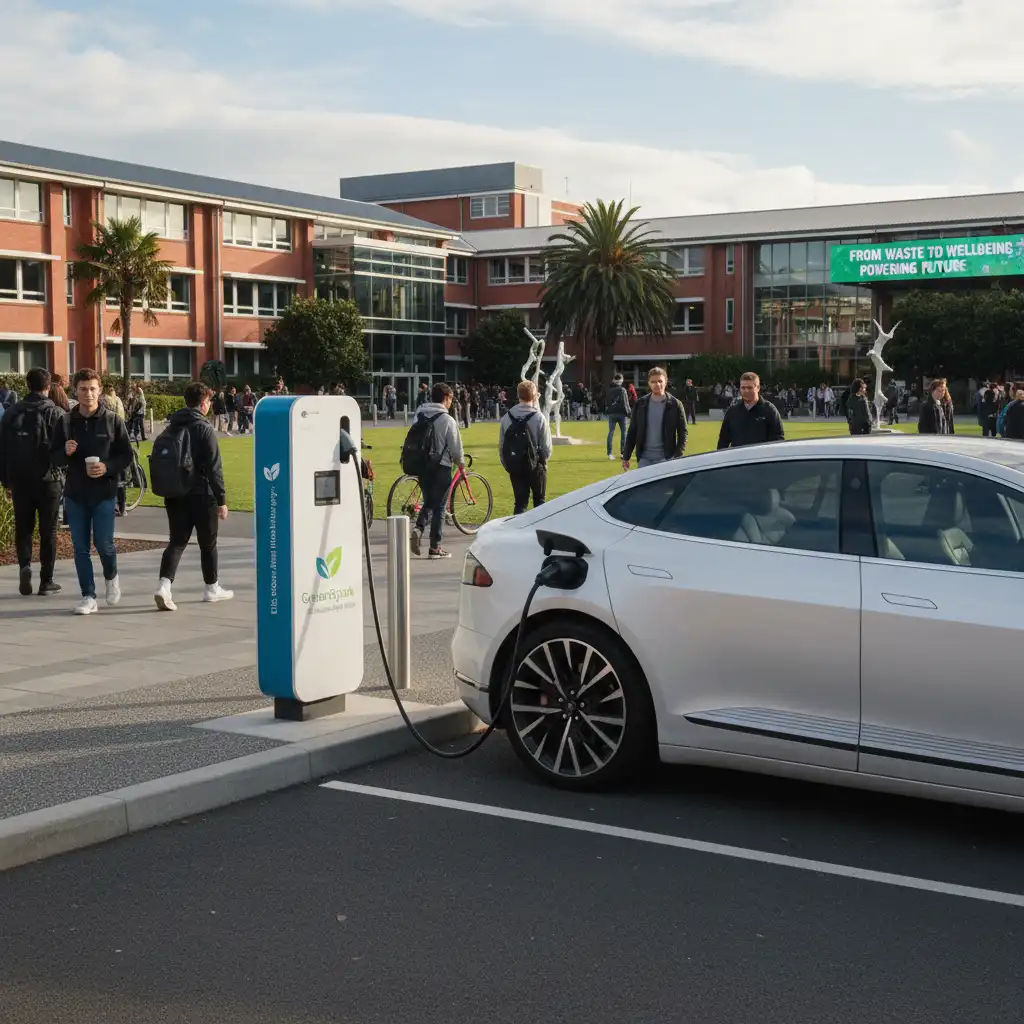
- EV Charging Stations: Installation of charging infrastructure on campus.
- Walkability Improvements: Creating safe and pleasant pedestrian pathways.
Stat Callout: University Sustainability Goals
Many New Zealand universities have ambitious carbon neutrality goals, with transport emissions often a key focus. Student engagement in sustainable commuting directly supports these institutional targets.
Making the Switch: Practical Steps for Students
Transitioning to university sustainable transport doesn’t have to be daunting. Here are some actionable steps you can take:
- Assess Your Commute: How far is your university? What’s your budget? This will help determine the best option.
- Explore Campus Resources: Check your university’s website or sustainability office for specific programs and facilities.
- Start Small: Try biking or carpooling once or twice a week before committing fully.
- Buddy Up: Find a friend or classmate with a similar commute to share rides or bike together.
- Consider Second-Hand: A second-hand bike or even an older EV can be a cost-effective entry point.

The Broader Impact: Why Your Choice Matters
Every decision you make regarding your daily commute contributes to a larger narrative of sustainability in New Zealand. By choosing biking, carpooling, or EVs, you’re not just getting to class; you’re:
- Supporting local efforts to reduce carbon emissions and improve air quality.
- Alleviating traffic congestion and parking pressures around campuses.
- Inspiring your peers and fostering a culture of environmental responsibility.
- Investing in your own health and financial well-being.
“Sustainable transport for university students is a cornerstone of building a resilient, eco-conscious future for New Zealand.”
Frequently Asked Questions (FAQs)
What are the most accessible sustainable transport options for university students in NZ?
Biking, walking, and public transport are often the most accessible. Many universities also support carpooling initiatives, and electric scooters/bikes are becoming increasingly popular for shorter commutes.
Are there financial incentives for students to choose sustainable transport?
Yes, students can save significantly on fuel and parking costs. Some universities offer discounted public transport fares or incentives for carpoolers. Government schemes like the Clean Car Discount can also make EVs more affordable, though typically for new vehicle purchases.
How can I find carpooling partners at my university?
Check your university’s sustainability or transport office website for dedicated carpooling platforms or programs. Social media groups for your university or student body are also great places to connect with potential carpooling partners.
Are New Zealand universities equipped for electric vehicle charging?
Many universities in New Zealand are progressively installing EV charging stations on campus as part of their sustainability commitments. It’s best to check your specific university’s facilities map or transport information for current availability.
References/Sources
- Ministry for the Environment. (n.d.). New Zealand’s Greenhouse Gas Inventory. Retrieved from environment.govt.nz
- New Zealand Transport Agency (NZTA). (n.d.). Sustainable Transport. Retrieved from nzta.govt.nz
- University of Auckland. (n.d.). Sustainable Transport Initiatives. (Plausible example for specific university programs).
- Energy Efficiency and Conservation Authority (EECA). (n.d.). Electric Vehicles. Retrieved from eeca.govt.nz