Understanding Climate Change: Impacts and Solutions for NZ
Climate change is arguably the most defining challenge of our generation. Its global ramifications are well-documented, but for New Zealand, an island nation uniquely reliant on its natural environment and primary industries, the impacts are profoundly personal. From our stunning coastlines to our fertile farmlands, the shifts are already being felt.
This article aims to provide a clear, authoritative, yet approachable guide to understanding climate change: impacts and solutions for NZ. We’ll explore the science, detail the specific challenges facing Aotearoa, and illuminate the practical, sustainable pathways we can all embrace to foster a more resilient future.
Table of Contents
- 1. What Exactly is Climate Change?
- 2. Global Impacts of a Warming World
- 3. Climate Change Impacts on New Zealand: Aotearoa’s Reality
- 4. Understanding Solutions: Mitigation vs. Adaptation
- 5. Global Solutions and International Efforts
- 6. New Zealand’s Climate Action: Policies and Progress
- 7. Empowering Your Sustainable Lifestyle in NZ
- 8. Towards a Resilient Aotearoa
- 9. Frequently Asked Questions (FAQ)
- 10. References / Sources
1. What Exactly is Climate Change?
At its core, climate change refers to significant, long-term shifts in global weather patterns. While Earth’s climate has always fluctuated naturally, the scientific consensus is clear: the rapid changes observed since the mid-20th century are primarily due to human activities, particularly the emission of greenhouse gases (GHGs) like carbon dioxide (CO2) and methane (CH4).
These gases, released from burning fossil fuels (coal, oil, gas) for energy, industry, and transport, as well as agricultural practices and deforestation, trap heat in the atmosphere. This intensifies the natural greenhouse effect, leading to a warming planet – often referred to as global warming – and a cascade of interconnected environmental challenges.

2. Global Impacts of a Warming World
The effects of climate change are not confined to specific regions; they are a global phenomenon. We are witnessing:
- Rising Sea Levels: Caused by melting glaciers and ice sheets, and the thermal expansion of warming ocean water, threatening coastal communities worldwide.
- Extreme Weather Events: An increase in the frequency and intensity of heatwaves, droughts, floods, and storms.
- Ocean Acidification: As oceans absorb more CO2, their chemistry changes, endangering marine life, particularly coral reefs and shellfish.
- Biodiversity Loss: Habitats are shifting or disappearing, pushing many species towards extinction.
- Food and Water Scarcity: Disrupted weather patterns impact agriculture and freshwater supplies, leading to potential humanitarian crises.
3. Climate Change Impacts on New Zealand: Aotearoa’s Reality
New Zealand is particularly vulnerable to the impacts of a changing climate. Our long coastline, reliance on agriculture, and unique biodiversity mean we face distinct challenges:
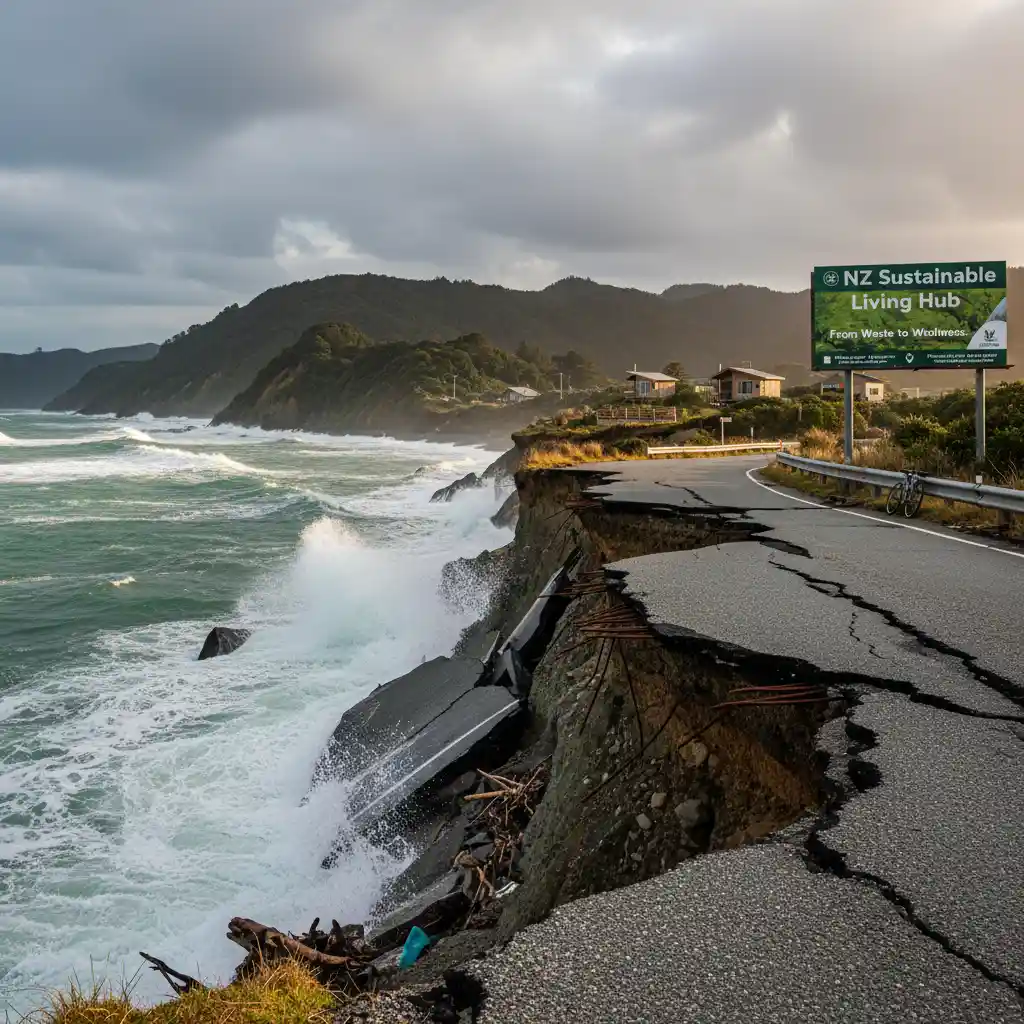
- Coastal Erosion and Inundation: Rising sea levels directly threaten low-lying coastal towns, infrastructure, and Māori urupā (burial grounds).
- Glacier Retreat: Our iconic Southern Alps glaciers are shrinking rapidly, impacting tourism and freshwater reserves.
- Agricultural Vulnerability: Increased droughts in some regions, and more intense rainfall and flooding in others, threaten pastoral farming and horticulture – cornerstones of our economy.
- Impacts on Indigenous Species: Many of New Zealand’s endemic plants and animals are highly sensitive to temperature changes and habitat disruption.
- Ocean Warming and Acidification: Affecting our fisheries and unique marine ecosystems.
Key Statistic: New Zealand has experienced a warming of approximately 1.13°C since 1909, with recent decades showing the fastest warming trend. (NIWA)
4. Understanding Solutions: Mitigation vs. Adaptation
Addressing climate change requires a two-pronged approach:
- Mitigation: Reducing greenhouse gas emissions to slow or halt global warming. This involves transitioning to renewable energy, improving energy efficiency, and protecting carbon sinks like forests.
- Adaptation: Adjusting to the impacts of climate change that are already inevitable. This includes building sea walls, developing drought-resistant crops, and improving early warning systems for extreme weather.
“Climate change is a global problem with local solutions. Every action, no matter how small, contributes to the collective effort for a sustainable future.”
5. Global Solutions and International Efforts
International cooperation is crucial. Agreements like the Paris Agreement set targets for countries to reduce emissions. Global solutions include:
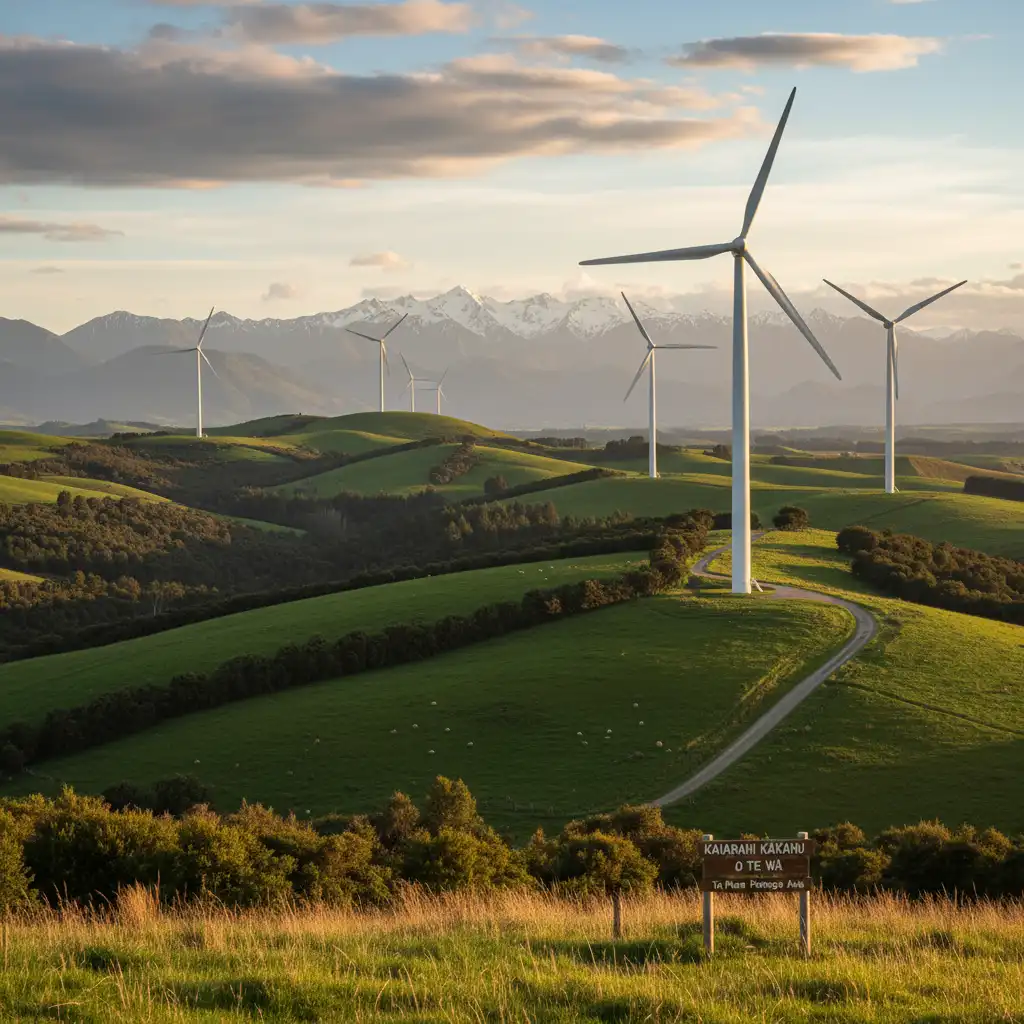
- Transition to Renewable Energy: Investing in solar, wind, geothermal, and hydro power to replace fossil fuels.
- Energy Efficiency: Improving technology and practices in homes, transport, and industry to use less energy.
- Sustainable Land Use: Protecting and restoring forests, promoting regenerative agriculture, and managing waste effectively.
- Innovation and Technology: Developing new solutions for carbon capture, green hydrogen, and sustainable materials.
6. New Zealand’s Climate Action: Policies and Progress
New Zealand is committed to reducing emissions and adapting to climate change. Key initiatives include:
- Zero Carbon Act: Setting ambitious targets, including net-zero long-lived greenhouse gases by 2050.
- Emissions Trading Scheme (ETS): A market-based mechanism to put a price on carbon emissions.
- Investment in Green Transport: Promoting electric vehicles, public transport, and cycling infrastructure.
- Climate Adaptation Plan: Developing strategies to help communities and infrastructure cope with inevitable changes.
- Support for Regenerative Agriculture: Exploring farming practices that improve soil health and sequester carbon.
Key Statistic: New Zealand generates over 80% of its electricity from renewable sources, a high proportion globally, but transport and agriculture remain significant emission challenges. (MBIE)
7. Empowering Your Sustainable Lifestyle in NZ
While government policies are vital, individual choices collectively drive significant change. Here’s how you can contribute to understanding climate change: impacts and solutions for NZ, and making a difference:
- Reduce Energy Consumption: Switch to energy-efficient appliances, insulate your home, and turn off lights.
- Sustainable Transport: Walk, cycle, use public transport, or consider an electric vehicle. Fly less where possible.
- Mindful Consumption: Reduce, reuse, recycle, and repair. Choose products with minimal environmental impact.
- Support Local and Sustainable: Buy seasonal produce from local farmers, opt for businesses committed to sustainability.
- Dietary Choices: Consider reducing meat and dairy consumption, which have higher carbon footprints.
- Advocate for Change: Engage with local councils, support climate-friendly policies, and educate others.
- Water Conservation: Be mindful of water usage, especially during droughts.
Key Statistic: Food waste in New Zealand contributes significantly to landfill emissions, with an average household throwing away 122kg of food annually. (Love Food Hate Waste NZ)

8. Towards a Resilient Aotearoa
Understanding climate change: impacts and solutions for NZ is not just an academic exercise; it’s a call to action. The challenges are significant, but so is our collective capacity for innovation, adaptation, and positive change. By embracing sustainable practices, supporting robust climate policies, and fostering a deep connection to our environment, we can work together to secure a thriving, resilient future for Aotearoa and beyond.
9. Frequently Asked Questions (FAQ)
Q: What is the main cause of climate change in New Zealand?
A: While global emissions drive overall climate change, New Zealand’s unique emissions profile includes significant contributions from agriculture (methane and nitrous oxide) and transport (carbon dioxide from fossil fuels).
Q: How will rising sea levels affect NZ’s coastal areas?
A: Rising sea levels will lead to increased coastal erosion, more frequent and severe flooding, saltwater intrusion into freshwater sources, and the loss of low-lying land, impacting homes, infrastructure, and cultural sites.
Q: What can individuals do to help with climate change in New Zealand?
A: Individuals can make a difference by reducing energy consumption, choosing sustainable transport, minimizing waste, opting for plant-rich diets, supporting local sustainable businesses, and advocating for climate action.
Q: Is New Zealand on track to meet its climate targets?
A: New Zealand has set ambitious targets under the Zero Carbon Act. While progress is being made in some sectors, particularly renewable electricity, significant challenges remain, especially in reducing agricultural and transport emissions. Continuous effort and policy refinement are crucial.
10. References / Sources
- NIWA: How much has New Zealand warmed over the last century?
- Ministry of Business, Innovation & Employment (MBIE) – Energy in New Zealand
- Ministry for the Environment (MfE) – Climate Change
- Love Food Hate Waste NZ – The Problem with Food Waste
- Intergovernmental Panel on Climate Change (IPCC) – Sixth Assessment Report
- New Zealand Parliament – Climate Change Response (Zero Carbon) Amendment Bill