In a world increasingly seeking sustainable solutions, the ancient wisdom of Aotearoa New Zealand offers profound lessons. The Māori people, the indigenous inhabitants of this land, have long lived in harmony with their environment, developing a rich tapestry of practices deeply rooted in sustainability. These māori sustainable practices are not merely historical relics; they are living traditions that hold immense value for modern sustainable living.
From understanding the rhythms of the moon to respecting the forests and waters, Māori traditions offer a holistic framework for environmental stewardship. This article delves into these powerful practices, exploring how they embody principles of balance, reciprocity, and long-term well-being for both people and planet.
Table of Contents
- 1. Maramataka: The Māori Lunar Calendar and Planting
- 2. Rongoā Māori: Traditional Plant Medicine and Forest Health
- 3. Kai Ora: Sustainable Food Gathering and Preparation
- 4. Weaving (Harakeke) and Sustainable Resource Use
- 5. Oral Traditions and Environmental Education
- 6. Frequently Asked Questions (FAQ)
Maramataka: The Māori Lunar Calendar and Planting
At the heart of many māori sustainable practices lies the Maramataka, the Māori lunar calendar. Far more than just a time-keeping device, the Maramataka is a complex system that guides daily life, agricultural practices, fishing, and foraging based on the phases of the moon and the changing seasons. It reflects a deep understanding of natural cycles and interconnectedness.
By observing the Maramataka, Māori knew the optimal times for planting specific crops like kūmara (sweet potato), gathering kai moana (seafood), or engaging in other activities to ensure the abundance and sustainability of resources. This intuitive calendar fostered a relationship of respect and careful management with the environment, rather than exploitation.
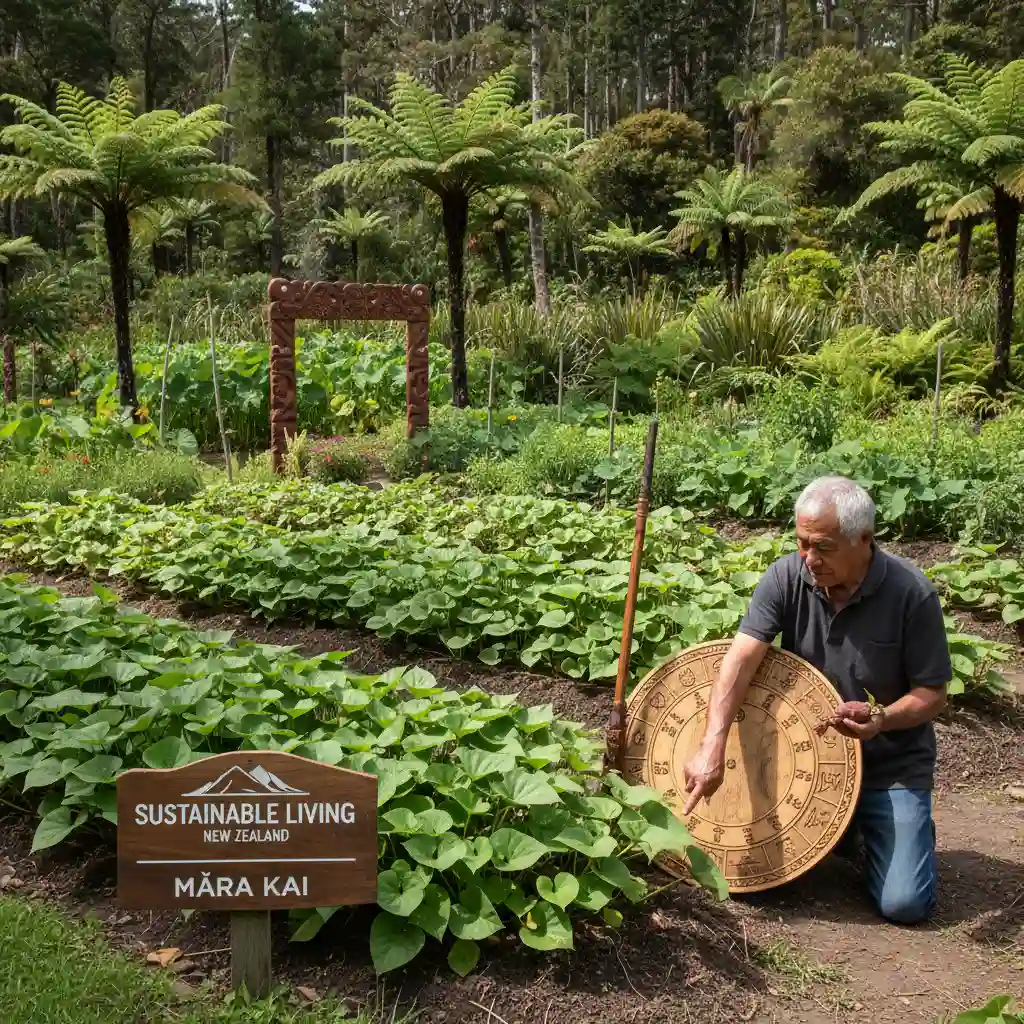
Stat Callout:
Over 80% of traditional Māori agricultural activities were timed according to the Maramataka, maximizing yields and minimizing resource strain by aligning with natural growth cycles.
Rongoā Māori: Traditional Plant Medicine and Forest Health
Rongoā Māori encompasses the traditional healing practices of Māori, with a significant focus on plant-based remedies. This ancient knowledge system is not just about medicine; it’s intrinsically linked to the health and preservation of the ngahere (forests). Practitioners, known as tohunga rongoā, possess extensive knowledge of native flora, their medicinal properties, and how to harvest them sustainably.
The practice of Rongoā Māori embodies the principle of kaitiakitanga (guardianship), where the forest is viewed as a living entity to be cherished and protected. Harvesting is done with gratitude and respect, taking only what is needed and ensuring the continued health and regeneration of the plant populations. This holistic approach ensures that resources remain abundant for future generations, a cornerstone of māori sustainable practices.
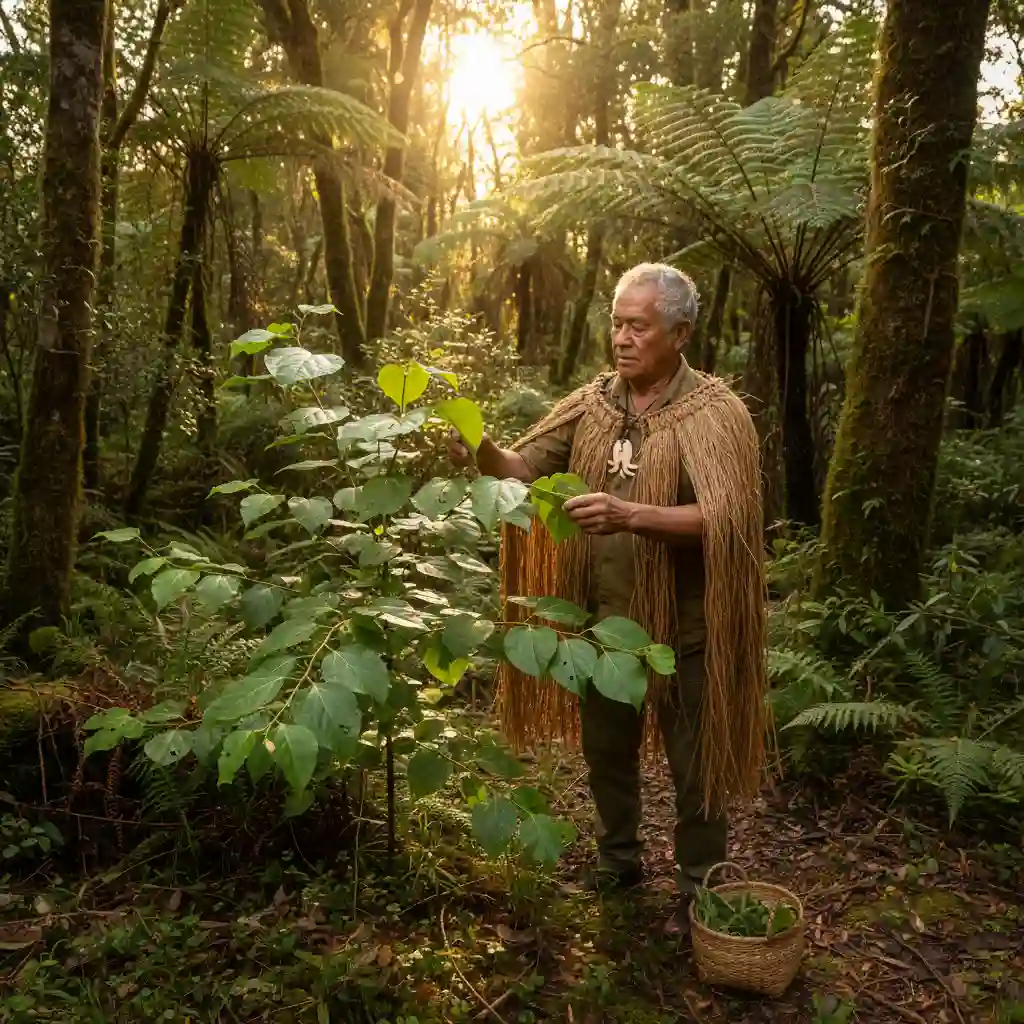
Stat Callout:
Estimates suggest that traditional Māori knowledge documented hundreds of medicinal uses for native plants, emphasizing a deep, practical understanding of biodiversity and ecological balance.
Kai Ora: Sustainable Food Gathering and Preparation
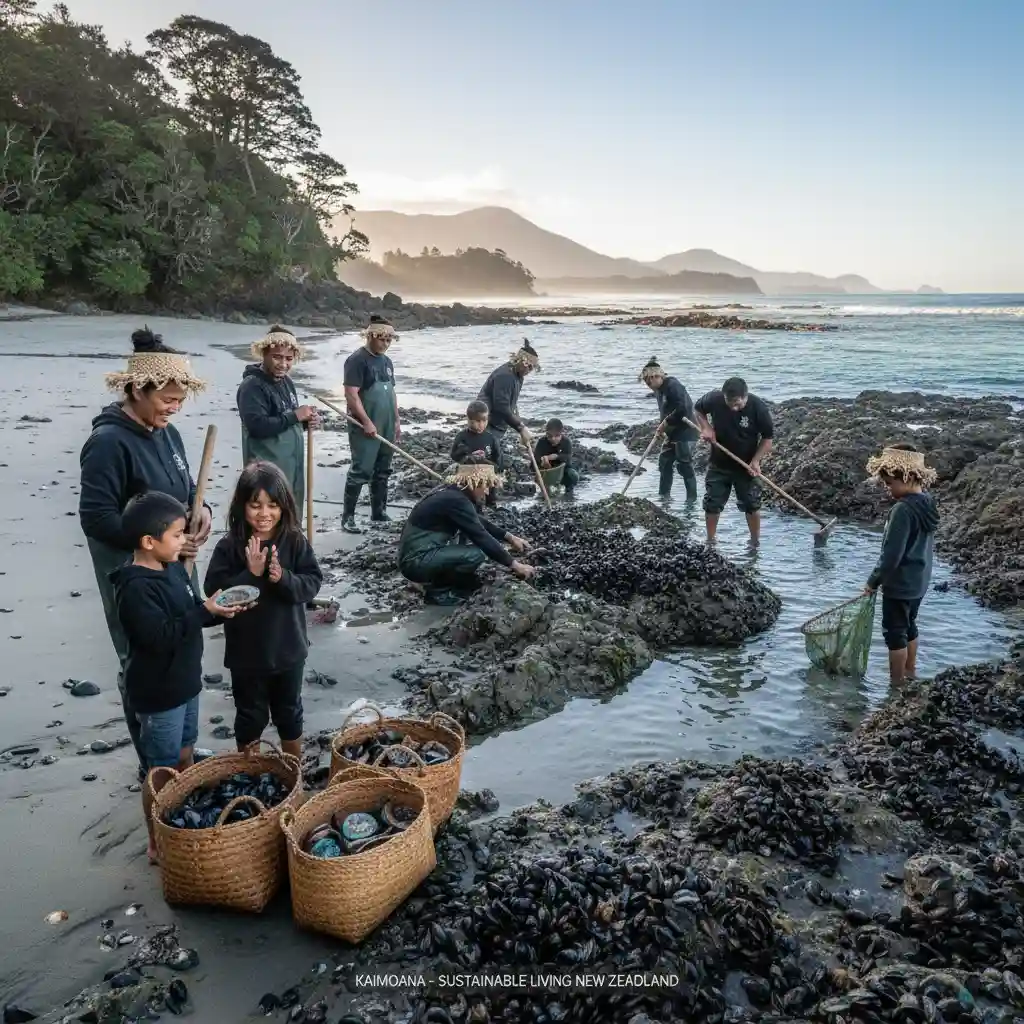
The concept of Kai Ora, or healthy food, extends beyond nutrition to encompass the entire process of food gathering and preparation. Traditional Māori food systems were incredibly sophisticated, characterized by sustainable hunting, fishing, and foraging techniques that ensured the long-term viability of food sources. This involved understanding migration patterns, breeding cycles, and the carrying capacity of different environments.
For instance, practices like ‘rāhui’ (temporary prohibitions) were implemented to allow depleted fishing grounds or hunting areas to recover, showcasing proactive resource management. The cultivation of māra kai (gardens) involved companion planting and seasonal rotation, building soil health without reliance on external inputs. These are prime examples of effective māori sustainable practices that maintained ecological balance.
“He aha te mea nui o te ao? He tangata, he tangata, he tangata.”
(What is the most important thing in the world? It is people, it is people, it is people.)
This proverb underpins the philosophy that well-being, including environmental well-being, serves humanity.
Weaving (Harakeke) and Sustainable Resource Use
The art of weaving, particularly with harakeke (New Zealand flax), is another powerful illustration of māori sustainable practices. Harakeke was a vital resource, used for everything from clothing and baskets to fishing nets and housing materials. The cultivation and harvesting of harakeke were governed by strict protocols that ensured its longevity.
Only the outer leaves of the flax bush were harvested, leaving the central ‘rito’ (heart) and inner leaves to grow, thus ensuring the plant’s continuous regeneration. This meticulous approach to resource management prevented over-harvesting and maintained healthy flax plantations for generations. Every part of the plant was valued and used, minimizing waste and showcasing a circular economy in practice.
Oral Traditions and Environmental Education
Perhaps one of the most enduring māori sustainable practices is the transmission of knowledge through oral traditions. Stories, waiata (songs), karakia (incantations), and whakataukī (proverbs) were the primary vehicles for passing down intricate ecological knowledge, resource management techniques, and ethical frameworks like kaitiakitanga from one generation to the next.
These narratives often personified natural elements, imbuing them with spiritual significance and reinforcing the idea of a living, interconnected world deserving of respect. Through these powerful educational tools, children grew up with an innate understanding of their place within the natural world and their responsibilities as guardians of its health.
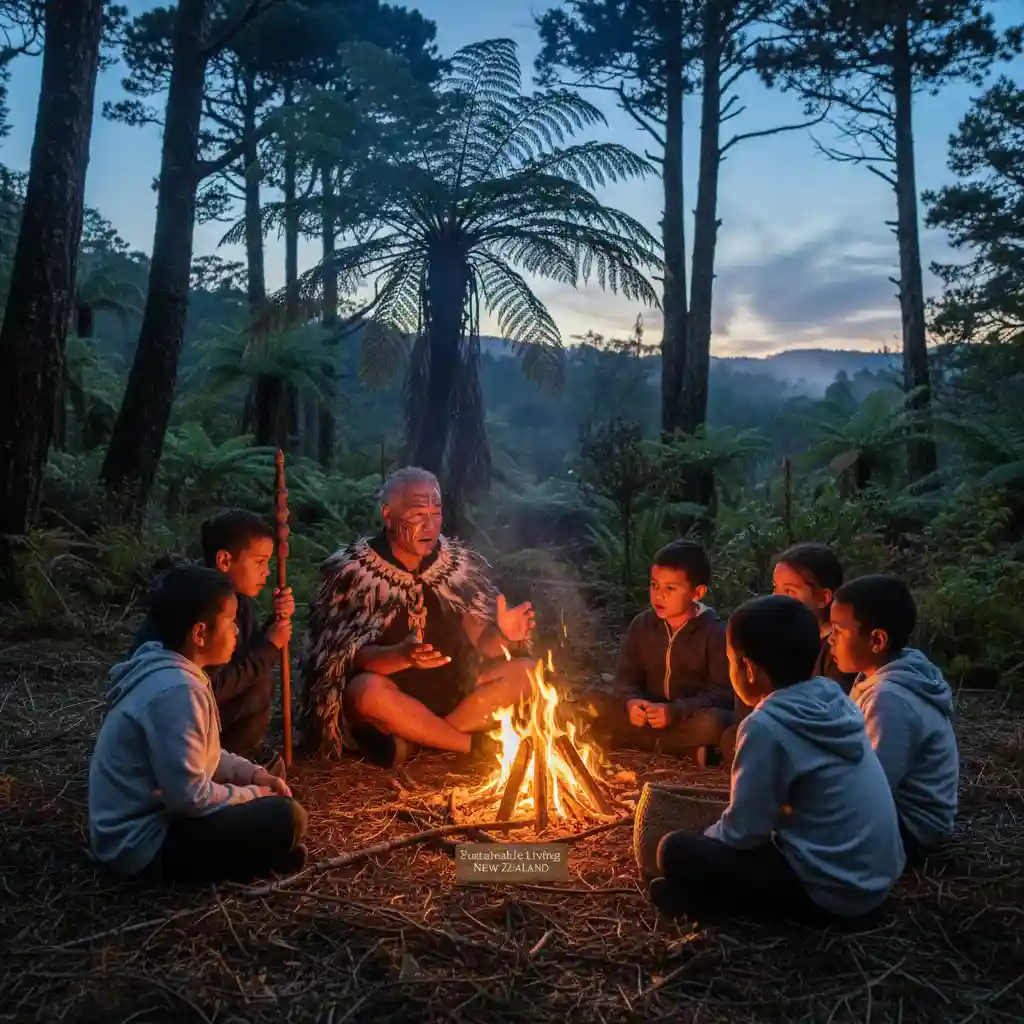
Stat Callout:
Studies indicate that indigenous oral traditions worldwide can transmit ecological knowledge with up to 90% accuracy over hundreds of years, proving their efficacy in environmental education.
Conclusion: Embracing Ancient Wisdom for a Sustainable Future
The traditional Māori practices for sustainability offer a profound blueprint for living in harmony with our planet. From the meticulous timing of the Maramataka to the respectful harvesting of Rongoā, the thoughtful management of Kai Ora, the sustainable use of Harakeke, and the powerful transmission of knowledge through oral traditions, these practices demonstrate a deep, reciprocal relationship with the natural world.
As New Zealand and the world strive for greater sustainability, integrating these timeless māori sustainable practices, particularly the core principle of kaitiakitanga, is not just a cultural homage but a practical necessity. By learning from and applying this indigenous wisdom, we can forge a path towards a more resilient, respectful, and sustainable future for all.
Frequently Asked Questions (FAQ)
What is Maramataka and how does it relate to sustainability?
The Maramataka is the Māori lunar calendar, a traditional system that guided daily life, including planting, fishing, and resource gathering, based on the moon phases. It promoted sustainability by ensuring activities were timed for optimal resource abundance and regeneration, preventing over-exploitation.
How does Rongoā Māori contribute to environmental health?
Rongoā Māori, traditional Māori plant medicine, relies on a deep knowledge and respectful relationship with the ngahere (forests). Practitioners adhere to kaitiakitanga (guardianship) principles, harvesting plants sustainably and ensuring the health and continuity of native plant populations, thus preserving biodiversity.
What is Kai Ora and what are its sustainable aspects?
Kai Ora refers to healthy food and the sustainable practices surrounding its gathering and preparation. This includes traditional hunting, fishing, and foraging techniques that respect natural cycles, as well as the use of ‘rāhui’ (temporary prohibitions) to allow resources to recover, ensuring long-term food security.
Can modern society learn from Māori sustainable practices?
Absolutely. Modern society can greatly benefit from integrating Māori sustainable practices, particularly the holistic philosophy of kaitiakitanga (guardianship), which emphasizes the interconnectedness of people and the environment, promoting respectful and reciprocal relationships with nature for long-term well-being.
References/Sources
- Durie, M. (1998). Whaiora: Māori Health Development. Oxford University Press. (General context on Māori well-being and practices)
- Mead, H. M. (2003). Tikanga Māori: Living by Māori Values. Huia Publishers. (Insights into cultural values and protocols)
- Royal, T. A. (2007). The Woven Universe: Aotearoa’s Knowledge in the 21st Century. Ministry of Research, Science and Technology. (Information on Maramataka and traditional knowledge systems)
- Department of Conservation NZ. Official Website. (General information on New Zealand’s environment and conservation efforts, relevant to kaitiakitanga)
- Te Papa Tongarewa (Museum of New Zealand). Official Website. (Cultural insights and historical context of Māori practices)