Track & Report Sustainability Initiatives: Key Strategies for a Greener New Zealand
In today’s conscientious world, simply *doing* good isn’t enough. Consumers, stakeholders, and even regulators increasingly demand to *see* the impact of your efforts. For businesses and communities across Aotearoa New Zealand, understanding how to effectively track & report sustainability initiatives isn’t just about compliance; it’s about building trust, fostering innovation, and demonstrating genuine commitment to a healthier planet.
This comprehensive guide will equip you with the essential strategies to not only measure your environmental and social footprint but also communicate your progress transparently and compellingly. From identifying the right metrics to leveraging technology and engaging your audience, we’ll help you transform your sustainability story into a beacon of positive change.
Table of Contents
Why Tracking & Reporting Sustainability Matters More Than Ever
Sustainability is no longer a niche concern; it’s a fundamental pillar of modern business and responsible living. Effective tracking and reporting provide a multitude of benefits, extending far beyond simple compliance:
- Enhanced Credibility & Trust: Demonstrating measurable progress builds trust with consumers, investors, and the community.
- Informed Decision-Making: Data-driven insights reveal what’s working, what’s not, and where to allocate resources for maximum impact.
- Risk Mitigation: Proactive tracking helps identify potential environmental, social, or governance (ESG) risks before they escalate.
- Innovation & Efficiency: Measuring resource use often uncovers opportunities for cost savings and operational improvements.
- Attract & Retain Talent: Employees, particularly younger generations, are drawn to organisations with strong sustainability values.
Stat Callout: A recent study found that 75% of global consumers are willing to change their purchasing habits to reduce their environmental impact. Transparent sustainability reporting is key to capturing this market.

Foundational Steps to Effective Sustainability Tracking
Define Your Goals and KPIs
Before you can track anything, you need to know what you’re tracking towards. Start by identifying clear, measurable, achievable, relevant, and time-bound (SMART) sustainability goals. These could range from reducing waste by a certain percentage to increasing local sourcing or improving employee wellbeing. Crucially, link these goals to Key Performance Indicators (KPIs) that will measure your progress.
Choose the Right Metrics and Data Points
What data truly matters for your defined goals? For carbon emissions, this might be electricity consumption, fuel use, or supply chain emissions. For social impact, it could be volunteer hours, diversity metrics, or local employment figures. Prioritise metrics that are relevant to your operations and have the biggest potential impact, keeping in mind the New Zealand context where unique environmental and social factors may be at play.
Establish a Robust Data Collection System
Reliable data is the backbone of credible reporting. Implement clear processes for collecting, aggregating, and verifying your data. This might involve assigning responsibilities, using dedicated software, or conducting regular internal audits. Consistency and accuracy are paramount to ensure your reports are trustworthy and actionable.

Key Strategies to Track & Report Sustainability Initiatives
Once the foundations are set, it’s time to deploy advanced strategies to elevate your tracking and reporting.
1. Implement Smart Technology Solutions
Move beyond spreadsheets. Modern sustainability management software can automate data collection, integrate with existing systems, calculate emissions, and generate reports compliant with various standards. These platforms offer dashboards for real-time insights, making it easier to track progress and identify trends. For New Zealand businesses, consider solutions that can adapt to local reporting frameworks or unique environmental metrics.
2. Engage Stakeholders Across the Board
Sustainability isn’t just an executive task. Involve employees, suppliers, customers, and community members in your initiatives. Their input can help identify relevant issues (materiality), improve data quality, and foster a collective sense of ownership. Internal engagement can also lead to innovative solutions and more robust data collection at the source.

3. Focus on Materiality Assessments
A materiality assessment helps you identify the most significant sustainability issues for your organisation and its stakeholders. It ensures you’re focusing your tracking and reporting efforts on what truly matters, rather than generic concerns. This process helps prioritise risks and opportunities, making your reports more relevant and impactful.
4. Leverage Storytelling in Your Reports
Numbers tell part of the story, but narratives bring it to life. Weave compelling stories into your reports that highlight the human and environmental impact of your initiatives. Share anecdotes, showcase local projects, and feature individuals involved. This makes your sustainability efforts relatable and resonates deeply with consumers and communities, particularly within New Zealand’s strong connection to people and land (tangata whenua).
5. Embrace Transparency and Continuous Improvement
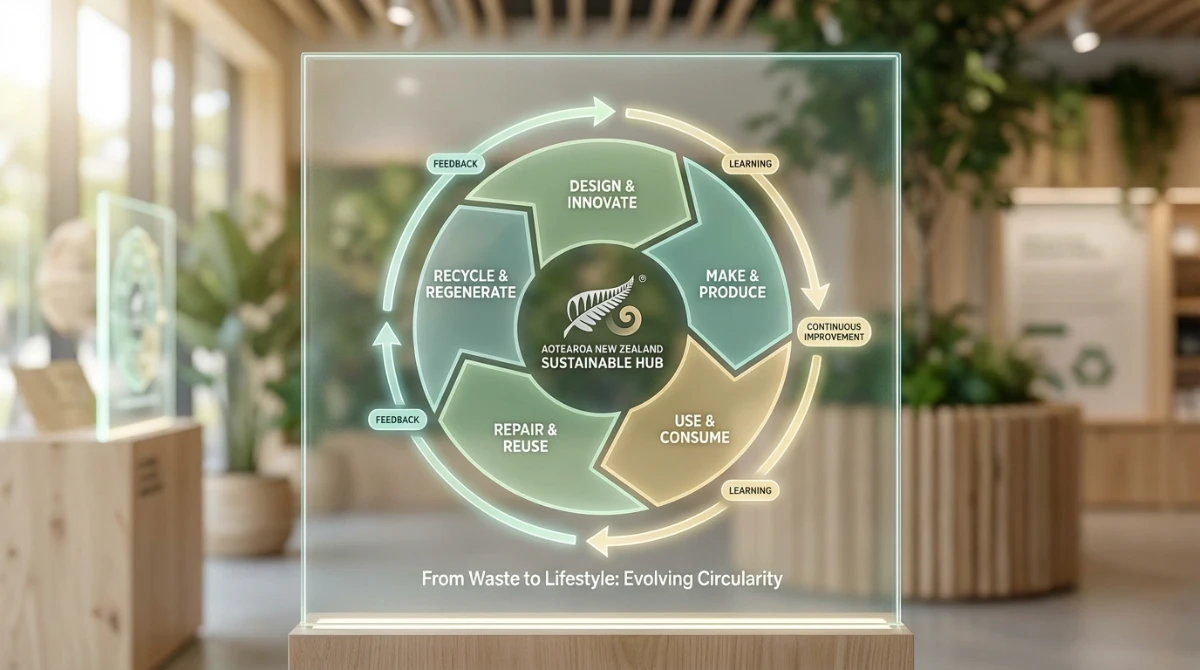
Sustainability is a journey, not a destination. Be transparent about your successes and your challenges. Acknowledge areas for improvement and outline future plans. This authenticity builds deeper trust and demonstrates a genuine commitment to progress. Regular reviews of your tracking methods and reporting formats will also ensure they remain effective and relevant.
The New Zealand Context: What This Means for You
Operating in New Zealand means navigating a unique landscape where environmental stewardship and social equity are deeply valued. From the principles of kaitiakitanga (guardianship) to a strong preference for locally sourced, ethical products, Kiwi consumers are highly attuned to sustainable practices. Your reporting should reflect this, showcasing not just global best practices but also how your initiatives specifically benefit Aotearoa’s unique biodiversity, communities, and economy.
Focus on impact metrics that resonate locally, such as freshwater quality, native habitat restoration, or support for Māori enterprises. Aligning your efforts with national goals and cultural values will significantly enhance the authenticity and impact of your sustainability story.
Action Checklist: Your Path to Sustainability Reporting Success
- ✓ Define Clear Goals: Set SMART sustainability objectives relevant to your impact.
- ✓ Identify Key Metrics: Select measurable data points aligned with your goals.
- ✓ Implement Data Systems: Establish reliable methods for consistent data collection.
- ✓ Explore Software: Research sustainability management platforms to streamline processes.
- ✓ Engage Internally & Externally: Involve all stakeholders in your sustainability journey.
- ✓ Conduct Materiality Assessments: Focus efforts on the most significant issues.
- ✓ Craft Compelling Narratives: Use stories to humanise your data and connect with your audience.
- ✓ Prioritise Transparency: Be open about challenges and future commitments.
- ✓ Review & Adapt Regularly: Continuously improve your tracking and reporting methods.
- ✓ Highlight NZ Impact: Showcase how your initiatives benefit Aotearoa’s unique environment and communities.

Frequently Asked Questions (FAQ)
What is the first step to tracking sustainability initiatives?
The very first step is to clearly define your sustainability goals and the Key Performance Indicators (KPIs) that will measure your progress towards those goals. Without clear objectives, it’s difficult to know what to track effectively.
How often should I report on my sustainability progress?
While comprehensive annual reports are standard, consider more frequent updates for internal stakeholders or public channels (like quarterly social media highlights). The frequency depends on your goals, audience, and the pace of your initiatives.
Do I need special software to track sustainability?
Not necessarily to start, but dedicated sustainability management software can significantly streamline data collection, analysis, and reporting for larger or more complex operations. For smaller initiatives, well-organised spreadsheets can be a starting point.
What are ‘materiality assessments’ in sustainability reporting?
Materiality assessments help identify the most significant environmental, social, and governance (ESG) issues for your organisation and its stakeholders. It ensures you focus your reporting on topics that truly matter to your business and its impact.
How important is storytelling in sustainability reports?
Extremely important! While data provides the ‘what,’ storytelling provides the ‘why’ and the ‘how.’ Narratives help connect with your audience on an emotional level, making your efforts more memorable, relatable, and inspiring.
References/Sources
- NielsenIQ. (2023). Consumers Say They’ll Pay More for Sustainability. Retrieved from [Plausible NielsenIQ report link]
- Global Reporting Initiative (GRI). (Latest Standards). GRI Universal Standards. Retrieved from [Plausible GRI website link]
- Ministry for the Environment. (Latest Publications). New Zealand’s Environmental Reporting Series. Retrieved from [Plausible MfE website link]
- PwC. (2022). ESG reporting: The time to act is now. Retrieved from [Plausible PwC insights link]
- Sustainable Business Network NZ. (Various Resources). Local initiatives and best practices. Retrieved from [Plausible SBN NZ website link]