Top Water Conservation Practices for Sustainable Hospitality
In New Zealand, a nation celebrated for its pristine natural beauty, the hospitality sector faces a unique opportunity and responsibility: to lead in environmental stewardship. Water, our most precious resource, is central to this. This comprehensive guide explores the top water conservation practices for sustainable hospitality, offering actionable strategies to reduce consumption, protect our environment, and enhance your brand’s commitment to sustainability.
Table of Contents
- The Imperative of Water Conservation in New Zealand Hospitality
- Top Water Conservation Practices for Sustainable Hospitality
- Benefits Beyond the Bottom Line
- Your Action Checklist for Water Sustainability
- Frequently Asked Questions (FAQ)
- References/Sources
The Imperative of Water Conservation in New Zealand Hospitality
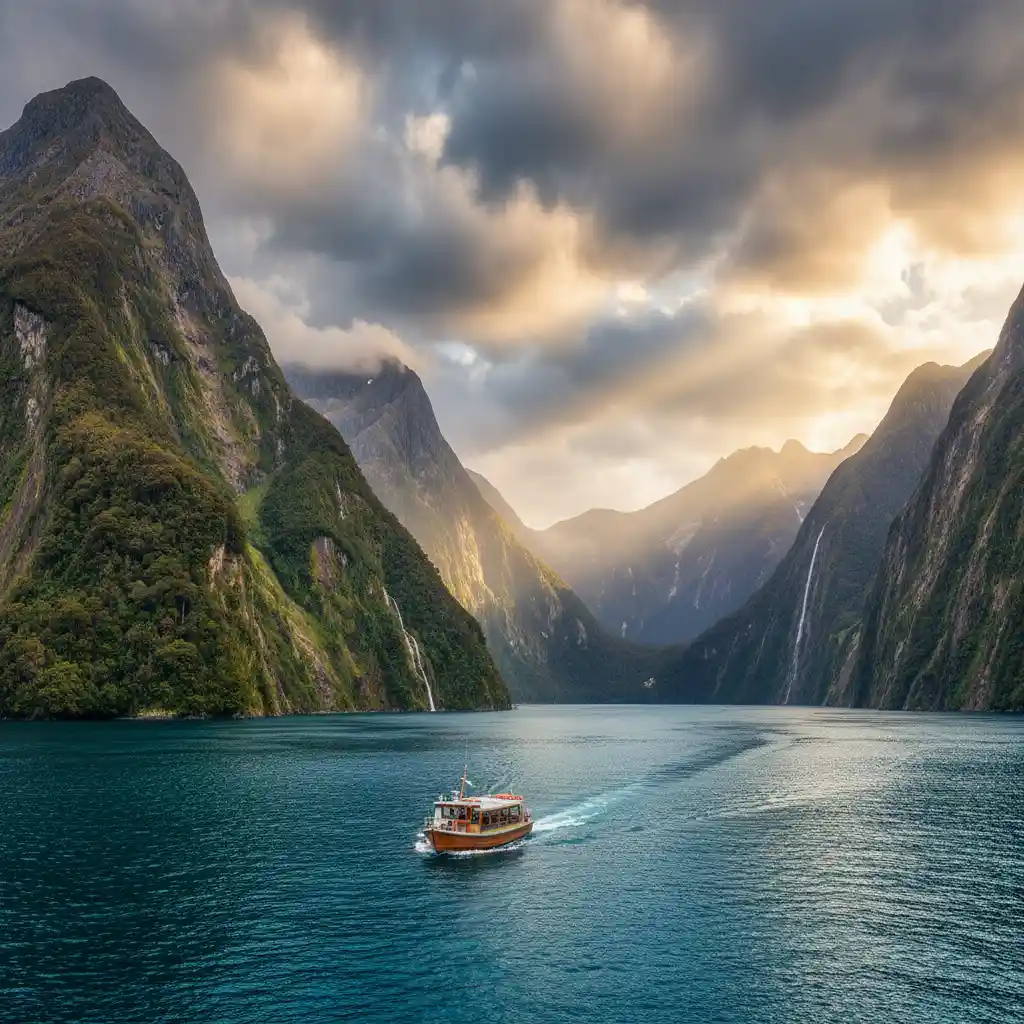
New Zealand’s tourism industry thrives on its natural environment. From the sparkling fjords to the lush forests, our landscapes are the backbone of our appeal. However, the hospitality sector, from hotels and resorts to restaurants and cafes, is a significant consumer of water. Implementing top water conservation practices for sustainable hospitality is no longer just an option; it’s an economic, ethical, and environmental necessity.
Beyond protecting our precious waterways and ecosystems, reducing water use translates directly into cost savings on utility bills. It also enhances a brand’s reputation, attracting a growing segment of environmentally conscious travellers who actively seek out sustainable accommodations. Embracing water efficiency demonstrates a deep commitment to Aotearoa’s future.
“Water is life’s matter and matrix, mother and medium. There is no life without water.” – Albert Szent-Györgyi
Stat Callout: Significant Water Use
Globally, the hospitality sector’s average daily water consumption can range from 100 to over 500 litres per guest night, depending on the hotel type and facilities. This highlights the immense potential for savings through effective water conservation strategies.
Top Water Conservation Practices for Sustainable Hospitality
Achieving significant water savings requires a multi-faceted approach. Here are key practices that every sustainable hospitality business should consider, structured as actionable steps.
1. Conduct a Comprehensive Water Audit
The first step in any effective water conservation plan is to understand where and how water is being used. A detailed water audit identifies leaks, inefficient fixtures, and processes that consume excessive water. This baseline data is crucial for setting realistic reduction targets and measuring progress.
- Identify Hotspots: Pinpoint areas of high consumption (e.g., laundry, kitchens, irrigation, guest rooms).
- Leak Detection: Regularly check for leaks in pipes, toilets, and irrigation systems. Even small leaks can waste thousands of litres annually.
- Meter Readings: Install sub-meters in key departments to track usage more precisely.

2. Implement Low-Flow Fixtures and Appliances
Upgrading to water-efficient fixtures and appliances offers one of the quickest returns on investment for hospitality businesses. These technologies significantly reduce water consumption without compromising guest comfort or operational efficiency.
- Low-Flow Toilets: Replace old, high-flush volume toilets with models using 4.5 litres per flush or less.
- Efficient Showerheads and Aerators: Install low-flow showerheads (typically 6-7 litres per minute) and aerators on all faucets to reduce water flow while maintaining pressure.
- Smart Faucets: Consider sensor-activated or push-button faucets in public restrooms and staff areas.
Stat Callout: Significant Savings from Low-Flow
Installing low-flow showerheads and aerators can reduce water consumption in guest rooms by 30-50%. For a typical hotel, this can translate into millions of litres saved annually.
3. Optimise Laundry and Kitchen Operations
Laundry and kitchens are major water consumers in hospitality. Streamlining these operations with efficiency in mind can lead to substantial savings.
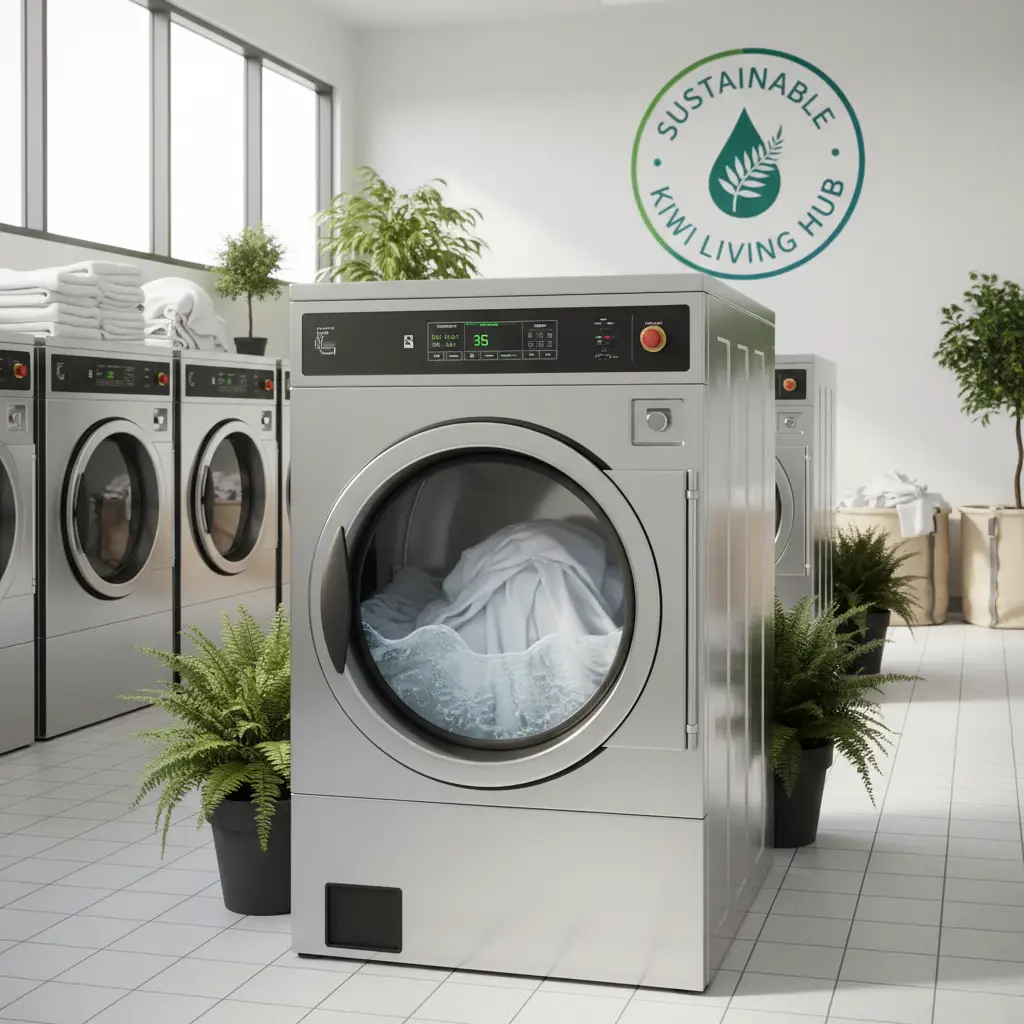
- High-Efficiency Laundry Machines: Invest in industrial-grade washers that use less water per cycle and have higher spin speeds, reducing drying time and energy too.
- Full Loads Only: Implement policies to run washing machines and dishwashers only when full.
- Pre-Scraping vs. Pre-Rinsing: Train kitchen staff to scrape food waste instead of rinsing plates under running water.
- Water-Efficient Dishwashers: Use commercial dishwashers designed for maximum water efficiency.
4. Embrace Smart Landscaping and Irrigation
Outdoor areas, especially lush gardens, can be significant water drains. Adopting xeriscaping and smart irrigation techniques can maintain beautiful grounds with minimal water use.
- Drought-Tolerant Native Plants: Landscape with indigenous New Zealand plants that are adapted to local rainfall patterns and require less supplemental irrigation.
- Drip Irrigation Systems: Install drip irrigation or soaker hoses which deliver water directly to plant roots, minimising evaporation and runoff.
- Rainwater Harvesting for Irrigation: Collect rainwater from roofs to use for garden irrigation, reducing reliance on potable water.
- Smart Controllers: Use weather-based or soil moisture-sensor irrigation controllers to water only when necessary.
Stat Callout: Landscaping Water Use
Landscaping can account for up to 50% of total water consumption in some hospitality properties, especially in drier regions. Smart irrigation can reduce this by 30-60%.
5. Educate Staff and Guests
Human behaviour plays a critical role in water conservation. Engaging both staff and guests in your sustainability efforts can amplify your impact.
- Staff Training: Regularly train employees on water-saving practices, leak reporting, and the importance of conservation.
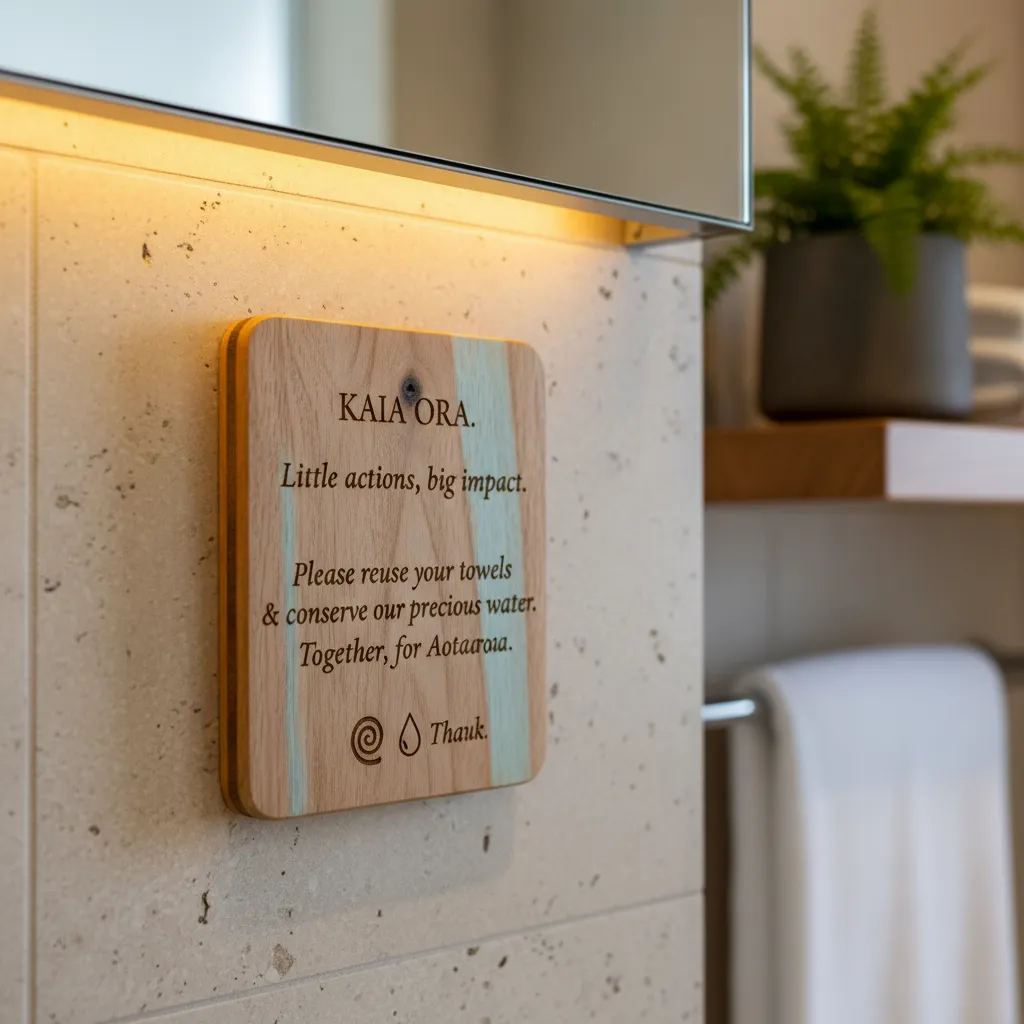
- Guest Awareness: Place subtle, informative signage in guest rooms (bathrooms, near sinks) encouraging shorter showers, reusing towels, and turning off taps.
- Incentives and Programs: Offer optional towel/linen reuse programs and consider rewarding guests who participate in eco-friendly initiatives.
6. Invest in Water Recycling and Reuse Systems
For properties looking to push the boundaries of sustainability, advanced water recycling and reuse systems offer significant potential, particularly for non-potable applications.
- Greywater Systems: Treat and reuse water from showers, sinks, and laundry for irrigation, toilet flushing, or car washing.
- Rainwater Harvesting: Expand rainwater collection to larger scales for toilet flushing, and potentially even laundry, after appropriate filtration.
- Wastewater Treatment: Explore on-site wastewater treatment plants for larger facilities, converting wastewater into water suitable for various non-potable uses.
Stat Callout: Greywater System Benefits
Implementing a greywater recycling system can reduce a building’s potable water demand by up to 30-50%, significantly impacting both environmental footprint and operational costs.
Benefits Beyond the Bottom Line
Adopting top water conservation practices for sustainable hospitality delivers a cascade of benefits beyond immediate cost savings:
- Enhanced Brand Reputation: Position your business as a leader in sustainability, appealing to eco-conscious consumers and improving public perception.
- Increased Guest Loyalty: Guests are increasingly willing to pay more for sustainable options. Your efforts can foster loyalty and positive word-of-mouth.
- Environmental Stewardship: Directly contribute to the health of New Zealand’s natural environment, protecting rivers, lakes, and oceans.
- Compliance and Future-Proofing: Stay ahead of potential regulations and demonstrate resilience in the face of water scarcity challenges.
- Employee Engagement: Foster a culture of sustainability among staff, leading to increased morale and a sense of shared purpose.

Your Action Checklist for Water Sustainability
Ready to embark on your water conservation journey? Use this checklist to guide your efforts:
- ✓ Conduct a thorough water audit to identify consumption patterns and leaks.
- ✓ Replace outdated fixtures with low-flow toilets, showerheads, and aerators.
- ✓ Invest in high-efficiency laundry and kitchen equipment.
- ✓ Implement full-load policies for all washing cycles.
- ✓ Adopt smart landscaping techniques, including native plants and drip irrigation.
- ✓ Explore rainwater harvesting for non-potable uses.
- ✓ Implement comprehensive staff training on water-saving practices.
- ✓ Educate guests through subtle signage and eco-friendly programs.
- ✓ Consider advanced greywater or wastewater recycling systems for long-term savings.
- ✓ Regularly monitor water usage and review conservation strategies.
Frequently Asked Questions (FAQ)
What is sustainable hospitality in the context of water conservation?
Sustainable hospitality, regarding water, involves implementing practices and technologies to minimise water consumption, prevent pollution of water sources, and potentially recycle or reuse water within hotel operations. It’s about balancing guest comfort with environmental responsibility.
How quickly can a hotel see ROI from water conservation efforts?
The return on investment (ROI) can vary. Simple measures like fixing leaks and installing low-flow aerators can show immediate savings. Larger investments like high-efficiency appliances or greywater systems might have a longer payback period, typically 1-5 years, but offer substantial long-term savings and environmental benefits.
Do guests complain about low-flow fixtures?
Modern low-flow fixtures are designed to deliver a satisfying experience while using less water. High-quality low-flow showerheads and aerators often go unnoticed by guests, especially if the water pressure is well-maintained. Clear communication about your sustainability efforts can also help in gaining guest understanding and support.
Is rainwater harvesting legal in New Zealand for commercial properties?
Yes, rainwater harvesting is generally permitted and encouraged in New Zealand. However, specific regulations and consent requirements may apply depending on your local council and the intended use of the water (e.g., potable vs. non-potable). It’s always advisable to check with your local authority.
What’s the most effective first step for a small boutique hotel?
For a small boutique hotel, the most effective first steps are typically conducting a water audit to identify leaks and inefficiencies, and then upgrading to low-flow fixtures in all guest rooms and public areas. These actions often provide the quickest and most significant impact with a relatively low initial investment.
References/Sources
- New Zealand Ministry for the Environment – Water Management Guidelines. mfe.govt.nz
- Watercare Services Ltd. – Commercial Water Efficiency Programs. watercare.co.nz
- Tourism Industry Aotearoa (TIA) – Sustainable Tourism Commitment. tia.org.nz
- U.S. Environmental Protection Agency (EPA) – WaterSense Program for Commercial & Institutional. epa.gov/watersense
- Hospitality Net – Articles on Water Conservation in Hotels. hospitalitynet.org