Top Sustainable Energy-Saving Appliances for New Zealand Homes
Discover the best appliances to reduce your carbon footprint and power bills, tailored for Kiwi households.
In an era where environmental consciousness is paramount, integrating sustainable energy-saving appliances into our homes is no longer just a trend – it’s a necessity. For New Zealanders, a nation celebrated for its pristine natural beauty, choosing eco-friendly options is a tangible way to contribute to a greener future and significantly reduce household utility costs. But where do you start amidst a sea of options?
This guide, brought to you by New Zealand’s sustainable lifestyle hub, will navigate you through the world of top sustainable energy-saving appliances. We’ll explore the key features, benefits, and practical advice to help you make informed decisions that align with both your values and your budget. Get ready to transform your home into a beacon of efficiency and sustainability!
Table of Contents
- Why Embrace Sustainable Energy-Saving Appliances in NZ?
- Decoding Energy Efficiency: What to Look For
- Essential Sustainable Energy-Saving Appliances for Kiwi Households
- Beyond Appliances: A Holistic Approach to Energy Saving
- Making the Smart Choice for Your Sustainable Home
- Frequently Asked Questions (FAQs)
- References
Why Embrace Sustainable Energy-Saving Appliances in NZ?
The benefits of investing in sustainable, energy-efficient appliances extend far beyond simply doing your part for the environment. For New Zealand homes, these choices translate directly into tangible savings and improved living quality.
📊 Stat Callout:
On average, upgrading old appliances to energy-efficient models can reduce a household’s electricity bill by up to 20-30% annually, according to Energywise.co.nz data.
Lower Energy Bills: This is often the most immediate and appealing benefit. Energy-efficient appliances consume less electricity, directly cutting down your monthly power costs. Over the lifespan of the appliance, these savings can easily offset the initial purchase price.
Reduced Carbon Footprint: By using less electricity, especially in a grid that still relies on a mix of energy sources, you contribute to fewer greenhouse gas emissions. This is vital for New Zealand’s climate goals.
Increased Appliance Lifespan & Performance: Often, sustainable appliances are built with higher quality components, leading to greater durability and better performance over time. They are designed to operate more efficiently, putting less strain on internal mechanisms.
Comfort and Convenience: Many modern energy-saving appliances come with smart features, better insulation, and quieter operation, enhancing overall home comfort and convenience.
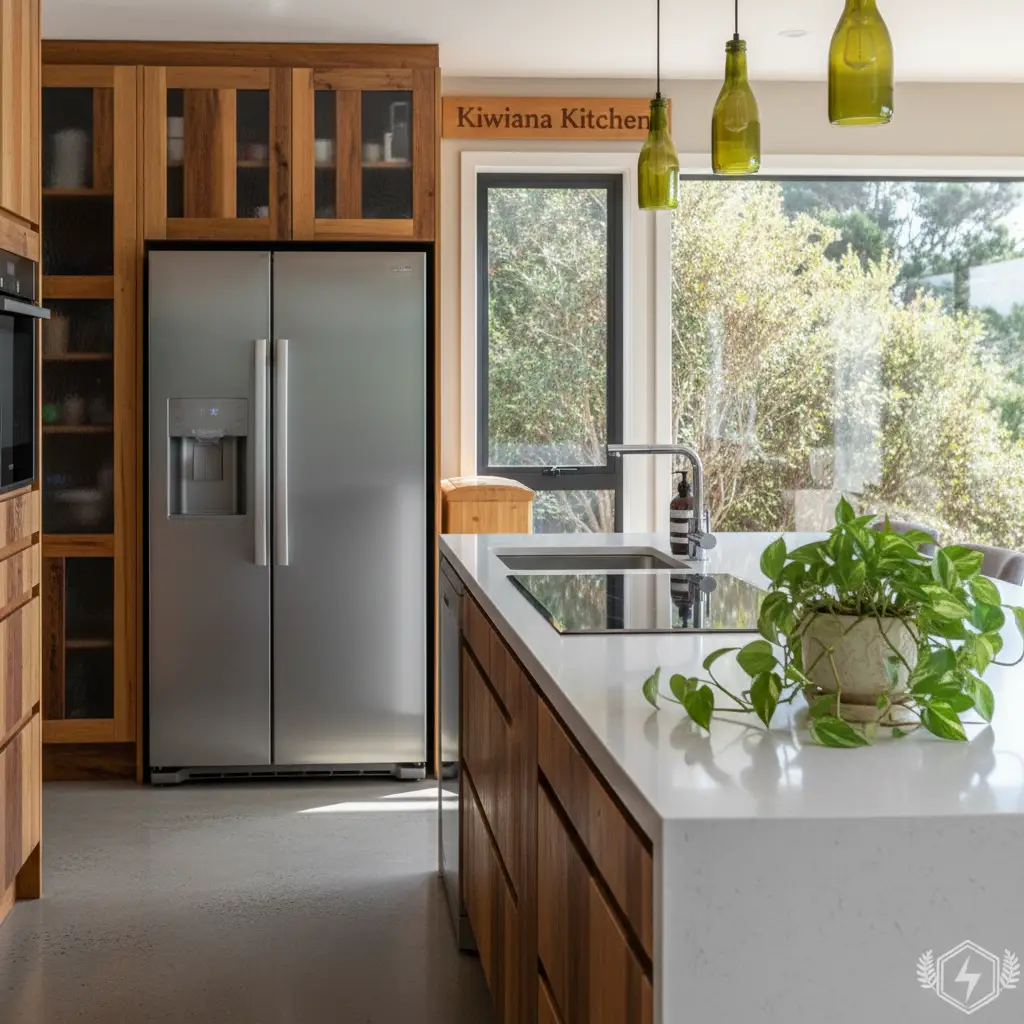
Decoding Energy Efficiency: What to Look For
Navigating the world of energy-efficient appliances requires understanding a few key indicators:
The Energy Rating Label
In New Zealand, every new appliance must display an Energy Rating Label. This star rating (from 1 to 10 stars) indicates the appliance’s energy efficiency – more stars mean greater efficiency and lower running costs. Always compare the star rating and the estimated annual energy consumption (kWh/year).
Water Efficiency Label (WELS)
For water-consuming appliances like washing machines and dishwashers, look for the WELS (Water Efficiency Labelling and Standards) scheme label. Similar to energy stars, more WELS stars signify better water efficiency, saving both water and the energy used to heat it.
Specific Technologies
- Inverter Technology: Common in refrigerators and heat pumps, inverters adjust power output to match demand, leading to significant energy savings compared to traditional on/off compressors.
- Heat Pump Technology: Found in dryers and hot water systems, this technology reuses heat, dramatically reducing energy consumption.
- Smart Features: Appliances with smart connectivity can often be programmed for off-peak usage, monitored remotely, and even optimized based on real-time energy prices.
“Choosing an appliance with a higher star rating might have a slightly higher upfront cost, but the long-term savings on your energy bill often make it the more economical and sustainable choice.”
Essential Sustainable Energy-Saving Appliances for Kiwi Households
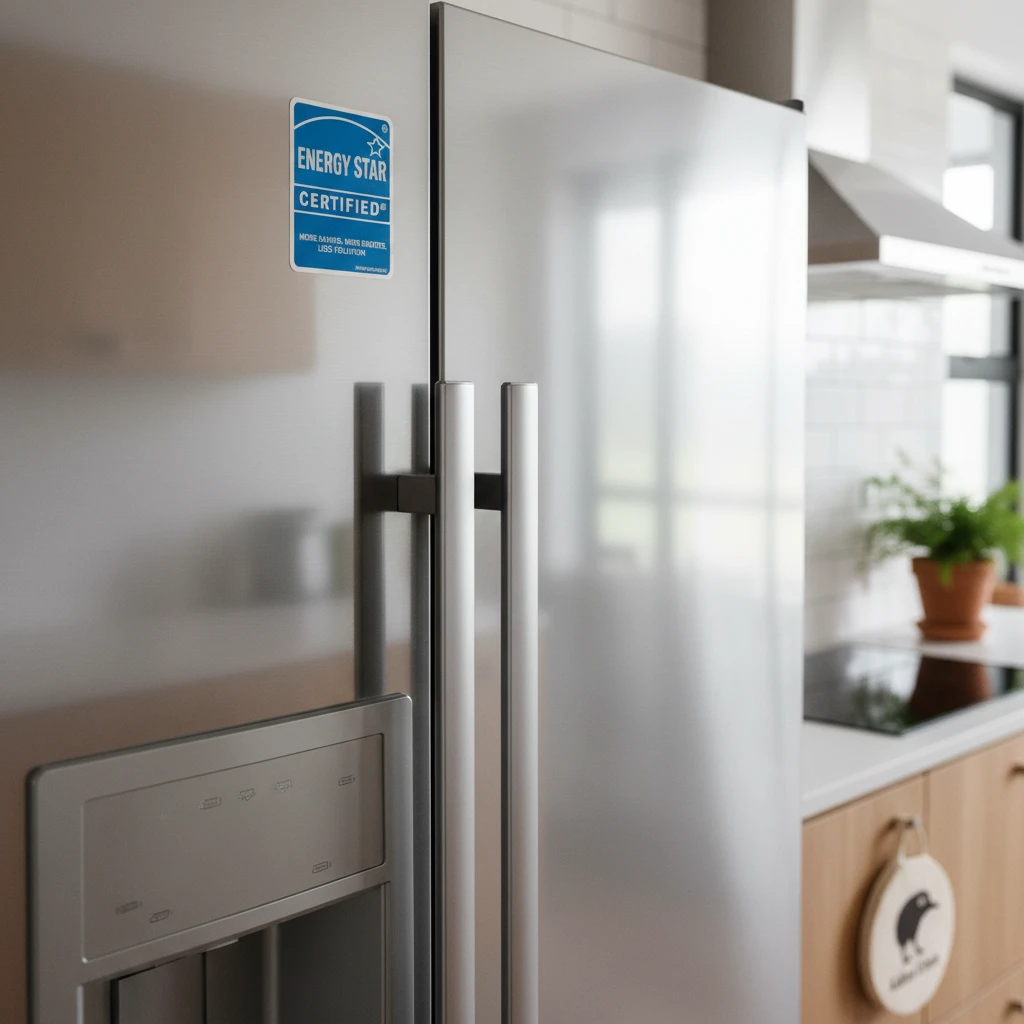
Energy-Efficient Refrigerators & Freezers
As they run 24/7, refrigerators and freezers are among the biggest energy consumers. Upgrading to an energy-efficient model is a smart move.
- Look for: High energy star ratings (4.5 stars and above), inverter compressors, good insulation, and appropriate sizing for your household needs.
- Tip: Avoid overfilling or leaving the door open. Proper maintenance, like cleaning coils, also boosts efficiency.
Pros:
- Significant continuous energy savings
- Better food preservation
- Quieter operation
Cons:
- Higher initial purchase price
- Disposal of old unit needs to be managed sustainably
Smart Washing Machines & Dryers
Laundry appliances are another major energy and water user. Modern sustainable options offer impressive savings.
- Washing Machines: Front-loaders are generally more water and energy-efficient than top-loaders. Look for high WELS and energy star ratings, and features like eco-cycles and load sensing.
- Dryers: Heat pump dryers are the gold standard for efficiency, consuming significantly less energy than conventional vented or condenser dryers.
📊 Stat Callout:
A heat pump dryer can use up to 60-70% less energy than a conventional dryer, making it one of the best sustainable energy-saving appliances for New Zealand homes.
High-Efficiency Heat Pumps & Heating Solutions
Heating is a significant energy drain in many New Zealand homes. High-efficiency heat pumps offer an excellent solution for both heating and cooling.
- Look for: High Energy Star ratings (especially the seasonal efficiency ratings like COP and EER), inverter technology, and professional installation for optimal performance.
- Types: Air-to-air (standard split systems), air-to-water (for radiators or underfloor heating), and geothermal systems for ultimate efficiency.
Sustainable Hot Water Systems
Heating water accounts for a substantial portion of a household’s energy use. Switching to a more efficient system can yield significant savings.
- Heat Pump Water Heaters: These extract heat from the air to warm water, making them far more efficient than traditional electric cylinders.
- Solar Water Heaters: Harness the sun’s energy directly. While the initial cost is higher, long-term savings are considerable, especially when combined with an efficient booster.
LED Lighting & Smart Home Devices
While individually small, cumulatively, lighting and smart devices offer impactful energy savings.
- LED Lighting: LEDs consume up to 80% less energy and last much longer than traditional incandescent bulbs. Replace all old bulbs with LEDs.
- Smart Plugs & Power Strips: These can turn off power to appliances not in use, eliminating ‘vampire drain’.
- Smart Thermostats & Lighting Controls: Optimise heating/cooling and lighting based on occupancy, time of day, or even weather, preventing wasteful usage.
📊 Stat Callout:
Switching entirely to LED lighting can save a typical household around NZ$150-$200 per year on their electricity bill, according to government estimates.
Beyond Appliances: A Holistic Approach to Energy Saving
While choosing top sustainable energy-saving appliances for your New Zealand home is crucial, true efficiency comes from a holistic approach. Consider these complementary strategies:
- Insulation: Well-insulated homes retain heat in winter and stay cooler in summer, drastically reducing the workload on your heating and cooling systems.
- Draft Proofing: Seal gaps around windows, doors, and floors to prevent heat loss.
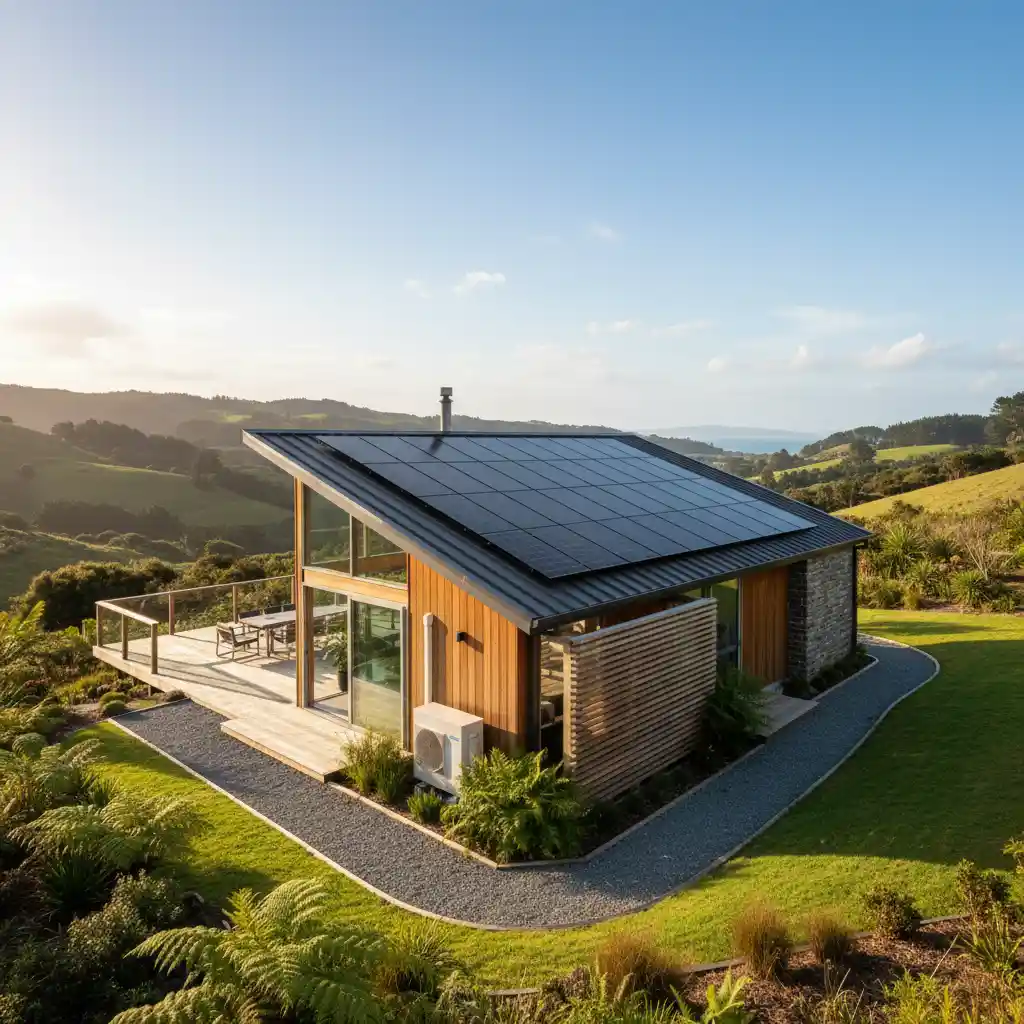
- Solar Panels: Generate your own clean electricity to power your efficient appliances and potentially sell excess back to the grid.
- Energy Habits: Unplug chargers, turn off lights when leaving a room, wash clothes in cold water, and use natural drying whenever possible.

Making the Smart Choice for Your Sustainable Home
Investing in new appliances is a significant decision. Here’s how to ensure you’re making the best choice for your New Zealand home:
- Research & Compare: Don’t just look at the price. Compare energy ratings, features, and read reviews. Websites like Energywise.govt.nz offer valuable comparison tools.
- Consider Lifecycle Cost: A cheaper appliance with a low energy rating will likely cost you more over its lifespan in electricity bills. Factor in total cost of ownership.
- Rebates & Incentives: Check if there are any current government or local utility rebates for energy-efficient appliances or installations (e.g., for heat pumps or insulation).
- Sustainable Disposal: When replacing old appliances, ensure they are disposed of responsibly through recycling programs to minimise landfill waste.
Embracing sustainable energy-saving appliances is a powerful step towards a more eco-friendly and economically savvy future for your New Zealand home. Each conscious choice contributes to a healthier planet and a healthier wallet.
Start your journey towards a smarter, greener home today!
Frequently Asked Questions (FAQs)
What are the most effective sustainable energy-saving appliances for reducing power bills in NZ?
Heat pumps (for heating/cooling and water heating), heat pump dryers, high-star-rated refrigerators, and LED lighting typically offer the most significant energy savings and return on investment for New Zealand homes due to their continuous or high-usage nature.
Is the higher upfront cost of energy-efficient appliances worth it?
Yes, almost always. While the initial purchase price can be higher, the long-term savings on your electricity and water bills often offset this cost within a few years. Plus, many energy-efficient models are built to last longer, offering better durability and reduced environmental impact over their lifespan.
Where can I find reliable energy efficiency ratings for appliances in New Zealand?
You can find comprehensive information and comparison tools on the official Energywise.govt.nz website. All new appliances sold in New Zealand must also display an Energy Rating Label and, for water-using appliances, a WELS label.
Are there government grants or subsidies for buying sustainable appliances in NZ?
Government grants for specific appliances vary and are often regional or tied to specific programs (e.g., insulation or clean heating initiatives like Warmer Kiwi Homes). It’s best to check the EECA (Energy Efficiency and Conservation Authority) website or local council resources for the most up-to-date information on available grants and rebates.
How often should I replace my old appliances with energy-saving models?
There’s no fixed rule, but generally, if your appliance is more than 10-15 years old, or if it’s frequently breaking down, it’s worth considering an upgrade. Older appliances, even if still functioning, are significantly less efficient than modern, high-star-rated models. Calculate the potential energy savings versus the cost of a new appliance to determine your optimal replacement time.
References
- Energy Efficiency and Conservation Authority (EECA) – Energywise.govt.nz. (Accessed: [Current Year])
- Ministry for the Environment – MFE.govt.nz. (Accessed: [Current Year])
- Gen Less – Genless.govt.nz. (Accessed: [Current Year])
- Consumer NZ – Consumer.org.nz. (Accessed: [Current Year])