Top Sustainable Building Materials for Eco-Friendly Homes NZ
Building an eco-friendly home in New Zealand is more than a trend; it’s a commitment to a healthier future for our planet and our families. The foundation of any truly sustainable dwelling lies in the materials you choose. These decisions impact everything from your home’s energy efficiency and indoor air quality to its long-term environmental footprint.
As New Zealanders increasingly embrace sustainable living, understanding the best options for construction becomes paramount. This guide will walk you through the top sustainable building materials for eco-friendly homes NZ, empowering you to make informed choices that benefit both the environment and your lifestyle.
Why Choose Sustainable Building Materials in NZ?
The demand for sustainable homes in New Zealand is driven by a growing awareness of environmental impact, health benefits, and long-term cost savings. Choosing eco-friendly materials means reducing carbon emissions, conserving natural resources, and minimising waste. Furthermore, these materials often contribute to superior indoor air quality, free from harmful toxins found in conventional options.
In a country as beautiful and pristine as Aotearoa, protecting our natural environment is a core value. Sustainable building aligns perfectly with this ethos, ensuring future generations can also enjoy our unique landscapes.
Stat Callout:
Did you know? Buildings account for approximately 20% of New Zealand’s total energy-related greenhouse gas emissions annually. Opting for sustainable materials and energy-efficient designs can significantly reduce this footprint. (Source 1)
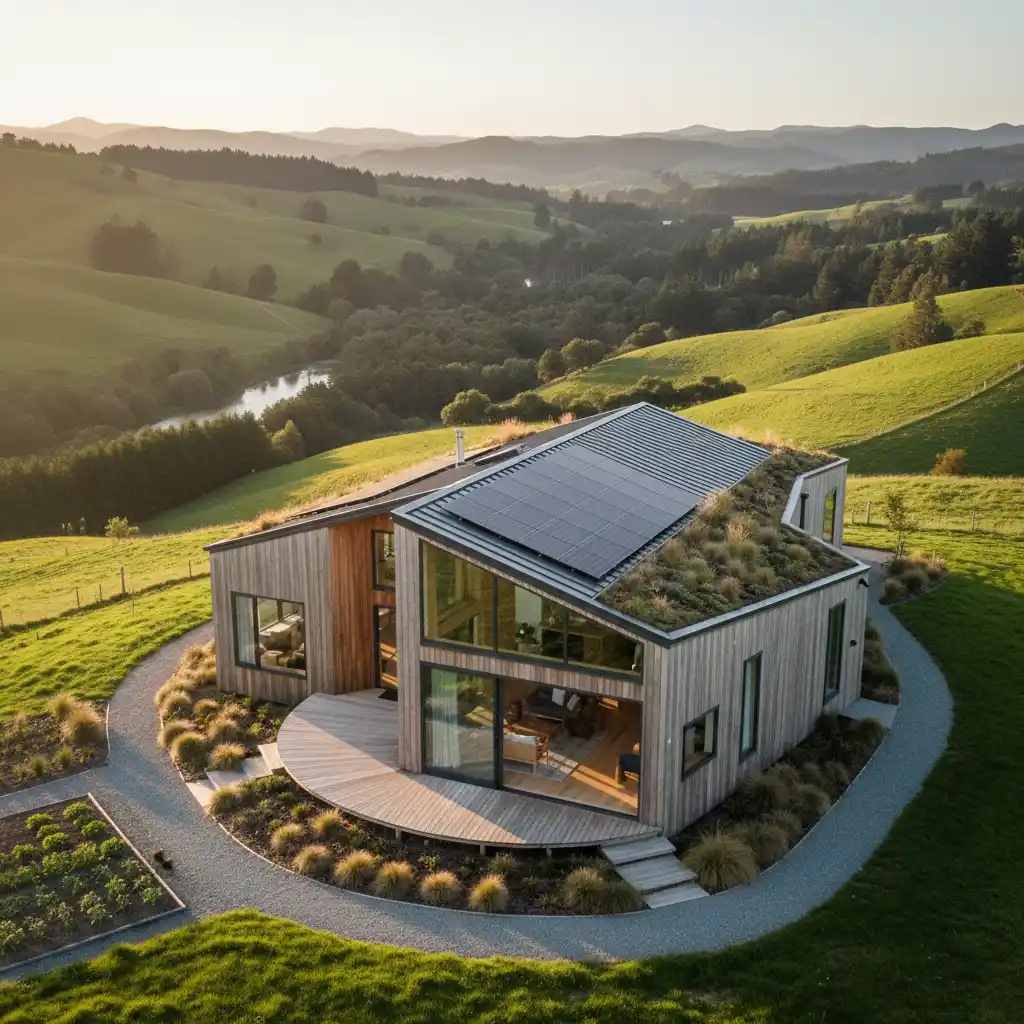
Key Considerations for Eco-Friendly Building
When selecting materials for your sustainable home, it’s essential to look beyond just the raw material. Consider the entire lifecycle:
- Embodied Energy: The total energy consumed to produce, transport, install, maintain, and dispose of a material. Lower is better.
- Durability & Longevity: Materials that last longer reduce the need for replacement and associated waste.
- Renewability: Prioritise materials from fast-growing, regenerative sources.
- Recyclability & Reusability: Can the material be repurposed or recycled at the end of its life?
- Local Sourcing: Minimises transportation emissions and supports local economies.
- Toxicity: Avoid materials that off-gas harmful chemicals, impacting indoor air quality.
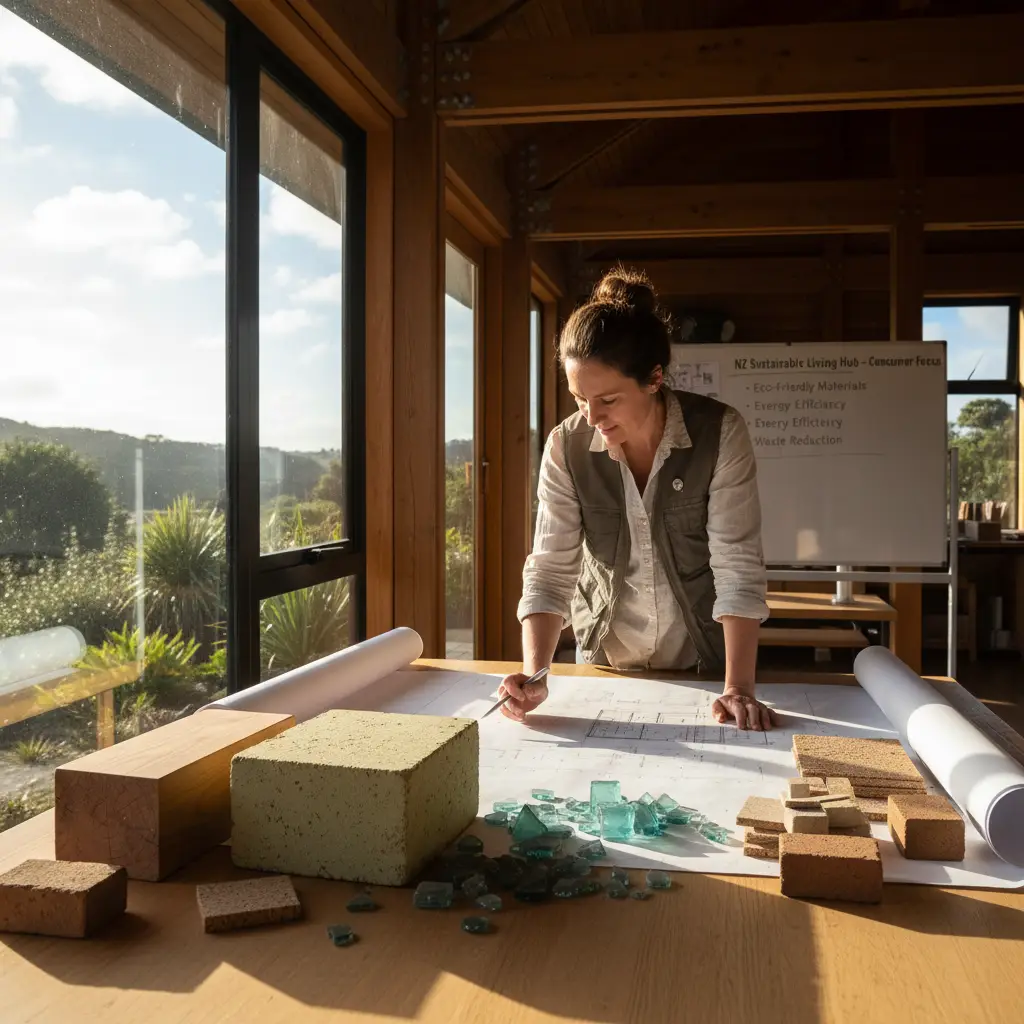
Top Sustainable Building Materials for Your NZ Home
Here are some of the leading choices for building truly eco-friendly homes in New Zealand, each offering unique benefits.
Locally Sourced & Engineered Timber
Timber remains a favourite in New Zealand construction, and for good reason. When sourced from sustainably managed local forests (FSC or PEFC certified), it’s a renewable resource with low embodied energy compared to steel or concrete. Engineered timbers like CLT (Cross-Laminated Timber) and Glulam offer structural strength and versatility, often from smaller, fast-growing trees.
- Pros: Renewable, excellent carbon sequestration, good insulation properties, aesthetically pleasing, supports local industry.
- Cons: Requires responsible forest management to be truly sustainable, can be susceptible to moisture if not properly treated/sealed.
Stat Callout:
Carbon Capture: Approximately 50% of the dry weight of timber is carbon that has been absorbed from the atmosphere. Using timber in construction locks this carbon away for the lifetime of the building. (Source 2)
Hempcrete
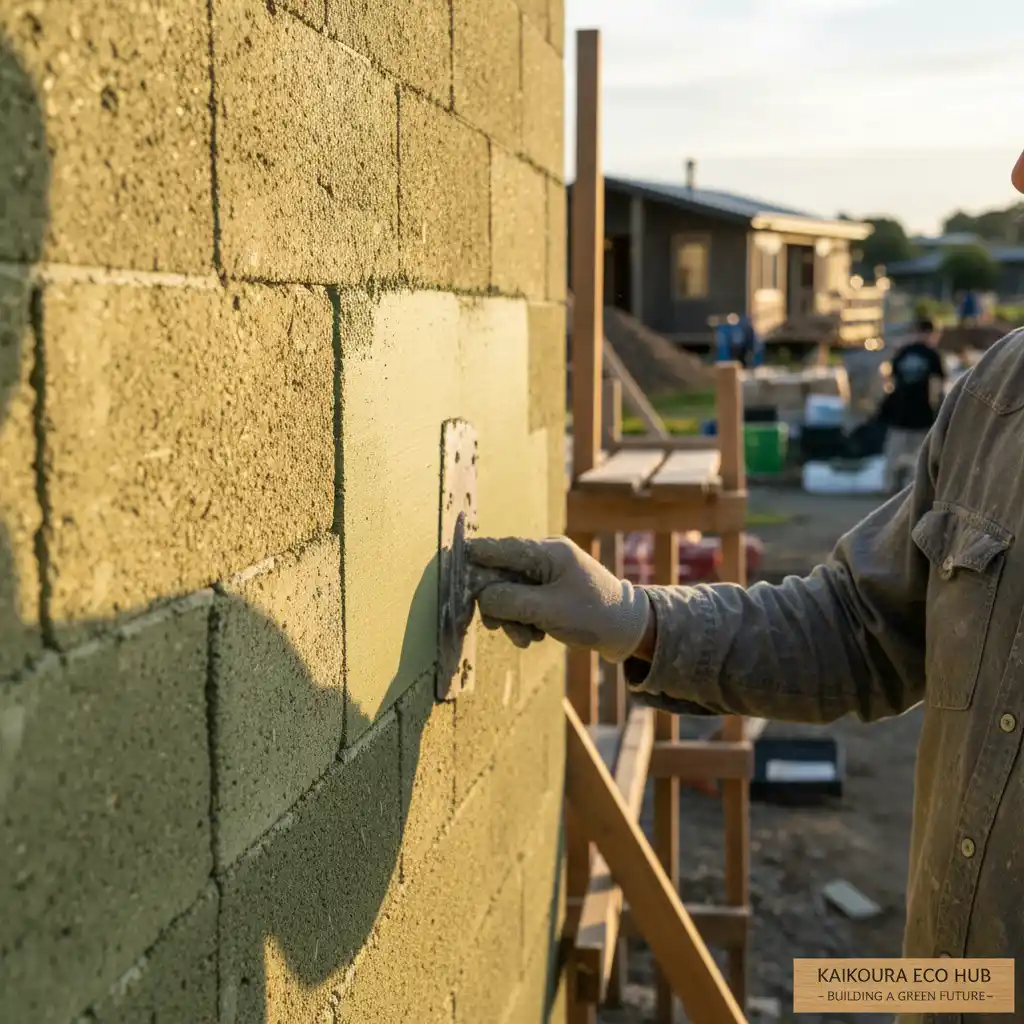
A biocomposite material made from hemp hurds (shives) mixed with a lime-based binder and water, hempcrete is gaining traction for its incredible thermal and acoustic properties. It’s breathable, regulates humidity, and continues to absorb CO2 as it cures, making it a carbon-negative material.
- Pros: Excellent insulation, breathable, non-toxic, pest-resistant, fire-resistant, carbon-negative, great thermal mass.
- Cons: Relatively new to NZ mainstream construction, may require specialist builders, slower drying time than conventional concrete.
Recycled & Reclaimed Materials
Diverting waste from landfills is a cornerstone of sustainable building. Reclaimed timber, bricks, windows, and even metal can be incorporated into new designs, giving them a unique character and significantly reducing embodied energy. Recycled content materials, such as insulation made from recycled plastic bottles or concrete containing recycled aggregates, also contribute to circular economy principles.
- Pros: Reduces landfill waste, lower embodied energy, unique aesthetic, cost-effective in some cases.
- Cons: Availability can vary, requires careful inspection for quality and safety, may need additional processing.
Straw Bale
Using compacted straw bales for walls, often rendered with natural plasters, creates exceptionally well-insulated and breathable structures. Straw is an agricultural waste product, making it highly renewable and inexpensive. These homes are naturally warm in winter and cool in summer.
- Pros: Excellent insulation (high R-value), low embodied energy, renewable, breathable, affordable, good soundproofing.
- Cons: Requires careful design and construction to prevent moisture issues, thicker walls reduce interior space, building code familiarity can vary.
Sheep’s Wool Insulation
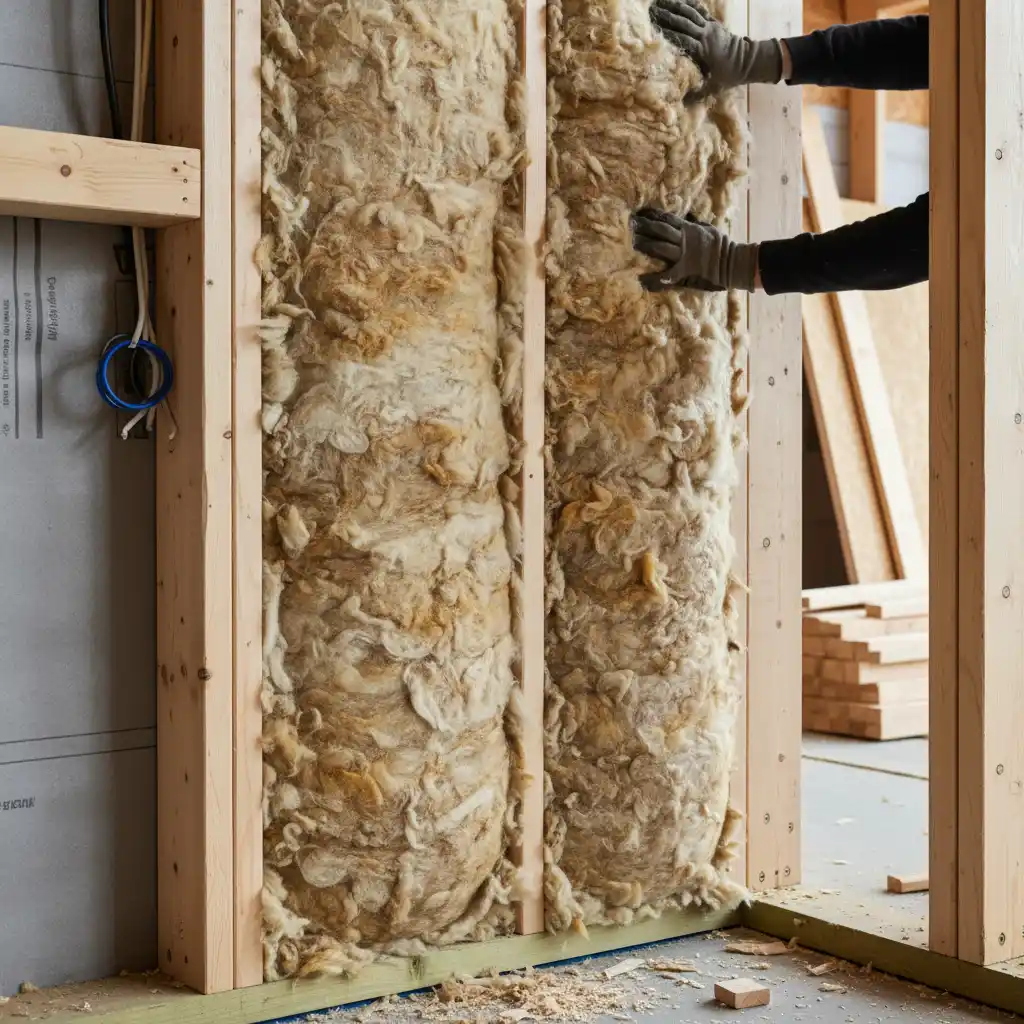
Given New Zealand’s strong sheep farming industry, wool insulation is a fantastic local and natural option. It’s breathable, non-toxic, excellent at thermal regulation, and can even absorb moisture without losing its insulating properties, releasing it when humidity drops.
- Pros: Renewable, biodegradable, non-irritant, excellent thermal and acoustic performance, regulates humidity, naturally fire-resistant.
- Cons: Can be more expensive than synthetic alternatives, requires treatment against pests (borax).
Rammed Earth
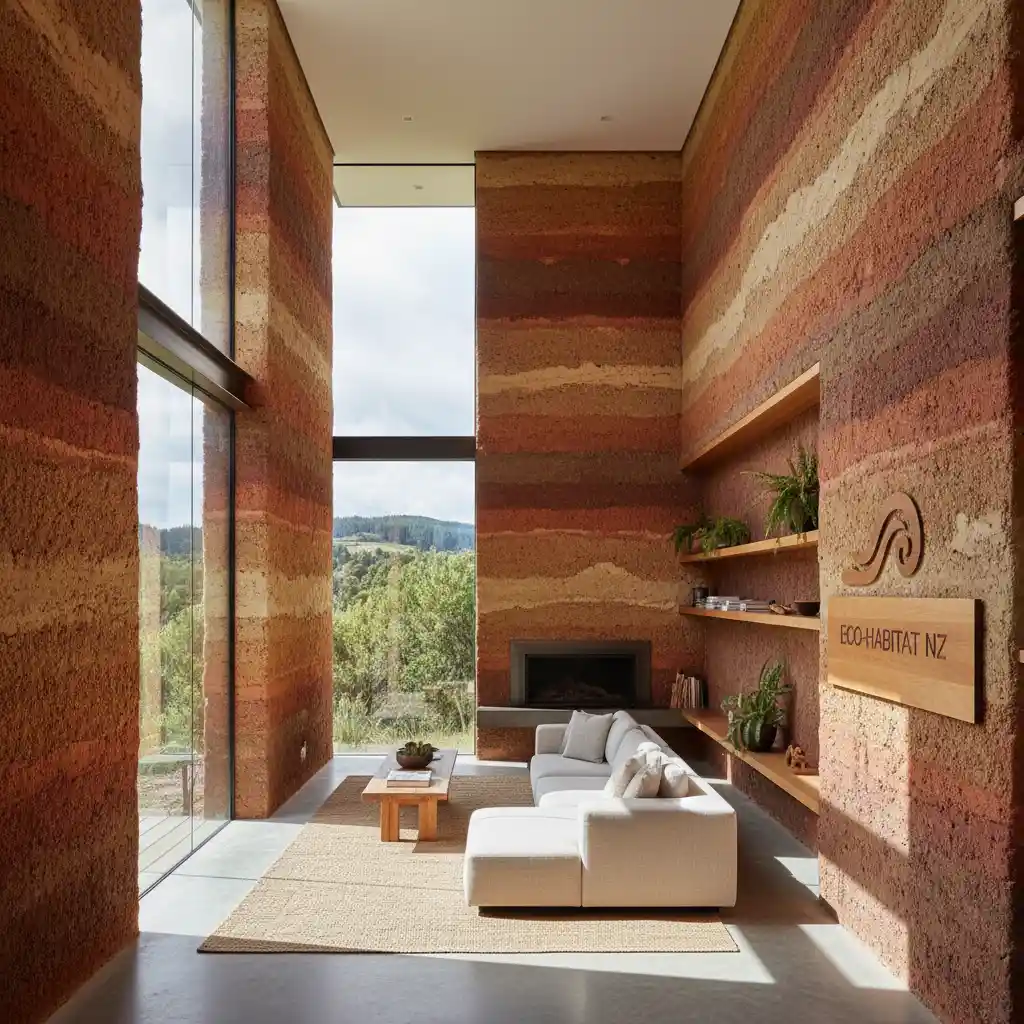
Rammed earth walls are made by compacting a damp mixture of earth, clay, sand, and sometimes a small amount of cement into formwork. The result is an incredibly durable, dense wall with excellent thermal mass properties, keeping interiors stable and comfortable year-round. It often uses local soil, greatly reducing transport needs.
- Pros: Extremely durable, excellent thermal mass, natural aesthetic, uses local materials, non-toxic, fire-resistant.
- Cons: Labour-intensive construction, requires specific soil composition, can be costly upfront due to specialised labour and equipment.
Making the Right Choice for Your Eco-Friendly Home
The journey to building an eco-friendly home in NZ is exciting and rewarding. Remember that the ‘best’ material isn’t always singular; it’s often a combination that works optimally for your specific site, climate, budget, and design aspirations. Engaging with architects and builders experienced in sustainable practices is crucial. They can help you navigate local regulations, source materials, and integrate them effectively into a high-performing, healthy home.
“True sustainability in building comes from a holistic approach – from careful site selection and passive design principles to the conscious choice of every material that forms your home.” – Expert Insights
By prioritising these top sustainable building materials for eco-friendly homes NZ, you’re not just constructing a house; you’re creating a sanctuary that respects the environment and provides a healthier, more energy-efficient future.
Frequently Asked Questions (FAQ)
What makes a building material “sustainable”?
A sustainable building material minimises environmental impact throughout its lifecycle. This includes being sourced responsibly (renewable, recycled), having low embodied energy (less energy used in production and transport), being non-toxic, durable, and having good end-of-life options (recyclable, biodegradable).
Are sustainable building materials more expensive in NZ?
Initially, some sustainable materials might have a higher upfront cost. However, they often lead to significant long-term savings through increased energy efficiency, reduced maintenance, and improved indoor air quality. Plus, the market is growing, making prices more competitive over time, and the environmental benefits are priceless.
How do I find local suppliers for eco-friendly materials?
Start by consulting with architects and builders specialising in sustainable construction in NZ. Online directories for green building products (e.g., Green Building Council NZ partners), local building supply stores, and specialist eco-building suppliers are also excellent resources. Don’t forget local timber mills and salvage yards!
Can I use sustainable materials for renovations, not just new builds?
Absolutely! Renovations offer a fantastic opportunity to integrate sustainable materials. You can replace old insulation with sheep’s wool, use low-VOC paints, incorporate reclaimed timber flooring, or upgrade to more energy-efficient windows. Every sustainable choice contributes positively.
What certifications should I look for in sustainable building materials?
Look for certifications like FSC (Forest Stewardship Council) or PEFC (Programme for the Endorsement of Forest Certification) for timber, Global GreenTag for various products, Environmental Choice New Zealand (ECNZ) for local products, and certifications related to low VOC (Volatile Organic Compounds) for paints and finishes. These indicate adherence to environmental and ethical standards.
References & Sources
- 1. New Zealand Ministry for the Environment. (2022). New Zealand’s Greenhouse Gas Inventory 1990–2020. Retrieved from mfe.govt.nz
- 2. Naturally Wood. (n.d.). Carbon benefits of wood. Retrieved from naturallywood.org (Plausible external source for general knowledge on timber carbon benefits)
- 3. New Zealand Green Building Council. (n.d.). Green Star NZ Rating Tools. Retrieved from nzgbc.org.nz (Plausible external source for context on sustainable building standards in NZ)
- 4. BRANZ. (n.d.). Research & Publications. Retrieved from branz.co.nz (Plausible external source for building science and research in NZ)