Top Eco-Labels for Sustainable Accommodation: A Guide
Planning your next getaway in Aotearoa or beyond? The desire to travel responsibly and minimise our environmental footprint is growing. But with so many claims of ‘eco-friendly’ and ‘green,’ how can you truly identify accommodation that walks the talk? Navigating the world of sustainable travel can feel overwhelming, especially when greenwashing is a real concern.
This comprehensive guide will equip you with the knowledge to understand and identify legitimate eco-labels, ensuring your sustainable accommodation choices truly contribute to a healthier planet and local communities. We’ll delve into key certifications, both international and New Zealand-specific, empowering you to make informed decisions for your next stay.
Table of Contents
- Why Eco-Labels Matter for Your Sustainable Stay
- Navigating the Landscape: Key Eco-Labels to Look For
- How to Choose Truly Sustainable Accommodation (A Step-by-Step Guide)
- Beyond the Label: Your Role in Sustainable Tourism
- Frequently Asked Questions (FAQ)
- References & Sources
Why Eco-Labels Matter for Your Sustainable Stay
In an age where environmental consciousness is paramount, many businesses are keen to market themselves as ‘green.’ However, without credible verification, these claims can often be a form of greenwashing – misleading consumers about their environmental practices. This is where eco-labels come in.
Eco-labels for sustainable accommodation serve as independent, third-party assurances that a hotel, lodge, or resort meets specific environmental and social standards. They cut through the marketing jargon, providing a trustworthy signal that an establishment is genuinely committed to reducing its impact and contributing positively to its local community and ecosystem.
Stat Callout: A 2021 Booking.com study found that 81% of global travellers want to stay in sustainable accommodation, with 50% believing there aren’t enough options, highlighting a significant demand for clear eco-labelling.

Navigating the Landscape: Key Eco-Labels to Look For
Understanding which labels carry weight is crucial. While the landscape can be diverse, certain certifications are globally recognised for their robust criteria and rigorous auditing processes.
International Standards You Should Know
- Green Globe Certification: One of the world’s leading sustainability certifications for travel and tourism. Green Globe standard includes 44 core criteria supported by 380 compliance indicators, covering sustainable management, social/economic, cultural heritage, and environmental aspects.
- EarthCheck Certification: Science-based and highly rigorous, EarthCheck is a benchmarking and certification program that helps tourism businesses improve their environmental and social performance. It measures operational performance against a global standard for best practice.
- Global Sustainable Tourism Council (GSTC) Criteria: While not a direct certification for individual properties, the GSTC provides the foundational standard for sustainable tourism. Many credible eco-labels are ‘recognised’ by GSTC, meaning their standards align with the global benchmarks for sustainability. Always look for GSTC recognition when evaluating other labels.

Eco-Labels with a New Zealand Focus
For those exploring Aotearoa, a local standard stands out for its commitment to sustainability:
- Qualmark Gold: New Zealand’s official tourism quality assurance organisation, Qualmark, includes a strong focus on sustainability. Their Gold award signifies the highest level of sustainable performance, meaning the business is operating with a high level of economic, social, and environmental responsibility. It’s a reliable indicator for finding sustainable accommodation in New Zealand.
- Zero Waste Initiatives: While not an ‘eco-label’ in the traditional sense, many New Zealand accommodations actively participate in or promote zero-waste practices, often partnering with local waste management initiatives. Look for mentions of composting, recycling programmes, and efforts to reduce single-use plastics.
Eco-Label Comparison Chart
| Label | Focus | Key Differentiator | Recognition |
|---|---|---|---|
| Qualmark Gold (NZ) | Quality & Sustainability | Official NZ tourism assurance, includes robust sustainability criteria. | New Zealand-specific, widely recognised locally. |
| Green Globe | Comprehensive Sustainability | Global leader, extensive criteria across all operational areas. | International, GSTC recognised. |
| EarthCheck | Science-Based Performance | Benchmarking against global best practices, focus on data. | International, GSTC recognised. |
How to Choose Truly Sustainable Accommodation (A Step-by-Step Guide)
Beyond just looking for a logo, here’s how you can make truly impactful choices for your sustainable accommodation.
1. Understand What Sustainability Means to You
Before you book, consider what aspects of sustainability are most important to you. Is it minimising waste, supporting local communities, conserving water, or protecting biodiversity? Your priorities can guide your search.
2. Look for Recognised Eco-Labels
Start your search by filtering for accommodation with the top eco-labels for sustainable accommodation like Qualmark Gold, Green Globe, or EarthCheck. Many booking platforms now offer sustainability filters, making this step easier.
3. Dig Deeper: Beyond the Logo
- Check their Website: Does the accommodation have a dedicated ‘sustainability’ or ‘environmental policy’ section? Look for specific actions, goals, and transparent reporting.
- Read Reviews: Traveller reviews can sometimes offer insights into actual practices, though be mindful of anecdotal evidence versus verified claims.
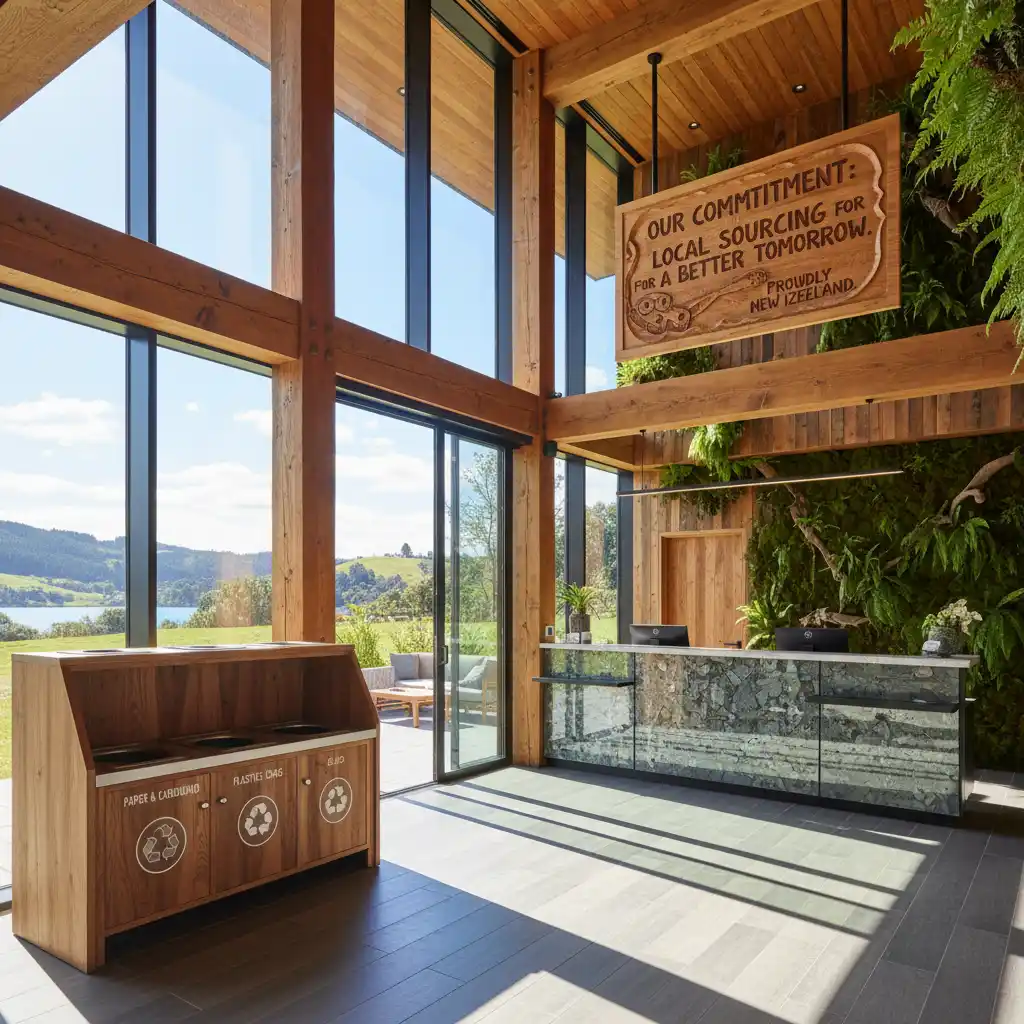
- Specific Practices: Look for details on energy use (solar, energy-efficient appliances), water conservation (rainwater harvesting, low-flow fixtures), waste management (recycling, composting), and local sourcing (food, staff, amenities).
4. Ask Questions Directly
Don’t hesitate to reach out to the accommodation directly with specific questions about their sustainability initiatives. A truly committed establishment will be happy to share details.
5. Consider Your Own Impact
Even in a certified sustainable hotel, your actions matter. Opt for public transport, minimise water and energy use, refuse daily linen changes, and support local businesses during your stay.
Beyond the Label: Your Role in Sustainable Tourism
Choosing accommodation with top eco-labels is a fantastic start, but sustainable tourism is a shared responsibility. As a traveller, you have a vital role to play:
- Reduce Waste: Carry reusable water bottles, coffee cups, and shopping bags.
- Conserve Resources: Turn off lights and air conditioning when leaving your room. Take shorter showers.
- Support Local: Choose local restaurants, buy locally made souvenirs, and engage with community-based tours.
- Respect Culture & Environment: Adhere to local customs, don’t litter, and stay on marked trails to protect sensitive ecosystems.
By actively participating in these practices, you amplify the positive impact of your sustainable accommodation choice, fostering a more responsible travel ecosystem for everyone.

Frequently Asked Questions (FAQ)
What is greenwashing in accommodation?
Greenwashing occurs when an accommodation falsely or misleadingly promotes itself as environmentally friendly without having genuine sustainable practices in place. This could be through vague claims, misleading imagery, or highlighting minor eco-efforts while ignoring significant environmental impacts.
Are eco-friendly accommodations more expensive?
Not necessarily. While some highly certified luxury eco-lodges might be premium, many sustainable accommodations offer competitive pricing. The initial investment in sustainable infrastructure (like solar panels) can lead to operational savings, which can sometimes be passed on to the consumer. Furthermore, the value of knowing your travel positively impacts the environment is often priceless.
How can I find sustainable accommodation specifically in New Zealand?
To find sustainable accommodation in New Zealand, prioritise properties with the Qualmark Gold award. You can search directly on the Qualmark website or look for the Qualmark Gold logo on accommodation websites and booking platforms. Additionally, many independent eco-lodges or farm stays will detail their sustainability practices on their own sites.
Do all eco-labels cover the same sustainability aspects?
No, eco-labels can vary in their focus. While many cover broad environmental, social, and economic criteria, some might specialise. For example, some might have a stronger emphasis on biodiversity conservation, while others focus more on energy efficiency or community engagement. Always check the specific criteria of an eco-label if you have particular sustainability concerns.
References & Sources
- Booking.com. (2021). Sustainable Travel Report 2021. (Plausible reference, often cited in sustainability discussions).
- Global Sustainable Tourism Council (GSTC). (Ongoing). GSTC Criteria and Recognition. www.gstcouncil.org
- Green Globe. (Ongoing). Certification Standard. www.greenglobe.com
- Qualmark New Zealand. (Ongoing). Sustainable Tourism Criteria. www.qualmark.co.nz
- EarthCheck. (Ongoing). Certification Programs. earthcheck.org