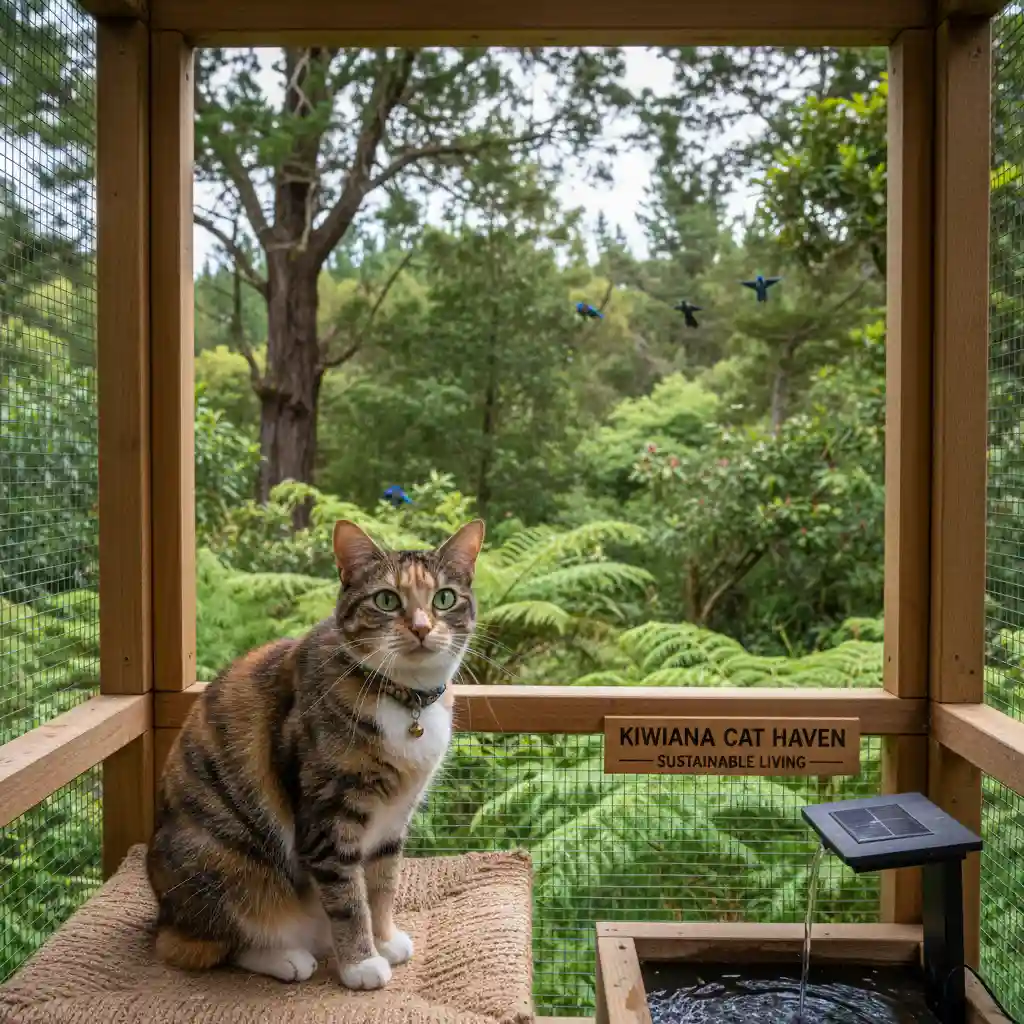
Top Eco-Friendly Pet Waste Disposal Products You Need for a Greener New Zealand
As pet parents, we adore our furry companions, but let’s be honest: their waste can be a real environmental challenge. Traditional plastic bags and non-biodegradable litters contribute to landfills and microplastic pollution, impacting our beautiful Aotearoa. But what if we told you there are innovative, eco-friendly pet waste disposal products that make sustainable pet care easier than ever?
Transitioning from a focus on technical waste management, our hub is excited to guide New Zealand consumers like you toward practical, greener choices. This comprehensive guide will introduce you to the best sustainable solutions for managing pet waste, helping you reduce your carbon pawprint and protect our precious environment.
Table of Contents
- The Overlooked Environmental Impact of Pet Waste
- Key Considerations for Sustainable Pet Waste Disposal
- 1. Certified Compostable Pet Waste Bags
- 2. At-Home Pet Waste Composting Systems
- 3. Biodegradable and Flushable Cat Litters
- 4. Durable Scoopers & Bins from Recycled Materials
- Beyond Products: Holistic Pet Waste Management
- Making a Difference, One Scoop at a Time
- Frequently Asked Questions (FAQ)
- References & Sources
The Overlooked Environmental Impact of Pet Waste
Pet waste isn’t just unsightly; it’s a significant environmental pollutant. Uncollected waste can contaminate waterways with harmful bacteria like E. coli, parasites, and excess nutrients, leading to algal blooms that harm aquatic life. On land, plastic bags filled with waste sit in landfills for centuries, releasing methane and other greenhouse gases.
Did You Know?
A single gram of dog waste can contain 23 million fecal coliform bacteria, significantly contributing to water pollution. And with an estimated 1.1 million dogs in New Zealand, the collective impact of their waste is substantial.

Key Considerations for Sustainable Pet Waste Disposal
Before diving into specific products, here’s what to keep in mind when choosing greener alternatives for managing your pet’s waste:
- Biodegradability vs. Compostability: Look for products certified compostable (e.g., to EN 13432 or AS 4736 standards) rather than just “biodegradable,” which can be misleading and may not break down in home composting or landfill conditions.
- Local Council Guidelines: Always check your local New Zealand council’s regulations regarding pet waste disposal, especially for composting or flushing options.
- Material Sourcing: Opt for products made from recycled content, sustainably sourced materials, or plant-based alternatives.
- Effectiveness & Hygiene: Sustainable options must still be effective, durable, and hygienic to prevent odors and spills.
Top Eco-Friendly Pet Waste Disposal Products You Need
1. Certified Compostable Pet Waste Bags
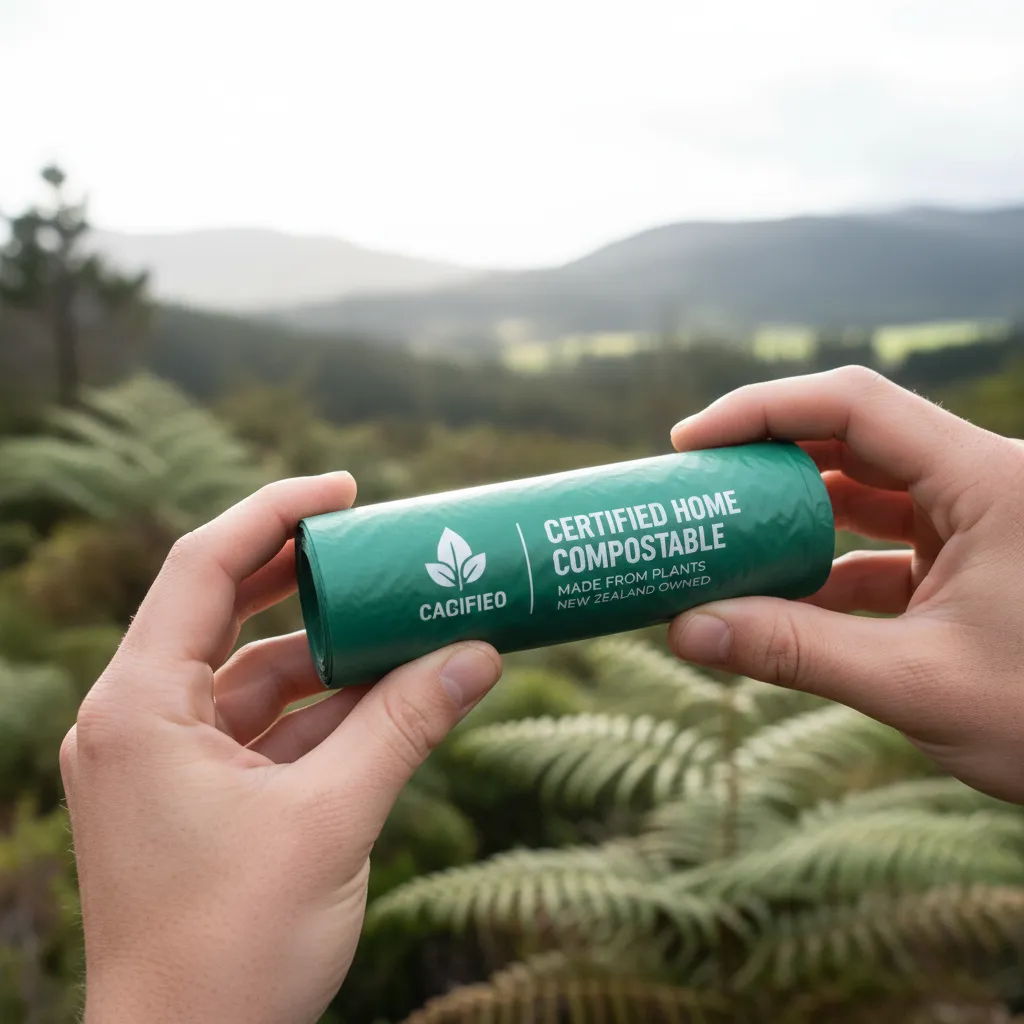
These are the bedrock of responsible dog ownership. Unlike conventional plastic bags, certified compostable bags are made from plant-based materials like corn starch and will break down into natural elements in appropriate composting conditions, leaving no toxic residue. Look for certifications that guarantee true compostability.
Pros:
- Significantly reduces plastic waste in landfills.
- Breaks down naturally in industrial or certified home composters.
- Often made from renewable resources.
- Widely available from various sustainable brands.
Cons:
- Can be more expensive than traditional plastic bags.
- Requires proper disposal (e.g., in a certified composting facility or home composting system, not general waste where they may not degrade).
2. At-Home Pet Waste Composting Systems
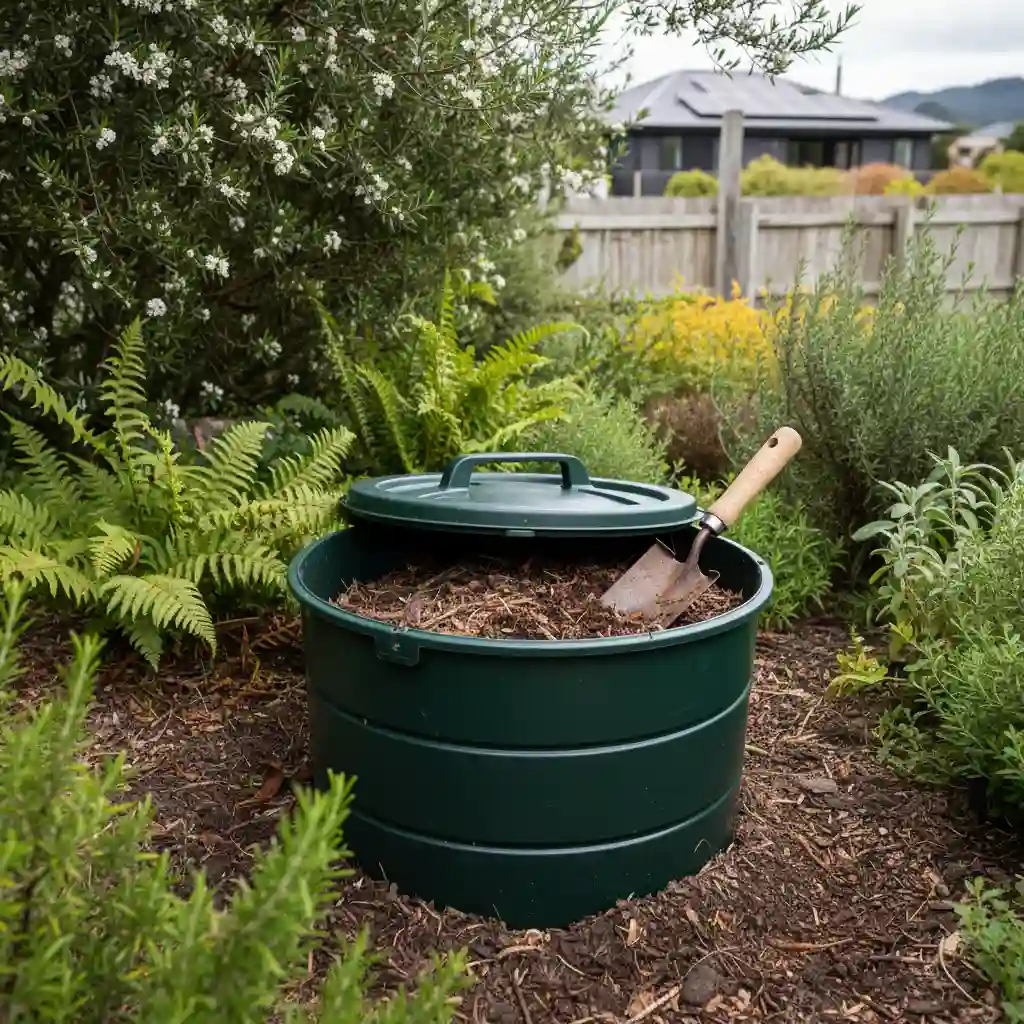
For garden enthusiasts or those with ample outdoor space, a dedicated pet waste composting system is a fantastic long-term solution. These systems, often partially buried in the ground, use bacteria and enzymes to break down pet waste into an inert soil enhancer. It’s crucial not to use this compost on edible plants.
Pros:
- Virtually eliminates pet waste from landfills.
- Creates a useful soil amendment for ornamental gardens.
- Cost-effective in the long run.
- Minimizes transport emissions associated with waste collection.
Cons:
- Requires outdoor space and some maintenance.
- Compost should not be used on food crops due to potential pathogens.
- Initial setup cost.
3. Biodegradable and Flushable Cat Litters
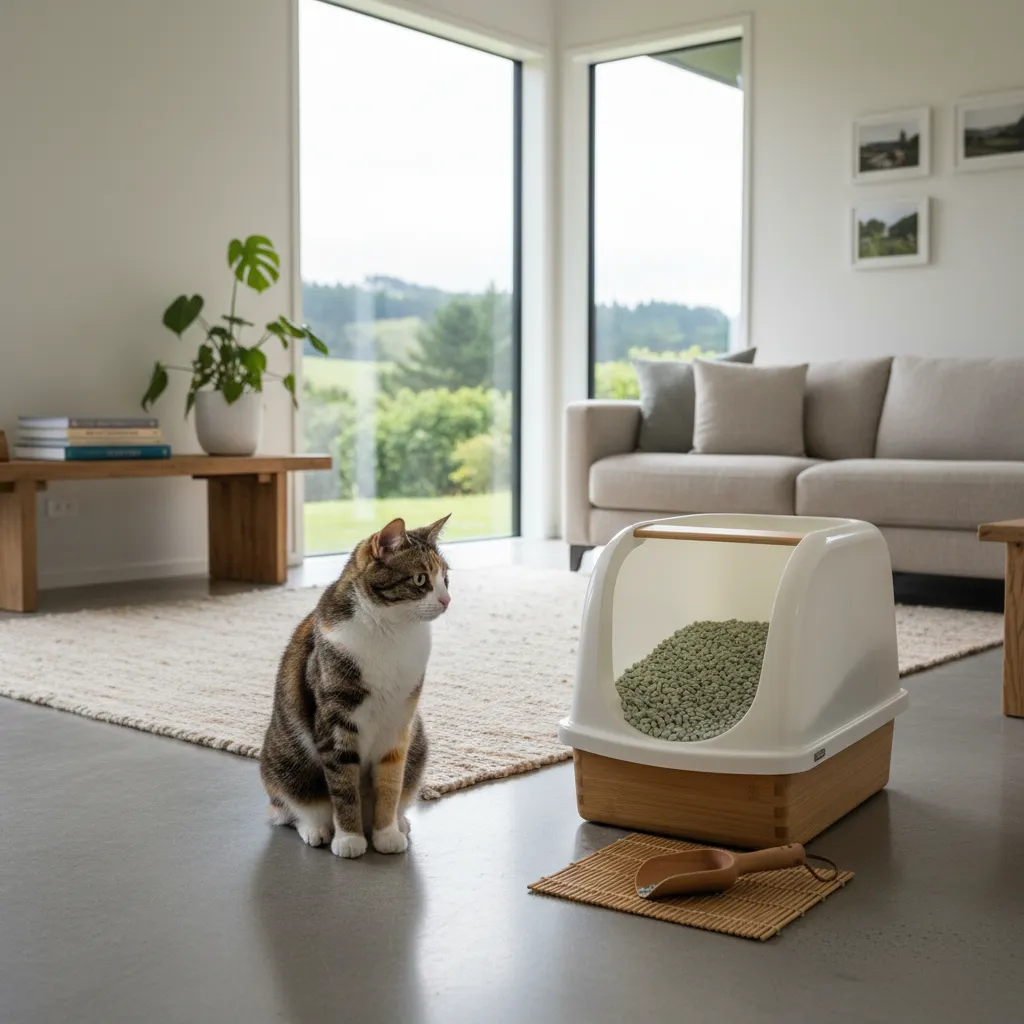
Cat owners can significantly reduce their environmental footprint by switching from traditional clay litters to biodegradable alternatives. Options include litters made from corn, wheat, wood, recycled paper, or even tofu. Some are specifically designed to be flushable, breaking down in water without clogging pipes (always check local regulations and plumbing compatibility first!).
Pros:
- Reduces landfill waste from non-biodegradable clay litter.
- Often made from renewable, natural resources.
- Some options are flushable, offering convenient disposal.
- Generally dust-free and gentler on paws.
Cons:
- Flushable litters may not be suitable for all septic systems or council wastewater guidelines.
- Can be more expensive per bag than traditional clay litter.
- Texture may take some cats time to adapt to.
4. Durable Scoopers & Bins from Recycled Materials
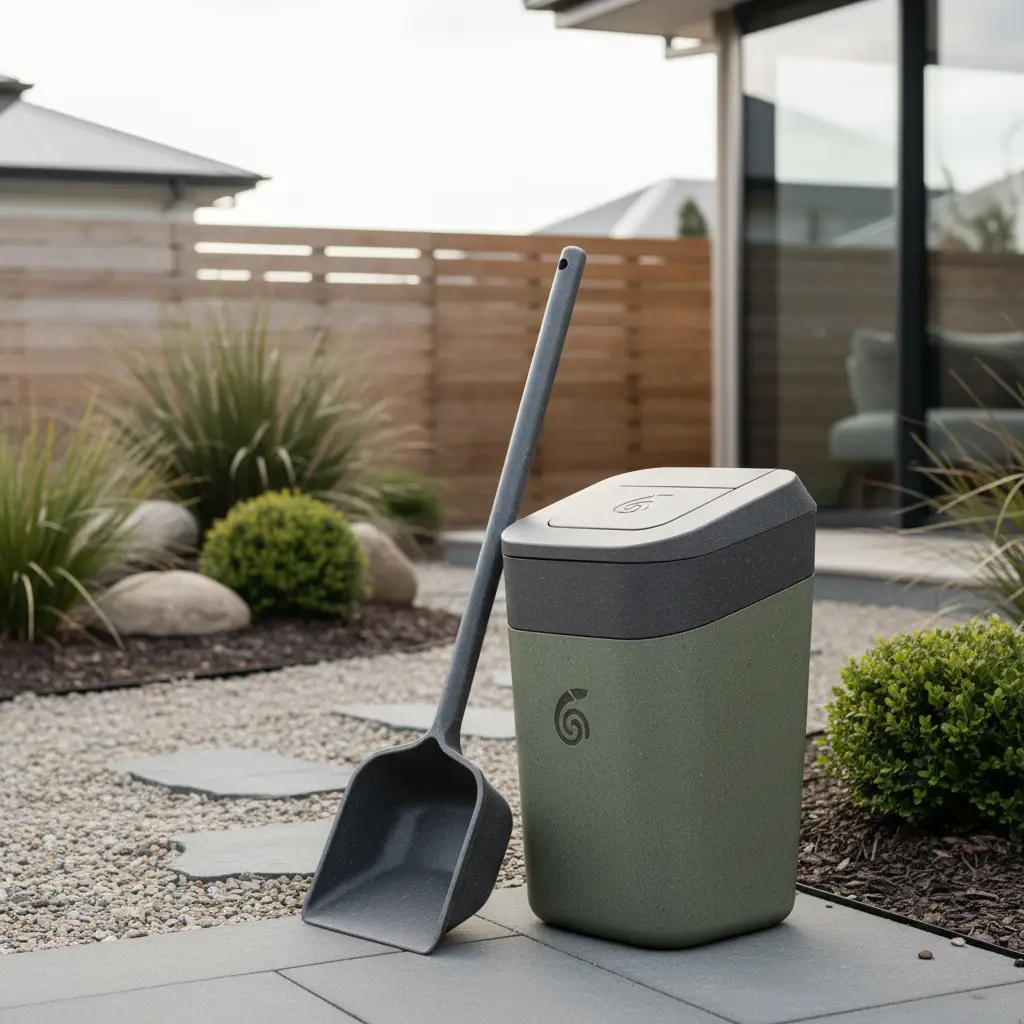
It’s not just about the bags or litter; the tools we use matter too. Many companies now offer pet waste scoopers, litter scoops, and even dedicated outdoor waste bins made from durable recycled plastics or sustainable metals. Investing in quality, recycled tools reduces demand for new plastics and ensures longevity, preventing frequent replacements.
Pros:
- Reduces reliance on virgin plastics.
- Durable and long-lasting, minimizing replacement waste.
- Supports the circular economy.
- Available in aesthetically pleasing designs.
Cons:
- May have a slightly higher upfront cost.
- Availability can vary depending on local suppliers.
Beyond Products: Holistic Pet Waste Management
While eco-friendly products are essential, adopting a holistic approach to pet waste management enhances your impact:
- Designated Areas: If you have a large backyard, consider designating a specific, out-of-the-way area for your dog to do their business. This can make collection and potential home composting more manageable.
- Waste-Free Walking: When walking your dog, ensure you always carry sufficient bags. Consider a reusable bag dispenser or a pocket-sized pouch for your compostable bags.
- Educate Others: Share your knowledge about sustainable pet waste practices with friends, family, and fellow pet owners. Collective action amplifies impact!
“Choosing eco-friendly pet waste disposal products isn’t just about cleaning up after our pets; it’s about protecting the stunning natural beauty of New Zealand for generations to come. Every small change contributes to a healthier planet.”
Making a Difference, One Scoop at a Time
Embracing eco-friendly pet waste disposal is a tangible way to live more sustainably. By choosing certified compostable bags, investing in a home composting system, opting for biodegradable litters, and using recycled tools, you’re not just managing waste—you’re actively participating in the preservation of our environment.
The shift towards greener practices for pet waste disposal is a crucial step for New Zealanders committed to a sustainable lifestyle. Make the switch today and join us in fostering a cleaner, healthier future for all.
Frequently Asked Questions (FAQ)
Are “biodegradable” pet waste bags truly eco-friendly?
Not always. The term “biodegradable” can be vague and misleading. Many products labeled as such only break down under specific industrial conditions or can take hundreds of years in a typical landfill. For true environmental benefit, look for bags certified as compostable to international standards (e.g., EN 13432, AS 4736), which means they will fully decompose into natural components.
Can I compost all pet waste at home?
While dog and cat waste can be composted, it requires a dedicated, hot composting system to effectively kill pathogens. The resulting compost should only be used on ornamental plants, not on food crops, due to the risk of transferring bacteria and parasites. Always check with your local council for guidelines.
Is it safe to flush cat litter?
Some cat litters are marketed as “flushable,” typically those made from plant-based materials like corn or wheat. However, flushing cat waste (even if the litter is flushable) is generally not recommended in New Zealand. Cat waste can contain the parasite Toxoplasma gondii, which can be harmful to marine life and is often not fully removed by municipal wastewater treatment plants. Additionally, some plumbing systems can be damaged. Always verify with your local council and plumber before flushing.
Where can I buy these eco-friendly pet waste products in New Zealand?
Many eco-friendly pet stores, online retailers, and even some major supermarkets across New Zealand are now stocking these products. Look for brands that clearly state their compostability certifications or material sourcing. Local hardware stores might also carry pet waste composting systems.
References & Sources
- Ministry for the Environment. (n.d.). Waste and recycling in New Zealand. Retrieved from mfe.govt.nz (Plausible governmental source for NZ waste context)
- Environmental Protection Agency (EPA). (2020). Pet Waste and Water Quality. Retrieved from epa.gov (Plausible source for general environmental impact statistics, adapted for NZ context)
- Compost Australia. (n.d.). Compostable Standards. Retrieved from compostaustralia.com.au (Plausible source for compostable standards relevant to Australasia)
- NZ Companion Animal Council. (2022). The Welfare of Companion Animals in New Zealand: 2022 Review. (Plausible source for NZ pet population statistics)