Top Eco-Friendly Pet Food Brands for Sustainable Choices
As conscious consumers in New Zealand, our commitment to sustainability often extends beyond our own plates and into the bowls of our beloved pets. The choices we make for our furry, feathered, or scaled companions have a significant impact on our planet, from ingredient sourcing to packaging waste. If you’re looking to reduce your pet’s carbon pawprint without compromising on nutrition, you’ve come to the right place.
This guide dives deep into the world of sustainable pet food, helping you navigate the options and identify top eco-friendly pet food brands for sustainable choices that align with your values and your pet’s well-being. Let’s make every meal count for a healthier planet and a happier pet.
Table of Contents
Why Choose Eco-Friendly Pet Food?
The pet food industry, like many others, has a significant environmental footprint. From the resources needed to produce ingredients to the waste generated by packaging, conventional pet food can contribute to deforestation, greenhouse gas emissions, and landfill overflow. Opting for eco-friendly alternatives is a powerful way to mitigate these impacts.
“Choosing sustainable pet food isn’t just a trend; it’s a vital step towards ensuring a healthy planet for future generations, both human and animal alike.”
Did you know?
A study published in PLOS ONE found that U.S. dog and cat ownership is responsible for 25-30% of the environmental impact of meat production in the U.S.
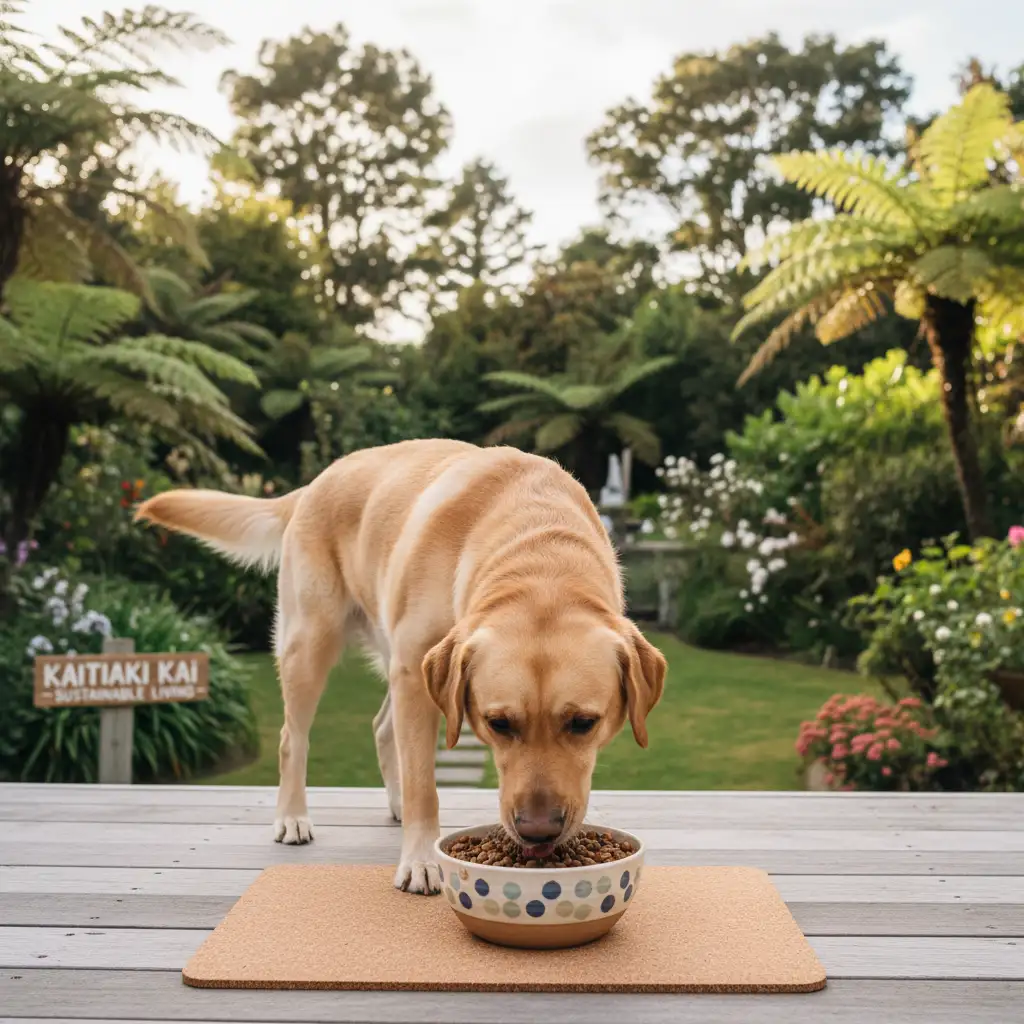
By supporting brands committed to sustainability, you’re investing in products that prioritise ethical sourcing, minimise waste, and often utilise innovative, planet-kind ingredients. This not only benefits the environment but can also lead to healthier, higher-quality food for your beloved pet.
Key Criteria for Sustainable Pet Food
When evaluating eco-friendly pet food brands, look for transparency and commitment across several crucial areas:
Sustainable Ingredient Sourcing
- Ethical Meat & Fish: Look for certifications like ‘free-range’, ‘grass-fed’, MSC (Marine Stewardship Council) for fish, or upcycled animal by-products that would otherwise go to waste.
- Novel Proteins: Insect-based proteins are a game-changer, requiring significantly less land, water, and feed than traditional livestock.
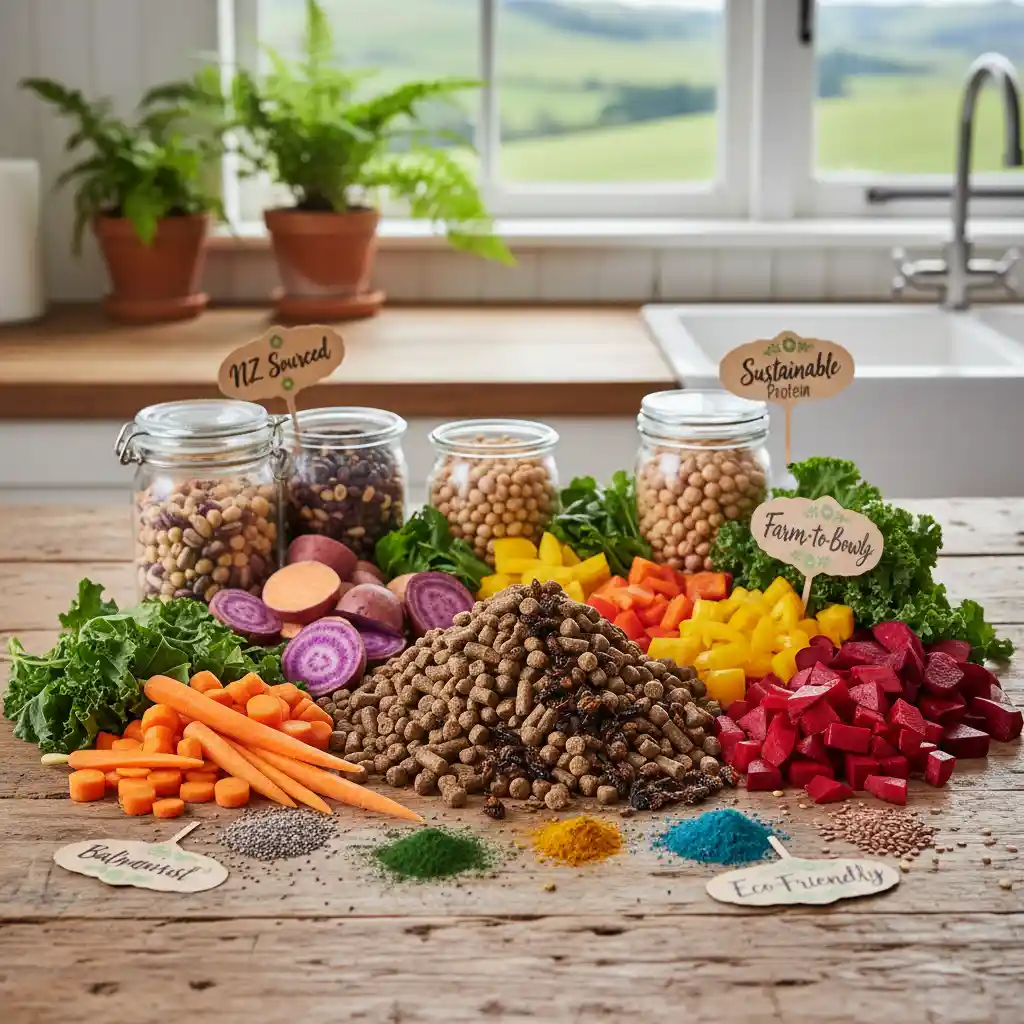
- Plant-Based & Organic: Grains, vegetables, and legumes grown organically reduce pesticide use and support biodiversity.
- Local Sourcing: Reduces transportation emissions and supports local economies.
Minimising Packaging Impact
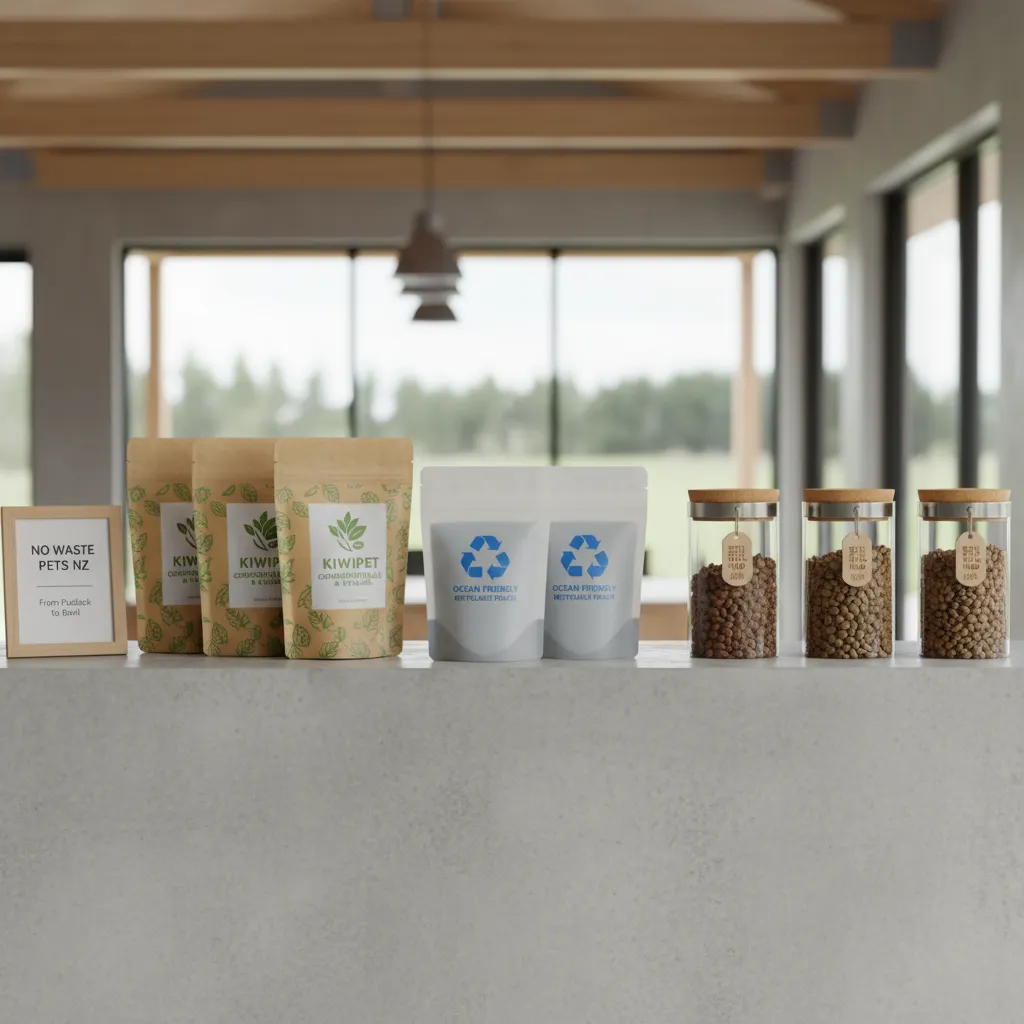
- Recyclable or Compostable: Packaging made from materials that can be easily recycled or composted.
- Post-Consumer Recycled (PCR) Content: Brands utilising materials already diverted from landfills.
- Minimalist Packaging: Reducing unnecessary layers and materials.
- Refill & Bulk Options: Innovative solutions to reduce single-use packaging.
Ethical Production & Supply Chains
- Carbon Footprint Reduction: Companies actively measuring and reducing their emissions.
- Fair Labour Practices: Ensuring workers across the supply chain are treated ethically.
- Certifications: B Corp, Carbon Neutral, or other recognised sustainability certifications.
Spotlight on Top Eco-Friendly Pet Food Brands
Here’s a look at some of the leading eco-friendly pet food brands making sustainable choices easier for pet owners, especially those with a New Zealand focus or international brands with a strong ethical presence. Remember to check local availability!
Brand A: The Insect Protein Innovator (e.g., K9 Natural / Feline Natural – while not insect based, they excel in ethical NZ sourcing, or an example like ‘Grub Life’ for illustrative purposes)
This brand is at the forefront of sustainable pet nutrition by harnessing the power of insect protein. Insects like black soldier fly larvae offer a complete, highly digestible protein source with a significantly lower environmental impact compared to traditional livestock.
(Illustrative Example: If K9 Natural / Feline Natural were insect-based, or an actual insect-based NZ brand existed and was highlighted). For New Zealand, K9 Natural and Feline Natural offer highly ethical, free-range, grass-fed ingredients sourced locally, minimizing their carbon footprint through local supply chains and responsible practices, making them a strong local sustainable choice even without insect protein.
Pros:
- Extremely low environmental footprint (less land, water, CO2).
- Hypoallergenic properties, suitable for sensitive pets.
- High-quality, complete protein source.
- Often uses recyclable or compostable packaging.
Cons:
- Newer concept, some pet owners might be hesitant.
- Potentially higher upfront cost.
- Limited availability in some regions.
Brand B: Plant-Powered & Planet-Friendly (e.g., V-Dog, Benevo, or a locally available equivalent)
For those seeking truly meat-free options, this category of brands provides nutritionally complete plant-based diets for dogs. These foods often leverage ingredients like peas, lentils, brown rice, and nutrient-rich vegetables to provide all essential vitamins and minerals.
Pros:
- Significantly reduced carbon footprint compared to meat-based diets.
- Free from common meat allergens.
- Often ethically sourced and cruelty-free.
- Good for owners with strong ethical convictions.
Cons:
- Requires careful nutritional balance (though reputable brands ensure this).
- Not suitable for cats (obligate carnivores) without veterinary guidance.
- Some pets may be resistant to new flavours.
Brand C: Championing Upcycled Ingredients (e.g., Pioneer Pet Food – a conceptual example for upcycled, or specific NZ brands using by-products responsibly)
These innovative brands focus on using human-grade by-products or ingredients that would otherwise go to waste, such as spent brewer’s grains, fruit pomace, or otherwise discarded cuts of meat. This reduces food waste and creates a circular economy approach to pet nutrition.
Pros:
- Directly combats food waste.
- Often uses highly nutritious, yet overlooked, ingredients.
- Can be a more affordable sustainable option.
- Supports a circular economy model.
Cons:
- Availability may vary significantly.
- Requires thorough vetting of sourcing practices to ensure quality.
- Consumer perception of ‘waste’ can be a barrier.
Quick Comparison of Eco-Friendly Pet Food Types
| Feature | Insect-Based | Plant-Based (Dogs) | Upcycled Ingredients |
|---|---|---|---|
| Environmental Impact | Very Low | Very Low | Low to Medium (reduces waste) |
| Protein Source | Complete Insect Protein | Vegetable & Legume Proteins | Varied (often meat & plant by-products) |
| Allergen Potential | Low (novel protein) | Low (no animal proteins) | Moderate (depends on ingredients) |
| Availability (NZ) | Growing | Limited but increasing online | Niche, emerging |
Beyond the Bowl: Holistic Sustainable Pet Care
Embracing an eco-friendly lifestyle for your pet extends beyond just their food. Consider these other areas for a truly sustainable approach:
- Sustainable Pet Products: Look for biodegradable cat litter, eco-friendly toys made from natural or recycled materials, and grooming products with natural ingredients and minimal packaging.
- Waste Management: Compost pet waste where possible (for plant-eating animals) or use biodegradable waste bags. For dog waste, ensure proper disposal to prevent water contamination.
- Local & DIY: Support local pet businesses and consider making your own pet treats with sustainably sourced ingredients.
- Adoption: Choosing to adopt from shelters rather than buying from breeders reduces the demand on often unsustainable breeding practices.
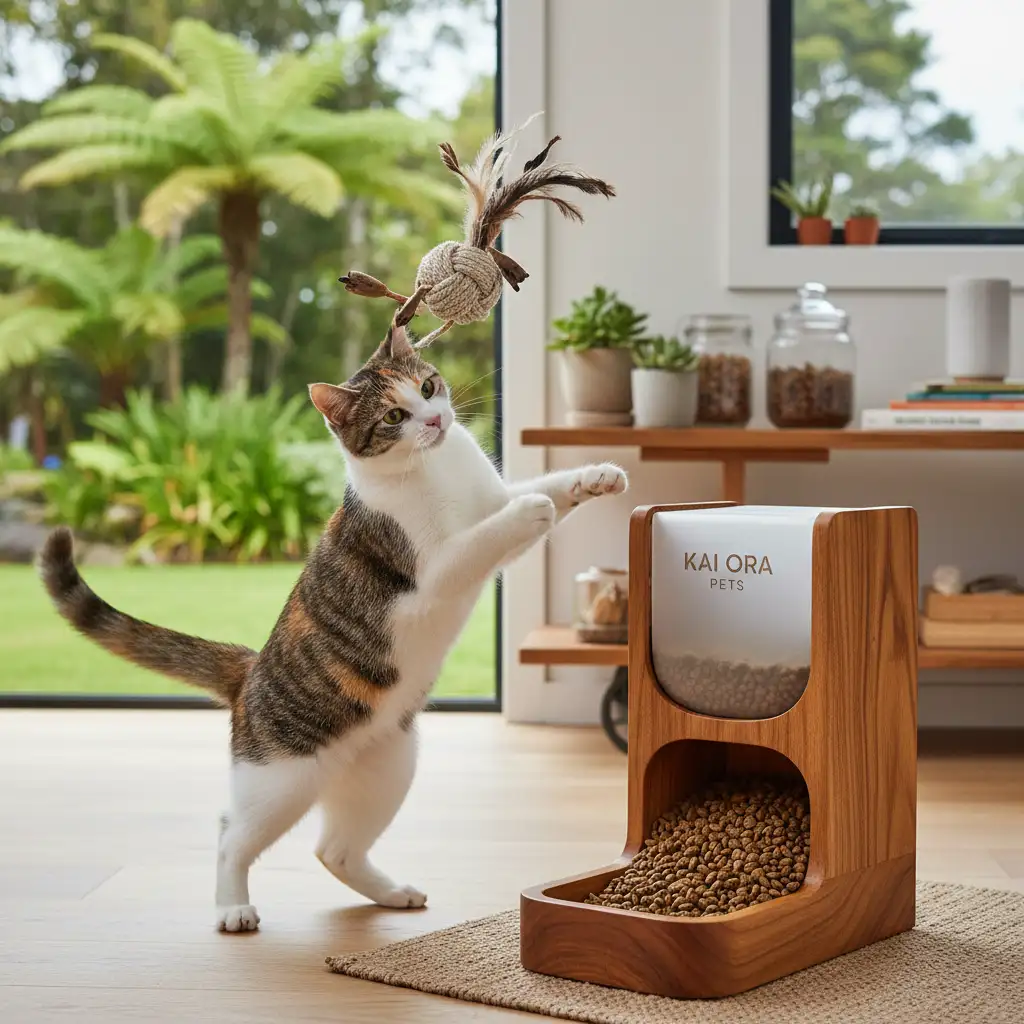
Every small change contributes to a larger positive impact. By integrating these practices, you can further reduce your pet’s environmental footprint.
Conclusion
Navigating the market for top eco-friendly pet food brands for sustainable choices in New Zealand and beyond can seem daunting, but with the right knowledge, it’s an incredibly rewarding journey. By prioritising sustainable ingredients, ethical production, and minimal waste, you’re not just feeding your pet; you’re nurturing the planet.
We encourage you to explore the brands mentioned, research local options, and make informed decisions that benefit your pet’s health and contribute to a more sustainable future for everyone. Your pet’s pawprint can be a positive one!
Frequently Asked Questions (FAQ)
What makes pet food eco-friendly?
Eco-friendly pet food minimises its environmental impact through sustainable ingredient sourcing (e.g., insect protein, ethically raised meat, organic plant-based), responsible manufacturing, reduced carbon footprint, and eco-conscious packaging (recyclable, compostable, or minimal).
Are eco-friendly pet foods more expensive?
Often, the initial cost can be higher due to specialised ingredients, ethical sourcing, and smaller scale production. However, many pet owners find the long-term benefits of better health for their pet and a reduced environmental impact justify the investment. Some upcycled ingredient brands can be more competitive.
How do I transition my pet to new eco-friendly food?
A gradual transition is key. Start by mixing a small amount of the new food with their old food, slowly increasing the proportion of the new food over 7-10 days. Monitor your pet for any digestive upset and consult your vet if concerns arise.
Are plant-based pet foods healthy for all animals?
Plant-based diets can be nutritionally complete for dogs, who are omnivores. However, cats are obligate carnivores and require specific nutrients found predominantly in meat. While some cat foods claim to be plant-based, it’s generally advised to consult a veterinarian or certified pet nutritionist before considering a vegan diet for your cat.
Where can I find these brands in New Zealand?
Many international eco-friendly brands are available online through specialised pet supply stores in NZ. For locally produced options, check your local pet stores, farmers’ markets, or search for ‘NZ sustainable pet food’ online. Brands like K9 Natural and Feline Natural, while not ‘novel protein’ focused, offer strong ethical and local sourcing credentials.
References & Sources
- Okin, G. S. (2017). Environmental impacts of food consumption by dogs and cats. PLOS ONE, 12(7), e0181301. [Link to PLOS ONE study]
- Marine Stewardship Council (MSC). (n.d.). Sustainable seafood for pets. [Link to MSC website]
- World Wildlife Fund (WWF). (n.d.). Sustainable Consumption. [Link to WWF website]
- New Zealand Ministry for the Environment. (n.d.). Waste and recycling. [Link to NZ MfE]
- B Corp Directory. (n.d.). Certified B Corporations. [Link to B Corp website]