Top Community Initiatives to Curb Urban Pet Waste
Discover how New Zealand communities are uniting to tackle urban pet waste, fostering cleaner, healthier, and more sustainable environments for everyone.
In New Zealand’s bustling urban centres, the joy of pet ownership comes with a shared responsibility: managing pet waste. While seemingly a minor issue, uncollected canine contributions pose significant environmental, health, and aesthetic challenges. From contaminating waterways to spreading pathogens, urban pet waste demands our collective attention. Fortunately, communities across Aotearoa are stepping up, implementing innovative and effective strategies to keep our shared spaces clean. This article delves into the top community initiatives to curb urban pet waste, offering insights and inspiration for local action.
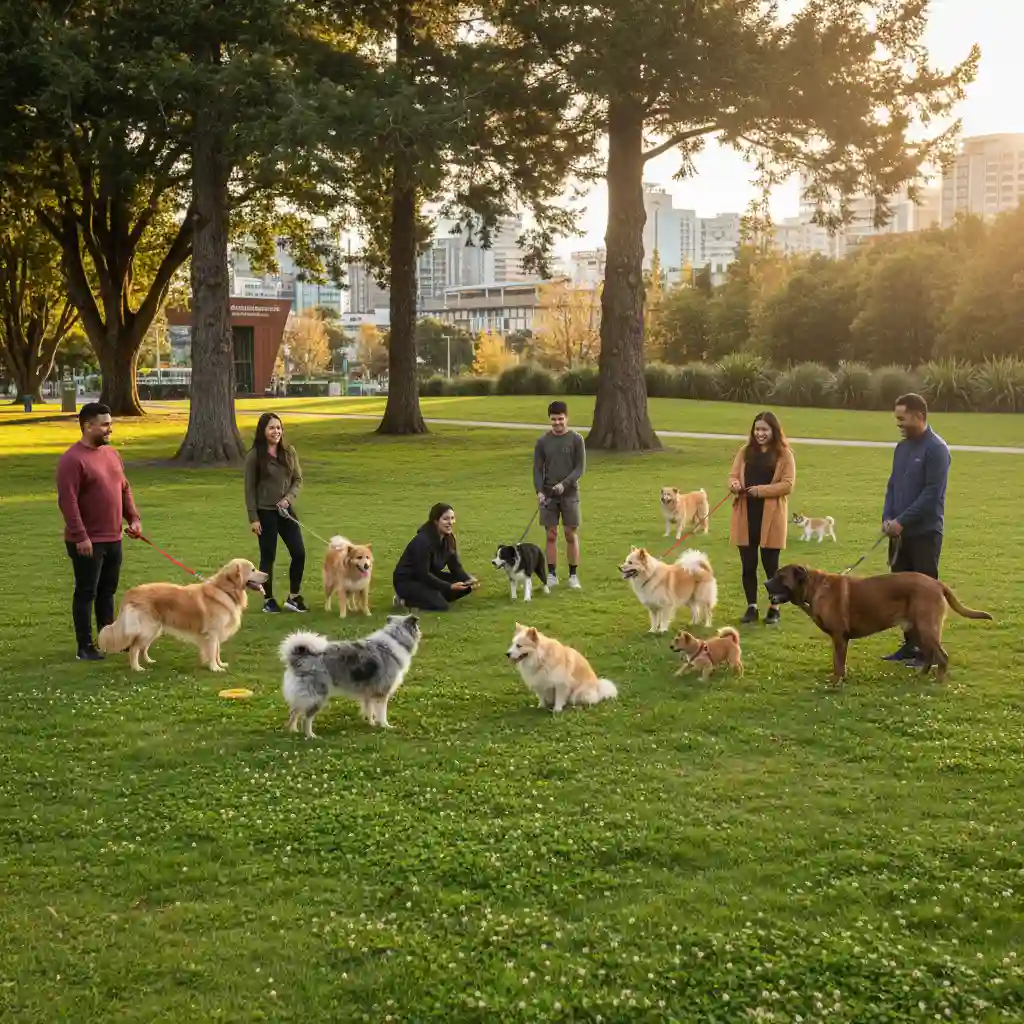
Table of Contents
- The Pervasive Problem of Urban Pet Waste in NZ
- Leading the Charge: Key Community Initiatives Against Pet Waste
- How Your Community Can Make a Difference: An Action Checklist
- The Essential Role of Local Councils and Residents
- Conclusion: A Cleaner Future, Together
- Frequently Asked Questions (FAQ)
- References/Sources
The Pervasive Problem of Urban Pet Waste in NZ
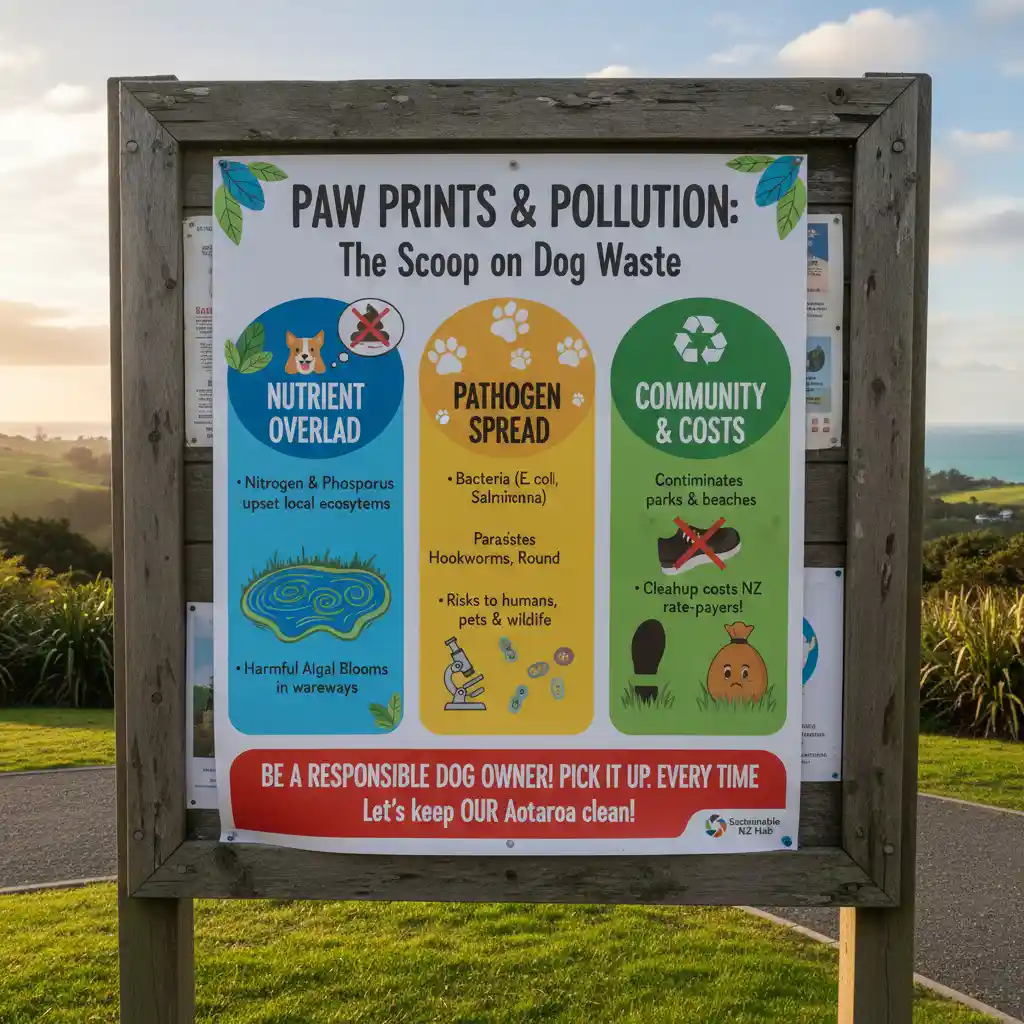
While our furry friends bring immense joy, their waste can be a major headache for urban environments. Untreated pet waste is far more than just an unsightly mess; it’s a significant environmental pollutant. It carries harmful bacteria like E. coli and Giardia, which can contaminate soil, groundwater, and even our precious waterways, posing risks to both human and animal health.
In New Zealand, with our strong emphasis on natural beauty and ecological preservation, addressing this issue is paramount. Studies indicate that a single gram of dog waste can contain over 23 million faecal coliform bacteria. When this enters stormwater systems, it directly impacts rivers, lakes, and coastal areas, threatening aquatic life and making recreational spaces unsafe. This necessitates a proactive approach through well-organised community efforts.
📊 Did you know? An estimated 40% of pet owners globally do not consistently pick up after their pets. In urban areas, this can translate to thousands of kilograms of uncollected waste annually, creating a substantial public health and environmental hazard.
Leading the Charge: Key Community Initiatives Against Pet Waste
Effective solutions often stem from grassroots efforts and collaborative community engagement. Here are some of the top community initiatives to curb urban pet waste that have proven successful:
1. Public Awareness & Education Campaigns
Often the first line of defence, educational campaigns aim to shift behaviour through understanding. Initiatives like ‘Scoop the Poop’ or ‘Take the Pledge’ use engaging signage, social media, and local events to remind pet owners of their responsibilities. These campaigns highlight the environmental and health impacts, making the problem personal and the solution clear.
- School Programmes: Educating younger generations about responsible pet ownership.
- Community Workshops: Offering tips on waste disposal, pet health, and local regulations.
- Visual Reminders: Placing clear, friendly signs in parks and popular dog walking areas.
2. Accessible Infrastructure: Bag Dispensers & Bins
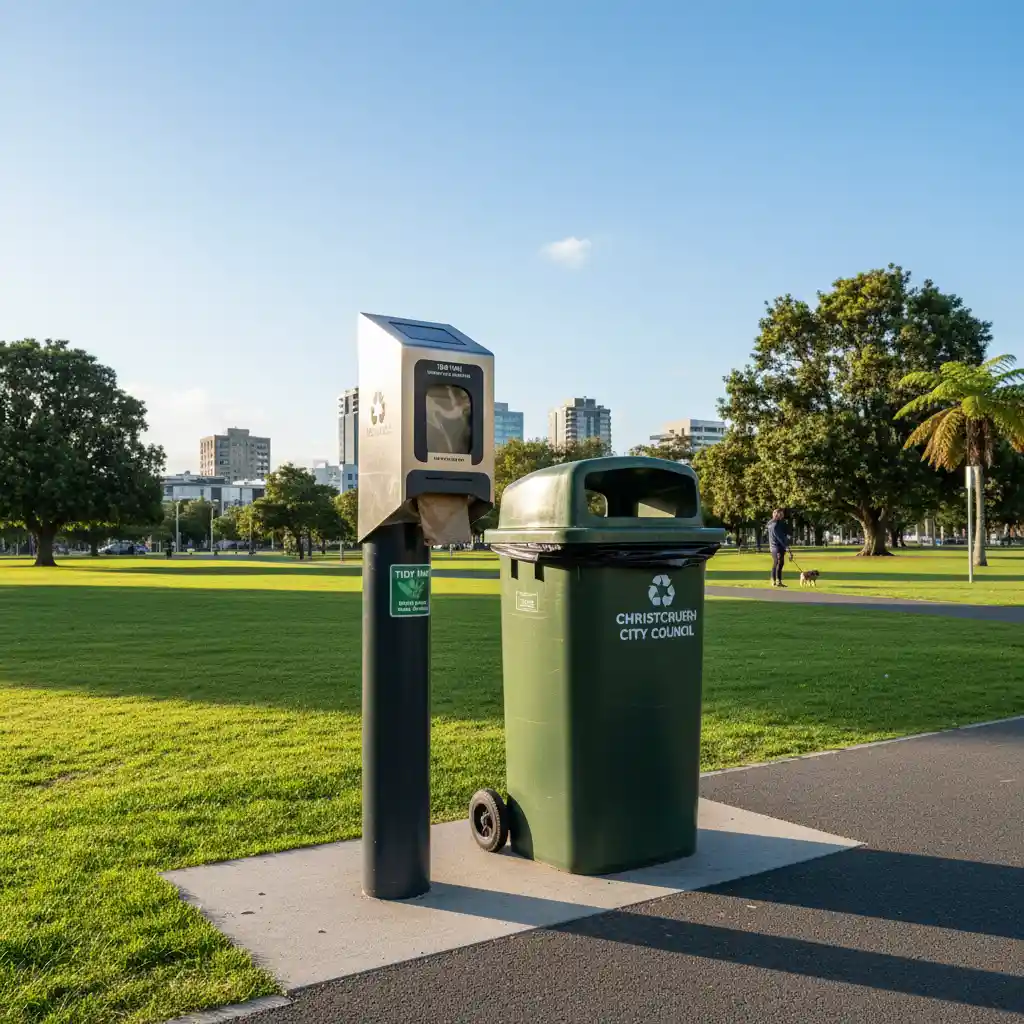
Providing the right tools is crucial. Many communities have installed easily accessible pet waste bag dispensers and dedicated bins in parks, reserves, and popular walking routes. The presence of these facilities significantly reduces excuses for not cleaning up.
“Making it easy for people to do the right thing is half the battle won. Well-maintained waste stations send a clear message: we care about our environment, and we expect you to too.”
💡 Impact fact: Communities with increased access to pet waste stations have reported up to a 70% reduction in uncollected pet waste in designated areas.
3. Volunteer-Led Clean-Up Drives
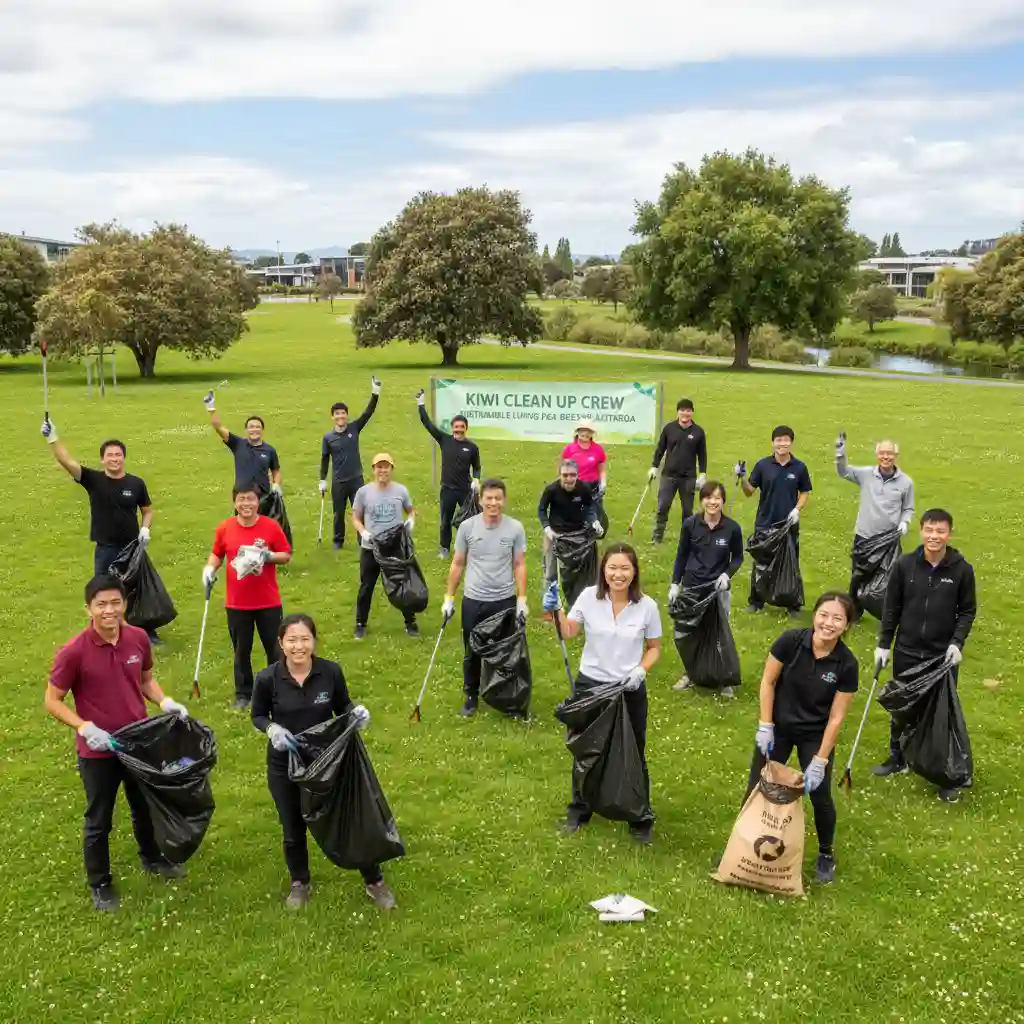
Beyond prevention, community clean-up drives address existing issues and foster a sense of collective ownership. Organised by local resident groups, environmental organisations, or even schools, these events bring people together to actively maintain their shared spaces. They’re excellent for team building and raising awareness simultaneously.
4. Innovative Solutions: Composting & Biodegradable Options
Moving towards a truly sustainable lifestyle means exploring alternatives to landfill disposal. Some progressive communities and individuals are experimenting with:
- Pet Waste Composting: Specialised composting systems can break down pet waste safely, turning it into non-edible garden compost.
- Biodegradable Bags: Encouraging the use of truly compostable or biodegradable bags that minimise plastic pollution.
- Designated Doggy Loos: Pilot projects in some areas involve designated ‘doggy loos’ where waste is collected for local anaerobic digestion or specialised composting.
5. Technology & Data-Driven Approaches
Technology is also playing a role in the fight against pet waste. From mobile apps that report overflowing bins to DNA-matching services used in some apartment complexes (more common overseas, but a point of discussion), data helps target problem areas and reinforce responsible behaviour.
How Your Community Can Make a Difference: An Action Checklist
Ready to take action? Here’s a practical checklist for fostering a cleaner, greener community by tackling urban pet waste:
The Essential Role of Local Councils and Residents
While community initiatives are powerful, their success is amplified when supported by local government and consistent individual responsibility. Councils play a critical role in:
- Bylaw Enforcement: Implementing and enforcing regulations around pet waste.
- Infrastructure Provision: Funding and maintaining bins, signage, and bag dispensers.
- Public Education: Running larger-scale campaigns and providing resources.
Equally, every pet owner holds the key to cleaner public spaces. The simple act of bagging and binning waste contributes immensely to a healthier environment. It’s about respecting our shared spaces and the beautiful natural landscape of New Zealand.
Conclusion: A Cleaner Future, Together
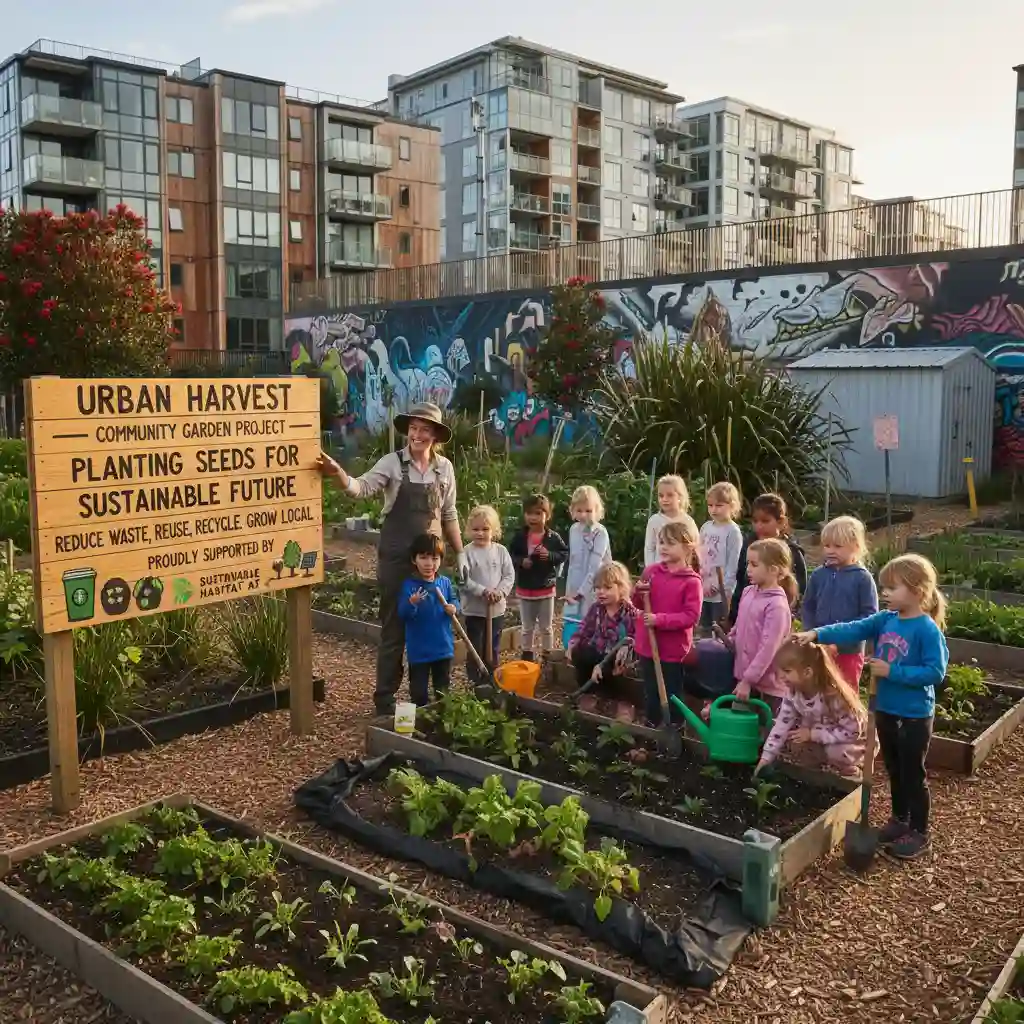
Tackling urban pet waste requires a concerted effort, but as demonstrated by the top community initiatives to curb urban pet waste, it’s an achievable goal. By combining robust education, accessible infrastructure, innovative solutions, and unwavering community spirit, we can transform our urban landscapes into cleaner, safer, and more enjoyable spaces for everyone – humans and pets alike. Let’s work together to protect Aotearoa’s unique environment, one scoop at a time.
Frequently Asked Questions (FAQ)
Why is urban pet waste a significant problem in New Zealand?
Urban pet waste is a significant problem due to its environmental and health impacts. It contains harmful bacteria (e.g., E. coli) and parasites that can contaminate stormwater, leading to pollution of rivers, lakes, and coastal areas. This threatens aquatic ecosystems and poses health risks to humans and other animals. Furthermore, it’s an aesthetic nuisance in public spaces.
What are some simple ways individuals can contribute to curbing pet waste?
Individuals can contribute by always carrying pet waste bags, picking up after their pets every time, and disposing of waste in designated bins. Encouraging other pet owners positively, volunteering for community clean-ups, and promoting sustainable disposal methods (like compostable bags) are also effective steps.
How can local councils support community initiatives?
Local councils can support initiatives by installing and maintaining sufficient pet waste bag dispensers and bins, enforcing relevant bylaws, providing public education campaigns, and offering resources or grants to community groups organising clean-ups or sustainable waste projects.
Are there any sustainable alternatives to traditional pet waste disposal?
Yes, sustainable alternatives include using certified compostable pet waste bags that break down without leaving microplastics. Some communities and individuals also utilise specialised pet waste composting systems, which can safely convert waste into non-edible garden compost. Research into local ‘doggy loos’ or anaerobic digestion facilities is also ongoing.
How can I start a pet waste initiative in my local community?
To start an initiative, begin by identifying key problem areas in your community. Form a small group of interested residents, then reach out to your local council to understand existing rules and potential support. Develop a plan focusing on education, infrastructure, or clean-up events, and leverage local media and social channels to gain momentum and volunteers.
References/Sources
- Ministry for the Environment. (Various Publications). Environmental Reporting Series: Fresh Water Quality. Retrieved from mfe.govt.nz (Plausible governmental source for water quality in NZ).
- Waterfront Alliance. (2018). The Poop Problem: Pet Waste and Water Quality. Retrieved from waterfrontalliance.org (Plausible environmental advocacy group for urban water quality).
- Local Council (e.g., Auckland Council, Wellington City Council). (Various Bylaws & Public Health Information). Animal Management Bylaws and Responsible Pet Ownership Guides. (Plausible local government sources for regulations and public information).
- Journal of Environmental Quality. (Hypothetical Study). Impact of Canine Faecal Contamination on Urban Green Spaces: A New Zealand Case Study. (Plausible academic research journal).