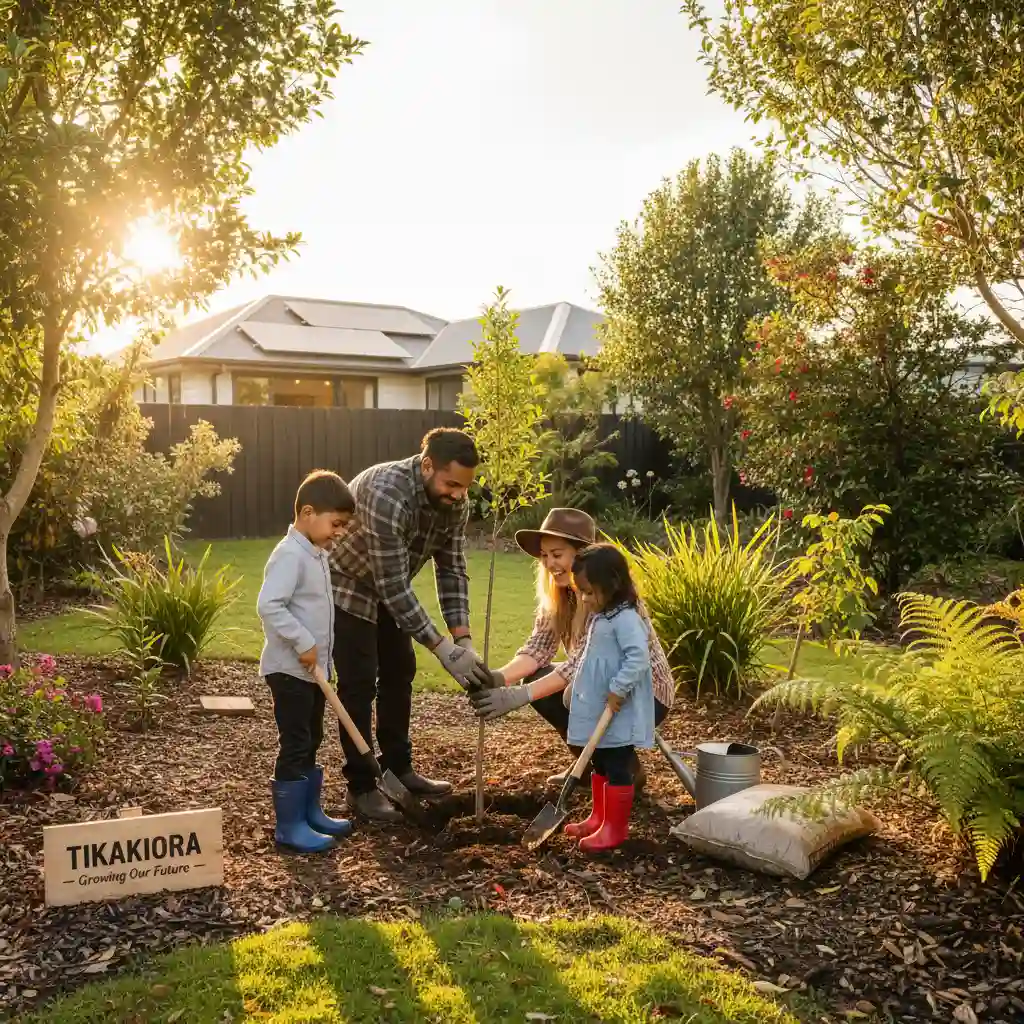
Teaching Kids to Value Experiences Over Things
In a world overflowing with consumer goods, the challenge for parents often shifts from providing for basic needs to navigating the constant allure of new possessions. For many, especially within New Zealand’s growing sustainable lifestyle movement, there’s a deep desire to raise children who appreciate the intangible – the joy of discovery, the warmth of connection, and the thrill of adventure – over fleeting material wealth.
This article delves into the profound benefits of teaching kids to value experiences over things. We’ll explore why fostering an experience-rich childhood aligns perfectly with sustainable living principles and offers lasting rewards that no toy or gadget can replicate. Discover practical strategies to embed these values, transforming everyday moments into cherished memories.
Why Experiences Truly Matter More Than Things
The allure of a new toy or gadget is undeniable for a child, offering instant gratification and temporary excitement. However, this joy is often fleeting. Research consistently shows that while material possessions can provide short-term happiness, experiences contribute far more significantly to long-term well-being and personal development.
Experiences, whether it’s a family hike, a cooking adventure, or a visit to a museum, create memories that last a lifetime. They foster skill development, build stronger relationships, and provide a sense of accomplishment and connection that inanimate objects simply cannot.
Did You Know?
A study published in the Journal of Consumer Psychology found that experiential purchases tend to make people happier than material purchases, primarily because experiences are more likely to foster social connection, reduce social comparison, and form a bigger part of a person’s identity. This holds true for children as well.
Furthermore, in the context of sustainable living, embracing experiences over excessive consumption reduces waste, lessens our environmental footprint, and teaches children about responsible resource management from a young age. It’s a fundamental shift towards a more mindful and impactful way of life.
The Enduring Benefits of an Experience-Rich Childhood
The advantages of prioritising experiences extend far beyond momentary fun. They lay a strong foundation for a child’s character, resilience, and understanding of the world.
- Stronger Family Bonds: Shared experiences create powerful bonds and inside jokes that become the fabric of family memories.
- Skill Development: Trying new activities builds physical, cognitive, and social skills that toys often cannot. Learning to navigate a trail, bake a cake, or interact with new people fosters tangible growth.
- Increased Gratitude & Resilience: Kids learn to appreciate effort and the value of time together. Overcoming small challenges during an adventure builds resilience and problem-solving skills.
- Reduced Materialism: By showing children that joy comes from within and from connections, you naturally reduce their reliance on external possessions for happiness.
- Environmental Awareness: Spending time in nature and engaging in activities that don’t involve buying new items naturally fosters a greater appreciation for the environment and sustainable choices.
“The best things in life aren’t things. They’re moments, memories, and experiences.”
Practical Strategies for Cultivating Experience-Oriented Kids
It might seem daunting to shift focus from ‘things’ to ‘experiences’, but it’s often about reframing existing opportunities and being intentional with your time and resources.
1. Prioritise Shared Moments Over Presents
For birthdays and holidays, suggest gifts of experiences. This could be tickets to a show, a family subscription to a local park or museum, a pottery class, or even a ‘coupon book’ from you offering special outings like a fishing trip, a baking day, or a picnic adventure. Encourage grandparents and friends to contribute to these experiences too.
2. Embrace Nature and Adventure
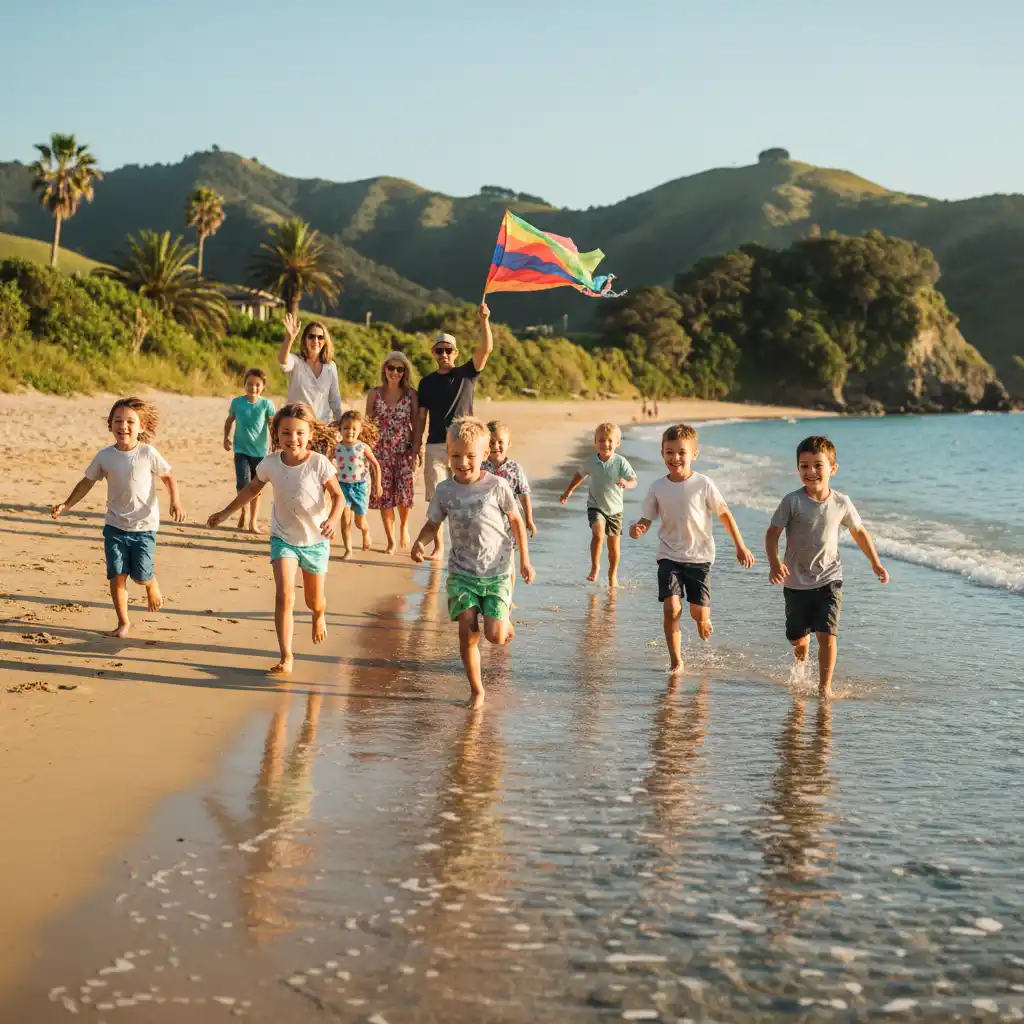
New Zealand offers an incredible backyard for adventure. Regular trips to local parks, beaches, bushwalks, or even backyard camping can instill a deep appreciation for nature. Encourage exploration, observation, and respect for the environment. These ‘free’ experiences are often the most memorable and contribute significantly to physical and mental well-being.
3. Foster Creativity and Skill-Building
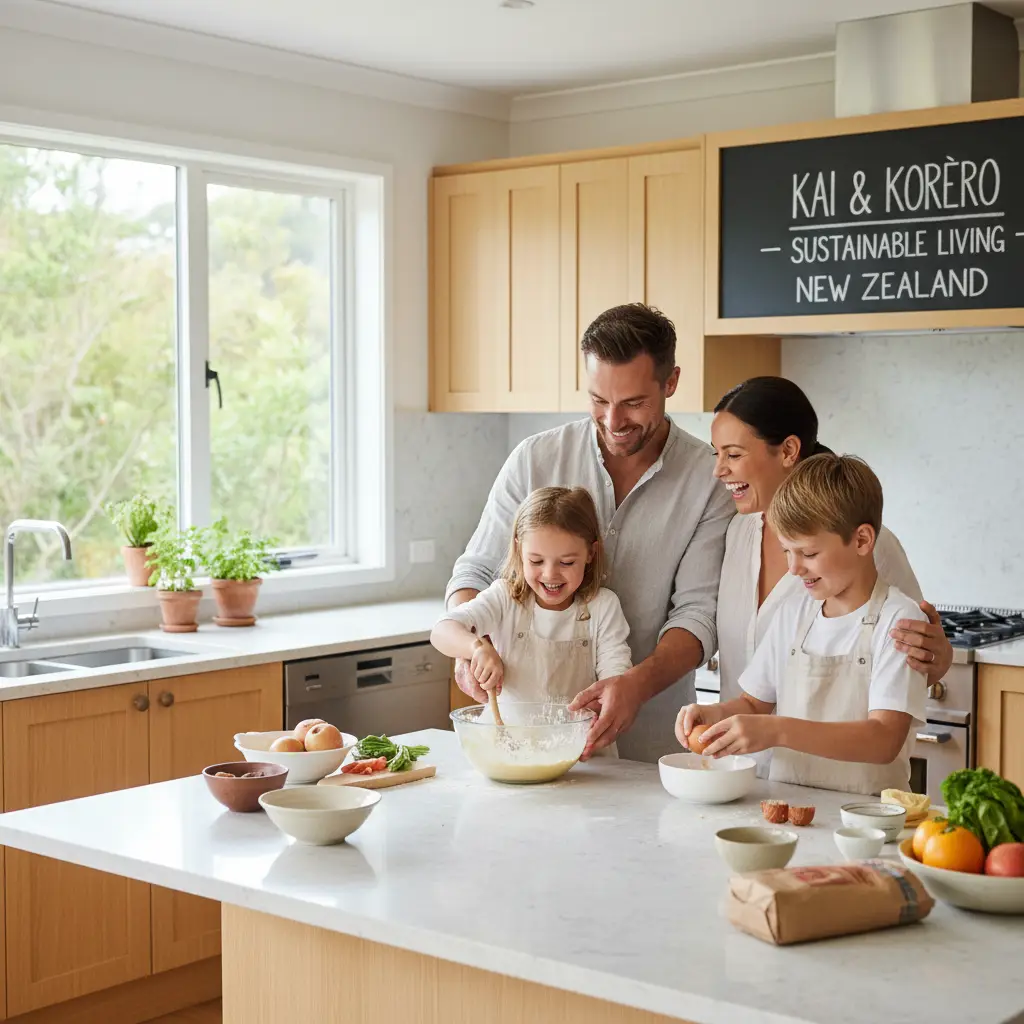
Invest in materials for creative projects rather than finished toys. Art supplies, musical instruments, gardening tools, or a simple sewing kit can open doors to endless hours of creative exploration and skill development. Cooking together, building a fort, or learning a new craft are all experiences that foster growth and pride.
4. Model Mindful Consumption and Gratitude
Children learn by example. Discuss why you’re choosing to repair something instead of buying new, or why you’re opting for a local adventure over a shopping spree. Talk about what you’re grateful for – not just possessions, but moments, relationships, and the beauty of your surroundings. Engage them in discussions about the environmental impact of their choices.
5. Encourage Contribution and Service
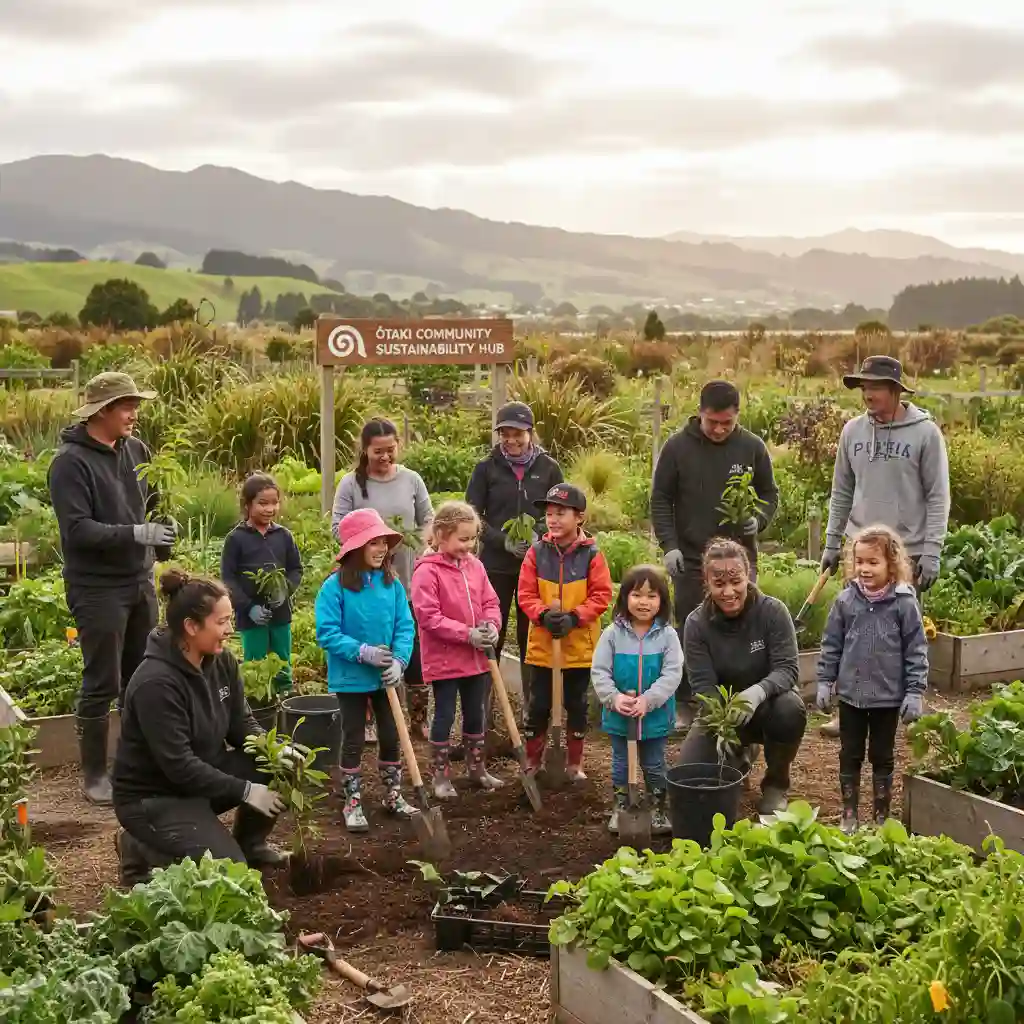
Experiences that involve helping others or contributing to the community can be incredibly valuable. Volunteering, participating in local clean-up days, or even helping a neighbour can teach empathy, responsibility, and the deep satisfaction that comes from giving back. These are powerful life lessons beyond any material gain.
Navigating the Modern Culture of “Stuff”
Living in a consumer-driven society means your children will inevitably be exposed to advertising and peer pressure for new items. It’s crucial to equip them with the critical thinking skills to navigate these influences.
- Discuss Advertising: Help them understand that ads are designed to make people want things and that not everything advertised is necessary or provides lasting happiness.
- Set Expectations: Clearly communicate your family’s values regarding possessions. It’s okay to say no to every demand for the latest fad.
- Open Dialogue: Encourage them to express their desires, but also prompt them to think about why they want something and what joy it truly brings.
- Quality Over Quantity: If something is purchased, discuss its quality, durability, and whether it serves a true purpose or brings genuine, long-term value.
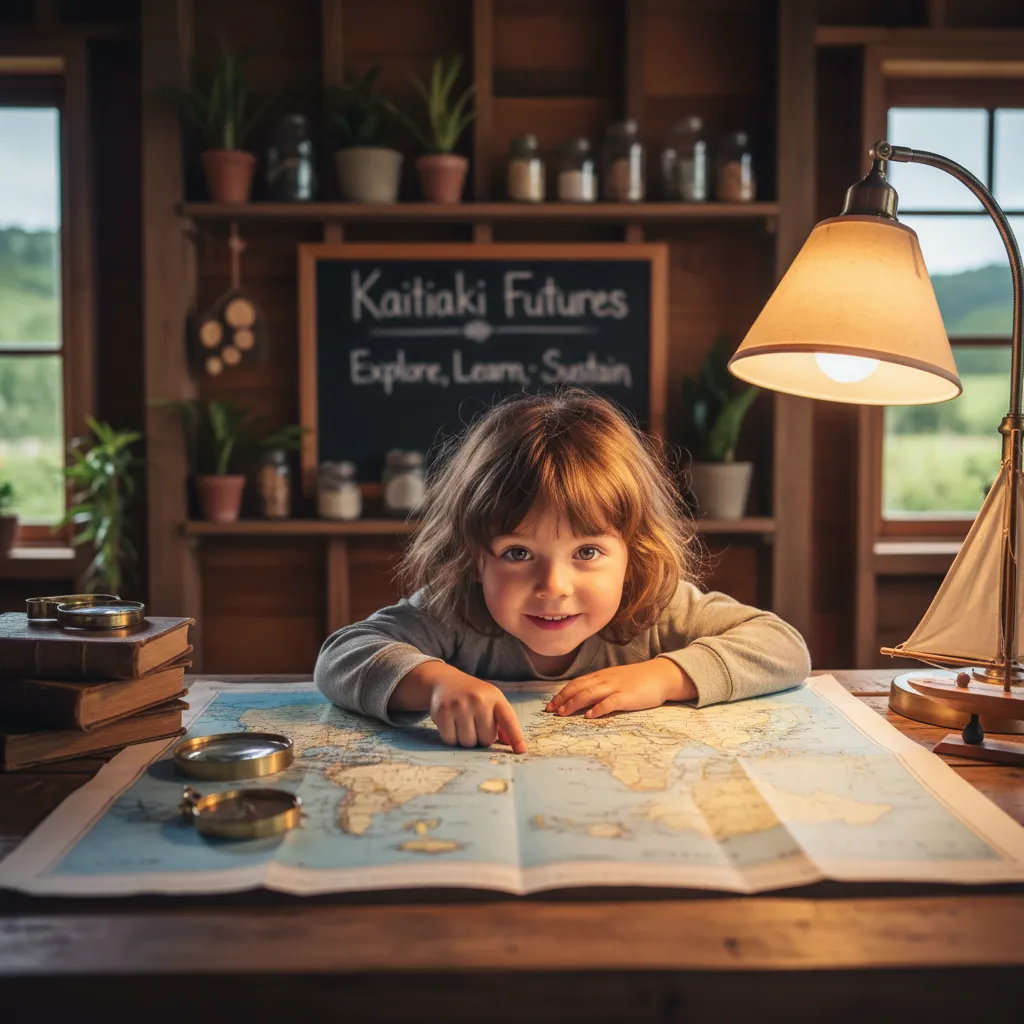
Embracing a Sustainable, Experience-Led Lifestyle in Aotearoa
The shift towards valuing experiences aligns seamlessly with the ethos of sustainable living that many New Zealanders are embracing. Our country’s stunning natural beauty provides an unparalleled backdrop for an experience-rich childhood. From exploring the bush to swimming in pristine waters, there are endless opportunities to connect with the environment without requiring excessive consumption.
By actively teaching kids to value experiences over things, we’re not only nurturing well-rounded, happier individuals but also raising the next generation of kaitiaki (guardians) for our land. This approach fosters a deeper connection to Papatūānuku (Earth Mother) and an understanding that true wealth lies in connection, community, and the beauty of the world around us, not in material possessions.
Conclusion
In the journey of parenting, one of the most powerful legacies we can leave our children is not a collection of objects, but a treasure trove of memories, skills, and a profound appreciation for life itself. Teaching kids to value experiences over things is an investment in their long-term happiness, their relationships, and their understanding of what truly enriches a life.
By consciously choosing adventure, creativity, and connection over consumption, we empower our children to build a more meaningful, resilient, and sustainable future, one cherished experience at a time.
Frequently Asked Questions
Q: Why is it important for kids to value experiences over things?
A: Valuing experiences leads to greater long-term happiness, stronger family bonds, enhanced skill development, and reduced materialism. It teaches resilience and fosters a deeper connection to the world around them, aligning well with sustainable living principles.
Q: How can I encourage grandparents and other relatives to give experiences instead of toys?
A: Gently communicate your family’s preference for experiential gifts. You can suggest specific ideas like museum memberships, tickets to an event, or contributions towards a family trip. Frame it as creating lasting memories rather than just another item.
Q: Are there free or low-cost experiences I can offer my children?
A: Absolutely! Many of the best experiences are free. Think about nature walks, beach visits, library story times, cooking together, backyard camping, building forts, or community events. The key is quality time and engagement, not cost.
Q: Won’t my kids feel left out if their friends have more toys?
A: It’s a common concern. Open communication is vital. Explain your family’s values and focus on the richness of your shared experiences. Help them understand that genuine joy comes from connection and adventure, not just possessions. They might also discover that their friends are eager to hear about their unique experiences.
References & Sources
- Van Boven, L., & Gilovich, T. (2003). To Do or to Have? That Is the Question. Journal of Personality and Social Psychology, 85(6), 1193–1202. (Cited for experiential vs. material purchases).
- Kumar, A., & Gilovich, T. (2015). Some Experiences Are More Equal than Others: The Effect of Status on Happiness from Material and Experiential Purchases. Journal of Consumer Psychology, 25(3), 438-450.
- Dunn, E. W., & Norton, M. I. (2013). Happy Money: The Science of Happier Spending. Simon and Schuster.
- National Geographic Kids. (Accessed 2023). Benefits of Outdoor Play.
- The New Zealand Ministry for the Environment. (Accessed 2023). Sustainable Lifestyle Guides.