Teach Kids Sustainability: Fun Reuse Techniques & Lessons
In Aotearoa New Zealand, fostering a love for our unique environment begins at home. Teaching kids about sustainability isn’t just about protecting the planet; it’s about nurturing creativity, resourcefulness, and responsible citizenship. This guide dives into engaging reuse techniques and lessons that transform everyday waste into exciting projects, empowering your children to become eco-conscious champions from an early age.
The ‘Why’: Importance of Teaching Sustainability to Kids
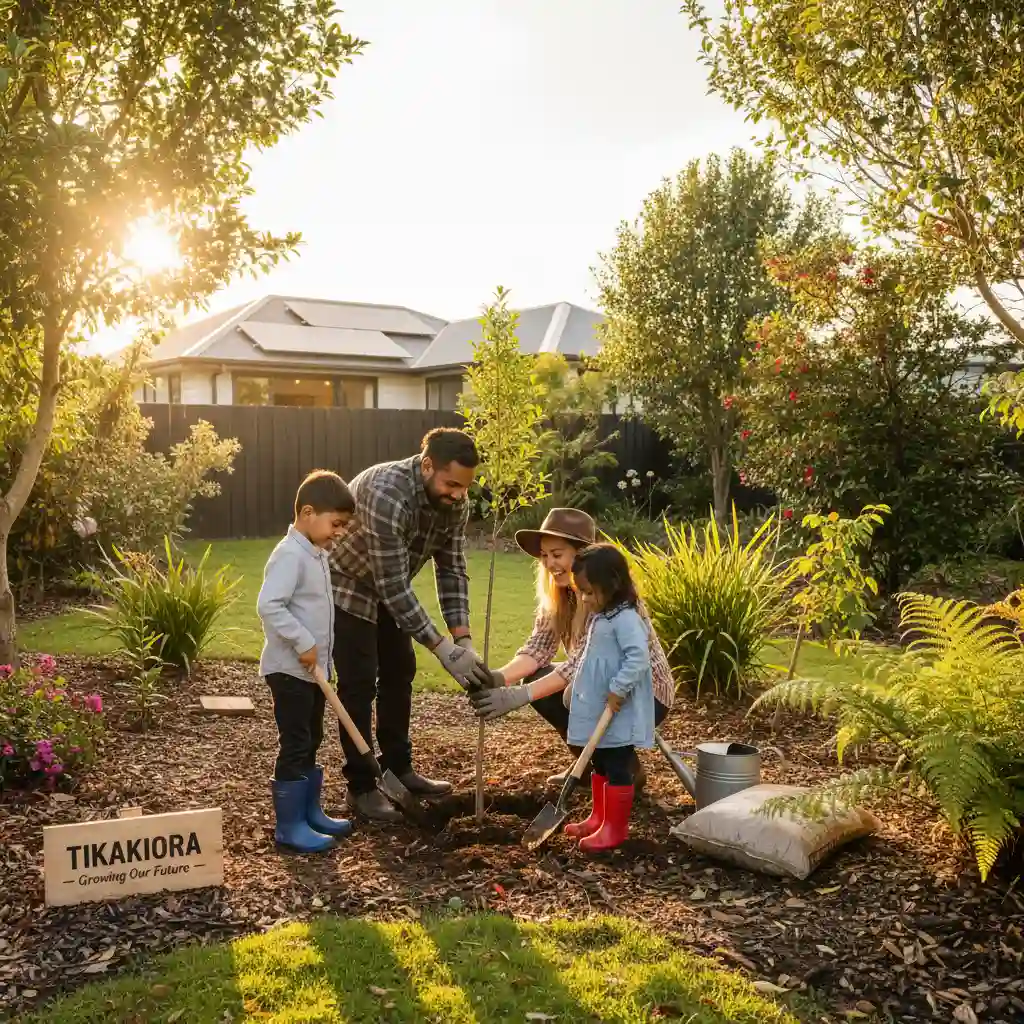
Children are naturally curious and eager to learn. Introducing them to sustainability concepts early on instills a sense of responsibility and connection to the world around them. For New Zealand, with its precious native flora and fauna, teaching environmental stewardship is particularly vital.
Beyond the environmental imperative, these lessons build critical life skills. Understanding reuse helps children see value in what might otherwise be discarded, fostering creativity and problem-solving abilities. It’s about shifting mindsets from a linear ‘take-make-dispose’ model to a circular one where resources are cherished and given new life.
💡 Stat Callout:
New Zealanders generate approximately 3.2 million tonnes of waste to landfill each year, with household waste making up a significant portion. Teaching reuse to kids is a direct way to reduce this figure and foster a more sustainable future. [1]
Creative Reuse Projects for Little Hands
The best way to teach kids sustainability is through hands-on activities. These fun reuse techniques transform potential waste into treasures, making learning interactive and memorable. Grab your imagination and some household ‘junk’ – let’s get started!
-
Upcycled Art from Cardboard & Plastic
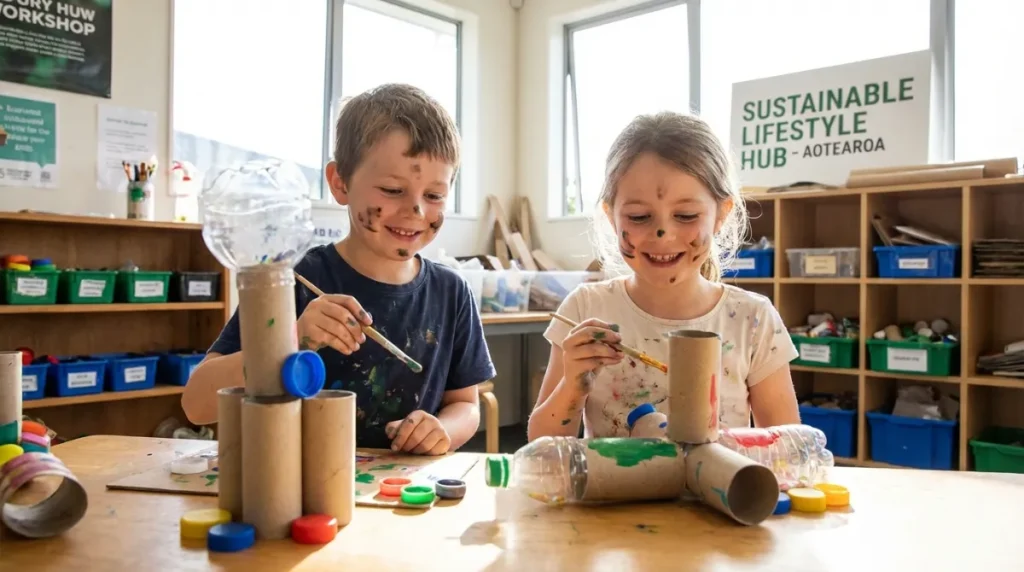
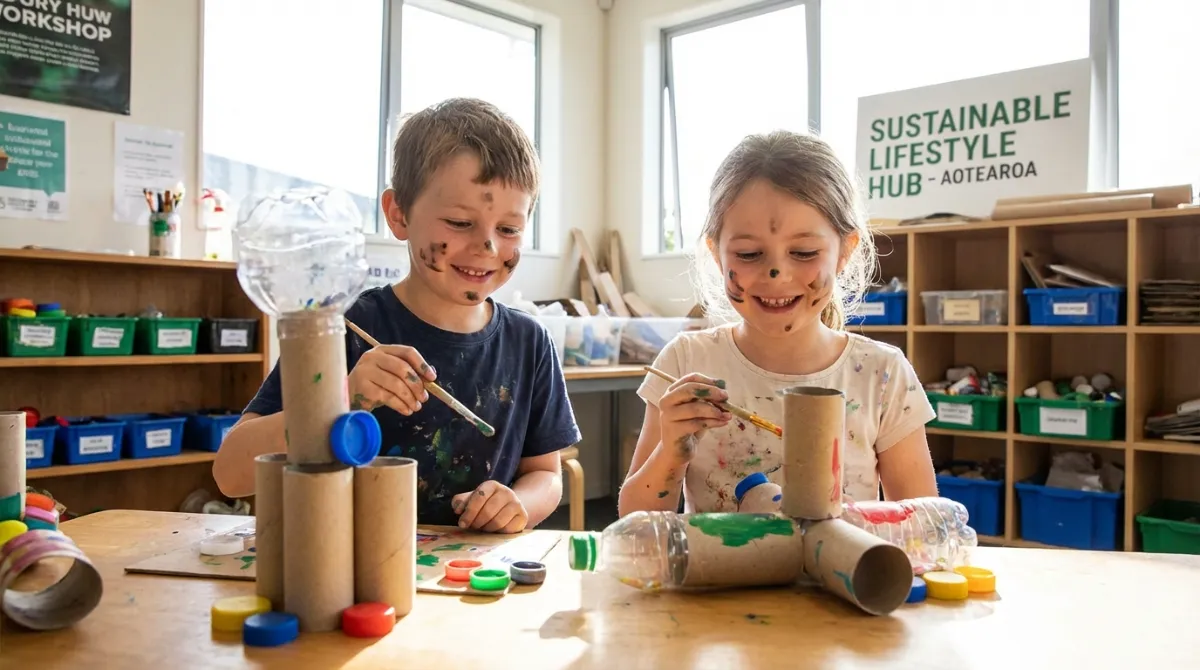
Turn old cereal boxes, plastic bottles, and bottle caps into vibrant masterpieces! This activity encourages imaginative thinking and fine motor skills. Provide glue, paint, scissors (child-safe), and a variety of found objects.
- Materials: Cardboard boxes, plastic containers, bottle caps, toilet paper rolls, glue, paint, markers, glitter (eco-friendly, if possible).
- Idea: Build a robot, a fantastical creature, or a miniature city.
- Lesson: Discuss how these materials usually end up in the rubbish bin and how giving them new life prevents waste.
-
DIY Garden Planters from Bottles & Tins
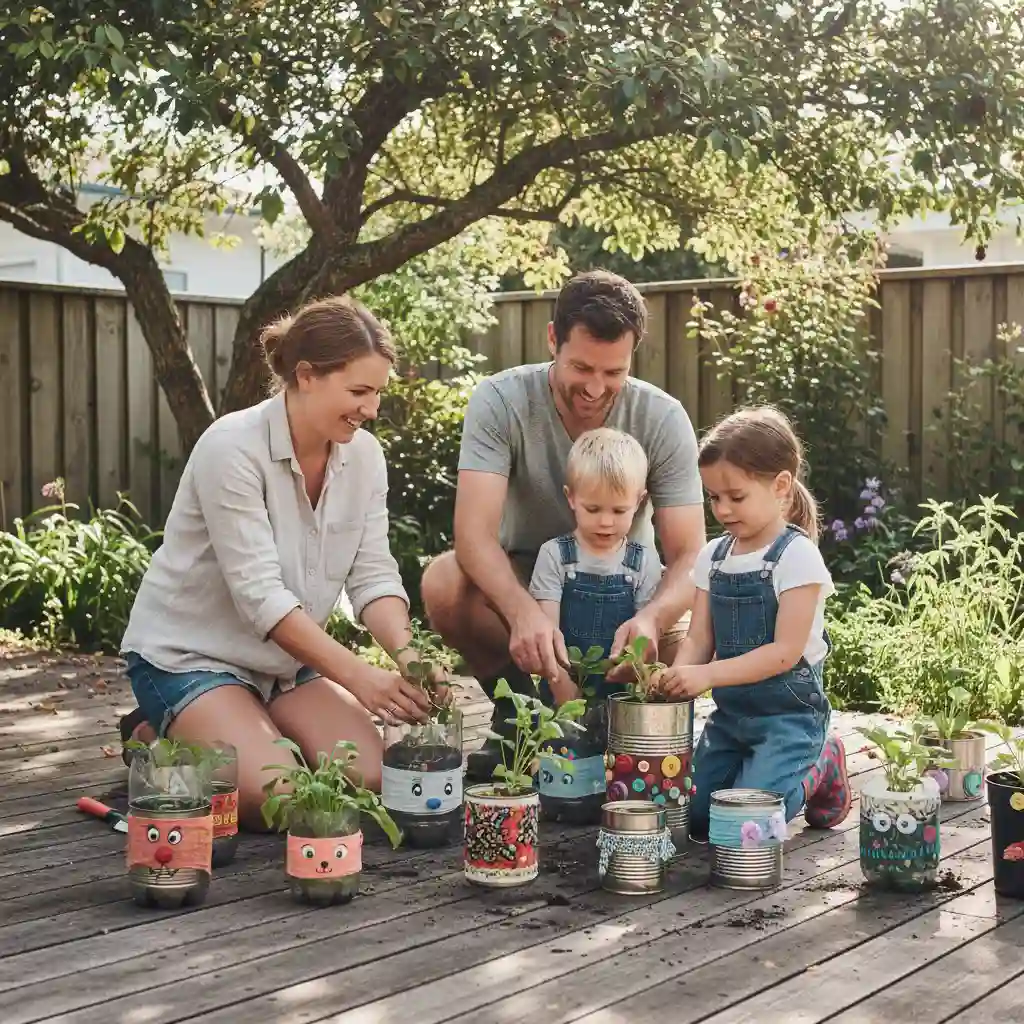
Perfect for a sunny windowsill or a small balcony garden. Large plastic drink bottles or tin cans can be transformed into quirky planters for herbs, flowers, or small vegetables. This connects children to nature and the food cycle.
- Materials: 2-litre plastic bottles, tin cans, paint, soil, seeds or small plantlings.
- Idea: Decorate the bottles/tins, cut a section for planting (adult supervision needed!), add drainage holes, fill with soil, and plant.
- Lesson: Explain the journey of food, the importance of growing your own, and how reuse helps reduce plastic waste.
-
Storytelling Props from Old Clothes
Before donating or discarding old clothes, consider their potential as imaginative play props. A torn t-shirt can become a pirate flag, an old sock a puppet, or fabric scraps elements for a collage scene.
- Materials: Old socks, t-shirts, scarves, buttons, fabric scraps, needle and thread (or fabric glue).
- Idea: Create sock puppets, design costumes, or build a textile ‘storyboard’.
- Lesson: Discuss the lifecycle of clothing and how extending its use reduces textile waste.
-
Homemade Musical Instruments from Household Waste
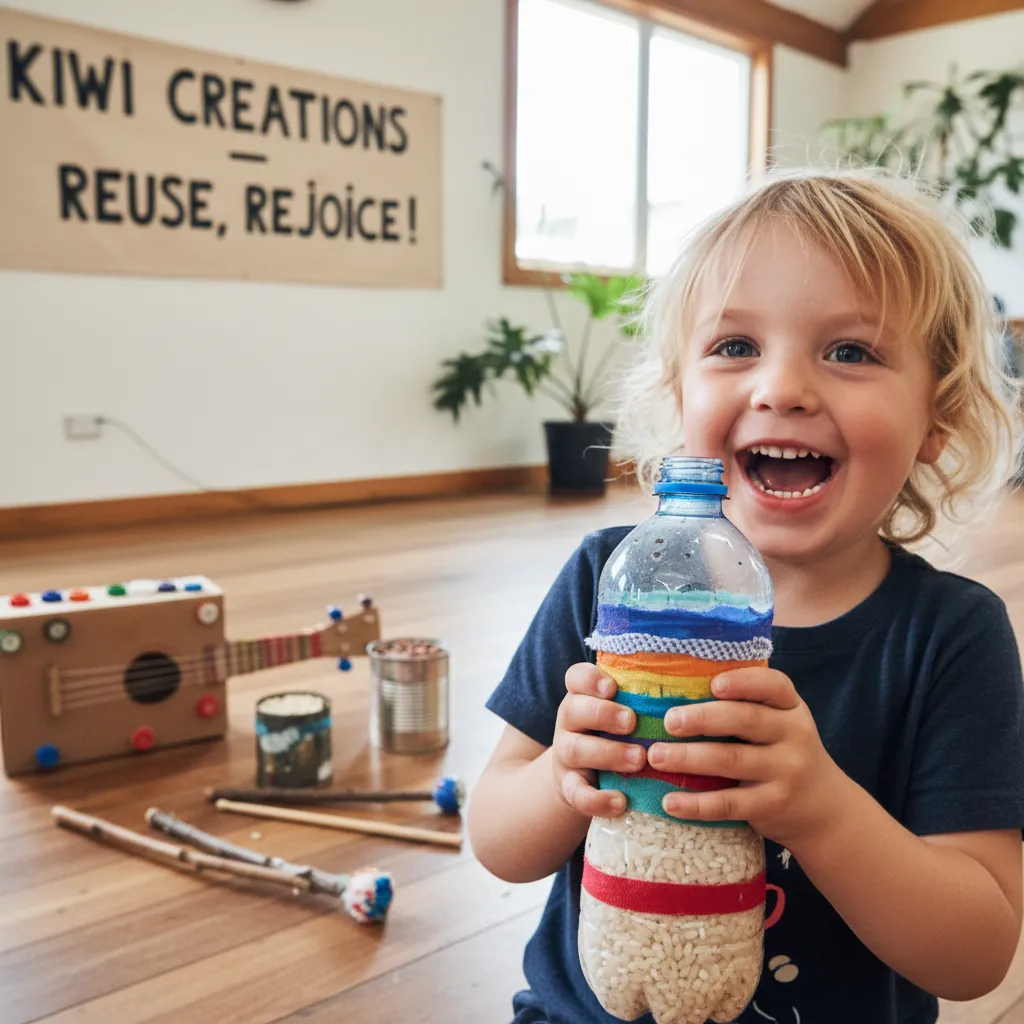
Embrace the noise! Cereal boxes, rubber bands, rice, and plastic containers can all be transformed into a fantastic home orchestra. This activity is perfect for stimulating auditory learning and rhythm.
- Materials: Empty plastic bottles or containers, dried beans/rice, rubber bands, cardboard tubes, cereal boxes, tin foil.
- Idea: Make shakers, drums, or even a ‘guitar’ with rubber bands stretched over a box.
- Lesson: Explore sound, rhythm, and how different materials create different noises, all while reusing items.
-
Eco-Friendly Gift Wrapping
Before hitting the shops for new wrapping paper, look around the house. Old newspapers, magazine pages, fabric scraps, or even brown paper bags can become beautiful, unique, and sustainable gift wrap.
- Materials: Old newspapers, magazines, fabric scraps, natural twine, leaves, dried flowers.
- Idea: Decorate newspaper with drawings, tie gifts with fabric scraps, or create Furoshiki (Japanese fabric wrapping) with an old scarf.
- Lesson: Discuss the waste associated with traditional wrapping paper and the beauty of handmade, reusable alternatives.
Integrating Sustainability into Daily Life Beyond Crafts
While crafts are a fantastic entry point, true sustainability involves embedding these values into daily routines. It’s about more than just fun projects; it’s about conscious choices.
- Conscious Consumption: Encourage kids to think before buying. “Do we really need this?” or “Can we make/reuse something instead?”
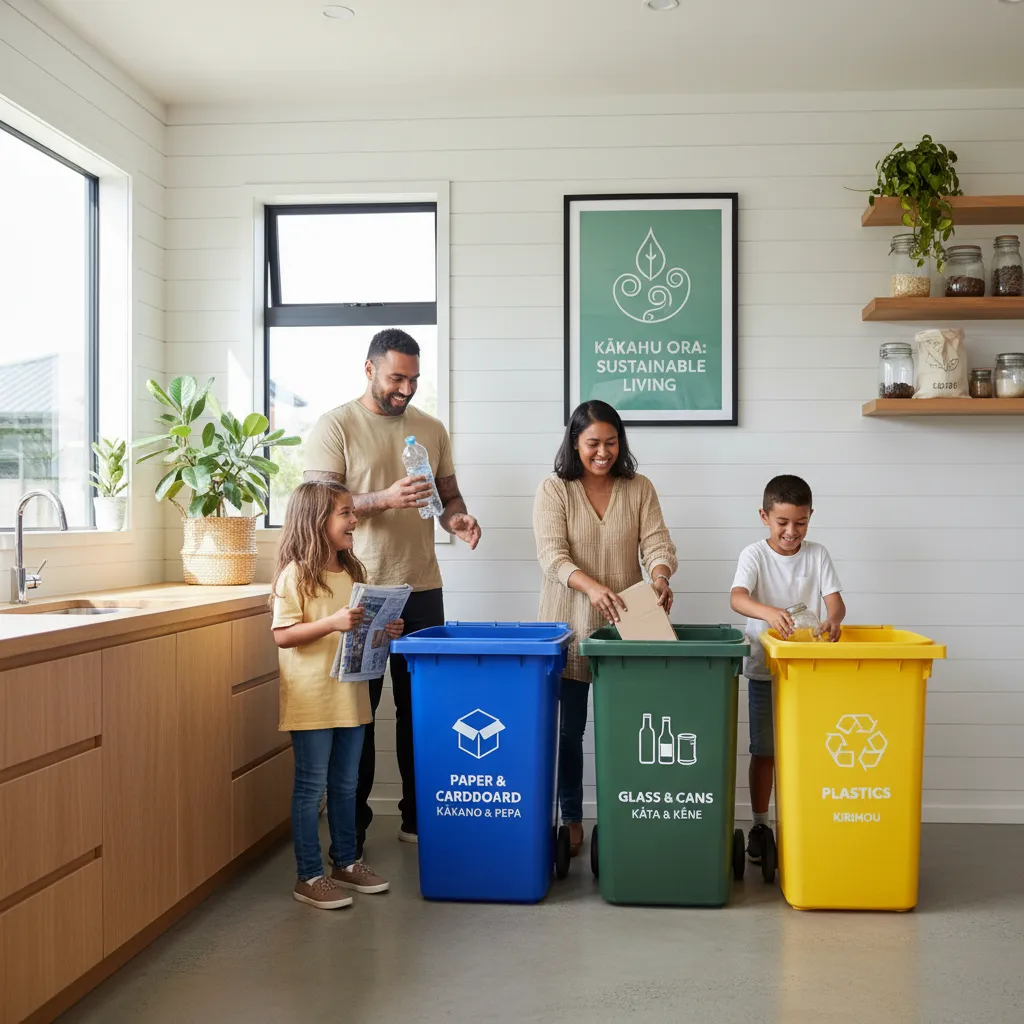
- Sorting & Recycling: Make sorting waste a family activity. Explain *why* certain items go into different bins, reinforcing the circular economy concept.
- Repair & Mend: Instead of discarding broken toys or torn clothes, involve kids in attempts to repair them. It teaches value and patience.
- Food Waste Reduction: Teach them about composting food scraps and using leftovers creatively.
“Teaching children to reuse and reduce waste isn’t just about protecting our environment; it’s about equipping them with the creativity, resourcefulness, and empathy needed to thrive in a rapidly changing world.”
Benefits Beyond the Environment
The impact of teaching kids sustainability extends far beyond just environmental protection. These lessons cultivate a range of valuable personal attributes:
- Creativity & Innovation: Seeing new possibilities in old items sparks imagination.
- Problem-Solving Skills: Figuring out how to transform materials develops critical thinking.
- Resourcefulness: Learning to make do with what’s available builds self-reliance.
- Empathy & Global Awareness: Understanding their role in a larger ecosystem fosters compassion.
- Family Bonding: Working on projects together creates shared experiences and memories.
Frequently Asked Questions
What age is best to start teaching kids about sustainability?
It’s never too early! Toddlers can learn simple concepts like turning off lights or putting rubbish in the bin. Preschoolers can engage in basic sorting and simple reuse crafts. As they grow, you can introduce more complex ideas like composting and conscious consumption.
How can I make sustainability fun for my children?
Focus on hands-on activities, games, and storytelling. Turn reuse into a ‘treasure hunt’ for materials, make crafts, visit local recycling centres (if allowed), or create a family ‘eco-challenge’. The key is engagement and making it relevant to their world.
What are some common household items ideal for reuse projects?
Excellent items include cardboard boxes (cereal, delivery), plastic bottles and containers (milk, soda), toilet paper/paper towel rolls, tin cans, old newspapers and magazines, fabric scraps, and bottle caps. Always ensure items are clean and safe for children to handle.
How can I ensure my children truly understand the ‘why’ behind sustainability?
Connect actions to outcomes. For example, explain that reusing a plastic bottle means less plastic in landfills or oceans. Use age-appropriate language, show them documentaries (for older kids), read books, and lead by example. Consistency and open discussion are crucial.
References & Sources