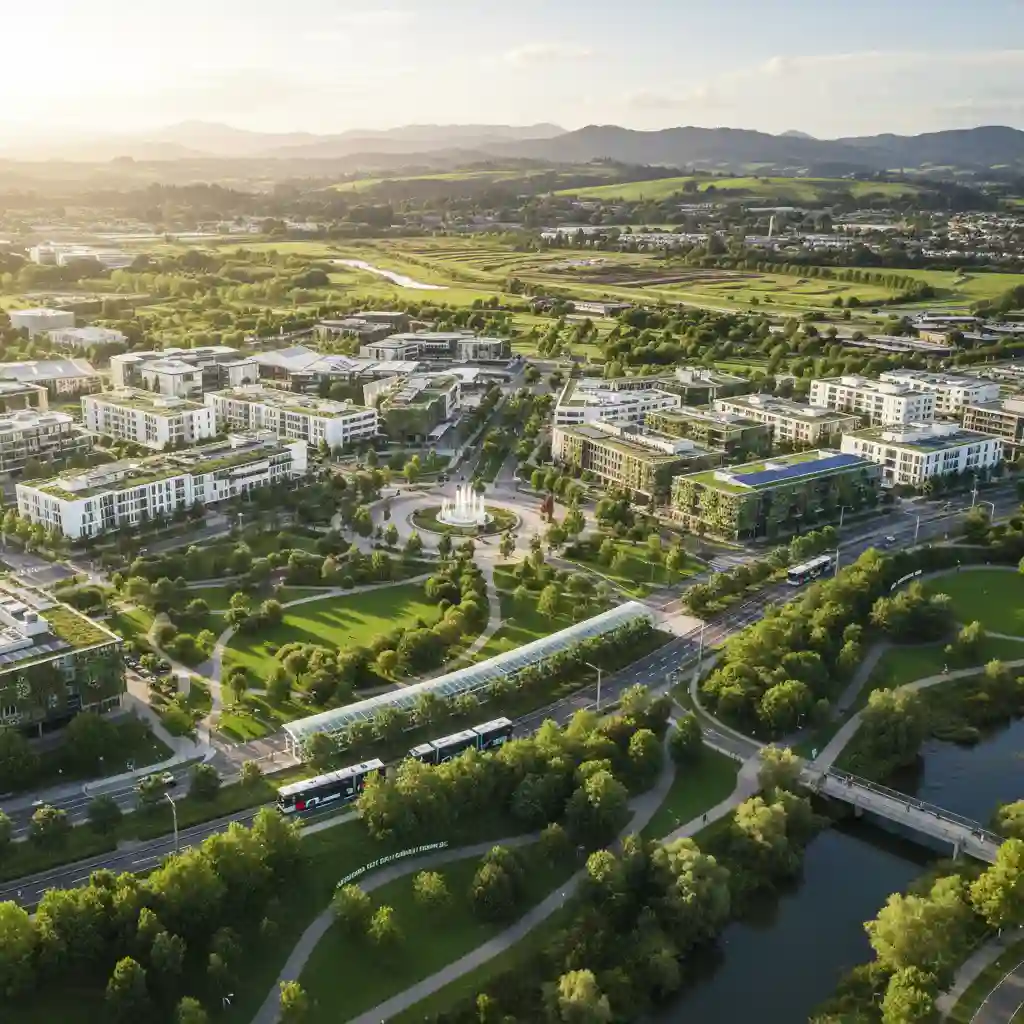
Sustainable Urban Planning Strategies for New Zealand Cities
Paving the way for greener, more resilient, and vibrant communities across Aotearoa.
As New Zealand continues to grow and evolve, the blueprint for our urban landscapes becomes increasingly critical. Our cities are more than just clusters of buildings; they are living ecosystems that shape our daily lives, our well-being, and our connection to the environment. The imperative for sustainable urban planning strategies has never been clearer, especially as we transition towards a more holistic, eco-conscious lifestyle.
From the bustling streets of Auckland to the serene harbours of Wellington, and the garden city of Christchurch, New Zealand faces unique challenges and opportunities in fostering sustainable development. This article delves into the core principles, innovative approaches, and practical strategies that are shaping the future of our urban centres, ensuring they thrive for generations to come.
Table of Contents
- 1. What is Sustainable Urban Planning?
- 2. Core Pillars of Sustainable Urban Planning in NZ
- 3. Challenges and Opportunities for New Zealand Cities
- 4. New Zealand in Action: Exemplar Strategies
- 5. Your Role in Shaping Sustainable Cities
- 6. Conclusion
- 7. Frequently Asked Questions (FAQ)
- 8. References & Further Reading
What is Sustainable Urban Planning?
At its heart, sustainable urban planning is about creating cities that are environmentally responsible, socially equitable, and economically viable. For New Zealand, this means designing urban environments that not only cater to the needs of current residents but also safeguard the unique natural heritage and resources for future generations.
It moves beyond mere infrastructure development, embracing a holistic view that integrates environmental protection, economic prosperity, social equity, and cultural preservation. It’s about building smarter, not just bigger, with a deep respect for Aotearoa’s distinct landscapes and communities.
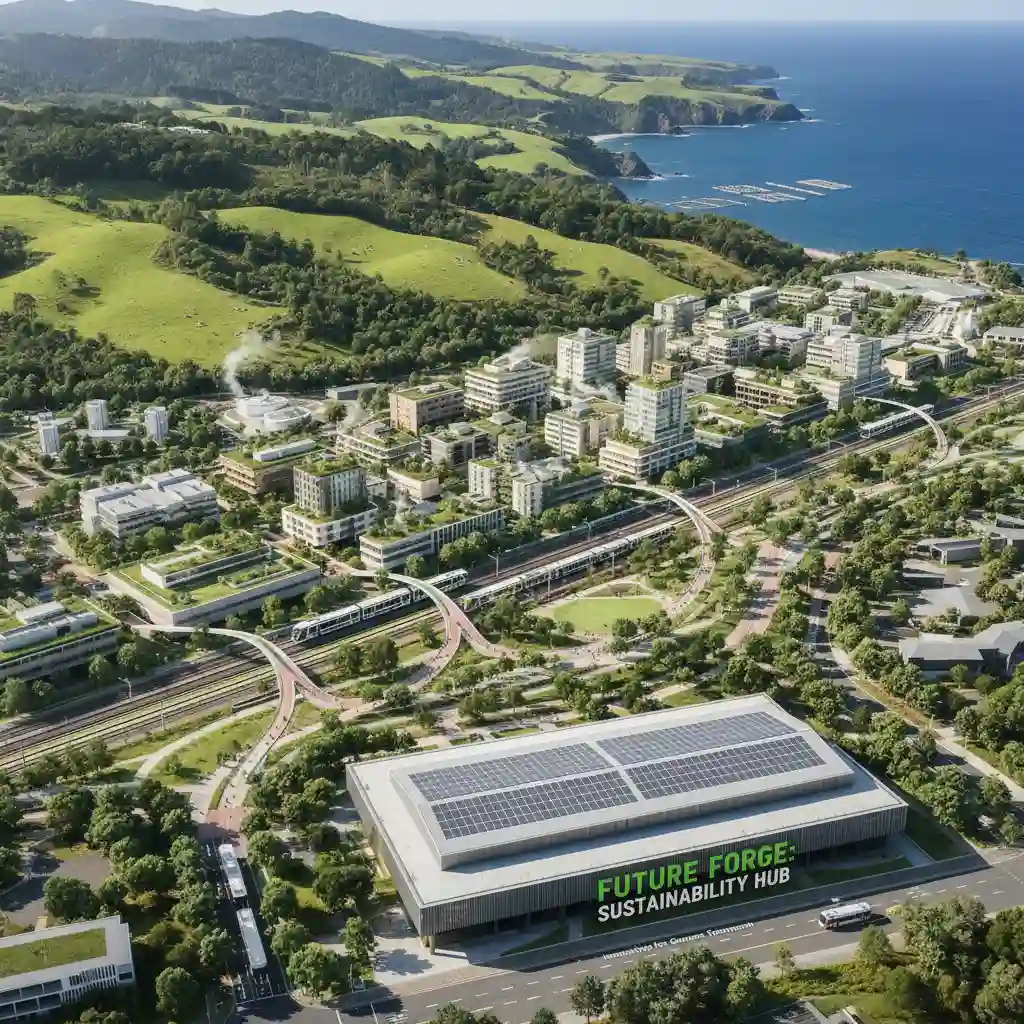
Core Pillars of Sustainable Urban Planning in NZ
Effective sustainable urban planning strategies for New Zealand cities are built upon several interconnected principles, each vital for fostering resilient and vibrant communities.
Compact, Mixed-Use Development & Intensification
Combating urban sprawl is a cornerstone of sustainability. By promoting higher-density, mixed-use developments, cities can reduce their footprint, protect valuable rural land, and create more vibrant neighbourhoods where people can live, work, and play without extensive travel. This approach encourages apartment living, townhouses, and diverse housing options close to amenities.
Integrated and Active Transport Systems
Reducing reliance on private vehicles is crucial for cutting emissions and improving air quality. Sustainable cities invest in robust public transport networks (buses, trains, ferries) alongside safe and accessible infrastructure for walking and cycling. This not only promotes healthier lifestyles but also fosters community connection.
Stat Callout:
A recent study highlighted that cities with well-integrated public transport systems can see a reduction in per capita greenhouse gas emissions by up to 20-30% compared to car-dependent cities. (Source: NZ Transport Agency)
Green Infrastructure & Biodiversity Enhancement
Integrating nature into urban design offers multiple benefits. Green roofs, urban parks, community gardens, and permeable surfaces help manage stormwater, reduce the urban heat island effect, improve air quality, and provide vital habitats for native species. Protecting and enhancing biodiversity within city limits is a key environmental goal.
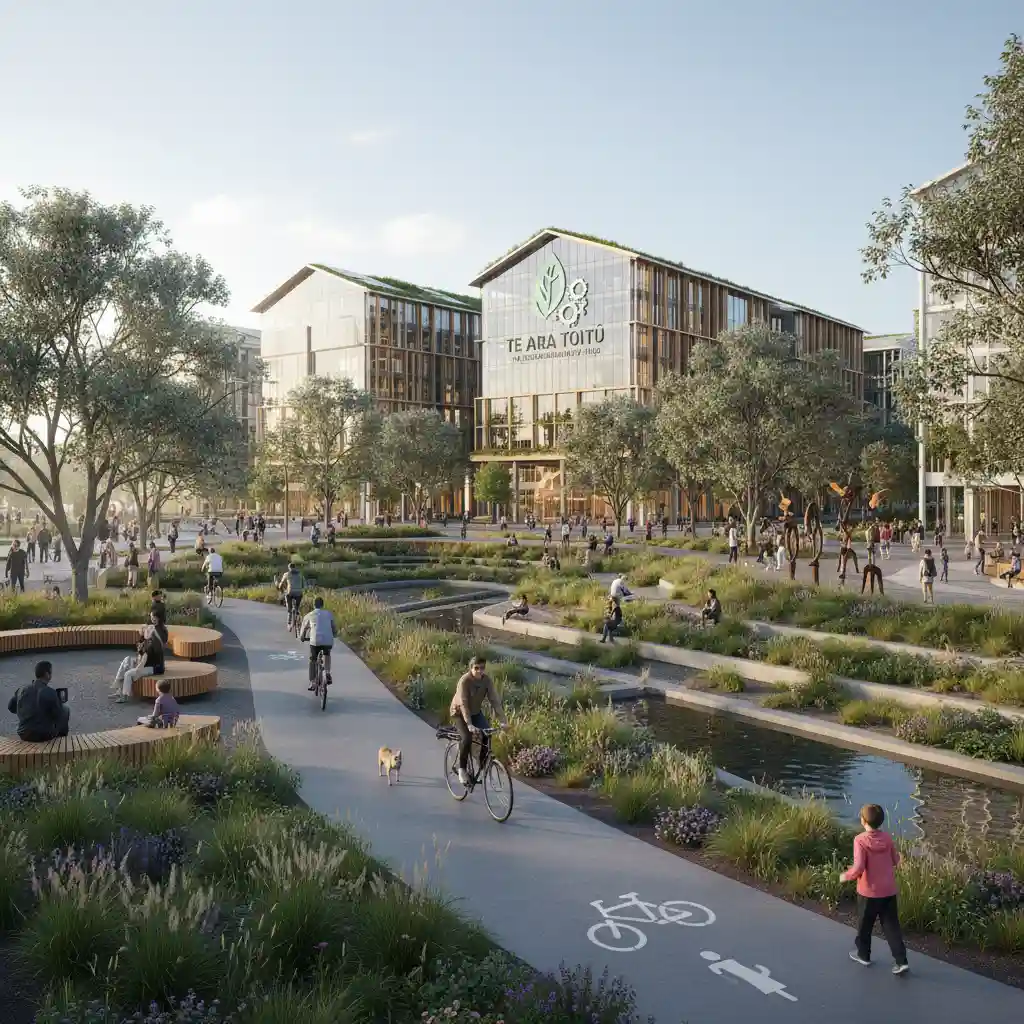
Resource Efficiency & Circularity
Moving away from a linear ‘take-make-dispose’ model, sustainable planning integrates principles of the circular economy. This involves designing buildings for longevity and deconstruction, prioritising recycled and locally sourced materials, and implementing advanced waste management systems, including composting and resource recovery centres. Water conservation and renewable energy integration are also paramount.
“Our cities must become models of efficiency, where every resource is valued and waste is seen as a design flaw, not an inevitability.”
Community Resilience & Engagement
Sustainable cities are resilient cities. This means planning for climate change impacts (sea-level rise, extreme weather) and ensuring communities are empowered to participate in planning decisions. Fostering a strong sense of place, local identity, and social cohesion is as important as physical infrastructure.
Challenges and Opportunities for New Zealand Cities
While the vision for sustainable urban development is clear, New Zealand faces specific hurdles:
- Rapid Population Growth: Particularly in Auckland and other major centres, this puts immense pressure on housing, infrastructure, and natural resources.
- Climate Change Adaptation: Coastal cities contend with rising sea levels, while all urban areas must prepare for increased frequency of extreme weather events.
- Infrastructure Lag: Existing infrastructure often needs significant upgrades to meet sustainable standards and accommodate growth.
- Balancing Development with Preservation: The challenge lies in intensifying urban areas without sacrificing cherished green spaces or unique cultural heritage sites.
However, these challenges also present significant opportunities for innovation, green job creation, and leading the world in truly sustainable urban living.
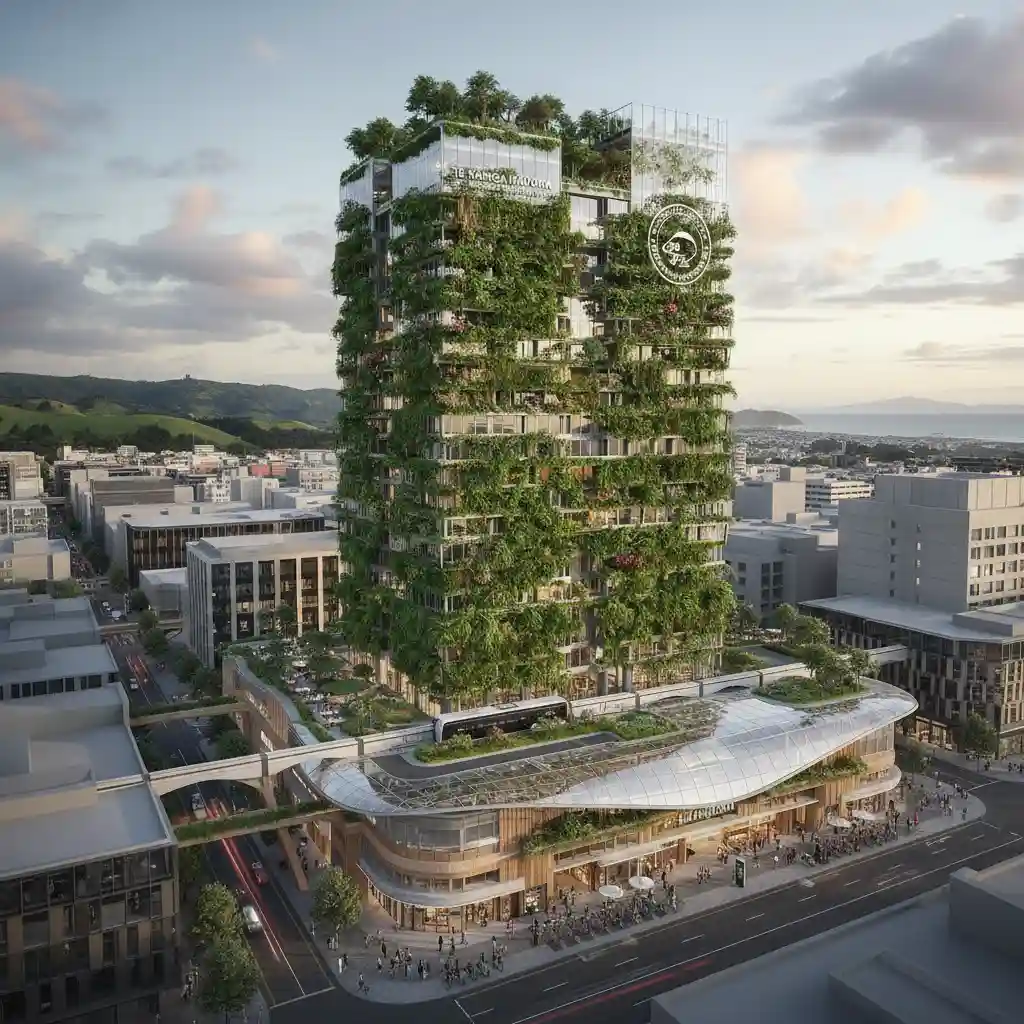
New Zealand in Action: Exemplar Strategies
Many New Zealand cities are already implementing advanced sustainable urban planning strategies:
- Auckland’s Intensification Plans: Focused on developing housing and transport corridors around key public transport nodes, aiming to create ’15-minute neighbourhoods’.
- Wellington’s Active Transport Investments: Significant upgrades to cycling networks and pedestrian pathways, alongside ambitious public transport projects.
- Christchurch’s Post-Quake Regeneration: A unique opportunity to rebuild with sustainability at its core, including significant green spaces and resilient infrastructure.
- Queenstown’s Growth Management: Balancing rapid tourism growth with environmental protection through strategic land use and transport planning.
These examples demonstrate a clear commitment to integrating ecological principles with urban development, setting a precedent for a sustainable future across Aotearoa.
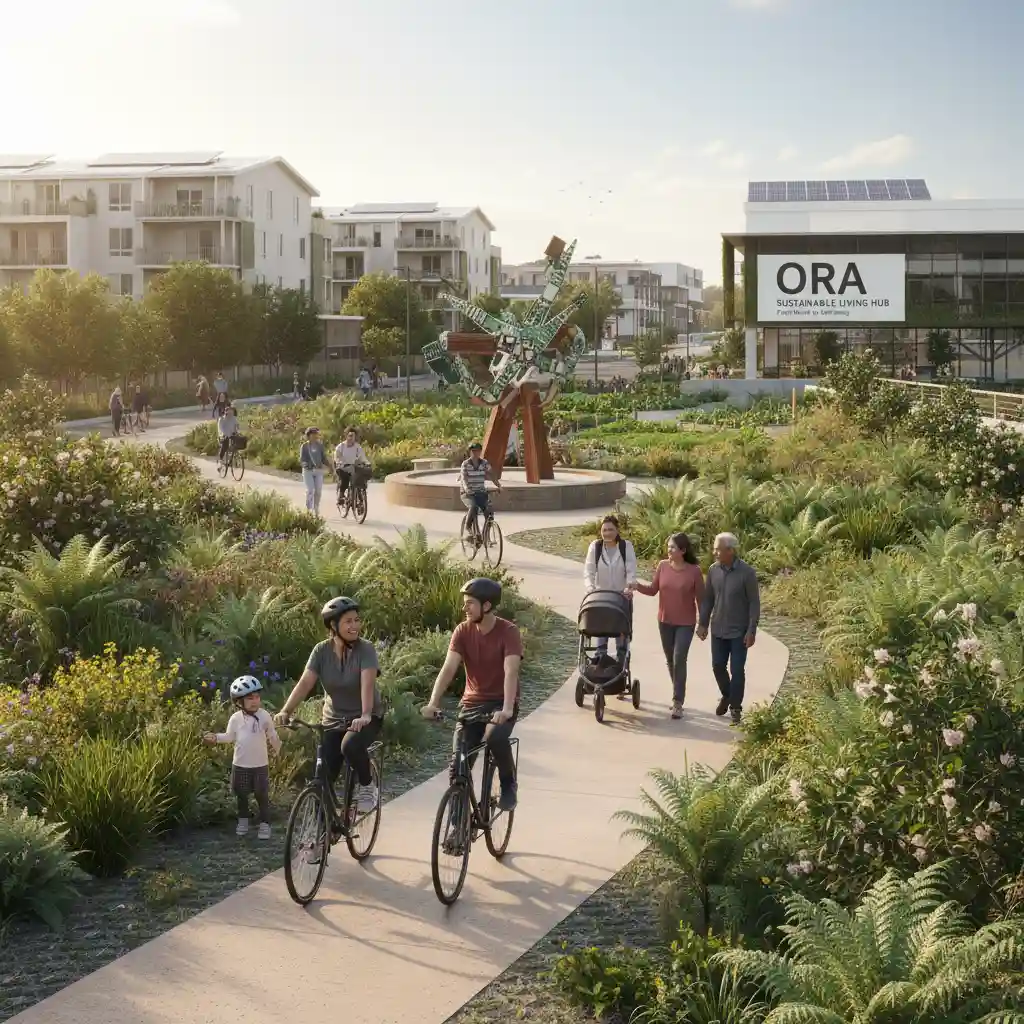
Your Role in Shaping Sustainable Cities
Sustainable urban planning isn’t just for planners and policymakers; it’s a collective endeavour. As residents and consumers, your choices directly influence the trajectory of our cities:
- Support local businesses: Reduces transport emissions and builds community wealth.
- Embrace active and public transport: Choose walking, cycling, or buses/trains over private cars where possible.
- Reduce, Reuse, Recycle: Actively participate in circular economy principles, minimise waste, and advocate for better waste management.
- Engage with local council: Provide feedback on urban development plans, attend community meetings, and vote for representatives who prioritise sustainability.
- Conserve resources: Be mindful of water and energy consumption in your home.
Every action, no matter how small, contributes to the larger vision of thriving, sustainable New Zealand cities.
Conclusion
The journey towards truly sustainable urban environments in New Zealand is ongoing, complex, and deeply rewarding. By adopting forward-thinking sustainable urban planning strategies, embracing innovation, and fostering strong community engagement, our cities can become beacons of ecological balance, social equity, and economic vitality. The future of Aotearoa’s urban landscapes is in our hands, a future where green spaces thrive, communities connect, and sustainability is woven into the very fabric of city life.
Frequently Asked Questions (FAQ)
What defines sustainable urban planning in a New Zealand context?
In New Zealand, sustainable urban planning is defined by its commitment to balancing environmental protection, social equity, and economic viability. It uniquely integrates Māori cultural values (e.g., kaitiakitanga – guardianship) with modern planning principles, focusing on compact development, green infrastructure, integrated transport, and community resilience while preserving Aotearoa’s unique natural heritage.
How do sustainable urban planning strategies benefit residents?
Residents benefit from sustainable urban planning through improved air quality, better access to green spaces and recreation, reduced commute times, enhanced public health outcomes (due to active transport), more affordable and diverse housing options, stronger community connections, and increased resilience to climate change impacts.
What role does public transport play in sustainable cities?
Public transport is a cornerstone of sustainable urban planning. It reduces reliance on private cars, thereby decreasing greenhouse gas emissions, traffic congestion, and parking demands. An integrated public transport network connects communities, improves accessibility, and promotes more compact, walkable urban forms.
Can existing New Zealand cities be retrofitted for sustainability?
Yes, retrofitting existing cities is a crucial aspect of sustainable urban planning. This involves upgrading infrastructure (e.g., stormwater systems, energy grids), revitalising brownfield sites, creating new green spaces, improving public transport links, and encouraging sustainable building renovations. While challenging, it offers immense potential to transform older urban areas.
How can individuals contribute to sustainable urban development?
Individuals can contribute by making conscious lifestyle choices, such as using active and public transport, reducing waste, conserving energy and water, supporting local businesses, participating in community initiatives, and engaging with local government planning processes to advocate for sustainable outcomes.
References & Further Reading
- Ministry for the Environment. (n.d.). Urban Growth and Development.
- NZ Transport Agency Waka Kotahi. (n.d.). Sustainable Transport.
- Statistics New Zealand. (n.d.). Urban and Regional Statistics.
- New Zealand Green Building Council. (n.d.). Green Star Communities.
- Journal of Urban Design. (Various issues). Research on Sustainable Urbanism.