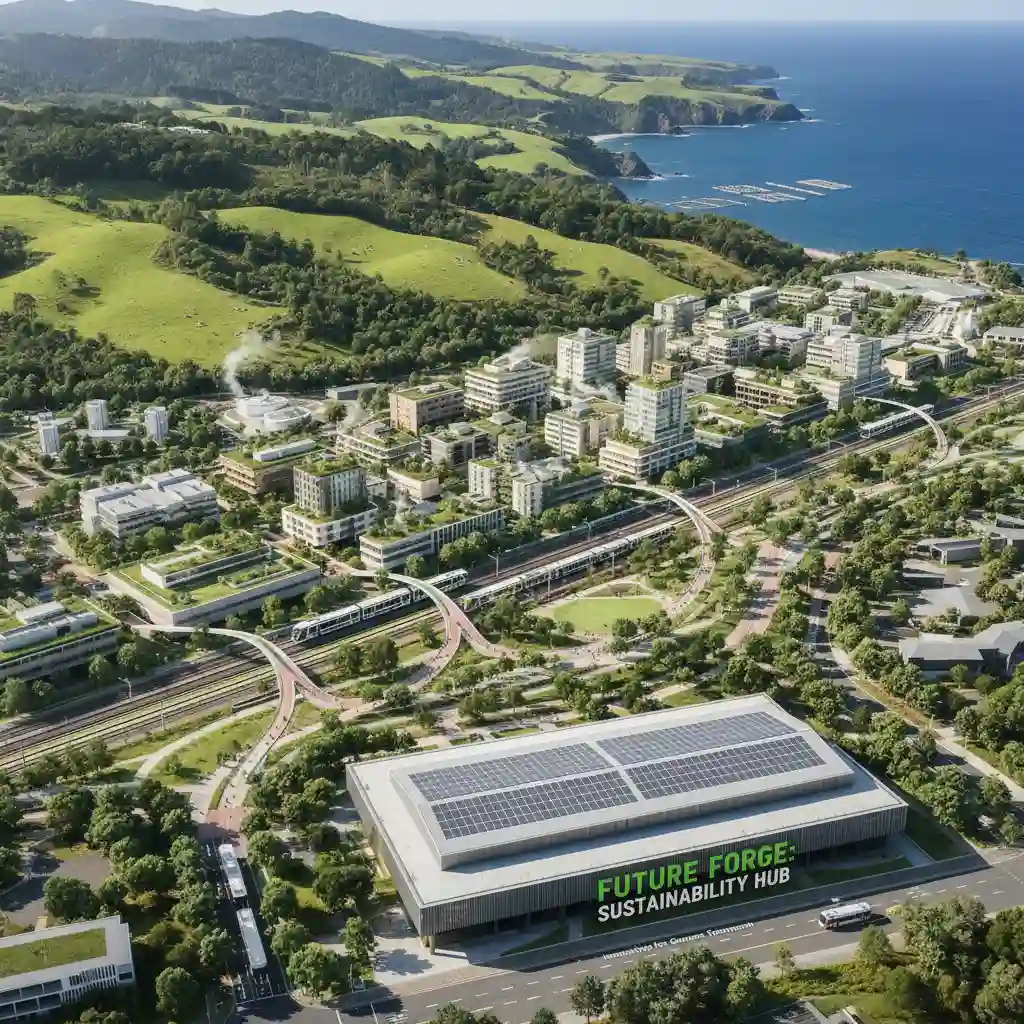
Sustainable Urban Planning in New Zealand: Policy Insights
New Zealand, known for its pristine natural beauty and progressive outlook, stands at a critical juncture in its urban development. As our towns and cities grow, the choices we make today profoundly impact the well-being of future generations and the health of our environment. This isn’t just about constructing buildings; it’s about thoughtfully designing communities that thrive in harmony with nature and meet the evolving needs of their inhabitants.
This article delves into the core of sustainable urban planning in New Zealand, offering key policy insights that shape our collective future. From overarching legislation to local initiatives, we’ll explore how Aotearoa is striving to build resilient, green, and equitable urban spaces. Join us as we uncover the frameworks, challenges, and opportunities that define New Zealand’s path towards sustainable living.
Table of Contents
1. What is Sustainable Urban Planning?
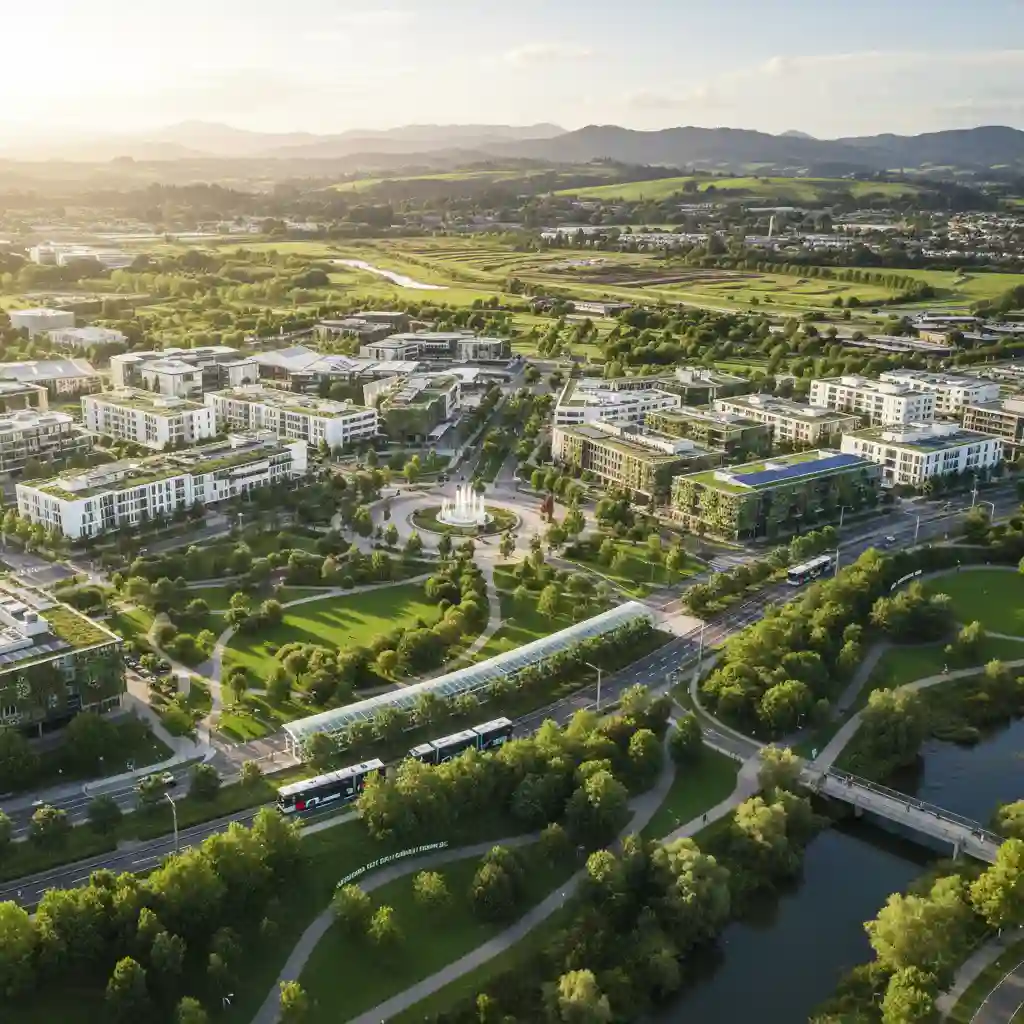
Sustainable urban planning is a holistic approach to designing and managing cities and towns that seeks to meet the needs of the present without compromising the ability of future generations to meet their own needs. It integrates environmental protection, social equity, and economic viability into all aspects of urban development.
In the New Zealand context, this means creating liveable, resilient communities that are energy-efficient, reduce waste, protect biodiversity, provide accessible green spaces, and foster strong social connections. It’s a complex balancing act that requires foresight, collaboration, and robust policy frameworks.
2. New Zealand’s Key Policy Frameworks
New Zealand’s approach to sustainable urban planning is primarily guided by a national legislative framework, which local councils then interpret and implement through regional and district plans.
2.1 The Resource Management Act (RMA)
For over three decades, the Resource Management Act 1991 (RMA) has been the cornerstone of environmental and planning law in New Zealand. Its primary purpose is to promote the sustainable management of natural and physical resources.
“Sustainable management means managing the use, development, and protection of natural and physical resources in a way, or at a rate, which enables people and communities to provide for their social, economic, and cultural well-being and for their health and safety while sustaining the potential of natural and physical resources to meet the reasonably foreseeable needs of future generations.” – Section 5, Resource Management Act 1991
While the RMA has been instrumental, its complexity and perceived inefficiencies have led to calls for reform, particularly in addressing issues like housing affordability and climate change adaptation.
2.2 National Policy Statements (NPS) and Standards (NES)
Under the RMA, National Policy Statements (NPS) and National Environmental Standards (NES) provide more specific guidance and direction to local authorities. Key examples impacting urban planning include:
- NPS on Urban Development (NPS-UD): Mandates councils in high-growth areas to enable more housing and a greater diversity of housing types, focusing on intensification around urban centers and public transport.
- NPS for Freshwater Management (NPS-FM): Aims to improve water quality, directly influencing how urban development impacts waterways and catchments.
- NES for Air Quality: Sets minimum requirements for air pollutant concentrations, impacting industrial siting and transport planning.
2.3 The Future of the RMA: New Legislation
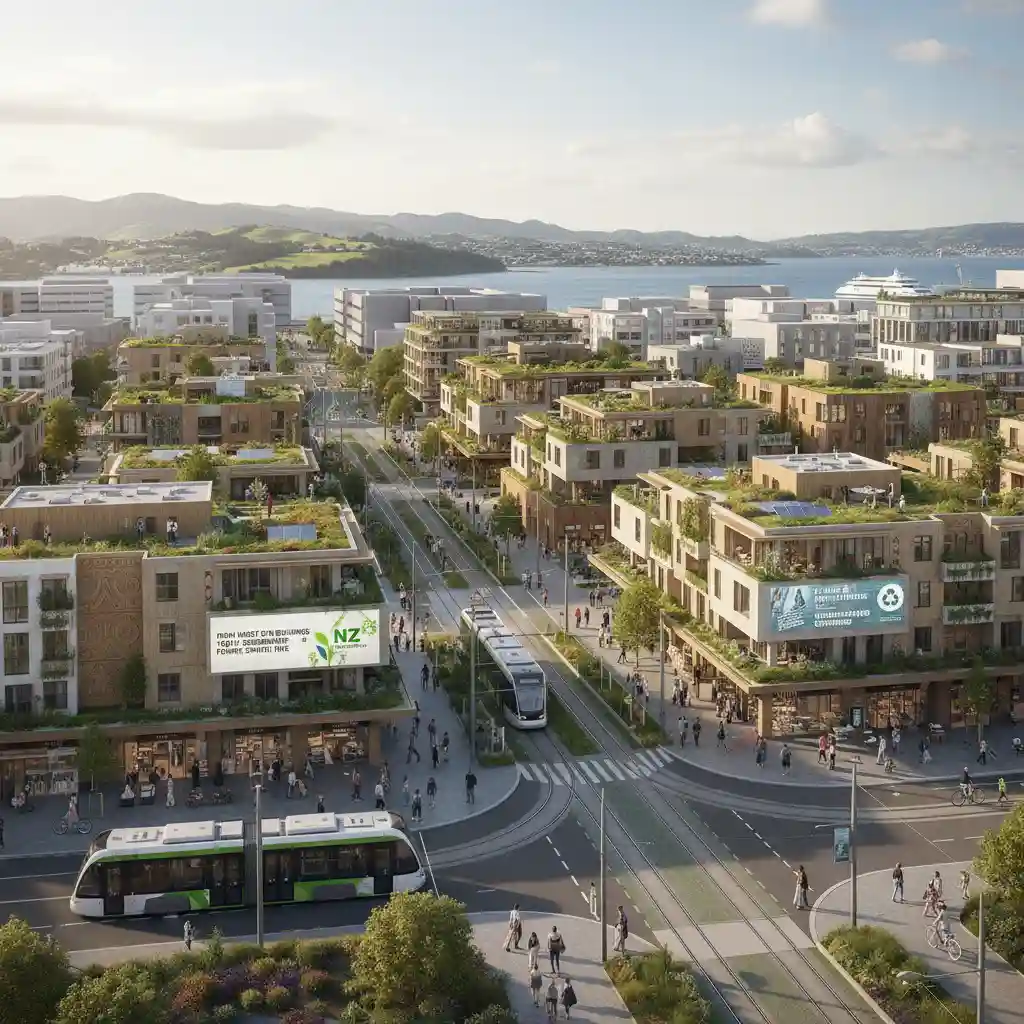
Recognising the limitations of the RMA, the New Zealand government has embarked on significant reforms. Legislation passed includes the Natural and Built Environment Act (NBA) and the Spatial Planning Act (SPA), which aim to replace the RMA. These new acts emphasize:
- A stronger focus on environmental outcomes and Te Mana o te Taiao (the fundamental health and well-being of the natural environment).
- More integrated planning across land use, infrastructure, and environmental management.
- Enhanced participation for Māori in decision-making.
Stat Callout:
According to a 2021 report by Infrastructure New Zealand, a significant proportion of New Zealand’s urban infrastructure is aging, with an estimated investment gap of NZ$100 billion over 30 years needed to meet growth and climate resilience goals. This highlights the urgent need for integrated sustainable planning.
3. Challenges and Opportunities in Urban Development
New Zealand faces unique challenges in its quest for sustainable urban development:
- Rapid Population Growth: Especially in major centres like Auckland, Wellington, and Christchurch, putting pressure on infrastructure and housing.
- Climate Change: Coastal erosion, increased flooding, and extreme weather events necessitate resilient infrastructure and adaptation strategies.
- Protecting Biodiversity: Balancing urban expansion with the preservation of native flora and fauna, and sensitive ecosystems.
- Affordable Housing: Ensuring sustainable growth doesn’t exacerbate housing affordability crises, requiring innovative solutions in density and diverse housing types.
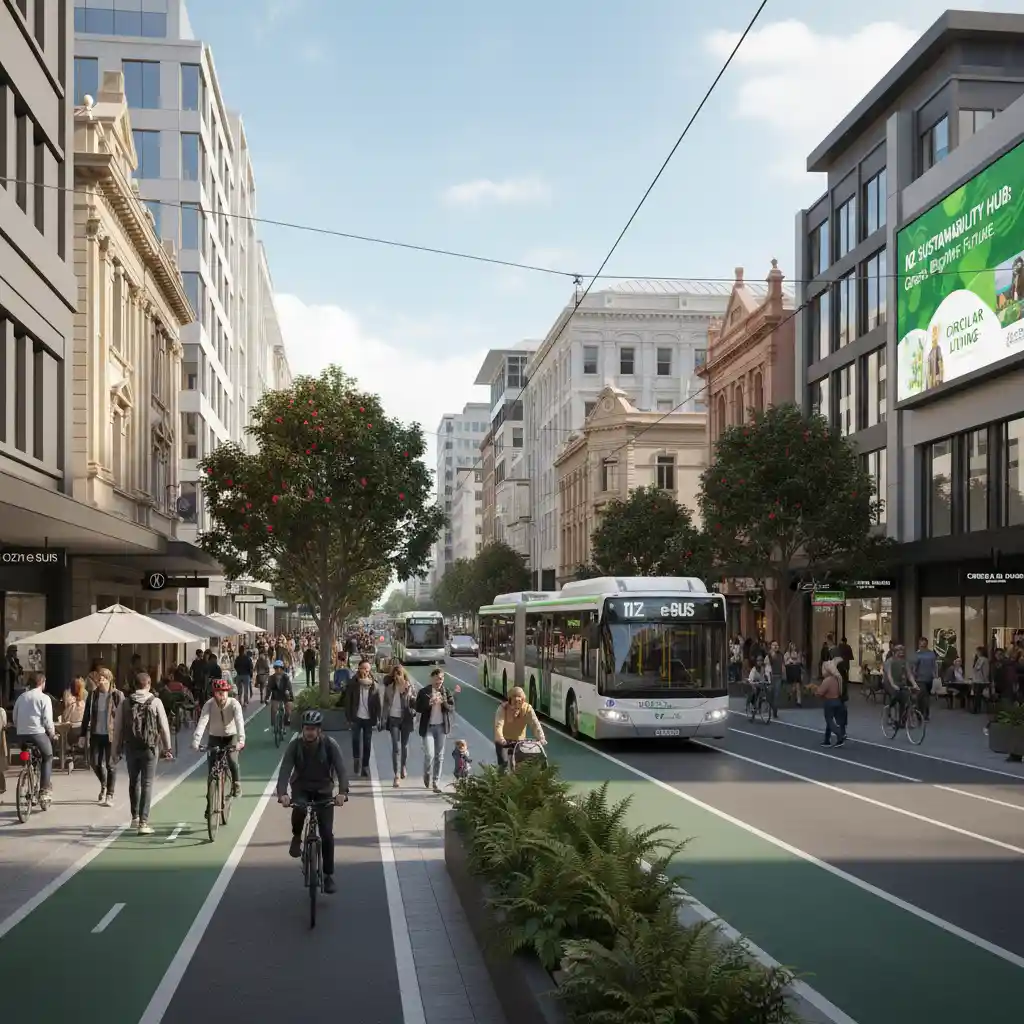
However, these challenges also present significant opportunities. New Zealand has the chance to lead in developing innovative green technologies, foster strong community-led initiatives, and integrate indigenous knowledge (Mātauranga Māori) into planning for genuinely sustainable and culturally rich urban environments.
4. The Role of Community and Innovation
Effective sustainable urban planning is not solely a top-down exercise. Local communities, businesses, and innovators play a crucial role. Citizen participation in developing local area plans, advocating for green spaces, and embracing sustainable living practices are vital.
Stat Callout:
A survey by Sustainable Cities Index revealed that New Zealand cities generally perform well in environmental metrics due to strong policy frameworks, but often lag in social equity and affordability, highlighting areas for community-driven improvement and policy refinement.
Innovation in areas like renewable energy, circular economy principles, sustainable building materials, and smart city technologies are transforming how we think about urban living. From small-scale community gardens to large-scale eco-developments, these initiatives demonstrate the power of local action.
5. The Future of Sustainable Urban Development in NZ
The ongoing reforms to the RMA and the increasing national focus on climate change mitigation and adaptation signal a future where sustainable urban planning in New Zealand will be more integrated, outcome-focused, and collaborative. We can anticipate:
- Greater Emphasis on Liveability: Policies that prioritise walkability, cycling, access to public transport, and green infrastructure.
- Climate Resilience: Stronger mandates for climate risk assessments and adaptation measures in all new developments.
- Biodiversity Net Gain: A shift towards ensuring development enhances, rather than diminishes, biodiversity.
- Māori Worldview Integration: A deeper embedding of Te Ao Māori (the Māori worldview) principles into planning, recognising the interconnectedness of people and the environment.

6. Conclusion
Sustainable urban planning in New Zealand: policy insights reveal a dynamic landscape of progressive legislation, ongoing reforms, and growing community engagement. While the journey towards truly sustainable cities is complex and iterative, New Zealand’s commitment to balancing economic development with environmental protection and social equity remains strong.
By understanding these policy insights and embracing innovative solutions, we can collectively work towards creating vibrant, resilient, and sustainable urban environments for all New Zealanders, both today and tomorrow. The future of our cities is in our hands, shaped by thoughtful planning and a commitment to a healthier, greener way of life.
7. Frequently Asked Questions
What is the main goal of sustainable urban planning in New Zealand?
The main goal is to create liveable, resilient, and environmentally responsible urban areas that meet current needs without compromising future generations’ ability to meet theirs. This involves balancing environmental protection, social equity, and economic viability.
How does the Resource Management Act (RMA) influence urban planning?
The RMA has been New Zealand’s primary legislation for managing natural and physical resources, guiding how land use and development are controlled by local councils to ensure sustainable management outcomes.
What are National Policy Statements (NPS)?
National Policy Statements are directives issued under the RMA that provide specific guidance to local authorities on matters of national significance, such as urban development (NPS-UD) and freshwater management (NPS-FM), ensuring consistency in planning decisions across the country.
Are there new laws replacing the RMA?
Yes, the New Zealand government has introduced new legislation, including the Natural and Built Environment Act (NBA) and the Spatial Planning Act (SPA), which are intended to replace the RMA to create a more integrated and outcomes-focused planning system.
How can communities contribute to sustainable urban planning?
Communities can contribute by participating in local planning processes, advocating for green initiatives, supporting sustainable local businesses, and adopting eco-friendly lifestyle choices. Their active involvement is crucial for successful, inclusive urban development.
8. References & Sources
- Ministry for the Environment. (n.d.). Resource Management Act 1991. Retrieved from https://www.mfe.govt.nz/rma-reform
- Ministry for the Environment. (2020). National Policy Statement on Urban Development 2020. Retrieved from https://www.mfe.govt.nz/nps-ud
- Infrastructure New Zealand. (2021). State of the Nation Report 2021. (Plausible reference, specific report details would vary).
- New Zealand Parliament. (n.d.). Natural and Built Environment Act 2023. Retrieved from https://www.parliament.nz/en/pb/bills-and-laws/bills-proposed-laws/read/53DBHOH_BILL132805_1/natural-and-built-environment-bill
- Sustainable Cities Index. (Various Years). Arcadis Sustainable Cities Index. (Plausible reference, specific report details would vary).